



A Mother’s Story of Loss and Love with Emily Mir



Listen now
About this episode
There are moments in life that divide everything into before and after… this conversation with Emily Mir holds one of those stories.
Emily is a mother, storyteller, and advocate whose life was forever shaped by the stillbirth of her son, Gilbert, at full term. What she shares is not just the heartbreak of that day, but the reality of what comes after… the quiet, evolving, and deeply human experience of grief.
In this episode, we talk about what it means to carry love for a child who is no longer physically here, how grief softens but never disappears, and the complexity of holding joy and loss at the same time. Emily also shares the inspiration behind her children’s book Gilbert’s Cake — a gentle but honest way to help families speak about grief with children, without hiding the truth.
This is a conversation about love, loss, and the ways we continue to live, connect, and remember.
Remember; You may not be ready to die, but at least you can be prepared.
Take care,
Catherine
Show notes
Guest Bio
Author
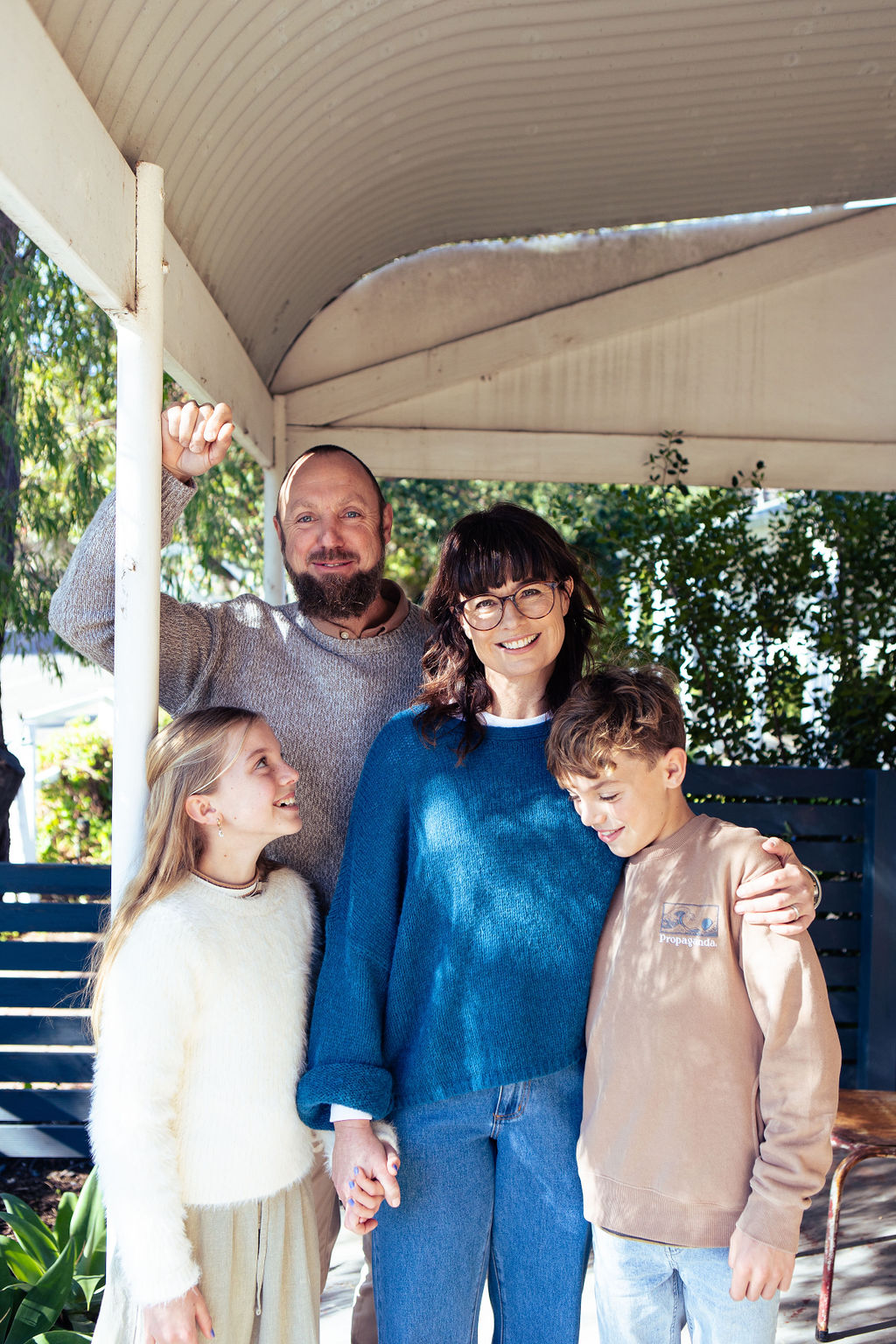
Emily Mir is a mother, storyteller, and advocate whose work is deeply shaped by her lived experience of love, loss, and grief. After being diagnosed with Stage 4 endometriosis in her early thirties, Emily and her partner Pete underwent a challenging IVF journey to conceive their first child. After multiple attempts, they finally achieved pregnancy — only to experience the devastating loss of their son, Gilbert, at full term.
Emily’s story is one of profound heartbreak, but also of enduring connection. She speaks openly about the experience of carrying, birthing, and loving a baby who did not live, and the complex, lifelong nature of grief that followed.
Today, Emily is passionate about helping families navigate conversations around loss, particularly with children. She believes in honesty, openness, and the power of storytelling as tools for healing. Through her writing and reflections, she explores how grief evolves over time — not disappearing, but becoming part of who we are.
Emily’s perspective offers a deeply human insight into resilience, connection, and the enduring presence of those we love.
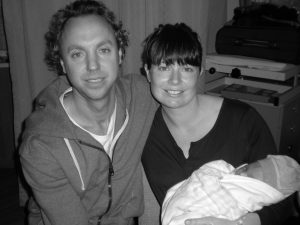
Pete and Emily with Gilbert Louis Mir & with her family today (above).
Summary
What you’ll hear in this episode:
- What it was like to carry and birth Gilbert after learning he had died
- How grief evolves over time — softening, but never shrinking
- The unexpected return of grief when Emily later had her twins
- Why joy and grief can exist at the same time, especially in motherhood
- The importance of honesty when talking to children about death and loss
Transcript
[00:00:00] Emily: And I just knew, I just had this sinking knowledge and I said to the midwife, I don't think it's gonna work out. I think he's gone. And then the doctor came in and he did this other ultrasound and he just shook his head and said, I'm so sorry, Emily. And I'll never forget the look on his face. he was he was devastated. He just put his hand on my belly and he just kept shaking his head and saying, I'm so sorry. Catherine: Welcome to Don't Be Caught Dead, a podcast encouraging open conversations about dying and the death of a loved one. I'm your host, Catherine ... Read More
[00:00:00]
Emily: And I just knew, I just had this sinking knowledge and I said to the midwife, I don't think it's gonna work out. I think he's gone. And then the doctor came in and he did this other ultrasound and he just shook his head and said, I'm so sorry, Emily. And I'll never forget the
look on his face. he was he was devastated. He just put his hand on my belly and he just kept shaking his head and saying, I'm
so sorry.
Catherine: Welcome to Don't Be Caught Dead, a podcast encouraging open conversations about dying and the death of a loved one. I'm your host, Catherine Ashton, founder of Critical Info, and I'm helping to bring your stories of death back to life because while you may not be ready to die, at least you can be prepared.[00:01:00]
Don't be caught dead. Acknowledges the lands of the Kulin nations and recognizes their connection to land, sea, and community. We pay our respects to their elders past, present, and emerging, and extend that respect to all Aboriginal and Torres Strait Islander and First Nation peoples around the globe.
Catherine: Today I'm speaking with Emily Mir She is a mother storyteller, an advocate whose work is deeply shaped by her lived experience of loss, love, and
grief. After being diagnosed with stage four endometriosis in her early thirties, Emily and her partner Pete, underwent a challenging IVF journey to conceive their first child. After multiple attempts, they finally achieved
pregnancy only to experience the devastating loss of their son Gilbert at full term.
Emily's story is one of profound [00:02:00] heartbreak, but also of enduring connection. She speaks openly about the experience of carrying, birthing, and loving a baby who did not live, and the complex lifelong nature of grief that followed.
Today, Emily is passionate about helping families navigate conversations around loss, particularly with children.
She believes in honesty, openness, and the power of storytelling as tools for healing. Through her writing and reflections, she explores how grief evolves over time, not disappearing, but becoming part of who we are. Emily's perspective offers a deeply human insight into resilience, connection, and the enduring presence of those we love.
Thank you so much for being with us today, Emily.
Emily: It's my pleasure, Catherine. Thank you.
Catherine: that is quite a lot
Emily: Mm. [00:03:00] Yeah, I think when it's your own story, it doesn't necessarily feel a lot
It just is. Yeah.
Catherine: and. For our, our listeners and for some context,
how long ago was it that that experience happened for you with the, the loss
of Gilbert,
Emily: it's 16 years this year actually, so a long time. Which is also why perhaps when I hear it. It explained in that way. It no longer feels so huge. It's, I guess, interwoven now into my life story, whereas
certainly in the first few years, it very much did feel like a lot.
Catherine: and how, how is that, like how has that grief changed for you over time?
Emily: hmm. I think it's softened in some ways it hasn't gotten smaller, which
is an, an interesting thing because,
you know, I think we hope or expect that grief [00:04:00] kind of shrinks, but in my experience, it's more perhaps a softening. I feel less the shock for, for us, I think with Gilbert's death being so unexpected and such a a sudden, quite traumatic occurrence at
a time?
when no one's anticipating that during, during healthy pregnancy. So the shock was really a very difficult thing for us. And
I think the shock lasted for quite some time. And so it's really lovely this many years later to not not be dealing with the shock to just be left with some sadness, some bitter sweetness. A sense of having survived something that at the time didn't feel didn't
feel survivable in some, in some ways, some days anyway. So now to have that sense of peace with it is,
is really lovely. But at [00:05:00] other times it, it's bigger
because I can sit with it. Whereas I think in the first few years I couldn't even touch it. it.
felt, It felt,
too sharp or too overwhelming. Now I I feel really privileged to be able to think about it, and that's why I could write a storybook from that place of grief because, you know, it really did take me all that time to feel I could spend enough time feeling those
feelings and that that's fantastic to get to that place.
Catherine: And tell me a little bit about this book that you've written.
Emily: It's a picture book Catherine. So sometimes I feel like an imposter of an author because it's, it's very short.
But I've always loved picture books. Before I had children, I had already collected books for our future children. And so I suppose I was fulfilling a dream to write something for children, but it wasn't [00:06:00] until. Having a stillborn baby and them working with families who'd experienced a similar loss that I felt
a calling, I suppose a, a, a sense of urgency to write something based on that experience and something that would be available to families who are going through this grief in the culture that we live in now.
Because I remember when Gilbert died looking for picture books
even before we had subsequent children
looking for picture books for my niece and nephews, sorry. And I couldn't find it much that was Australian for sure, or that felt joyful or. Uplifting in some way. There were a few books I came
across that were just so, depressing.
I suppose they'd been written perhaps in the eighties or
even late seventies. A lot of them had quite strong religious
themes [00:07:00] about
heaven and so on. And I, I really felt that?
that wasn't gonna work for everyone. So when I
sat down thinking about what, how can I share a story that will assist families to reflect on their own experience and to talk about their baby, their grief, I, it, I didn't want to not have spiritual aspects in the story, but I wanted it to be
suitable for everyone, no matter what their belief system or their culture.
Catherine: And tell me what was that process like about sitting down to, to write that?
Emily: It was very time consuming. Because I
realized that it wasn't going to, be a straightforward sit down write and you're done. I, I kept realizing, ah, there's so much more to this, and I'd go away and do some research. I did a short course for women writers during COVID time, and that [00:08:00] actually was the beginning for me.
I started
writing poetry, actually about
my grief. And then I had this thought one night in the middle of the night about a children's story. And then that children's story really changed multiple times before I arrived at the story in Gilbert's Cake. Eventually I was. Lucky enough to come across a woman Margaretta Lamont from New South Wales, who provided some mentorship and ended up assisting me to publish under a small imprint that she has. And she really helped me to get to the end point because by then I'd, I had so many different variations and drafts and I needed someone, not just family and friends who kept reading it, the different iterations and saying it was beautiful. I needed somebody who could really help me to drill down. She helped me to cut out [00:09:00] sections that she said, oh no, you know, the illustrator will flesh that part out, or you don't need that extra adjective.
And she knew about children's books. She's a professional, and, and that was gold for me. She still respected what I wanted to say. She got it from the beginning, She had that professional headset that I was looking for. I'd been looking for it online for months and months, and I came across her in the end.
So I really think it took a lot longer than I thought it would, but it was a wonderful journey for me of being sitting with all of these feelings and hopes for other families. It
was as if the book gave me somewhere to channel that,
whereas before, perhaps I had just kept so busy with work and parenting And all the things we do in our lives that I wouldn't necessarily have put aside time [00:10:00] to sit, reflect, read research. I felt suddenly like I had this project that was very personal, but had a direction. That was outward facing. I hoped in the end as well,
Catherine: And so
tell us about what was the story that you settled on in the end.
And, And, it must be challenging because, especially being a a picture book, like you said, that there's so much that you can convey in an image and yet, you know, it's also the importance of of the limited words that you do have on the page as well.
So, so where did you end up with the
story?
Emily: I ended up with a story about Gilbert's birthday or anniversary. In the case of a, still bomb baby, a birthday and an anniversary is the same day which was sort of the
beginning point reflecting on how in our family those days are for us now that we have Gilbert's younger siblings Harriet [00:11:00] and Flynn who were born two years later. I had always. Found this, this anniversary day, quite challenging, especially when the twins were little because it was still only a few years after Gilbert's death. And I felt this pressure to celebrate his birthday as the loss baby loss community often refers to a stillborn babies anniversary, but I actually felt really sad. My body would feel all these feelings attached to it being the same time of year, the middle of winter, and the date. And so all the memories that would come with that, that, of course the twins didn't have any understanding of, they just knew that we'd told them that it was Gilbert who they knew about it was his birthday. So they were thinking, oh, this is gonna be fun. We're gonna have, maybe we'll have a cake and balloons and we'll do something special. And I would often think, I don't wanna do anything, I don't wanna go anywhere. And then [00:12:00] I'd remember what other I'd hear about or, see online these celebrations that people would have, and that's why I'd feel caught between these two places. And one night when I was thinking about that and had been starting to write some stuff, I thought maybe there's a story in that. And that. there these different experiences within this bereaved family that are all valid and are all really special. And maybe I'm not the only bereaved parent to feel torn around this, I guess, spectrum between celebrating and, and feeling the, what we might think of as heavier or more typical grief reactions.
So I. I started working with that and thinking a lot about particularly I think about Harriet, our daughter, because she, she was a real driver often of what are we gonna do for Gilbert's birthday? So she became the [00:13:00] central character, I guess, in Gilbert's cake. She drives this story of wanting to make a cake and goes to each family member saying, come on, let's make the cake.
And she persists When she doesn't get the willingness to do that, that she wants, and in the way of children, she finds her own creative solution to that. And there's this beautiful coming together at the end of the story where she's made a mud cake in the garden and she brings it to the beach where the family is. We don't actually live behind the sand dunes. I wish that were true. That's actually completely fictional. We do love the beach. My husband's a surfer. The twins like to surf and we do actually tend to go to the beach at Gilbert's birthday. However, in the story, the family lives just behind the sand dunes. So little Hattie carries
the cake that she's [00:14:00] made in the garden down to the beach where her mom and dad and brother are, and everyone's so thrilled to see this cake that she's made and
dad suggests. Candles and the family searches for feathers to place on the cake as candles. And then in the last
little section of the story, Harriet tips the cake upside down and everyone
throws some of
the, the mud from the cake into the shallows.
And Harriet
picks up one of the feathers that's floating
on the, on the waves and tucks it into her pocket. And there's also this beautiful reference to pelicans. And the dad in the story tells the twins this tail of pelicans being above the crowd at Gilbert's funeral. And that's actually a true story too.
So there's
some truth to their story as well as some artistic what do you call it,
Catherine: [00:15:00] Artistic license.
Emily: artistic license. Hmm.
Catherine: Given the fact that, that there is
that closeness and that sort of truth telling in the
the story,
how was it for you? Because it's almost like creating
your own family in that isn't there
and incorporating, you know, you've, you've actually included Harriet as Hattie,
you know, and, and similar characteristics And
that, how was that when you, how was it when you saw it
printed?
Emily: Oh, it was so surreal actually, Catherine seeing it finally printed such a long process with working with.
The illustrator a book designer and the publisher, and to finally hold that book, it was, it felt really quite a monumental moment. And yeah, the, there is this sense of, I guess in some ways [00:16:00] it felt like a responsibility knowing that I'd placed, you know, my other children in this book and that they then would have this story, this book, this physical object in their lives.
And, you know, wondering how
it would be for them. A funny thing that happened was I donated lots of books to different places and Harriet said to me at one point, the twins would've been about 12 at the time, and she said, oh, you can't give it to the school library, mom. And I said, oh, why not? And she said, oh, because it's
got our last name on the front and my name's in the book, and that would
just be so embarrassing, so you can't, and
I said, oh, I'm really
disappointed because there would definitely be families in your primary school that might like to borrow the book. and she said, well, you'll
just have to wait until next year when I leave the school. So on, on, their last day [00:17:00] at the school before they went to high
school, when
I went in to say goodbye to the staff in the office, I took them and they knew I'd published the book. Some of them had come to the book launch.
I took them in a couple of
copies and said,
now you can have Gilbert's cake at the school.
Catherine: I love that. It, it really is quite the family project then, hasn't it been?
Emily: it? has Harriet. and, Flynn, they both listened to many versions and Harriet in the early days did some drawings. She was also not particularly pleased when I started looking for a professional illustrator, and she did say a couple of times, but you know, what about me? Can you add some of My drawings? So we, we had to talk that through, that's a couple of years ago now.
Now she's fine with it, but
Catherine: But it is part of the creative,
process, isn't it? Some things get included and, and some don't. Oh, wow. And, and what is it that you hope [00:18:00] for, for readers to sort of connect with or, or feel when they're reading the book?
Emily: My hope is that it Helps readers who have
had a similar experience, feel seen feel that, oh, here's a book?
that says something of, of our own family experience, the way our family is made up. I, I think that that's really important and a personal challenge for me in the early days had been watching films or reading novels or even popular TV shows and there would be a dramatic birth scene or an issue with a pregnancy.
And when things all worked out beautifully and there was a happy ending, I used to often feel this real sense of loss
and loneliness in that and wish that there could have been a depiction of things not going to plan. And [00:19:00] every now and then that would happen. And I would feel this gratitude that, ah, someone's being real about that.
Sometimes pregnancy and birth doesn't go in the way that we all hope and expect.
So that's a part of it that, you know, if a family sees this picture book and reads this story and
thinks, oh wow, that's familiar to me, and we
can
share that as a family and then not talk about the story in the book per se, but their own story. you know, are there symbols in our family? Because I know that families who've lost a child do relate to this idea. For us it's been a pelican. Or kooka butters, that's a
different story. But you know, for
families, people talk about butterflies or rainbows or. Ocean
creatures all
sorts of things that are meaningful
to them. And so in reading Gilbert's cake, [00:20:00] they, I hope will talk about, oh, what's it like for us? And I also hope people who have no connection to stillbirth or miscarriage or child loss, they, they resonate with the themes around grief and ongoing bonds. And celebration and remembering, you know, I, I hope that it's not only relevant for families who've experienced baby loss.
Catherine: And do you mind taking us back to that time, Emily, because you are right. Very few times do we see the reality
depicted. It. It is a lot of the time, very much a happy ending, a bit of a scare, but then a happy ending because sometimes it's too difficult to go there and they, they won't, they won't even have those discussions.
So do you mind sharing what that was like? So you,
you carried Gilbert to full term,
and what
happened?
Emily: It [00:21:00] was right at the very end. I was actually just over 40 weeks and. I'd seen our obstetrician who'd also done our IVF treatment. So we'd known him by this stage for a couple of years, I suppose. I'd seen him only a few days before and he had said, look, if you go much further overdue, we'll bring you into hospital and, and induce you.
And I had done all the research about natural birth and wanted a particular way for it to go. And I was so hopeful that that wouldn't have to happen. But I was also, I just took his advice. Okay, if it's five days over or seven days over, I can't remember what his cutoff was. And that's what we'd do. And we went about a, a week.
I did go into labor, on a one morning and we, we went down to the beach and we went to my parents in the [00:22:00] afternoon. And I remember saying to mum in the afternoon as I sat in a rocking chair, I said, I haven't felt him move. And we said to each other, well, you know, I'm getting contractions. And we'd heard this idea.
Mum certainly said it herself. Ah, you're in labor. I think that's not unusual. I've since learned that we should feel kicks and movement from the baby even during labor and certainly in those early stages of labor. So that's a myth that's now being dispelled in the stillbirth awareness community. But certainly 16 years ago, I had no idea. It had never been spoken about in antenatal classes that Pete and I had been to. So I just kept thinking, okay, it's happening. It's happening. And. Preparing myself for this, this labor. And I labored all through the night. And we rang the hospital and they said, oh, come in when they're [00:23:00] five minutes apart.
And they never got to five minutes apart. Pete went to sleep. Of course, eventually I woke him up at five or so in the morning and said, oh my goodness, I can't sleep. And he, you know, bused about trying to help me and s support me. And we went for a walk. And as we were walking around the block, I said, this is not right, Pete.
There's something wrong. And I'd started to really, I, I kind of knew, I think inside I'd had a couple of moments in the early hours of the morning where I'd just said, please, Gilbert, you know, please come. We, we are ready. Everything's ready, we are waiting. You can come. You know, and I just was starting to feel this, well, I thought it was just panic or anxiety, but I look back at that and I think, oh. Maybe I had an intuition. So I said to Pete, we've gotta go and let's go to the hospital. And we rang them. They said, yeah, come in. Come in and you know the obstetrician's here, he will check you out. And on the [00:24:00] way there, I said to Pete, oh, I just wanna hear his heartbeat. And Pete couldn't work out why I was worried.
So I didn't say too much to him. I just said, I just need to hear his heart beat. And as soon as we got there, this lovely midwife said, oh, I'm just packing up things here in this room. And she said, why don't you come in here and I'll check it out. I wonder if they were all ready, worried. 'cause I didn't wait.
They just took me straight in, straight away. They put an ultrasound probe on, they couldn't find a heartbeat. And they said, oh, it might be this machine. I've heard that said to many other. Women in the same position. I think the midwives just don't wanna break the news. And also, I guess they don't wanna make a mistake.
So off they went looking for another ultrasound machine.
And I just knew, I just had this sinking knowledge and I said to the midwife, I don't think it's gonna work out. I think [00:25:00] he's gone. And then the doctor came in and he did this other ultrasound and he just shook his head and said, I'm so sorry, Emily. And I'll never forget the
look on his face. he was he was devastated. He just put his hand on my belly and he just kept shaking his head and saying, I'm
so sorry. And poor Pete, he just, he
sobbed and let out this big cry. And I, I could, I didn't even cry. Not at that point. I just
I just felt this. Resolution that okay. The, the, the trajectory is, has changed. This is completely different now, but I still have to meet my baby. So I felt really determined. Yeah. And it
was, it was a massive shock. Yeah.
Catherine: And what happened from there?
Emily: They asked me if I wanted an epidural and I said, yes, I do. I said, and I'd like to have a cesarean. [00:26:00] And they
talked me out of that, which I'm so grateful for. My doctor said, oh, that was not your plan, Emily. You know, you sure you don't wanna try. And so we did. And that. The care that the staff gave, it made a big difference.
They called an anesthetist and she came in and I've always
remembered her like an angel because she actually didn't really even speak. I don't remember her speaking to me at all. I just remember her busying herself, doing what she had to do with this really sweet, calm, gentle nature. And then the pain of contraptions just went away and she just slipped outta the room. And she never sent, you know, we were in a private hospital and after Gilbert's birth. You know, there were a few different things that we had to pay for. And I remember [00:27:00] thinking, I will receive a bill from that anesthetist. And one day I rang the hospital or the doctor or something and they said, no, no, she's not gonna charge you. And, you know, these things make a difference at a time like that because it was like a message from those care providers that we wanna do what we can to help you in this moment. So the epidural was a relief. Pete and I actually had a sleep, 'cause I'd been awake most of the night before. And eventually I was ready to birth Gilbert and he, he was a full sized eight pound three baby.
So, you know, I really had to work to push him out. But it, it actually went bizarrely to plan. I kept thinking, this is not, how is this gonna work? How do you give birth to a baby who isn't alive? But the body knows what to do. It would seem you know, while
he wasn't alive, my body still knew how to give [00:28:00] birth without his help, because baby's help to be born and he couldn't help me. But he was born and they put him on my chest and I still felt so proud. That's the thing I've always thought. Isn't it interesting how there's all of that pride and the rush of this feel good hormonal
kind of thing that, you know, happens after a birth? It still happened. Even though there was all of
this grief and sort of a, a heavy silence
in the room, it still felt somewhat jubilant.
There was still this sense of achievement.
We've done it. He's here. My family all came in. Pete's family came in and the next morning a few other people came and met him. So we had him with us all night. They took him away a couple of times, which I hated. I wish, now that I knew that I could say no, I want him to stay here.
Yeah. You don't know these things till after.
Catherine: No, you really [00:29:00] don't.
Emily: Yeah. And things have improved in this space in the last 10 years or so. Hospitals now have cold cots. They're cold. So that a baby can
stay with the parent or family without them needing to go to the morgue or into refrigeration. And, you know, there wasn't one at the hospital at the time. So it's wonderful that things are. Changing for the better for families because you do still want your baby with you. You know, when you've just had a live baby, you don't want them whisked away within an hour or two.
That's not what people want. And it's the same when you have a stillborn baby. You still, and, and maybe not for everyone, but certainly that was my experience.
I, I didn't like the thought that, well, where are they taking him and when will he come back? And I just wanted him near us for as long as possible. And in our case, it was only 24 hours. And then he went to another and more a bigger [00:30:00] hospital for an autopsy because we didn't know why he'd died. And we wanted to know. So he went the next morning, the funeral director came and took him, which was really hard. But again, there was so much shock that it all felt very surreal. Both it felt very clear and
very. Like I was very aware that this was happening. There was no denial, but there was this movie-like quality at the same time that is this really us very out of body experience at the same time as being acutely aware that wow,
this is probably one of the saddest,
toughest things that we'll go through and it's, it's actually happening.
Yeah. I don't know that it's hard to
put that into words, how you
can have both experiences at the same
time. I guess it's not unusual when we
experience this kind of [00:31:00] crashing of how life usually is, and it, it's very, the overwhelm is both takes us out of a sense of reality as, as well as making it this piercing reality.
Catherine: What happened after the autopsy, Emily?
Emily: Well, we had to have a funeral work out whether we cremated or buried Gilbert. We'd already named him. So that was easy.
I was grateful for that.
And I really just leaned on my
mum. I
just, I said to her, I, I wouldn't know what, what do you do? What shall I do? And I just knew that I wanted us to have a big funeral.
I, I wanted Pete and I to have an opportunity to see our family and friends and all the
people that had been waiting for Gilbert
to come [00:32:00] together. I didn't wanna miss that opportunity. So again, there was this determination to make the most of the experience, even though it was. Very different to what we'd hoped for. So we, yeah, we set about organizing that and like so many people experience after the death of a loved one that did give us
many days of
direction and things
to focus on. I think that is a helpful thing. and the funeral itself was a really special time. I dunno really now, and I look back how we did it, but we both spoke at the funeral and we chose close friends and some
cousins to read prayers
and say different words
about the, you know, thank the people who looked after Pete and I.
We chose songs that we
wanted to have. Yeah, it,
and people came back to our house [00:33:00] afterwards. It poured all day. I,
I remember thinking it was perfect that it rained so
much, people got wet at the cemetery. And I just remember looking at them and feeling sorry for them and thinking, but it's really appropriate. Everyone's saturated.
Mm,
Catherine: tell me about then you, you now have, you know, Harriet and Finn.
Emily: Hmm. Yeah. So Harriet and Flynn were born
just under two years after
Gilbert's Stillbirth Gilbert had
been conceived through IVF, and so this was the next challenge, really. Poor Pete. Such a. Stressful process IVF and we had always probably in an unspoken kind
of way, knew we'd have more than one.
Pete and I both have
siblings and are close to our siblings,
so [00:34:00] we knew maybe we'd do more IVF, but when I said to Pete, I think two or three days after Gilbert's birth, I said, well, we'll be having now to go back to the IVF clinic. And he said, oh, are you kidding? Like, I don't really, he was, he just looked quite concerned about that idea.
And now I think of course he was, you know, but I had this probably at that point also, this sort of physical need to have another baby. It was really strong.
And I knew that. it had to happen. We had to try again. And we waited a little while. We, our doctor said that he thought we should wait at least, I think he said six months which felt like an age.
But the time passed in this sort of haze of grief and going back to work and, [00:35:00] and before we knew
it, we were back there at the same clinic. And that was hard. It was hard.
I remember the nurse that the appointment, you go to this appointment at some point where they give you all the medications for the cycle and it's kind of like a transactional, it's quite a brief appointment 'cause they've done all the medical stuff and this is just, okay, pick, pick up your medications and sign up the form and go and. She had obviously
read the medical note really quickly and said, oh, so you've got an older child. That's lovely.
Catherine: Oh wow.
Emily: and you know, there were those moments every now and then where that kind of thing would happen. It would just come crashing back. You know, that here we are doing the same thing and, you know, not knowing if it would work out again.
It took us quite a while to conceive Gilbert and there'd been issues with how the [00:36:00] treatment had gone with IVF. And so I actually was really fearful that it wouldn't work again. And that, you know, that Gilbert was our kind of miracle which felt really special. But there was fear that, but what
if, what if, what if we don't have another opportunity to have another baby that we can take home? How, how will we know when to stop? Trying. So it took three rounds, three full rounds. At one point we pretty much accepted that it might not work and that Gilbert would be our only child. And we did some quite big life changes, which I think now are maybe what helped things to, to change. We went overseas, we just went to Bali and Pete surfed a lot and I did yoga. And when we were on that holiday, I said to Pete, I think I'll be okay if we don't have another, the baby I actually [00:37:00] have finally, I think I'll be okay. And I said, I think we should go home and sell our house and we should move closer to the beach. And he was thrilled because he'd always wanted to move. Down south where we live in Adelaide, the, the sort of beautiful beaches, the more surfable beaches are, are a good hour or so south of the city. And so he, his, his dream was sort of coming true and he said, oh, well, you know, we'll have that final round of IVF when we go home, but yeah, we, we can look at selling and, and moving. So we did, we just went about doing that and we put the house on the market. The house that, you know, we had really imagined bringing Gilbert up in and we'd renovated it and poured our heart and soul into it really for a few years. And so selling it, our families were really surprised. And I think people thought it was a bit of a crazy idea, but it gave us a [00:38:00] plan and it gave us a project that we had more say in how it worked out.
You know, you can. You can, you know, bricks and mortar, you can, you know, finish that garden. You can, you know, choose the real estate agent. In that agency that isn't there so much in the IVF journey, there's so much unknown, so much just having to have this faith or this sort of blind optimism even in the face of, you know, medical questions about is, is this, you know, statistically gonna work and that kind of thing.
It was so refreshing to just look for a, a house that, another house to renovate and make those sorts of decisions. It felt so good. And of course that find a round of IVF that happened in the process of selling our house and. Preparing to move. We had two embryos and I'd never been able to produce two eggs, [00:39:00] let alone have two fertilized embryos that were healthy enough to transfer. And that's where we were at. So the decision was made to allow us to put both embryos back in, which I think we had to sign a waiver 'cause there were risks around multiple births. And I had a strong feeling that it either wouldn't work or we'd have twins. I think Pete was sort of none, none the wiser around the idea of twins or, or even more as can happen if you have that kind of transfer of multiple embryos. And he just said, oh yes, you know, whatever you think's best and. Six weeks, they give you a ultrasound to see if, well, you have blood tests, you find out you're pregnant at two weeks after the transfer. So that was so exciting and I just thought, oh, it's twins, it's gotta be. And I, and [00:40:00] I went on my own for the first ultrasound because I was really worried that something was wrong. Pete was at work and I rang the clinic and they said, you can come in if you want. It's really early, but if you want, we can give you an ultrasound just to see if everything's okay. And there were two heartbeats. Tiny, tiny, very early fetus heartbeats. And I kept saying to the obstetrician and the nurse, is everything okay?
Is it okay? Is it okay? And they kept saying, yes, Emily. And there were two. And I just couldn't even comprehend that and just kept asking if I was having a miscarriage. And they kept saying, no, you're having twins. Everything went smoothly, and they were born at 37 weeks. On the day of the planned cesarean, same doctor, same hospital two midwives who'd helped after, during, and then,
Also one of them after Gilbert's [00:41:00] birth, they organized to be at the C-section.
And it was this
amazing feeling of, well, it was euphoric. I'd
have to say. It felt euphoric and it felt okay completion. Like Gilbert was just part of us finally getting to this next place of having these babies that now had to work out and how do I feed them and how do we actually look after them and all of that that we'd not had to learn when Gilbert was born.
Now, here we were with all of that,
and the journey started.
Catherine: And now they're 14.
Emily: Yeah. Yeah. I mean, it feels like a flash as any parent understands. And when I, you know, talking to you about it, Catherine, it feels like I'm right back there.
And I think maybe that's something about any traumatic experience that it is, it's still, it's still in us, it's still [00:42:00] in our body. Yeah, I do, I do feel still this amazing sort of an awe that, that, this story
evolved to a place of Yeah, us having a family, you know, in, in, in flesh that, that we could raise and do the things that we'd hoped for, you know, that then in the end, actually, you know, we're really at times really challenging, you know, having. Two babies at once and having the grief that still sat with that, you know, I remember how much they looked like Gilbert um, and feeding them in the night looking at the top of their head, and it, they looked so much like him. So I actually experienced quite a, quite a lot of visceral and quite sort of unexpected grief in those early few weeks. And that [00:43:00] was hard for both of us because we didn't, we didn't want to seem that we weren't
grateful or that we weren't happy, but it's impossible to separate the two experiences. Suddenly I had the experience of holding these live children and I realized what we'd missed out on with Gilbert. I think when he died, I didn't allow myself to
really go there around what I was missing out on.
I, I sort of told myself it didn't work
out and I have this beautiful relationship
with him during pregnancy and on the day of his birth, but I'm not going to think about what it would've been like to watch him grow up. So I didn't feel some of that grief until I was holding the twins [00:44:00] and watching them grow.
And then I went back and felt some of that loss of missing out on that with Gilbert.
Catherine: You speak so well and you
to articulate
where you were at at
that particular point in time. So thank you so much for explaining that
that difficulty of, of,
of, and the differences in the, the types of grief that you were feeling. And you mentioned it earlier as well, about the fact that
Gilbert's cake also talks about
bereavement and, and the different stages.
People might be in, in that space.
Emily: Mm.
Catherine: So it's, it's so beautiful that you've been able
to
convey that
in a open way
in a picture book for kids.
Emily: Mm. Yeah. Thanks Catherine. It [00:45:00] was important to me to try to be honest in the story. That was the other thing that I had felt. Disappointed about in some of these older style books that I'd found and bought online from overseas that they didn't talk about the emotional landscape or the com complexity of grief so much as wanting to give a hopeful message, I suppose.
And there's there there's nothing wrong with that. You know, we, we wanna be hopeful with our children when they're learning about things, but I don't think that children need things to be sugarcoated. It's okay for them to see adults sad or for them to know that things don't always work out because that is part of life. We cannot deny that. To ourselves or to small [00:46:00] people. Things sometimes go terribly wrong. And in that we find ways to cope and to support ourselves and each other, and people can be kind to us. Sometimes people want to experience things in one way and others wanna do something the other way. And so there's that in the narrative where in a way it's sort of a family, not conflict, but needing to sort out a bit of a problem.
You know, we've got a child wanting to make a cake on a, on a, a birthday anniversary, and a dad wanting to go to the beach. And a mom just, you know, she's sitting at the table wistfully. And there's a, a photo of the baby in the background. So I. Everyone's in this different place. Her little brother wants to get his boots on and get down to the beach and watch the waves and have fun. And that that is part of what happens in families. And that was my experience when, for a [00:47:00] couple of years I worked with bereaved families at Red Nose, that it isn't straightforward. And within a couple it's not straightforward. You know, there are often vari big variations, you know, sometimes along gender lines, but it's not necessarily even that way.
You might have one person in the relationship who just wants to stay busy and do things and the other person wants to sit on the couch and cry and look at photos and not talk to anyone. Other people start fundraising and, you know, gala events and, you know, the, the variation is enormous and that can bring up. Some tension in relationships. So yeah, I like to think that the little problem or, or difference of ways of doing things in Gilbert's cake is a little bit of a window into, you know, that's okay, we work through that. It's a bit messy [00:48:00] sometimes, but as long as we can keep enough connection with each other, there are ways that we move through grief together. And it's actually sometimes the children who we can turn to because they're really open to their feelings, they're really expressive and real about things. So that was another theme for me in writing it that, you know, as adults need to be there when there's a, a loss in a family and be willing to. Offer answers to questions that children have to be brave enough to speak about things that are really hard for us. Sometimes the things that we, ourselves might avoid. But also children bring a lot to that space because they're not so conditioned in the way that adults are around all the different [00:49:00] emotions and asking the questions that are on the tip of their tongue.
They'll just ask them. Whereas adults, you know, we hold back, don't we? We often, we don't wanna offend somebody or say the wrong thing, children just go for it. I remember the twins asking me when they were old enough to understand that Gilbert was buried at this cemetery where he is. And we'd been there one day, I
think for a funeral for someone
else, and then we'd visited Gilbert's grave.
And so
there'd been lots of thinking about. Burials and people dying in this time. And Flynn said to us on the way home, but what does Gilbert eat
down there? Is someone giving him food? And I thought, oh gosh, have I, perhaps I've missed explaining this, but children need things often repeated
there as they go through different developmental stages.
So we talked about how his body's not working. He, he doesn't need
any food, darling. He's, he's fine. You don't need to worry about
him. He's not hungry, he's not eating.
He, his body's not working. He's not [00:50:00] alive. And yeah, Flynn took that And so this idea that, that's helpful for
- And so in the story, Harriet is, she's the champion really of the story.
She comes up with a solution to the problem, well, how are we gonna celebrate the birthday?
Because she's so determined that there's a cake.
Catherine: And so we've talked about how in the book we, you, you know, you've written that how they, they celebrate Gilbert's birthday. How do you do it in real life?
Emily: We've done different things on different years.
His first birthday.
was a really special one for me. I come from a family of lots of strong, beautiful women. I've got lots of female cousins. My mum had some beautiful sisters. I have two sisters. Pete has a sister. So I decided I wanted to [00:51:00] have an afternoon tea with all these women and girlfriends.
And so we did that. it was a strange time that, that, birthday because there was this already quiet hope that maybe things were going okay. 'cause that cycle had started with the twins. So it was, the grief with Gilbert was, almost on hold in some ways. 'cause so much energy was going into this process of trying to get pregnant. And as the years passed, subsequent anniversaries, I actually found harder. So his second anniversary, the twins were born. And I remember feeling very sad that day. We went out, we met some family in close to the city and went to a lovely cafe, and I remember just feeling really heavy and confused in some ways because it was this mix [00:52:00] of, you know, these two gorgeous healthy twins in this double pusher, double pram. You know, and everyone loves twins. So being out in public and these beautiful little babies in their wraps and their beanies, but I knew that actually there was
this baby that we also had you know, just not visible, not, not there. And these days we often, like in the story, we actually do go to the beach. One anniversary, Harriet and Flynn and I went to the beach after I picked them up from school. Pete was still at work and we were gonna meet for dinner later, but we thought, let's go to the beach after school. And we had this
very special experience with a pelican. And that is also in the book.
Catherine: Hmm.
Emily: This particular day, it was really windy. It had been raining. The clouds were really [00:53:00] gray and heavy at the beach. And Harriet and Flynn and I went and bought hot
chips and we sat on this wooden staircase that
goes down onto the sand. And the tide was in so far that the water
was lapping at the bottom of the staircase. And so we sat on these stairs eating these hot chips and. An enormous, in my memory, it was enormous. Pelican landed actually in this water
near, sort of, in, in front of where we were sitting and it just sat in these
choppy waves and the twins. And I just thought, wow, seems unusual.
And Harriet said, oh, I think that's 'cause it's Gilbert's birthday.
It was such a special moment. And I, I, I
believe now that there are, you know, there are these moments that we cannot explain, you know, there's a part of me that says, oh, it's coincidence. There are
pelicans at that beach all the time. And [00:54:00] another part of me just knows,
oh, that happened because it was, it was, I think it was,
his,
I don't know, ninth or eighth or something anniversary.
And I remember just feeling. Really confident that this was, I don't know What,
you'd call it, a sign or a, a blessing or, but it felt wonderful. Yeah. And, and of course it had to end up in the story.
Catherine: I love the fact that it did. given the fact that your experience
with,
Gilbert And the lead up to that and what you saw in
sort of your eight antenatal experience, you know, with Gilbert And then with the twins,
And, then obviously given your,
you know,
experience with Red Nose, what have you seen change over those
times [00:55:00] that has been
helpful for people who are navigating something like this
Emily: I'm very hopeful about things. In terms of education awareness, it, it's changed dramatically. I feel, since Pete and I were first expecting a baby. I don't know if it's changed in the mainstream antenatal setting. I suspect it could change more there. But I know in terms of broader awareness within our society, there are now messages out there around tuning into your baby's movements.
There, there's an organization here in BA based, started in Adelaide called Still Aware, that does lots of awareness campaigns, um, for the public uh, and for [00:56:00] health professionals and Red Nose and the Stillbirth Foundation. There are so many more places where people can gain support. And I, I, would like to think that it's no longer. Quite the taboo to speak about. I know there is still stigma there. I still feel that myself. I, I, still sometimes notice that, I don't want to mention Gilbert because it's, it feels potentially that it might be upsetting for people or that people might think, oh, that's, is that really necessary? You know, the, the overhang from generations past where people were told to, oh, just move on.
Have another baby. Just go home. Don't, don't think about this. I think that's, unfortunately culturally it lingers, it, [00:57:00] it's like it's in our, in the air somehow, but it's shifting because of the work of these organizations and because of individuals who are willing to share their story. And, you know, I think social media has been a real positive in that space because. Families connect with each other and share photos, share dates and anniversaries and support each other. It's a beautiful online community. I personally wasn't a part of that until I was getting ready to publish the book. I actually did crowdfunding to help with the publication costs. And so from that point on
a year before I published the book, I started to connect online with some of these organizations and other individuals.
And the support that's there in that online [00:58:00] community is incredible, such kindness and generosity and. People
wanting to work together to both change things in terms of awareness and,
Prevention education, but also
bereavement support and places where people can, if they're not feeling supported by their informal support network, their friends and family and workmates, there's this other place where they know that they'll be accepted and seen and allowed to speak about their baby.
Allowed to speak about the, the parts of the loss experience that, that sometimes make other people feel uncomfortable, so that's so wonderful.
Catherine: It really is. And I was fortunate last year to attend locally here in Melbourne a
butterfly garden opening, [00:59:00] and that's dedicated to children who, you know, it's, it's been supported by the miscarriage information support service. And so you have an opportunity to go
there and reflect
and think about your
child.
And so, you know,
you talk about other people sharing their stories, but the work that you are doing, Emily, is so valuable and I can't thank you enough for sharing your story. And Gilbert's and Pete's and also Harriet and Fins as well. So, and the Pelican, wherever that Pelican may be.
Emily: Yeah. Thank you Catherine. It's been such a pleasure. I've really been
enjoying listening to your podcasts, and I really value what you are doing in having these conversations about death and grief and ambiguous loss, all the other losses that aren't necessarily death related, but that have massive impacts on us as humans and as communities.
And [01:00:00] it's, yeah, it's been really inspiring listening to them. So now to, to have a conversation with you. I'm, I'm really grateful.
Catherine: Well, I think that our community will really value our, our, chat today and also the opportunity to, to, you know, get a copy of, of Gilbert's cake and share it with their little ones in their family if they have the need. 'cause it's a beautiful
resource and tool to have
open conversations
with the family. So thank you so
much.
Emily: Thanks, Catherine.
Catherine: We hope you enjoyed today's episode of Don't Be Caught Dead, brought to you by Critical Info. If you liked the episode, learn something new, or were touched by a story you heard, we'd love for you to let us know. Send us an email, even tell your friends, subscribe so you don't miss out on new episodes. If you can spare a few moments.
Please rate and review us as it helps other people to find the [01:01:00] show. Are you dying to know more? Stay up to date with. Don't be caught dead by signing up to our newsletter and follow us on social media Head to Don't Be Caught dead.com for more information and loads of resources.
Read Less
Resources
Connect with Emily Mir
Instagram: https://www.instagram.com/gilbertscake/
The website is http://www.gilbertscake.com
- Make Death Admin Easy with The Critical Info Platform
A simple system to sort your personal paperwork for when your information becomes critical.
- My Loved One Has Died, What Do I Do Now?
Our guide, ‘My Loved One Has Died, What Do I Do Now?’ provides practical steps for the hours and days after a loved one's death. Purchase it here.
- Support Services
If you're feeling overwhelmed by grief, find support through our resources and bereavement services here.
- Support the 'Don’t Be Caught Dead' podcast with a one-off or regular donation to help Critical Info, a certified social enterprise, keep creating free, high-impact conversations about death, grief and planning—every contribution fuels our mission to reduce the burden on families and build a more death-literate, compassionate community. Donate now.


Share