


If I Could Do It Again, I’d Bring Her Home with Annie Caulfield



Listen now
About this episode
If I had my time again, I wouldn’t leave her there… I would have brought her home.
In this episode, I sit down with Annie Caulfield, a Brisbane-based death care practitioner and founder of Grassroots Death Care. Annie’s work is centred around helping families reconnect with death in a way that feels more personal, supported, and deeply human.
This conversation is shaped by Annie’s own lived experience of losing her mum suddenly. What she shares isn’t just reflection… it’s clarity that came after the moment had already passed.
The realisation that there were choices she didn’t know she had.
We talk about how death has quietly been handed over to systems over time, and what that has taken away from families and communities.
Annie walks us through what it can actually look like to bring someone home, to care for them in their final days, and to be more involved in the process rather than stepping back from it.
This episode isn’t about getting it “right.” It’s about understanding that there are options… and that even in the hardest moments, there can still be space for connection, presence, and meaning.
Remember; You may not be ready to die, but at least you can be prepared.
Take care,
Catherine
Show notes
Guest Bio
Death Care Practitioner
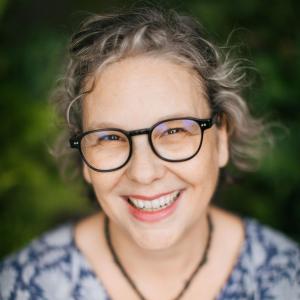
Annie Caulfield is a Brisbane-based death care practitioner and the founder of Grassroots Deathcare, supporting families to reconnect with death as a more personal, meaningful, and community-led experience.
Drawn to this work through her own lived experiences of loss — including the deaths of both her parents — Annie is part of a growing movement reshaping how we approach end of life.
After a profoundly healing experience following her mother’s death, she felt called to help others navigate this time with greater choice, confidence, and care.
Annie’s approach centres on empowering individuals and families to be more involved in the dying process, including at-home care and personalised funeral rituals.
She is passionate about co-creating ceremonies that are not only beautiful, but deeply healing for those left behind.
Her training includes Deathwalker training with Zenith Virago, end-of-life doula programs.
She is also an End-of-life Compassionate Companion volunteer, sitting with people in their final days so that no one dies alone.
Through both practical support and creative expression, Annie is helping to bring death back into the hands of families and communities.
Summary
What you’ll hear in this episode:
- How Annie’s experience of losing her mum shaped her path into death care
- Why death has become “outsourced” and what that means for families
- What it actually looks like to care for someone dying at home
- The role of a death doula and when to engage one
- Why conversations about death are the most important preparation we can do
Transcript
[00:00:00] Annie: if I was to do it again, I would do things quite differently. I would bring her home and have her with us at home. In those last days because they really weren't doing anything for her. Other than, you know, she had oxygen in her nose prongs. But other than that, she wasn't really on machines or anything like that. So we could have handled it at home. And if it had happened now, I definitely would've done that. Catherine: Welcome to Don't Be Caught Dead, a podcast encouraging open conversations about dying and the death of a loved one. I'm your host, Catherine Ashton, f ... Read More
[00:00:00]
Annie: if I was to do it again, I would do things quite differently. I would bring her home and have her with us at home. In those last days because they really weren't doing anything for her. Other than, you know, she had oxygen in her nose prongs. But other than that, she wasn't really on machines or anything like that. So we could have handled it at home. And if it had happened now, I definitely would've done that.
Catherine: Welcome to Don't Be Caught Dead, a podcast encouraging open conversations about dying and the death of a loved one. I'm your host, Catherine Ashton, founder of Critical Info, and I'm helping to bring your stories of death back to life because while you may not be ready to die, at least you can be prepared.
Don't be caught dead. Acknowledges the lands of the Kulin nations and [00:01:00] recognizes their connection to land, sea, and community. We pay our respects to their elders past, present, and emerging, and extend that respect to all Aboriginal and Torres Strait Islander and First Nation peoples around the globe.
Catherine: Today I'm speaking with Annie Caulfield. Annie is a Brisbane based death care practitioner and the founder of Grassroots Death Care, supporting families to reconnect with death as a more personal, meaningful, and community-led experience Drawn to this work through her own lived experience of loss, including the deaths of both her parents. Annie is part of a growing movement, reshaping how we approach end of life. After a profoundly healing experience following her mother's death, she felt called to help others navigate this time with greater choice, confidence, and care.
Annie's approach centers [00:02:00] on empowering individuals and families to be more involved in the dying process, including at home care and personalized funeral rights. She is passionate about co-creating ceremonies that are not only beautiful, but deeply healing for those left behind. Her training includes Death Walker training with Zenith Virago end of life doula programs, and she's also an end of life compassionate companion volunteer, sitting with people in their final days so that no one dies alone.
Through both practical support and creative expression, Annie is helping to bring death back into the hands of family and communities. Thank you so much for being with us, Annie.
Annie: Thank you Catherine. It's very good to be here. I'm very excited.
Catherine: Now I am pretty happy we're having this chat because it has been a few years in the making. [00:03:00] I remember when you were doing a performance piece a few years ago and reached out to me and the timing's never worked. Right.
But you have something exciting going on in your home state of Queensland at the moment that we will, we'll chat through very shortly, but perhaps let's start with what is grassroots Death Care?
Annie: So, grassroots death care is my business. And I guess it's me in my attempt to work with families and work with the community to bring death back to the people. I think that's, it's, it's been outsourced for so long. You know, the last 150 years or so has really changed in the way we handle death. So it's my attempt to open conversations, support families, support communities to take care of their dead. and. I think it's about education as well. It's about telling people what their options are, because I [00:04:00] think many, many people don't know what their options are, and they think there's one way to do it, when in fact there are many, many ways to do death and dying and funerals and memorials.
Catherine: And can you just give a, a bit of an oversight for someone who may not be familiar with sort of what that sort of last 150 years looks like and how those changes have led to now what your you know, part of with, with bringing community back into, you know, and family led funerals. So if you can just explain that, that'd be great.
Annie: So I guess over the last 150 years, the care of our dead has been outsourced. It's been given to funeral directors and we've lost. The sense of control over our own, our own person, our own people, our own community. So it's been hidden. It's become hidden in society where we don't see it as we used to.
We don't [00:05:00] see people dying as much. It's very medical medicalized, and it's not in our faces as much as it used to be. So we've lost touch with that, and I think we've lost the ability to talk about it and really feel into it and to decide what it is we want. When, when are thinking about our own death or the death of our family members and community members.
Catherine: And we mentioned in the intro that you have had your own lived experience in relation to death, and that's of both your parents, but specifically about your mother's death. Can you talk a little bit about that and the impact that that had had?
Annie: Mm. Yeah, that was shocking. It was back in 2007 and my mom was visiting me from Melbourne. My, I grew up in Melbourne. My family were all in Melbourne and she was visiting me in Brisbane and [00:06:00] she just collapsed one day and it turned out she had a massive hemorrhage and she wasn't coming back from that. So it was very shocking and traumatic. So all my siblings jumped on the plane. They came up. So there was, you know, 10 of us around the bedside. Of my mom while she was in her last, you know, hours. It turned out to be a couple of days where she was on life support and. We knew she wasn't coming back. We knew that that was also a perfect way for her to go out because she would have hated to have just had that slow decline that often happens in older age.
So I think for her it was great. She didn't know anything about it basically. And for my family and I, we all came together and it was just a beautiful time in my memory [00:07:00] that we were telling stories about her and funny things she'd done. We had lots of laughs, we had lots of discussions about what we should do, whether, you know, she was interstate, so should we take her back? To be cremated in Melbourne or should we cremate her in Brisbane and then take her back. We ended up taking her back in a, in a bag, in a carry on bag in the, on the plane. So, which was, you know, in itself we thought that was pretty cool. And yeah, it was terribly sad. It was, yeah, it was very traumatic in that it, it happened so quickly and on my watch in a way it felt like, you know, it was, you know, I'd done something.
I, I was looking after her and, and it all went wrong. But, you know, that was just my own, my own bits of guilt happening there. But it was, it was just a lovely time for our family to come [00:08:00] together and I think it made me realize that we were all kind of on the same page. We're all quite practical people, pragmatic.
So we all sort of. Decided to do the most practical thing in the end. But we were all there. I wasn't there at the time. She actually took her last breath because we'd started taking turns and, and I was back at home, so I got the call. But yeah, it was, it was just a moment that left a big hole in my life. It left a massive hole. So it took a long time for me to actually uh, not think about her every single day. But yeah, it's been 18 years now, so, you know, it's a, it's a long time, 19 years. Wow. So yeah, it was instrumental, I think, in me starting this journey into death care and wanting people to have a good experience.
Even though their person was dying, their person is dying. [00:09:00] are ways that it can be done to give a lot of support and a lot of healing for those who are left behind.
Catherine: And you think back to that time. Was there anything that you found that was lacking when you look at it in hindsight from your experience or the support that you received at that time you, in hindsight, would've liked to have had more support from?
Annie: Mm. At the time I thought it was pretty good, like the care that we were given was good, and we were just in the back of emergency, so we weren't in a room by ourselves. We were in a room of four people, I think. So it wasn't that privacy. So if I was to do it again, I would do things quite differently. I would bring her home and have her with us at home. In those last days because they really weren't doing anything for her. Other than, you know, she had oxygen in her nose prongs. [00:10:00] But other than that, she wasn't really on machines or anything like that. So we could have handled it at home. And if it had happened now, I definitely would've done that. And had everybody at my place, and I think that would've been really lovely. But, you know, having said all of that, I didn't know that at the time. I didn't know that was an option. So I think that's, that's part of why I do what I do too, that people don't know what they're able to do and what, what's allowed. And, you know, what, control they can take. what participation they can have in somebody's death.
Catherine: if you are thinking about the, the scenario with your, what, what happened with your mom, what would you do differently this time round? So you've mentioned that you would possibly bring her home, but what sort of questions would you ask? Because I think that that's the thing that people don't, you know, it's that classic thing of what you were saying just when you were referring to your mum's experience that you didn't know what your options were.
So if you had to sort of look [00:11:00] at the choices that you made back then, sometimes it's really helpful for our listeners to have an example about how you would do things differently this time round. What questions would you ask, what would be the way in which you would advocate differently now? To what you did then, given the fact that you just didn't have the knowledge at that stage.
Annie: Yeah. And, you know, I don't know if there were people around at the time doing the end of life doula role, and if that was really a thing. But, you know, if I'd have known or I would've asked, is there anyone to support us in bringing her home? I would've asked, is there any reason we can't take her home? You know, if we've got a team of 10 family members who are willing to look after her, is, you know, what do we need to know to bring her home? What medicine do we need? What, you know, do we need a special bed? You know, all those things that. that perhaps we could have asked, [00:12:00] and you know, I, I don't know if they would've said yes at the time, but in Australia it didn't seem to be the thing to do back then.
Catherine: And that's the beauty of hindsight though, isn't it? And then the fact that it's, it's that lived experience that that generally sort of makes us question those moments and then. You know, improve our own knowledge moving forward. So thanks for sort of giving that insight because as you said, that one thing that's, sticks out that there was 10 of you that were there.
And it, it's a almost a vigil that you are, you are holding and, and the fact that it did go on for days, and that's the, the uncertainty when you're in that situation. I know that when we've been in that situation with loved ones, you don't know when the moment's going to be. You can see certain signs as, as you can see them declining and, and actively dying.
But you never know when that's gonna happen. And at the same time, you still have to try and take care of yourself as well. [00:13:00] So
what have you seen when there has been the cases now that you know what you do and you know, you know what you know and that the work that you're doing, where have you seen it?
Where has it has worked? Well when, when someone has brought their loved one home.
Annie: mm I did have a, a woman who was being cared for by palliative care in her home. So they would come to her daily and give her the medicine that she needed. She was suffering with cancer at the time and her wish was to stay at home and to. Not even go to the mortuary. She didn't wanna, after she died, she didn't wanna go to the mortuary.
She wanted to go straight to her burial, which, you know, we helped. So I was working with her as, as a death doula and also as a funeral director. So I was sort of helping the whole journey, which was one of the things I loved about that experience. So the family were there, there was [00:14:00] three three or four family members that were there with her the entire time. And they felt supported enough to be able to look after her in those last days with the help of palliative care. So, and then after she had died, they kept her at home for five days. In the end. It was incredibly healing for them to have her at home. So I helped with, you know, managing the equipment that they would need, so to keep her cool for those days before the burial and to support them in caring for her At that time we also brought the coffin to their house so that they could sit around with the family and decorate it together.
It was one of the cardboard coffins. So they spent a day doing that together with the children, with all the, all the siblings, and it was so beautiful for them. And in the end, we ended up having to take her out just because [00:15:00] the burial couldn't happen quickly enough. And, you know, we didn't quite get what we wanted, but, and, and I helped nav help the family navigate that, just saying, you know, I think it might be time that we have to take her out of here because. You never know how long someone's gonna last being at home before it starts to get, know, uncomfortable. You know, there might be a smell, there might be different things happening and changes in the body. So, but they were very appreciative of just me walking them through every step and helping them to make decisions at each stage to say, you know, and to say, would you feel better if we actually make a time and a day that we are gonna take her? And, you know, things like that where they felt that they still had control and they still had the decision making power. But they were taking my advice on how, you know, how this can be done beautifully. But I know that they were so, grateful to have been able to do [00:16:00] that for their mom. And it was just, it was one of the best experiences that I've been involved with. Yeah, it was beautiful.
Catherine: And that's the, quite the transition that you've described, Annie, from your experience of 19 years ago with your mom and being responsive to the situation you found yourself in to then you know, where you are actually leading and supporting a family in their decision making within the home. How on earth did you get through that sort of stage, you know, what have you done in those 19 years for, for such a transition?
Talk us through
it.
Annie: Oh, it's, it's interesting 'cause it wasn't when my mom died, it wasn't a moment where I thought, I'm going to do this work. It, it took a while. It took a long time actually for me to discover that this was the thing I wanted to do. There were different little things that popped up here and there that I was. Ah, that's about death. That's interesting. I might, I might go and look at that. And, [00:17:00] and, in the end, I I joined the Threshold Choir for a little while where, I don't know if you know about them, but they sing at the bedside of people who are dying or near the end of, end of their life, Their, which was beautiful and just little things kept popping up. And then I found Zenith Farrago, and that's when I did her Death Walker training. And that was when I walked out of that training and just thought, this is what I'm meant to do. This is what I'm going to do. And so there was a moment that I really, that really changed things.
So that was about five, five years ago now. And since then, I've just kept trying to learn. I'm learning all the time. And I'm learning from people who have done this for a long time and people who. Even who I knew, like I learned something from everybody and from the families, of course, from the community themselves. And I'm not always, like, I don't always feel confident when I go into a situation [00:18:00] like that, but I know that they know less than me. They don't, they don't know about what they can and can't do. I do. 'cause I've, I've made it a point to learn those things.
Catherine: And take us back to that moment when you're talking about the training that you did with Zenith, and you mentioned that there was a moment that you went, aha, this is what I'm gonna do. Can you talk us through that?
Annie: Well, I dunno that it was a moment. I think it was the whole course was the moment.
It was a three day course and I knew just, just by the way, Zenif did her training, I think. It really spoke to me and I thought, oh, I can do that. I can do that, and I want to do that. That's where I need to be. So it wasn't a moment as such, but it was the entire course.
And as I walked out of that course at the end of the third day I knew that that was where I was headed,
Catherine: And tell me, what were you when you, your mum passed away. what was your career at [00:19:00] that point?
Annie: Huh? I was a bookkeeper, so I was a numbers girl, which is really odd because
Catherine: Well, you did a you were practical. You did say you were practical earlier, so you know.
Annie: I'm, I'm an organized person, I'm a numbers girl. But yeah, so it was very starkly different to what I was doing. Yeah, it's interesting, isn't it? I sort of always laugh when I, when I get asked that question. But I still, I still do a little bit of that on the side. But, it's, and I tried actually, when I started doing this work, I did keep, continue with my full-time job with the bookkeeping while I was doing the death work on the side. And then a couple of years back, I, I gave that away. And yeah, so here I am doing the death work on a sort of full-time basis.
Catherine: And tell me where does the artistic approach come in? Because as I mentioned, you know, you, you were talking about a performative piece when, when you first reached out to me, and now you are involved in [00:20:00] programming for an accompany exhibition in, in Queensland. So where does, and, and can I just say listeners if you have an opportunity, you've gotta check out how amazing Annie's top is online.
It's very beautiful. It's, it's very botanical. So I, you can imagine how much I love it. And her ring, I've been admiring as she's been talking, which is very stunning as well. So, very, very green and, and earthy and botanical. so how, how does the, the artistic side come in from an accounting background?
Annie: Yeah. Well, I think that's interesting, isn't it? I think I grew up being a bit of a performer, and so don't, I think I fell into the, the numbers thing because my father was an accountant and so there was that side of things
in me already, and I was good at maths, and so I thought, oh, that's easy enough, I'll go do that. But it was never a passion. So I always loved performing. I always loved singing [00:21:00] and, you know, did musicals growing up and, and after, you know, at university I was doing, you know, musical theater and having a great time. I loved it so much. And so I think, and then in, in the last, you know, five or six years. I've been working with people who are creatives and are making and doing things like exploring that creativity in lots of different ways. So, you know, I started watercolor painting. I started performance art. I did a few things like that, and I just love it. Every time I see something that's art, I, I think, oh, I could do that. So then I might go and do it. I've got loads of ideas. And yeah, the theater show that I did last year, it was called Theater of the Last Breath. So I brought my, my love of the death work and my love of theater together. So with a dear friend of mine, Mira, we [00:22:00] created Theater of the Last Breath. So it was a performance where it was, it was like going to your own funeral. And participants were invited to join in in certain things throughout the show. There was also a lot of factual information that was given throughout via song or via, you know, different methods. So it was quite fun in a lot of ways, but also quite serious and confronting because part of it was about my death and I was acting as celebrant for my own death. And so I had to create a slideshow for myself as if it was my funeral.
And yeah, and then I had some friends who spoke about me as if they were speaking at my funeral. That was the most confronting because I, I, it was very hard to listen to what they were saying. But the overall experience [00:23:00] was fantastic.
And. At the end of each each show we had people stayed for, you know, refreshments and we also had a big, a big before I die wall, so people were invited to write something on the Before I die wall as well. So, and also experience lying in a coffin if they wish to. So it was lots of immersion which is just another way to get conversations happening really because there's, there's things like death, cafes where people might go to a cafe and talk about anything, death or dying, and I just thought, let's just find some other ways for people to be involved in conversations around end of life, death and dying mortality and living.
Because I know that it's, it really sparked in me the idea that, wow, you know, I'm over 50 and I need to start. Living more because it's not [00:24:00] gonna be forever. So, you know, that's one of the, one of the benefits that came out of me delving into all this is that, you know, I wanted to, you know, live better, live a better life, a more fulfilled life.
So, yeah. And I also have another event coming up actually that is an experiential thing again, where people will be invited to write a eulogy for themselves or write a letter to a loved one for after they die where, and also they have an experience of lying in a coffin and meditating on their own death. So I'm working with a fellow, a couple of fellow death workers on that one. And that's coming up in July. So that will be fun as well. Well fun. Maybe fun's not the word, but it'll be fun for me to organize and, and put it on. But yeah, it'll be deep, I think for those who come along.
Catherine: I have so many questions. I will. I will start with [00:25:00] with the fact that you created a performance where you put yourself voluntarily into a very uncomfortable position whereby you were listening to your loved ones, talk about their reflections on you.
How was that to go through that experience?
Annie: I did not even consider that that would be difficult for me. I didn't even think where before suggesting that we do it. I, I hadn't thought that it might be hard, but I, the moment that they, they started speaking and. I had friends in the audience who were crying, you know, because it was about me. And, And, it was, I just had to walk away and, and not sort of not be present for that bit because it was really hard. It was harder than I ever imagined because I don't feel like I'm, I'm not an overly emotional person. so yeah, I, I was, I was [00:26:00] surprised at how difficult that bit was. Mm. But my friends, even doing it was, a challenge for them, you know, they found that a challenging thing to do and they talked off the cuff.
They didn't prepare something in advance. They just sort of spoke from the heart. Each time we did the performance, it was different, slightly different, but it was, it was tough for them as well. So it was really interesting process.
Catherine: And how long was the season? How many shows did you have in the,
Annie: It was only three. It was only three. It was part of a festival that we have up in Brisbane called Anywhere Festival. And, but you know, there was the idea that perhaps we'll do it again and go different places and, and tour it, you know, who knows what will happen.
Catherine: And what, for you listening, what do you think was the most surprising thing, or what was your emotions that you were feeling as you were, you were hearing them respond to your death.
Annie: I think [00:27:00] just, just the, how, how awesome they thought I was. It was really, it was so touching and a lot, it was a lot to hear that. Because I'm someone who has a fair bit of bit of a big self, self critic going on. So it was really touching to hear and difficult to hear. Yeah, it was tough.
Catherine: And how has that experience for yourself and your friends that were part of that performance, how has that, has it cha Well, I should ask, has it changed your relationship now that you know the depth of their feelings about you and how they view you? 'cause no one really gets that opportunity to really,
really actually understand and, and have their.
If their friends talk about them until they are dead and then you
Annie: yes, [00:28:00] exactly.
Catherine: hear it.
you know?
Annie: True, true. Look, I don't know that it's changed. My relationships or, or changed anything really between us because they were already, you know, my closest people and, but maybe it's, it's probably quietened my critic, my inner critic perhaps a little bit. And it's just a nice sort of confirmation of that we are close, we are, we care, care for each other and you know, there's a lot of love there.
Catherine: Would you recommend that we should all do something like this?
Annie: Whew. Yeah. Yes, I do. I mean, and I think, I mean, it's a challenging thing to do and it's sort of not something that we are given opportunities to do. Unless we just suddenly think, let's just write our own eulogy or get our friends to say nice things about us. But I [00:29:00] joke about, you know, having a, a living wake, but then, you know, I don't know when I'm gonna die, so maybe I just have to do that every time I have a birthday.
I'll just get people round and you'll say nice things about me. So I kind of joke about that, but it is a, it's a thing, you know, I think that would be amazing for people to be doing on a, on a regular, semi-regular basis. 'cause none of us know when, when we're gonna die, so why not?
Catherine: well, I have to say, you know, after my car accident, you know, like you, you really make sure that you, when you say goodbye. You know, even when you're going off to work and you think it's gonna be a normal day, like you, you say goodbye and you pay attention because you just never know. Do you,
Annie: No, no, you don't. Absolutely not. Could be the last time. Hey,
Catherine: and tell me what is it like lying in a coffin?
Annie: it feels a bit claustrophobic, really. But I guess when you're dead, you're not gonna worry about that. [00:30:00] I think though, it does just, it just gives you a moment to pause. I think that's the thing. You pause and actually go, wow, what would it be like when I'm dead? And it's more about, you know, am I, am I living the life that I wanna be living?
Really? I think that's what it does. It makes you sort of contemplate the life you live. And how, how, your life is impacting on others as well and, and your family and how they might feel once you die. You know, it just brings up all of those emotions, all of those questions. So it's a really interesting thing to do, I think, and I would recommend it to everybody if you can.
Catherine: And tell me. the fact that, um, you know, it, it is a matter of when, it's not a matter of if people just, just a reminder. It's the only guarantee that we've got in life, and what should we do to prepare? Like, what, is there something we can do? What, based on your experience, [00:31:00] what is, is there something that we can do now that, that helps it make easier?
Annie: Oh, absolutely. There's things we can do. There's, there's tiny things like
just having a little conversation. Like if you were to. If you went to a friend's funeral, for example, and then, you know, you were with a family member or friends, that's a good place to start a conversation. You know, what would or after that, you know, what, what would we wanna do?
What would I wanna do? Have a think about those things. There's conversations are the biggest thing. I think having conversations with the friends and family and the community who is going to be there when you do eventually die and telling them what, what it is you'd like. But having said that, you probably need to know your options a bit more.
So, you know, things like going along to a death cafe, there's lots of them around. If you search death Cafe, you will find lots of death cafes around Australia and go along to one and [00:32:00] just see what it's like. You don't have to say anything. You can just go and listen if you are not comfortable, but it might just be a good place to start. Because people think there's not many opportunities to have these kinds of conversations. So when you see one, when you find one, or if you're looking for one, they're out there. So have those conversations Yeah. And then write them down. That's, that's another thing. But, you know, and, and have them recorded.
Catherine: So Annie, you've mentioned a few times that a funeral celebrant, so in amongst everything you've become a funeral celebrant as well.
Tell I have.
Annie: I think it just became a natural part of the process of, of working with people from them being well all the way through to a funeral. So I did a course called The Funeral Fix, and, after that I was like, okay, I can do this. And I think there's a, it's not [00:33:00] really a fear for me of, of getting up in public and speaking, being a bit of a performer myself. But what I really love is hearing the stories of the people, of the families and the, the person's life and finding out all about that. And then being able to craft it into some sort of a ceremony together with them. Like, I love it when we can do it together with the family and get their ideas and input into it. And even better, I love it when a family member wants to do it themselves. When they wanna be the celebrant and they want, well they call it an mc often. They just say, yeah, all mc. So, you know,
I love I love being celebrant, but I love when family also step up and say, actually no, I'm gonna do that. I will do that.
Catherine: That is, That is, such a good little point that you made though, because people might be intimidated by taking on the role of what a celebrant is, but the fact that you just actually phrased it as an mc, that's is, you know, you've been asked to mc at [00:34:00] weddings and things like that. Like that's a request that people are comfortable and used to.
Annie: Yes. Exactly. Exactly. And often, you know, as a celebrant. It can be a lot like being an mc because I'm, you know, saying some words and, and telling a little bit of story, but then the family are the ones who get up and say the eulogies and different memories of the person. So often it is just, you know, introducing people and managing the space and, and the time and so yeah, it can be, it can kind of be like an MC
Catherine: Oh, that's great. 'cause I, I, I feel that that makes it a little bit more relatable using that term and, and a little less scary for, for family involvement. And tell me, with um, being a, death care worker when should a family engage you at what stage?
Annie: Mm, that's a good question. There's so many opportunities to engage somebody who's a [00:35:00] death care worker. It could be just when you're initial, initially trying to plan some things or to find out your options with things like if someone has a diagnosis, that might be a time when, if they have a terminal diagnosis, they might want to engage somebody just to talk through the process and the, you know, the options that they have. Obviously, I'm not medical, so I, I can't do the medical side of things. So there's that, that side of it. But then the non-medical is what I would be doing. So it could be at time of diagnosis, it could be when someone's near the end. And often that's when I hear from people and they say, we need a bit of support here. We need to know our options and we need to organize a funeral. Like, so they're often told, well, you better get your funeral organized. You know, you need to know who your funeral director is. So that's a time when I might get called in as well, but I think it's whenever they feel they're needing support in, [00:36:00] in this process, in this end of life process, because there's so many steps along the way that I think anywhere along that timeframe you could call in someone like me. And I think many people don't know that we exist. You know, we're not so visible in the wor in the community that people know, you know, my goal is to be. The person in my community that people know to call if, if they need to have these discussions. And it could just be I meet with them once and we have a chat about what happens and what's the process and how I could have, could support them. And then they might say, actually no, we, we, we can do this ourselves. And that's fine. I'm happy with that. Just knowing that we are here, people like me are here to support them and walk alongside them. You know, we can be as involved or as just guiding as they need. And I think that's the important thing that people know that we [00:37:00] exist.
Catherine: And do you also offer support services when people are actually getting their planning together to advise 'em what might be a, a good thing to, to gather? Us in Oh yeah, yeah, A little bit of that. Yes, absolutely. And you know, getting people, telling people what information they will need when somebody dies that sort of thing. And I know there's a lot of tools out there that do offer that sort of thing. So sometimes it might just be referring people to a tool that already exists. But, you know, I have lists of things that I can give people that say, these are the types of things you need to gather. This is the sort of information we need. we will need obviously 'cause there's things that, you know, many people don't know, like, what was your father's occupation? Like, your grandfather's occupation.
Annie: And most people dunno that, or a lot of people don't. So, you know, there is information that people will need eventually. And it's great if they can gather it all together and have it in a place where people know [00:38:00] that this information is stored.
Catherine: and that information, that specific question, it relates to the death certificate, doesn't it?
Annie: It does. Yes. So there's certain information you need on the death certificate. And so, and that is, you know, the person who died, their parents. We need to know their full names and we need to know their occupations. Which, you know, is something that, you know, I would, I don't need think I know my grandparents' information like that.
I don't know it,
they're not around, but you
know, they're, I wouldn't have known it at the time.
Catherine: And I think the thing that struck us when Roland died was also the list of residences that previous residences and, and that was like you had to at least provide 10 years and
that was really extensive. Yeah. On one of the paperwork. And it it may not have been the death certificate, but it may have been the life insurance claim or
the superannuation [00:39:00] claim. So the, the. Unbelievable detail that is required when you're not thinking straight is crazy.
Annie: Yes, exactly. And so that's, you know, another reason it's, it's so good to have done that stuff and gathered that info beforehand because when you're in, in shock or grief or distress, it's so, it's twice as hard to get all of that information together. Your brain's not really working at that point, you know, and, you know, you don't wanna be focusing on that stuff either. You know, I find it hard to ask people about that sometimes, because I know they're in a world of hurt and, and then I'm going in and asking all these questions that seem really banal and, you know, it's like, just don't wanna think about that. So yeah, doing it in advance is a, a great idea. Not many people do it, but I would recommend it.
Catherine: And you refer to you [00:40:00] being the member within your community. Can you tell us a little bit about the Compassionate Companion Volunteering Program that you've done?
Annie: Oh, okay. Yeah, so that's at a hospital and the, they have developed a program where if they have somebody in their hospital who is dying and they don't have family around, they, we have a roster of people who go in and sit for four hours at a time. And we just sit with the person. We just sit. They may be unconscious most of the time they are. And it's just, it's just so that they're not alone. And you know, and it might just be because the family are exhausted and they need to go and have a break. So we might go in and sit for four hours, or it might be that they're coming from interstate. And so they're not there yet, so we might sit. So it's a really, it's, it feels like an honor actually to be there at that time. I haven't been there [00:41:00] when somebody has died, but I've been there a few times when, you know, they're, they're getting close. So it's, it's just a brilliant thing that they've created, I think just so that the option is there that, you know, people can be sat with and they don't have to be alone. Oftentimes, though, you walk out of the room and they die while you're outside. But that sometimes happens anecdotally, I don't know about, you know, what's, what the stats are on that, but I know that it's been told many times that people, you know, you're with them for hours and hours and hours. You walk out of the room and then they die while you're out the room outside the room. So, yeah, that can happen too. It's a real, a real honor and a privilege to be part of that. Yeah, it's a really nice program and I hope more places do it because I don't know of any others around here that, that actually offer that.
Catherine: That's really beautiful. It reminds [00:42:00] me of my son's 22, so we're going back quite a, a few years, but I know of a program that they were doing at the Royal Women's Hospital where you could volunteer to go and cuddle the babies when big for, for various circumstances that the family couldn't be involved whether it would be through their own health or recovery or whatever.
Exactly. The sort of scenarios you were just outlining. So it's so nice to know that at the other end of the spectrum that's happening, like that's a really beautiful program.
Annie: It is, it's really lovely. And I, I, yeah, I wish it would be in more places because I think also we are more isolated from our families more than ever these days. So, and we are having smaller families, so they're not, it's not as easy for people to sit bedside with, with somebody 24 7 in the last few days of life.
So, yeah, it's, it's just a really important thing that I think would be great to roll out in other places. [00:43:00] Yeah.
Catherine: And I suppose again, it comes back to, you know what the role of this conversation is now is, is letting people know what programs are available so they can also ask the questions of if they are in a situation and they find a loved one and they can't get to them straight away. Is there a program that is offered that is similar to this?
Because otherwise people don't know about it.
Annie: That's right. Yeah. And it's only up to the, the nurses in the ward to know, oh, we can offer this. So, it's not well known at all. So it would be great for, you know, other hospitals and other places to be able to do that as well. And nursing homes, aged care residences.
Catherine: And what also some people may not be aware of. And, and how much interaction do you have with the social worker team associated with hospitals and, and you've mentioned the palliative care team, which are an integral role when [00:44:00] we do know that someone is actively dying or has been diagnosed with a life limiting illness.
But the other, other roles such as social workers, what are the other organizations that people can perhaps ask that they need support from in addition to inquiring whether there's a, a doula working in that area, in that space?
Annie: I know there's some organizations do sort of hospice in the home where they'll come to your home. There's, there's a couple around Brisbane that do that. And they offer all sorts of support. It could be spiritual, it could be practical support. They can also offer medical, assistance and things like that. And social workers at hospitals are a great resource. They're very, very clued into what's going on and what services can be arranged. So, you know, me having a relationships with social workers is a good thing, you know, because then they might think of, you know, calling someone like me to support one of their [00:45:00] patients.
Catherine: And how do you, do you Google like death care worker? Like how do you get in contact and know what doulas are working in, in the, the space that you are in and the location?
Annie: Hmm. There's a number of directories
that they, that are about there's a death doula directly or an end of life doula directory. But you can just Google it. Yes, you can Google death doula, end of life, doula, death care worker, those sorts of things. And you will find people in your area who are doing it.
There are a lot of doulas who have, become trained doing, doing the training courses that are out there. But I think they're being underutilized. They're not, again, it's, I think the society or the community don't know that people are doing this work. I think that's a big part of it, that they're not sure.
So, but if someone wanted to find one, yeah, Google. Absolutely.
If you Googled it, you would find someone like me.
Catherine: And what are the sort of questions that a [00:46:00] family should be asking of a doula? Like to, like, do they, do they need to, you know, vet them? Is there any particular qualification, like what is the process to, for someone to actually engage a doula, what do you think are the important qualities?
Annie: I think the qualities are a willingness to support however is needed. You would be asking things. I mean, you would wanna know they're local, they're, they're kind of nearby, being able to come to see you whenever you need and ask about what trainings they have done because there is a one cert four that you can do for end of life doula work, but many, most people have not done that.
It's fairly new. So, anyone who's done zenith's training and there's other
groups that do training. Denise Love preparing the way a few others. And I think, you know, you just want someone who's gonna fit with you as well. You, I think having a meeting is a [00:47:00] really important thing because you can tell pretty quickly if you're going to, if you're going to work, be able to work with this person. So often it's about the fit, the personality fit because yeah, I know that I'm not everyone's cup of tea and that's okay because there's other people who will, will suit that person better than I might. So I think my friend has a saying you know, I may not be everyone's cup of tea, but I will be somebody's essential brew.
And I
thought, oh, that's really nice. I like,
Catherine: Yeah. Yeah.
Annie: That's essential. Yeah.
Catherine: I love that. I love that. That's fantastic. So tell me a little bit more about the exhibition dearly departed and your having a program as part of that. Talk us through that, Annie.
Annie: Mm. So the State Library of Queensland is currently has an exhibition called Dearly [00:48:00] Departed, and they're just, they've gathered a lot of their collection and other artifacts and, and things like that, and they've got made it into an exhibition which is fantastic. When I went to it, it was, it was great. and I think it's, the goal of it is to open conversations to see where we've been with death care and funerals and that sort of thing in Queensland particularly, but it's kind of worth what, you know, Australia wide, I suppose. And There's some beautiful things there to look at and some experiential things, which obviously are my favorite.
Things where you can actually participate in, you know, writing a letter to somebody or who's died or there's a, a disco, like a death disco. I can't remember the name of it, but it was really
funny. It's not like it, yeah, I, I can't remember what it, what it's like, but it's, it was fun. But I'm part of a panel discussion that's happening and the conversation is [00:49:00] called a Good Death. And so just discussing that about, you know, what is a good death? Is this such a thing? Is it just totally unique to the person? Can we define it? All of those kinds of things. So it's gonna be a really interesting discussion that that happens. And yeah.
Catherine: that is a very interesting topic because it's quite a controversial one, isn't it?
Annie: It is because, you know, a good death kind, it automatically implies there's a bad death. So, you know, what is a good death and what does it mean to die? Well, and I think, you know, my perspective is that it absolutely is unique to the person who's dying and to the family as well. You know, what they might consider to be a good death for their person. But it's, you know, it's affected by their culture, their religion, their spirituality, you know, what's important in their life, their values. So a lot of people think, well, is it [00:50:00] just not being in pain at the end, you know, or is it. Being at home, you know, lots of people say they want to die at home, but not many actually do.
There's various reasons for that, and some of it is not planning it, you know, if you actually want to do it, most times you can do it. It's just a matter of planning. But yeah, the, the topic of a good death, yeah, it's a really interesting question. And there's lots of, lots of nuance to it. interesting.
Catherine: And it's interesting that you say that a lot of people wanna die at home because even the New Age Care Act that was introduced last year in November, that supports that theory by providing funding for people who wish to die at home and have been, you know, in the last sort of couple of months of their life, that they can receive funding to provide them with tools and resources to do that.
So it is something that's been recognized even at a, a [00:51:00] national policy level,
that it
Annie: That's
right. Yeah. Yeah. And I think I just wanted to go off on a little bit of a tangent there
on, um, vol, voluntary assisted dying is really interesting. And, you know, people wanting to do that in an aged care residence and sometimes they're not allowed to because it's a religious, a religious place, a religious facility, but sometimes, and, and it, it is their home.
So why shouldn't they be allowed to do so in their home? I've assisted, I've, I've been with a few people who have abused voluntary assisted dying, and I just think it's an incredible thing that we have that we can offer people. That we couldn't in the past, and it's, um, yeah. Amazing.
Catherine: But again, it very much comes back to the knowledge of the questions to ask when you're actually planning to ensure that I. If [00:52:00] you are looking for a care facility or you are thinking that voluntary assisted dying might be a viable option for you, should you receive a life limiting illness or a diagnosis that you are looking and, and making that part of your, your process because it will have, even though it's, it's a legal option in most states of Australia it, it is, does come down to what your your options are in relation to the care facility that you choose.
And obviously there could be implications if you actually choose a, a care facility that does have a religious or spiritual affiliation that doesn't align with with that.
Annie: it's a good question. Yeah. And I know that the hospital where I do the end of life Compassionate Companion, they are a religious hospital. And so we've had that conversation about, you know, what, what if somebody wants to use voluntary assisted dying at your [00:53:00] facility, will you allow it? And, you know, their response is, you know, we don't want to really offer that, but we're not gonna kick someone out, you know, so there's, it's a tough one.
It is really a tricky one. They don't wanna really bring, they're not gonna bring it up, but if someone wants it, and that's where they're, they've been for a while, even they will allow it. So I think it's. Yeah, it's, it's just about having conversations really and
Catherine: Yeah.
Annie: those things.
Catherine: Yeah, totally. And, and again, you know, having those conversations before they become critical conversations so they can be, become part of those really early conversations that you're having when you're planning before it becomes a a crisis
Annie: Yeah. Exactly. Exactly. And you know, some people would never want to use voluntary assisted dying, so it's not a problem, not a concern for them. But you know, there's, there's many who would. So yeah, I think absolutely have those conversations [00:54:00] upfront.
Catherine: And Annie, what is your wishes for your death?
Annie: Oh, well, obviously at home. I think that's what most people want. And it's, yeah, it's interesting. I haven't really thought too much about. My death, but I had thought about my funeral and my, you know, my wishes after. But the death itself, you know, I feel like I'd want a view. I'd have to have a view. It'd need to be the ocean for sure. So I'd have to go somewhere that has a, an ocean view so that my last, you know, hours, days could be looking at that. Pain-free, obviously, who wants to be in pain but to have my favorite people there that would be the main thing. But as far as the funeral goes, I, I wanna have a living wake, as I mentioned before. So we'll have done that already. They can have something afterwards if they like. But and then, you know, my hope [00:55:00] is that by the time I die, we'll have human composting here in Australia, because that would be my pick. That would be my pick. I would love to be composted. And then given back to the family for the garden or, or donated somewhere that could really use the, the good soil.
Catherine: I love that. And I love the fact that you mentioned that earlier, that, that every single birthday will now be a living wake for you forevermore. I think that that's something given your experience of, of hearing your loved ones speak on stage about you, I think that's something that we should have an opportunity to create every, you know, birthday.
And yeah. and just lastly, Annie, what has, you know, being a death care worker taught you about how you live your life?
Annie: I think it's taught me that life is short, [00:56:00] life is short. So make the most of every moment you can. Don't waste it. It's not, it's not as if there's an urgency about it, but don't, you know, make opportunities to be with your friends and doing it with the family and doing the things you wanna do now, because, you know, you might not be here next week. So let's, let's do it now rather than wait.
Catherine: I love that. Annie, thank you so much for spending time with us today.
Annie: Uh, it's a pleasure, Catherine. Thank you very much for inviting me.
Catherine: We hope you enjoyed today's episode of Don't Be Caught Dead, brought to you by Critical Info. If you liked the episode, learn something new, or were touched by a story you heard, we'd love for you to let us know. Send us an email, even tell your friends, subscribe so you don't miss out on new episodes. If you can spare a few moments.
Please rate and review us as it helps other people to find the show. [00:57:00] Are you dying to know more? Stay up to date with. Don't be caught dead by signing up to our newsletter and follow us on social media Head to Don't Be Caught dead.com for more information and loads of resources.
Read Less
Resources
Connect with Annie Caulfield
Grassroots Deathcare & Funerals - https://grassrootsdeathcare.com.au/
- Make Death Admin Easy with The Critical Info Platform
A simple system to sort your personal paperwork for when your information becomes critical.
- My Loved One Has Died, What Do I Do Now?
Our guide, ‘My Loved One Has Died, What Do I Do Now?’ provides practical steps for the hours and days after a loved one's death. Purchase it here.
- Support Services
If you're feeling overwhelmed by grief, find support through our resources and bereavement services here.
- Support the 'Don’t Be Caught Dead' podcast with a one-off or regular donation to help Critical Info, a certified social enterprise, keep creating free, high-impact conversations about death, grief and planning—every contribution fuels our mission to reduce the burden on families and build a more death-literate, compassionate community. Donate now.


Share