


Post-Mortem: Tim Booth on the Unsung Professionals Who Work With Death



Listen now
About this episode
What do crime scene cleaners, morgue transporters and gravediggers know about death that the rest of us don't?
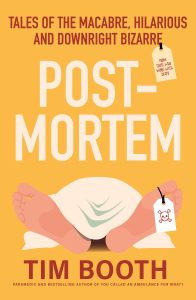
In this episode, I'm joined by Tim Booth, a paramedic of more than nine years and the bestselling author of You Called an Ambulance for What? and You Went to Emergency for What?. His latest book, Post-Mortem, steps outside his own frontline experience to profile around thirty professionals who work with death every day, from crime scene cleaners and organ procurement coordinators to gravediggers, funeral directors and combat medics.
Tim tells me how the idea for Post-Mortem came to him almost by accident, how he tracked down people whose jobs barely exist in the public imagination, and the common thread he found running through all of them: it isn't the bodies that are hard to deal with, it's the living. We also talk about the myths around CPR and defibrillators, the gray areas paramedics face when DNR paperwork goes missing, and why dark humour has become the coping mechanism of choice across the death care professions. Tim is honest about burnout, about what writing this book taught him about his own mortality, and about how becoming a father has started to change his thinking on planning ahead.
Remember; you may not be ready to die, but at least you can be prepared.
Take care,
Catherine
Show notes
Guest Bio
Paramedic & Author
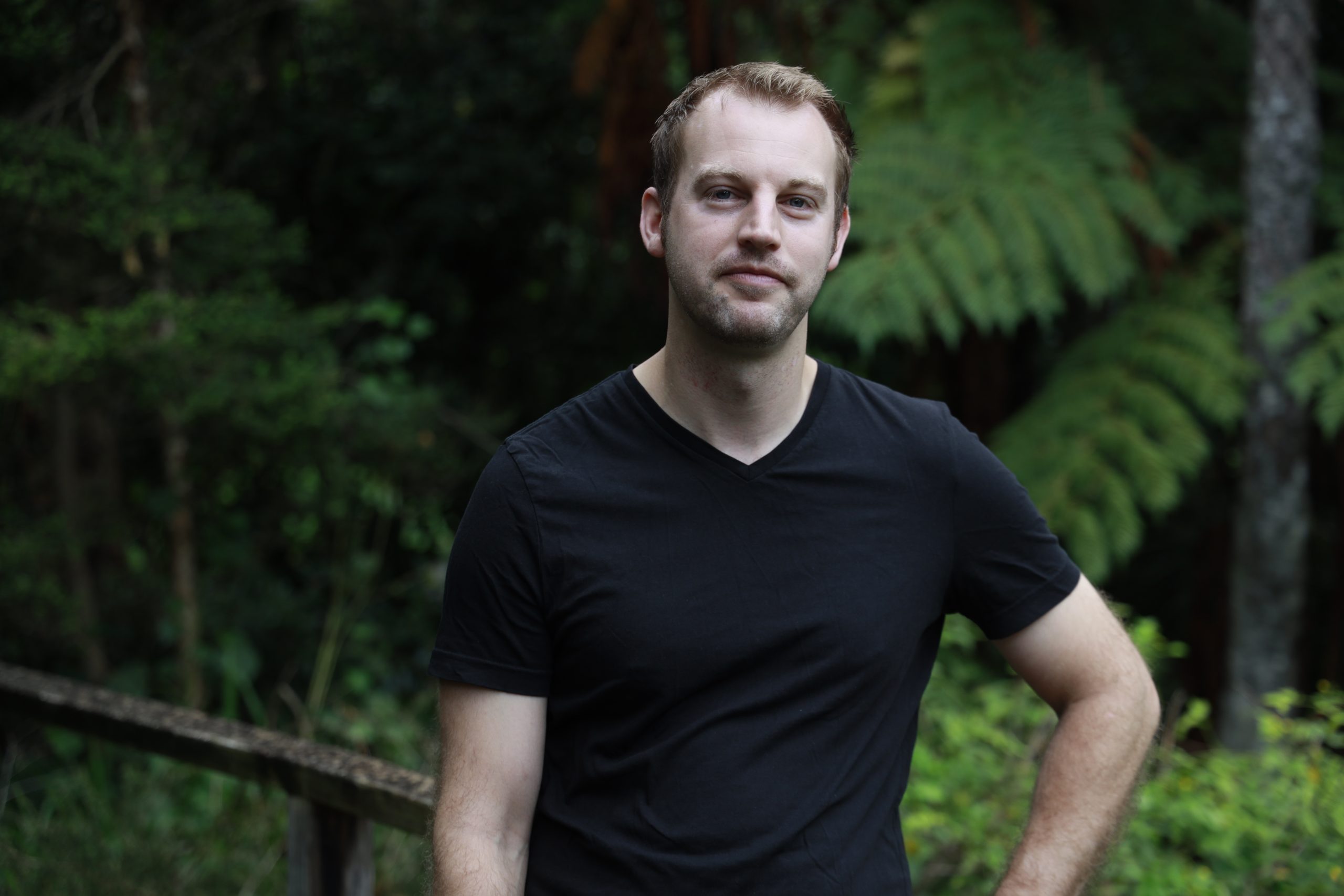
Tim Booth has been a paramedic for more than nine years, working in some of the most challenging environments on Australia's east coast. As an intensive care paramedic, he spent six years in south-west Sydney before moving to a coastal town for a more leisurely pace. Before healthcare, Tim was a motoring journalist for Top Gear Australia. His first two books, You Called an Ambulance for What? and You Went to Emergency for What?, exposed the chaotic worlds of paramedicine and the hospital ED. His latest, Post-Mortem, turns to the professionals who work with death every day, from crime scene cleaners to combat medics, blending dark humour with real poignancy.
Summary
What you'll hear in this episode:
- How Post-Mortem came about almost by accident, and why Tim went looking outside his own paramedic experience for this book
- How Tim tracked down around thirty professionals working in death care, from people he already knew on the job to a death row prison warden found through a Reddit thread
- The common thread Tim found across every profession he interviewed: it's rarely the bodies that are hard to deal with, it's the family
- Why morgue transporters became one of Tim's favourite stories to tell, and the physical and emotional demands of that work
- The myths around CPR, defibrillators and dramatic resuscitations, and what paramedics really see when the adrenaline is meant to kick in
- The gray area paramedics face when a DNR exists but the paperwork can't be found, and why Tim says death with dignity doesn't happen by accident
- Why dark humour shows up again and again as a coping mechanism, and how Tim tries to make Post-Mortem's subject matter accessible rather than heavy
- What burnout and exhaustion look like across both healthcare and death care professions
- The lesson Tim keeps coming back to: death doesn't happen to the person it happens to, it happens to everyone left behind
- How becoming a father has started to shift Tim's own thinking about planning ahead and not wanting to be a burden
Transcript
Main interview Tim Booth: [00:00:00] Episode Opening — CPR Cold Open Tim Booth: there's a saying, that, gets thrown around paramedics a lot of the time and that's that CPR often doesn't save lives, it just ruins deaths. Which in a lot of cases it does, which something that could have been dignified, and quiet and appropriate becomes absolute theater, of defibrillation and cannulas and IV medications and breathing tubes and all these sort of unnecessary things. Tim Booth: So yeah, that's, it's an important conversation, the DNR paperwork, but just as important is the, making it accessible, ... Read More
Main interview
Tim Booth: [00:00:00]
Episode Opening — CPR Cold Open
Tim Booth: there's a saying, that, gets thrown around paramedics a lot of the time and that's that CPR often doesn't save lives, it just ruins deaths. Which in a lot of cases it does, which something that could have been dignified, and quiet and appropriate becomes absolute theater, of defibrillation and cannulas and IV medications and breathing tubes and all these sort of unnecessary things.
Tim Booth: So yeah, that's, it's an important conversation, the DNR paperwork, but just as important is the, making it accessible, making sure it's available and, I guess planning for these situations. "Death with dignity doesn't happen by accident." And and in my experience, that's completely and utterly 100% true.
Tim Booth: death with dignity is something that needs to be planned out and thought out in advance. There's people involved, there's professionals, there may be morgue transporters, there might be the CSIs or the detectives that turn up on the scene, if anything untoward appears to have happened. And then there's a process afterwards. There's, you know, obviously a body will go to morticians or a funeral director or the [00:01:00] cemetery.
Tim Booth: so I thought, you know, "Wow, there's all these professions that work with death on sometimes a regular basis, sometimes semi-regular, sometimes literally every day." And so I thought, "I bet they've all got amazing stories, A, and B, I bet they've all got some really unique insights and philosophies,
Show Intro
Don't Be Caught Dead, the show bringing stories of death back to life. Here's your host, Catherine Ashton
Introducing Tim Booth
Catherine Ashton: Today I'm speaking with Tim Booth. Tim is a paramedic who has been working in the industry for over nine years in some of the most challenging environments on Australia's East Coast. As an intensive care paramedic, he spent six years in Southeast Sydney before moving to a coastal town for a more leisurely pace. Before healthcare, Tim was a motoring journalist for Top Gear Australia. His first two books, You Called an Ambulance For What? You Went to Emergency For What? exposed the [00:02:00] chaotic worlds of paramedicine and the hospital ED. His latest book, Postmortem, turns to the professionals who work with death every day, from crime scene cleaners to combat medics, blending dark humor with real poignancy. Thank you so much for being with us today, Tim
Tim Booth: Thank you for having me, Catherine. My pleasure
Catherine Ashton: So on earth do you get the idea that I'm gonna write a book?
How Postmortem Came to Be
Tim Booth: my first two books kind of came naturally because they were stories essentially about myself, and I kind of ran out of, of, all my good stories, about myself and my colleagues. So this one came to me sort of accidentally. It was very suddenly. It wasn't planned.
Tim Booth: I was actually looking to take a break and relax from writing for a while, and, I was, I was sort of staring at my bookshelf, looking at all my unread books and trying to pick out which one I was going to go for next. And I saw this book I had that I think my mum bought it for me. It was by... It was an autobiography of a forensic pathologist.
Tim Booth: And I thought, [00:03:00] "Wow, I bet..." First thing I thought was, "Wow, I bet he's got some amazing stories," which, I'm sure he did, but I never ended up reading the book because, unfortunately, it gave me an idea to write another book, and that's this book was born. And, then the very next thought I had after, "I bet he's got some great stories," is I kind of drew this link between himself and myself, where we, where we sort of land.
Tim Booth: And I guess, if you think of, like, a, a logistical sort of operation of death, I thought, "Well, I'm the guy that turns up in the first 20 minutes and, you know, whether it's at someone's home or in public or whatever, and I may or may not attempt resuscitation depending on the situation." and then basically that it stops with me there.
Tim Booth: I, I, I pack up my gear, I do some paperwork, and then it moves on to, to the next sort of person in this, I don't know, conveyor belt or assembly line or whatever you wanna call it. Not to be too crass, but it's, it is a logistical operation. And I thought, "Well, then at, there's, at some point it gets to, or a body literally gets to a forensic pathologist's table."
Tim Booth: but there's also a process in between that. There's people involved, [00:04:00] there's professionals, there may be morgue transporters, there might be the, the CSIs or the detectives that turn up on the scene, if anything untoward appears to have happened. And then there's a process afterwards. There's, you know, obviously a body will go to morticians or a funeral director or, or the cemetery.
Tim Booth: so I thought, you know, "Wow, there's all these professions that work with death on sometimes a regular basis, sometimes semi-regular, sometimes literally every day." And so I thought, "I bet they've all got amazing stories, A, and B, I bet they've all got some really unique insights and philosophies, not just about death, but about life and about human behavior, and all sorts of interesting facts and, and information they've gleaned over their careers."
Tim Booth: So I thought, "Well, first of all, I bet someone's come up with this idea. I bet I'm not the one, first one to come up with it." So I started frantically googling books about careers in death or anthologies of death jobs or professions, and couldn't find anything.
Tim Booth: And so, yeah, being the kind of person I am, I thought, "Well, I've got this idea. It sounds interesting." I'll pitch [00:05:00] it to a publisher and, and see if they're game, because I think there's a book in this. And, yeah, so I sat down and I brainstormed and I came up with about 30 different professions who were at some point either involved in the process of death or, you know, may inadvertently stumble upon it or it's a significant part of what they do.
Tim Booth: And so I had all 30, pitched the idea, publisher liked it, so it was like, damn, now I've got to do it, and in, in nine months I've got to get this book out and I've got to track down all these people. That was, that was the going to be the main challenge and was the main challenge is I've, I've got this idea.
Tim Booth: but yeah, now I've got to find all these people and I, I know some of them, but some of them, you know, are pretty out there like, you know, a death row prison warden, for example. That's not someone who's just your next door neighbor, especially in Australia. So yeah, that was my, that was my next task was tracking them all down
Catherine Ashton: Okay. Well now you've really got me intrigued. How on earth did you track them all down?
Tracking Down the Subjects
Tim Booth: Yeah, they're surprisingly receptive.- Like, everyone loves talking about themselves. We all, we all know this, and particularly when they have a, a unique or, or, [00:06:00] yeah, unique story, I shouldn't say bizarre, but some, some of these jobs are bizarre to the average person and the average reader. so yeah, I kind of joke in the book that, you know, I wish there was a, like, a dating website for death professionals where you could just match with them and, and ask them their stories, but that doesn't really exist,
Tim Booth: It was kind of two separate processes. One was, one was people I sort of already knew, I guess, from the line of duty, if you will. so obviously I, I frequently run into police officers, sometimes detectives, firefighters, et cetera, et cetera.
Tim Booth: and I was intrigued when I was so junior about, about various situations, and I, I do go into, into the book and it's, it's quite graphic in some of the situations. But they do often encounter very awkward, very difficult, situations depending on the, the patient. it might be to do with size or house layout and various things.
Tim Booth: And I thought, I knew those guys from way back then, and I thought, "Wow, I bet they've got some interesting tales to tell, in addition to what they've learned, about life and death." So that was kind of one side and then from there, when I contacted each of those people or mentioned the project to family or friends or colleagues or whatever, [00:07:00] it was super surprising how many people would say, "Oh, you know what?
Tim Booth: I've got a cousin who runs a funeral home," or, you know, "My uncle was a coroner. hit them up. They've got some great stories." And then obviously the more complicated or international, professions that don't really exist in this country. so for example, like, prosecutors who'd sent people to death row or, or as I said before, a death row...
Tim Booth: a prison warden who works in a death row prison. They literally don't exist in Australia. but obviously with the internet, there's media articles that might have mentioned a law firm and had some contact details at the end of it, and I'd, you know, send off emails. Or there's, if anyone's familiar with Reddit, there's this great subreddit or section, called IMA, so it's IMA whatever.
Tim Booth: I might be a mortician or a grave digger or whatever. and so yeah, stumbled through there, Google, searched for who I could. A lot of the, lot of the stories and profiles were, like, hadn't been active in, like, 10 years, or the posts were from 10 years ago. So I sent them messages anyway hoping that the, the profile [00:08:00] wasn't completely dormant and they were still checking in every now and then.
Tim Booth: did get, all the responses from all the careers that, that I wanted to speak to. and yeah, as I said, I think I came up with around 28, 30 or something, different professions that, that frequently are involved in, I guess as we say, the death care industry
Catherine Ashton: And did you notice any themes when you were conducting the interviews?
Themes Across the Interviews
Tim Booth: So I guess Well, again, not to sound crass, but most people would, would tend to say working with death or working with the dead isn't the problem, the living are the problem. And, you know, that, that to mean that, every single person in the book tends to have an easier relationship at work with the actual corpse than they do with the, the demands of the family, or, or the behaviors of the family or, or what they may be because, you know, death for, for these people and, you know, not so much for me, but for a lot of these other jobs, it's, it's every day it's [00:09:00] a part of what they do.
Tim Booth: Whereas for most people it's obviously a very rare event. It's, it's, it doesn't happen every day 'cause they might work at Kmart or, or, you know, at hairdressers or something. You, you literally don't have dead bodies in front of you every day. So, a- and when it does happen, it's, it's probably to a family member or a friend or someone you know, so it's a very traumatic and emotional experience.
Tim Booth: when you deal with it every day, as part of your job, it, it I wouldn't say reduces, the impact of it, but it becomes more administrative. It becomes a clerical thing. So you have a lot better understanding of, what works, what doesn't. You know, for example, in my situation, people are fooled by the media into thinking that CPR works on everyone regardless of, what state they're in.
Tim Booth: So you know, the 100-year-old elderly palliative care patient, isn't going to respond to a defibrillator, but through years of watching ER and medical dramas you can be forgiven for thinking that it does. So [00:10:00] I guess, yeah, that was one common theme , is yeah, just dealing with the, the bodies aren't the problem, the family members are.
Tim Booth: probably another thing is everyone, everyone has their own rituals, their own ways of coping, their own, I guess, pressure release, valves, I, I guess you could even say. It's not so much resilience, but they all have different ways of, of relieving the, the, the, the compounding, you could say trauma I guess, of these jobs.
Tim Booth: And, and so whether that be, you know, the crime scene cleaner having his, his sort of, systematic, way of applying his mask and his Vaseline under his nose to deal with things and, and the particular Spotify playlist he, he puts on to, before he, you know, goes into the most horrible scene you can im- imagine.
Tim Booth: Or you know,the vet who might have, you know, unfortunately euthanized her third dog for that day, has a particular way of, of, you know, restocking the syringes and cleaning the table and just, just keeping everything completely routine, and [00:11:00] regular to, I guess absorb the, the weight and the to- totality of what they have to do.
Tim Booth: So- Yeah, everyone, everyone has their own rituals and routines that, that help them get through these processes and these really unique, professions that they're involved in
Catherine Ashton: What was the favorite sort of profession that you got to find out about?
Favorite Profession: Morgue Transporters
Tim Booth: I've always found, I guess, mall transporters very, interesting in the way that they have to conduct their jobs. A lot of their patients are in various states of, of the, the process of death, whether that be sudden, the sort of early stages of rigor mortis or even later into the stages of decomposition and things like that.
Tim Booth: these poor guys, this is literally just two people, that might have to go up, four sets of spiral staircases in a, in a weathered old house, with no other help, and have to somehow get 130-kilo person down all [00:12:00] those stairs, in the most humane and dignified way possible by themselves with, with no other help, sometimes with family watching,and then into a van, and, and off to sort of the next place in the process.
Tim Booth: I found that story was, you know, really visual, and able to be told in a, in an, in an interesting way, because I guess we, we don't really think about what these people do day to day as, as...
Tim Booth: I guess it's sort of the, the ethos of your podcast. You, you talk about the conversations we don't have until we're forced to have them. Well, these are the people that we never meet until we're forced to meet them, and may never meet in some circumstances. So in, in a lot of cases, we don't realize they exist.
Tim Booth: So I'm sort of hoping to, just bring a bit of awareness and education and, and humanity to what they do, and to give them a bit of a voice with this book because, yeah, they're-- to me, they're like, they're really unsung heroes. Not, not so much paramedics. like, I appear in the book a few times, but people sing our praises all the time, and that's great.
Tim Booth: And, you know, people say, "I could never do what you do," but, you know, I think my job is [00:13:00] very easy compared to what some of these other professionals do. So yeah, I hope I've done them justice and people find their stories super interesting and think about them a bit more because they kind of work in the shadows and behind the scenes and, yeah, I guess, and don't get to have a voice because, you know, as we all know, they probably are employed by someone, and speaking out is generally frowned upon and people don't write books or biographies of themselves in these int- in these, professions for, for very good reasons.
Tim Booth: my strategy is to keep everything very anonymized and very, generic and vague in terms of workplaces and locations and institutions, while still preserving, the, the thrust of, of the stories and the professions
Catherine Ashton: It's interesting that you say that, the mortuary transfers are, people that work in that industry are the most fascinating, because I found myself at a recent conference last year, where I was looking at the vehicles that they use and how well-equipped they have to be.
Catherine Ashton: When you think of what's required for transport [00:14:00] when someone dies in the middle of Australia, and how do you actually, you know, in a dignified manner, move that body to where it's appropriately to be disposed of. Like, these are things that people don't think about or don't talk about.
Tim Booth: Not
Catherine Ashton: is fascinating, the logistics about it.
Catherine Ashton: So I'm with you, Tim. I, I think it's really interesting
Tim Booth: And these are like, unfortunately, these aren't conversations that, as you would very well know, these aren't conversations that are had until it's too late. People don't consider that, you know, dad upstairs who's very overweight and in a very awkward, you know, situation in terms of the house geometry and is, has not been given long to live, you know, this is just one example, is going to cause, again, I hate to be crass, but a huge inconvenience to someone, when it could have been dealt with a lot earlier.
Tim Booth: so yeah, that's, that's why they, you know, they have this huge amount of robust equipment because, yeah, it literally is just two people sometimes trying to do the job of what would probably require 10. So yeah, they, they're [00:15:00] superhuman, those guys. And, people say to me all the time, "I could never be a paramedic."
Tim Booth: I could definitely never be a morgue transporter
Catherine Ashton: So how did your career get started as a paramedic?
Tim Booth: my career was basically I'd had enough of being a journalist. It di- it didn't pay very well. I worked pretty hard and, yeah, I, I, I saw a job that advertised doing four days on, five days off, and I thought, "Well..." And paid three times as much. So I thought, thought, "Well, sign me up for that." And I thought, I thought, you know, there, there's always that little bit of nobility as well, 'cause it's like, "Well, you know, I'm a journalist.
Tim Booth: What am I really contributing to society? I'm just writing..." Yes, I was a motoring journalist as well, so I was contributing e- even less than the average journalist. I was just writing silly stories about cars. So, you know, I was, I was at a bit of a turning point where I was like, "I should be doing something meaningful."
Tim Booth: I became a paramedic in, I think I was 23 or 24, so about 10 years ago, 11 years ago. So, yeah, that was... It was very simple. There was no great epiphany moment like I, you know, I was a child and I [00:16:00] saw them save someone's life and I thought, "I must do that. That is my calling."
Tim Booth: It was a lot more straightforward and, and simple and, yeah, again, I get, I just get, logistically driven, in the quest for feeding, you know, surviving the cost of living and, doing something a little bit helpful, which I hope I have in 10 years. I hope there's been at least a few
Catherine Ashton: Well, it was enough to certainly, have two books written about your, your career and your experiences. So for someone who is unfamiliar with those two books, tell us a little bit about what you talk about, to give us some insight.
Tim's Previous Books
Tim Booth: Yeah, I guess my, my first two books, it started with "You Called an Ambulance For What?" And that was kind of born, I guess about three, four years into my career, right around the peak of COVID. and just my general frustrations, with, with the, with a lot of the public wasting our time, unfortunately, with, with non-emergencies and trivial calls.
Tim Booth: That was kind of the main thrust of that book because the typical sort of ambulance paramedic memoirs that have been out [00:17:00] there are sort of very, you know, "We're heroes, and these are all the great things we do, and, and aren't we amazing?" And yeah, that's great, and, and that is, you know, I guess a lot of it.
Tim Booth: I, I don't think of myself as a hero, but, but it was very much the serious calls and, and the trauma. Whereas I wanted to take a different route and, and talk about and, and make some awareness about, you know, maybe the, the, the, the large amount of less serious a- and time-wasting calls we get it, and, and the toll that takes on the human element of the paramedic is because we are human.
Tim Booth: You know, like all these professionals in this current book, we're, we're not just these 100% all times completely professional things. We have our own thoughts and emotions and frustrations and judgments like anyone. You know, humans are gonna human. So I tried to inject a bit of that into this book.
Tim Booth: And then with the second one, it spilled over into the emergency department, so I brought in some perspectives from nurses and doctors because obviously they, they see a lot of bizarre and, and, absurd and all sorts of [00:18:00] wild things in, in their workplace as well. So, yeah, I guess this book, Postmortem, was kind of just the next natural progression when I came up with the idea of that because there is this such common link between all of us that work in the healthcare/death care industry.
Tim Booth: I did find that we are all just human at the end of the day, and things go wrong inevitably, and sometimes things go wrong even that we have no control over. And it's not, It makes for a great story sometimes, and it's not trivializing people's misfortunes or their deaths or whatever.
Tim Booth: It's just, you know, laughing at the situation and the absurdity of what happens, sometimes which for us is our release valve. It's our way of coping. and for the longest time, we've sort of all been told to, I guess keep it to ourselves and not verbalize that sort of stuff, which, is why you don't really see so many paramedic influencers or there's no gravedigger influencers on TikTok or anything like that.
Tim Booth: But the written format works a bit better. But again, it's writing a book is not an easy [00:19:00] thing. It takes a lot of time and effort and, and, you know, not everyone's willing to put that in. So, you know, I've chosen to do that and use up a lot of my time to bring people's stories out that, that, you know...
Tim Booth: And luckily, having the journalism background as well, I've, I've been able to do that and hopefully do some justice to these people
Catherine Ashton: What are some of the myths and misconceptions that we have that you've sort of been able to, set a little bit straight with the reality of, of how you've, shown in your books?
Myths and Misconceptions About Paramedics
Tim Booth: Yeah, I guess, in terms of ambulance, like some of the misconceptions as I talked about before, like that CPR and defibrillation will fix literally everything. it won't. Having a basic understanding of anatomy and, and physiology at, that most nurses and paramedics do, and obviously more advanced knowledge as, as you get into doctors and things, that really helps you understand from your own perspective to come to terms with, with mortality.
Tim Booth: That, [00:20:00] you understand how the body works, what it will respond to at various stages of illness or disease or whatever. So yeah, I guess that's, a huge misconception that we just save lives constantly. Every time a heart stops, we can get it going with just a quick zap and, whisk you off to hospital and it's like, no, when you're, you know, if you're 95 years old with end-stage cancer, a zap from a defibrillator sort of is...
Tim Booth: It, it's not a reset where you just become 18 years old again and you get up and walk around like Grandpa Joe in Charlie and the Chocolate Factory. You'd, it's more that, you know, in the off chance that you even make it into the ED or the ICU, you probably won't get up and even walk out.
Tim Booth: You'll just be in a much worse situation than you already were. So yeah, that's a misconception about ambulances. what else?
Catherine Ashton: And just, just on that Tim, can we talk a little bit about some of the, misunderstandings or perhaps, you know, sort of parameters around about that, like about, do not resuscitate,
Tim Booth: Mm-hmm.
Catherine Ashton: care directives? [00:21:00] can we have a little chat about that? is it, is it true that when, you, call triple zero, that that person will arrive and they will resuscitate?
DNR and Advanced Care Directives
Tim Booth: Yeah, so this is often a real gray area that we find ourselves in because, you know, sometimes the conversations have been had about the do not resuscitate, which is great. but then sometimes the paperwork is missing or, you know, it's, they thought it was in the drawer, but it's not, or it's at the GP's, or the staff at the nursing home, the computers are down, so they can't print it out.
Tim Booth: So you end up again in this, this awkward, gray area situation where it's like, we know the person's of advanced years, we know that, you know, their heart has stopped and the chances of them surviving are very low. but unfortunately, the official document that tells us not to do anything has gone missing.
Tim Booth: So what do we do? We're in this sort of moral gray area where, you know, the system or the employer or whatever it may [00:22:00] be tells us we have to do everything because, you know, or else, you, you know, if you don't, you're in trouble. because the, the, the magic document that tells you what to do is not there, even though everyone knows the reality is, you know, document's there somewhere, we just can't visualize it and, and our attempts are going to be futile.
Tim Booth: So what do you do? You find yourself, do you go against the lack of paperwork and just not resuscitate and risk litigation or, or legal, you know, threats from, I don't know, maybe not the direct family that have, have, arranged the paperwork, but maybe the cousin who lives interstate that never visits that is suddenly frustrated that the paramedics didn't try and resuscitate 'cause the paperwork wasn't there Or do you, as I've been in some situations, do you start resuscitating, you know, the, the, the poor frail, person in the nursing home or have witnessed other staff resuscitating while the family then arrive to, you know, the paramedics or staff [00:23:00] committing quite a brutal, nasty act, which is, is probably not nasty isn't the right word, but it's, it's a very harrowing thing to witness.
Tim Booth: Like it's, it's not pleasant, it's not subtle. it's, you know, it's very hard physical force into someone's chest, sometimes frail chest. so is that what you do? do you just follow what the law says because that's the legal thing to do when it may not be the moral thing to do, and then have, you know, a horrified family arrive, not because of the grief of the person being deceased, but because of what they're witnessing you do, which, which they never wanted.
Tim Booth: Um, but you're saying, "Well, I haven't got paperwork." So I often... There's, there's a saying, that, gets thrown around paramedics a lot of the time and, and that's that CPR often doesn't save lives, it just ruins deaths. Which in a lot of cases it does, which something that could have been dignified, and quiet and appropriate becomes absolute theater, you know, of, of defibrillation and cannulas and IV [00:24:00] medications and breathing tubes and all these sort of unnecessary things.
Tim Booth: So yeah, that's, you know, it's an important conversation, the DNR paperwork, but just as important is the, making it accessible, ma- making sure it's available and, you know, I guess planning for these situations. It's... No one plans for this, but yeah, you know, there, there's got to be some, some sort of, acceptance that it might not be, all that far away sometimes.
Tim Booth: And there was another great, line I read on your website. I read that you said, "Death with dignity doesn't happen by accident." And that's, that's completely, I believe that's the thrust of what you said, and in my experience, that's completely and utterly 100% true.
Tim Booth: death with dignity is something that needs to be planned out and thought out in advance. it's a conversation that needs to be had. I'm not saying have it on your honeymoon after you just get married or something, but have it at appropriate stages of, when it should be had.
Tim Booth: Like when disease state sets in early, not at the last minute when, poor Nan's on her [00:25:00] deathbed, and hasn't got long to go and think, "Oh, great, now's the time to organize palliative care" or whatever. that's, have the conversations early and have them with the right people, I think
Catherine Ashton: , so Tim, would you say, like, conversations are important, , but also, that paperwork, those advanced care directives, are they something as a tool that can be used by people to really communicate to the paramedics?
Catherine Ashton: Like, what is the best, best practice that you've seen for that?
Tim Booth: Yeah, that gives us complete guidance, um, on, on what we need to do and what a patient's wishes are. Because, you know, in our job it's quite unique because we've never, or generally have never met our patient before. We, we turn up and we've literally got a few minutes to, essentially we're almost like detectives sometimes, to get to the bottom of who they are, what's wrong with them, what their wishes are, what the family's wishes are, and probably what's, what's most appropriate in an overall holistic sense.
Tim Booth: Like, what is going to work best for them as an individual? What is appropriate for the overall community in terms of, you know, [00:26:00] resource use and, and hospital beds? And, and not that, you know, you should be putting a price on someone's life or someone's medical wishes or anything like that. But, you know, there's been a lot of cases I've seen, , particularly during COVID, , it was quite horrible when people have had their s- their affairs in order and had had their DNRs and their advanced care directives, , all filled out and, and, and their wishes sort of, , in order, whether that be, yes, I would like comfort measures and IV antibiotics, et cetera, but I don't want to be resuscitated and I don't want breathing tubes.
Tim Booth: And, and that's all well and good, but, um, often when we meet people in these stages, they can be, you know, in a state of confusion, whether they, you know, have an infection or it's just the natural progression of the disease. , And again, we're kind of left in another gray area where the family or the legal guardian, , in some ways can sort of override the, the DNR and give us, , sort of more direction on perhaps what they prefer, and maybe not so much what the patient would prefer.
Tim Booth: [00:27:00] So when you get to these situations where you're at the end of a life and it's, it's perhaps not what you imagined, what was... It's not the pretty picture that was in the palliative care brochure. It's, it's, you know, Mom or Dad or whoever's become very frail. They're constantly getting infections.
Tim Booth: They might be clawing at their own skin. They're needing to be held down and sedated. Like, it's horrible. And the easy option is call the ambulance and take them to hospital. , But then, back to where I was alluding to COVID, that would often mean, , limited visitors or sometimes none in any of that case.
Tim Booth: So this poor person whose, whose wish that they'd organized some months or years prior was, was to die peacefully at home, has now become dying alone, scared and afraid in a hospital corner, in a bed in a corner of a hospital somewhere, with maybe one nurse looking after them- And maybe perhaps one or zero or very limited family members allowed to see them.
Tim Booth: So yeah, I guess it is super [00:28:00] important, but there is also, , there are caveats, and there are still always complications, and, , this is , the ongoing dilemma that , we'll never be able to really solve, , in the healthcare/death care industry because it's such an emotionally charged, , issue, , for everyone involved.
Tim Booth: I guess my best advice is, yes, do, do the best you can. Have your wishes in black and white in paperwork. Paperwork is super important, as clear as you can. Um, but yeah, at the end of the day, uh, guess someone has to ma- have final decisions and final says, and the answers aren't always clear, and they aren't always , pleasant.
Tim Booth: ,
AI and the Future of End-of-Life Decisions
Tim Booth: I mean, that, I guess that these are conversations that we may not even be having in the future. There is, there's one super, , interesting section in my book where I talk to a bioethicist and, and he talks about how AI is now being used to predict people's outcomes, , at various stages , of disease and based on their, their characteristics.
Tim Booth: And that brings in complications of its own. Good things, but also complications [00:29:00] of its own. So in terms of, um, you know, you might be able to input something into a, a model that is, is far smarter than one potentially isolated doctor in a hospital somewhere. You know, this thing's drawing on knowledge from the beginning of time.
Tim Booth: And it'll be able to predict with startling accuracy, , a patient's mortality risk and whether we... it's completely futile or whether we allocate resources at all. And again, it's talking about sort of, , a machine playing God and putting a price on life. But when you think about it, like, you know, should we be allocating massive amounts of resources, like an ICU bed costs ten thousand dollars a day to the system or something like that.
Tim Booth: So when that money, could that be spent, you know, potentially saving a child's life or someone that, that was, doesn't have such a futile outcome, , sort of predicted? But then again, people would argue that an AI model is only as good as its human inputs. , So is it carrying systemic biases regarding things like race or socioeconomic status?
Tim Booth: And will it, [00:30:00] I guess, falsely say that someone's situation is terminal when maybe it wasn't, and maybe, you know, the, the obligatory miracle would've, would've happened? So I guess that's why, yeah, have these conversations now while we, while we still can, because we just don't know. It's, I know, AI terrifies me, so, and I don't know about you, but yeah, that, that possibly is the future, and we may not even be making these decisions ourselves for much longer, so have them now.
Catherine Ashton: It's interesting, something that, a lot of people don't think of, is that our data has its own preconceived ideas because it's only as good as what it's actually been collected from in the past, which is ... Is not as accessible , or as representative of humanity as what we would like to think.
Tim Booth: Hmm. Yeah, so I guess, yeah, and there is, has been so much data collected, um, but we, uh, we also don't know how accurate this data is that's been fed into these machines. You know, again, going back to COVID, when you think about how many COVID [00:31:00] deaths there were, um, and, and we just don't know how many died with COVID and how many died of COVID.
Tim Booth: So that's, yeah, I don't know how the LLMs and the machine learning models that are going to influence us in the future going forward. , Hopefully only in good ways, but yeah, we, we have seen already how flawed they can be from our human inputs because we as humans are ultimately, we're, we are flawed and we make mistakes which, you know, crops up all over this book as, as people might see, , if they happen to read it.
Tim Booth: So, you know, that's what makes life unique and interesting and otherwise it would all be, you know, it'd probably be a bit boring and a bit sad if mistakes and absurd things didn't happen every now and then and everything ran like clockwork, but that all sounds a bit dystopian, but maybe, again, that is where the future is heading and there won't be any mistakes, but that also doesn't leave any, any sort of leeway for the unique nuances of, of human behavior as well when it comes to these situations
Catherine Ashton: And talking about human behavior, your [00:32:00] sense of humor, where does that come from?
Dark Humor as a Coping Mechanism
Tim Booth: Uh, well, I mean, I guess it's, it all, it all draws from when initially I was a journalist, obviously, for Top Gear magazine, and there was a unique, unique brand of humor required in writing for that magazine. , We weren't just doing reviews of cars, talking about their engines and their pistons and things.
Tim Booth: We compared cars to celebrity faces and all these sorts of things. But I guess it, it sort of, , it developed, , after becoming a paramedic because, you know, it's, it's needed in this job, as I said before, about it's the, it's the pressure release valve. It's, it's not, you know, so much a resilience thing.
Tim Booth: But it's, it's, you know, it's the end of the day when your shift's signing off, the night shift's coming on, and you're regaling them with the tales of all the, the silly things that you saw that day. I'm, but I'm probably not unique , in the healthcare industry.
Tim Booth: And if anyone knows a doctor or a nurse or anything like that, we've all got this same sort of dark sense of humor. , And I guess, you know, at the, at the end of the day, we, it's, it's just something that [00:33:00] turns up. , We don't do it at people's expense. , We, we don't do it at the family's expense. , It's like when you're at a funeral and, and there's always a joke in the eulogy about something the person did, or, you know, I've never been to a wake where people don't regale you of silly tales of, of whatever person , it may have been.
Tim Booth: So yeah, it's not, Yeah, it's, I, I guess it's all just part of the job. Everyone's very similar to me and, , I think people are maybe frightened to laugh sometimes because they think , if, if we do, it means that the person or the situation didn't really matter too much. But I think , it's the opposite of that.
Tim Booth: It's like if you know the person well enough, you, you can probably laugh at them, whereas if you don't, if you're the professional, you laugh more at the situation. So yeah, it, it's, , it'd be a bit of a sad and miserable world if, if we didn't, um, bring humor into our, our stories about the things that we see.
Tim Booth: Because it's, yeah, I guess as I said, these are very unique and unusual things that we see every day or on a very semi-regular [00:34:00] basis, which, which the average person doesn't see. So yeah, I guess that's, that's kind of what this, the idea of this book is. It's, it's not like, um, , it's a way of having the conversations we tend to dodge, , is what humor and laughter does, and I think that's kind of the idea of my books is it's not, "Let's all sit down around, the kitchen table and have the big talk about death or whatever."
Tim Booth: It's, people would rather- Peo- people wouldn't do that, but they might have the story that, oh, the disaster that happened at Nan's funeral, people will have that conversation. So that's, um, the same sort of way of approaching it, but maybe through the side door or the back door. So yeah, I think as we were saying before about DNRs and end of life wishes and that sort of thing, those are difficult conversations, but the humor is, is everyone's gateway to, having those, those,, difficult conversations and, and that's what I, that's what I try and achieve with, with this book in particular is, , ex- expose [00:35:00] these quite, , to be honest, quite amazing professionals, for what they do.
Tim Booth: , But make it accessible to everyone rather than it be just a 300 pages of morbi- morbidity and sadness
Catherine Ashton: And on the flip side, you're just as honest in relation to, , when things aren't as humorous, such as burnout, fatigue, demands of the job. Mm-hmm. Tell us a little bit about if there's any consistency you've seen across both the healthcare profession and the death care profession.
Burnout and What Death Care Pros Share
Tim Booth: Yeah. So I guess, , everyone's ... The consistency is everyone's exhausted, , I, I found. Everyone's doing night shifts , or, , doing 12, 14-hour shifts with little recourse in between and getting pull-outs at all sorts of bizarre hours. , So yeah, that's, that's probably the main consistency.
Tim Booth: The other consistency is everyone's , come to terms with their own mortality because, as I was saying before, they do ... We do get this exposure and this basic, , knowledge of how our body works, what it can cope [00:36:00] with, that, no, it's not going to survive hitting a tree at 300 kilometers an hour in a car.
Tim Booth: , So we, yeah, , we come to terms with it and we don't, ... I guess you wouldn't say we don't fear death, , but ... 'Cause everyone does in some way. , No one likes to think about it and go, "I'm not afraid of it." But we sort of, we're more, , we're more adjusted to it. We're more accepting of it and we're probably more willing to have these conversations that, that most people aren't.
Tim Booth: So you know, every paramedic I talk to says, "Oh, you know, I'm, I'm DNR. Don't resuscitate me. , If ever I get on a ventilator, pull the plug. Like, I'm, I don't want you intubating me on the side of the road, , when half my head's missing from a motorbike crash," that sort of thing. They a- they all say it jokingly in a way, but they are completely serious because they know the reality and they know often death is, again, to use a bit of a crass term, it's probably a bit of an inconvenience for a lot of these professionals, you know?
Tim Booth: We don't wanna be the mess on the carpet. We don't wanna be the awkward ethical conversation with all the family that never visit who have suddenly decided, "No, I wanna [00:37:00] stay on the ventilator." Um, so yeah, I think we're in some ways probably a bit sad that we're so much more in tune with reality, um, and we don't expect miracles and things like that.
Tim Booth: That just comes with part of the doing these jobs and unfortunately it's like the old saying, , they're , they are dirty jobs but someone has to do them and at the end of the day , they teach you some really interesting lessons about life and death as well. So yeah, I think , that's probably what's the common thread running through all these different pr- professions.
Tim Booth: That and so a lot of them have drinking problems as well but we won't get into that.
Catherine Ashton: And tell me, what are some of the lessons that you've learnt throughout this, this period of writing and across both healthcare and death care?
Lessons Learned from Death
Tim Booth: Yeah, I think, I think, I guess I've learned that death doesn't really happen to the individual, or to me if it was to be me.
Tim Booth: It happens to everyone else. It happens to all the professionals that are around [00:38:00] because, , the, the person who it occurs to is no longer there. And I guess that, that probably makes me think of, like, the... There's a chapter in the book about funeral directors, how they, they go to the ends of the earth to, uh, find a lucky fishing hat for a gentleman whose family want him to be buried with a lucky fishing hat because he loved this hat.
Tim Booth: And it ends up being like a bit of a Fawlty Towers episode, , because this hat's gotten lost all over the morgue, and it ends up t- torn and, and, and the lady and the funeral director, , has to sew it back up. And if the family knew about any of this, they'd be horrified. But they kind of jokingly say to each other, and said to me, , "Would he even care?
Tim Booth: He's dead." Like, it's, it's not him who it matters to, this hat. It's, it's the family who it matters to. So I guess, yeah, , that's what I've learned, that, death doesn't care about me as an individual. When it happens to me, , it's a problem for everyone else. So I guess, yeah, if I was to think about, what I would want to happen to me, I, I tend to think that I'm a bit of a...
Tim Booth: I think I'm a considerate person, [00:39:00] so I don't want to be too much of an inconvenience. That's what it's taught, taught, taught me about death. I don't want to be a mess. I, I don't want to be, the palliative care patient who just hangs on forever and is constantly being, held down and sedated and needing my urinary catheter changed because I, , keep ripping it out, and these sorts of things.
Tim Booth: I just want it to be quick and peaceful and not too much of a hassle to everyone and, and to be as helpful as it can. So whether that's organ donation , or something like that or, you know, at least get my colleagues some overtime if it happens to me at the end of their shift. Some penalty rates.
Catherine Ashton: And has having a child changed your perspective on that?
Parenthood and Personal Mortality
Tim Booth: Yeah, I guess, yeah, it probably has because, you know, my, my kid's only one, and I'm a bit of an older dad. I'm 36 now, so, well, almost 36, so I will be by the time this comes out. So yeah, I was, I was probably... And it's not... Well, it's funny that this book has completely coincided with, with, um, having a one-year-old [00:40:00] child because, you know, it's out now, and the process of writing the book took about a year.
Tim Booth: So I guess before I was pretty fast and free with things as most young or youngish men are. I've always thought, I've had a good run even for a 35-year-old. I'm happy to take risks, even though I've thrown my motorbike away. But yeah, I guess having a child, it's, it's like, , now there is someone that depends completely on me and her mother.
Tim Booth: So yeah, I guess I'm, I'm probably a bit less risk-taking. Um, although some would say writing these books about what I do for a job is, is a bit of a risk, but I've managed to keep my job so far. So yeah, and I guess it, it will probably change things, like I'm not gonna fill out a DNR right now, but further down the track, uh, as I said, I think I'm considerate, so I d- I don't wanna be, that, that elderly grandparent or parent that's, that leaves the f- the family frantically scrambling to figure out what the wishes were and make the moral and ethical decisions because [00:41:00] I, I didn't bother doing it and just left it all to them.
Tim Booth: So yeah, I guess it's changed me in that way, but these are all probably things that, that I would've done anyway, , given what I've learned from my career and learned from all these other professionals. Now it's just a bit more poignant and hits home a bit more, I guess
CPR, Intubation, and Defibrillator Myths
Catherine Ashton: And tell me, there's two things that I, would love to know from your experience, is the other thing that, , a lot of people ask about but don't really probably understand is the, we've talked about CPR and the implications of what that.
Catherine Ashton: And then the other one is intubation and what that can mean when someone , is being treated
Tim Booth: Yeah, so intubation is, , yeah, it, there's a bit of a spectrum with intubation. Like, it's something we do as paramedics, um, sort of in the field. , What it is, it's es- essentially, when a patient can no longer breathe for themselves, whether that's,, through a, a medical condition or an event that's caused their heart to [00:42:00] stop , and, their brain to stop supplying oxygen to them, or whether that's through an induced coma, which is required sometimes when someone has a head injury or something like that.
Tim Booth: Intubation is the act of putting a tube, through the patient's vocal cords and down into their lungs, which can then, in our case, be hooked up to a temporary oxygen supply in a bottle, or in the hospital setting, a ventilator, so a machine that, that breathes artificially for them. It can essentially, in a lot of cases, um, keep a patient alive indefinitely, because it is, it's now supplying medical oxygen to their brain.
Tim Booth: And it's, it's in their, it's in their bloodstream. And so what this means is, whatever the event may have been may be something that's completely unsurvivable, whether that's a catastrophic head injury or, again, as I've said, the, the, the person has, , some sort of end-stage COPD or, or cancer or something like that.
Tim Booth: , Some will..., the hospital or the medical professionals may just see it as buying time for family to say their [00:43:00] goodbyes and, , be with the person, , for the, for the foreseeable future. But unfortunately, it also, I guess it's a bit like it is that soap opera thing, where it looks like just because the machine's doing the breathing for them, it looks like they're still breathing, um, when in actual fact they're not.
Tim Booth: It's all machines. And this is where, , I guess , quarrels and family dramas become involved because some people wish to never be put on a ventilator , and causing hassles and like that and would rather just go peacefully. , Whereas some family members, might be insistent that no, they must stay on it as long as possible because there's always that chance of a miraculous recovery, which, you know, there might be in some cases.
Tim Booth: I'm not a particularly religious or spiritual person, but a lot of people are, and, that's, they think that that might be a possibility. And it probably has happened in rare cases, but I guess in the medical field, , we're realists , and we work with science , and anatomy and physiology.
Tim Booth: So yeah, that's, that's what intubation means, and that's always an [00:44:00] option on, um- Advanced care directives and, and do not resuscitate, and generally goes hand in hand with, , CPR and defibrillation. If, if people are not wanting that, , intubation is also generally not wanted because it is a very invasive procedure.
Tim Booth: It's not a comfort procedure like having oxygen by nasal prongs or just some IV antibiotics. It's essentially if you're requiring intubation, something has gone catastrophically wrong and the odds of survival are quite low generally
Catherine Ashton: Thanks for explaining that, Tim, because I don't think that people get an opportunity to actually really hear what that is.
Catherine Ashton: So that's, really helpful. And the other thing that always I wonder about, and you alluded to it when we were talking earlier, in relation to that very short period of time where you are a paramedic, you walk into a situation, you have to assess it very quickly- and try and get all of that information.
Catherine Ashton: Like, where do you find, like, where the paperwork is? What do you look at? Like, what, what, what tools? What are your [00:45:00] sort of... What's your
On-Scene Detective Work
Catherine Ashton: checklist?
Tim Booth: Well, there's o- yeah. There's, there's often nothing. So the, the- Yeah ... gold standard, the, the thing that we always look for immediately, , because, and again, people, patients, family members or whatever, in, in times of heightened emotions and stress, they become often quite befuddled and vague and aren't particularly helpful sometimes in, in our situation.
Tim Booth: So the gold standard is the hospital discharge summary. If they've got had a recent admission to hospital, if we can find a discharge summary, it'll have details, allergies, medications, history, the most recent reason why they were in there. So those things, like, I wish, , there could be, like, a barcode people had tattooed on them that we could scan, like a QR code, , and that would just bring up their medical history.
Tim Booth: But, you know, for all sorts of confidentiality reasons and privacy reasons, we, we don't have access to that. We don't have a, we don't even have, like, a computer where you can just type in the patient you're going to and bring up their records. That's something that's, I believe some states do. Not in my state, unfortunately.
Tim Booth: And,, the hospital can do it. But for us, , it's basically just detective work a lot of the time. If there's heightened stress and emotion and no paperwork whatsoever [00:46:00] available. And also people, a lot of people have low health literacy and don't even know their own medical conditions.
Tim Booth: And you say, " what tablets do you take?" " Just the ones there in the packet." " Why do you take them?" "I don't know, 'cause the doctor tells me to." So , you have to develop a, , a insightful knowledge of what, you know, lots of different medications, what they're used for and, or, and sometimes not it's not even one thing, sometimes it's a multitude of things and, and you don't know which one of them it is.
Tim Booth: So, you people might be on blood thinners, and you don't know if it's because they've got atrial fibrillation or 'cause they've had a stroke, and they don't know either. So, you know, sometimes in these cases there's a lot of guesswork, uh, educated guesswork involved, I guess you could say. Um, but yeah, it's, it's sometimes it's a lot of frantic phone calls, a lot of simplifying questions as well, because obviously we use a lot of jargon and technical language in, in the medical field, which makes sense to us.
Tim Booth: But the average person, as I said, they don't even know why they take the medication. In some cases, it's just, "The doctor tells me to." So, you know, it's, it's tricky, but , that's the fun of paramedicine, really. Otherwise, it would be too [00:47:00] easy.
Catherine Ashton: It is like being a detective as soon as you walk in. And is there any use in having...
Catherine Ashton: Remember, , a few years ago there was, , ICE on your phones? Is that something that's ever used?
Tim Booth: It's, it's so infrequently used, we often forget to check it, and it's, it's much more used in younger people, I've found. And, , particularly people that have seizures,, I've discovered. And it's, it's, um, yeah, it's, what's it called?
Tim Booth: It's, like, called My Medical ID or something. , And again, the other problem is whether you're an Apple or an Android user, you, you- Yeah ... if you find it, if you have the other type of the phone on the patient, you can't work out how to use it. I use Samsungs myself, and whenever an iPhone turns up, I, I struggle to use it.
Tim Booth: So but that is something I'm finding the younger generation using, which is far more helpful, 'cause everyone's always got a phone on them these, these days. But younger people generally don't make up most of our patients as, as paramedics and as ambulance services. It's mostly the older generation.
Tim Booth: Yeah, they're not as savvy. They often, they're often very stubborn. So one of, one of the most frequent presentations we have is falls, as you [00:48:00] can imagine. And one of the most common ways to prevent falls or to, to, not so much prevent them, but I guess, have alerts and responses to them is the VitalCall bracelet.
Tim Booth: Um, but so many, probably, you know, 50% of people that we attend that have falls have a VitalCall bracelet, but they refuse to use it. They don't like the inconvenience of it. And the family, the sons and daughters are often upset at them, 'cause they've gone to the trouble of getting them this bracelet, and, "No, no, I don't want to use it.
Tim Booth: I'll be fine." And of course, , the times they don't put it on is when they fall. They're pretty funny, the older generation, when it comes to things like that. But sometimes they're their own worst enemy as well.
Catherine Ashton: Yes. I do know a few people that, yes, have , the alerts, but, don't wear them around their neck or their wrist.
Catherine Ashton: Yeah. And that's exactly what's happened. Or don't tell us
Tim Booth: sometimes.
Catherine Ashton: Yeah. Yeah. Is there any other, like, myths that you can debunk for us that really we- we've thought it will be our, our savior, and they're really not in practicality?
Tim Booth: Nothing that will probably be our savior. , Let me think Adrenaline doesn't work that well ex- except it [00:49:00] does, it works in anaphylactic reactions, but when you're in cardiac arrest, I think there's still very little ev- evidence to show, , that sometimes , it will get a heartbeat back a lot of the time.
Tim Booth: We kind of have this joke, if you, you can inject enough adrenaline into a table or an orange, and you'll get a pulse out of it. , So often it gives... It's, it's kind of the drug of false hope sometimes when someone's in cardiac arrest because the standard, besides CPR and defibrillation and the airway management with intubation and whatnot, the, the next step is always IV adrenaline.
Tim Booth: And, , it's always that , we tend to go to about, when it comes to resuscitation, around 20 minutes is the benchmark for if we haven't achieved any outcome by then, it, it's going to be futile, so we often cease resuscitation. And the joke is with adrenaline is it's always at 19 minutes and 59 seconds that the adrenaline finally kicks in, and the pulse comes back, and the family are kind of doing a hooray and high-fiving each other and thinking they've survived.
Tim Booth: When in reality, , it's produced some semblance of electrical activity. Yes, it's [00:50:00] created a pulse. But again, as I said before, we'll, we'll probably transport the person to hospital. It's very unlikely they're going to get up and walk out. , It's a sort of temporary burst of the heart giving one last hurrah, and it doesn't reverse, , all the damage that's been done of whatever disease or comorbidity or, or event has caused the person's heart to stop in the first place.
Tim Booth: So, yeah, , that's probably a myth. If people have seen sh- shows like Pulp Fiction where they inject adrenaline- Yeah ... directly into the heart, , that's another thing. That's... , we don't stab people straight in the heart , with a huge syringe anymore. It's, or, you know, ever if that was a thing.
Tim Booth: It's intravenously in, in the forearm or, the elbow or something like that. But, um, yeah, we don't, we certainly don't go around with huge needles of adrenaline straight into the heart and then the person sort of rising from the dead like Frankenstein. That's, uh, yeah, that's all a myth as well.
Catherine Ashton: And the other thing that comes to mind is the, uh, use of defibrillators. Mm-hmm. And you can't go wrong with those, can you?
Tim Booth: No, generally not. We're getting better with them, having them in public now as well. There's even [00:51:00] ones now that are like the size of a mobile phone.
Tim Booth: So the automated ones that are available in public, I believe are, they're very straightforward. Um, they have a voice guide and instruction what to do, and they, they won't shock a person who shouldn't be shocked, and they won't not shock a person who should be shocked. Um, but then there's a bit more nuan- nuance.
Tim Booth: With our machines, we sort of manually interpret, uh, people's rhythms to, uh, I guess, more definitively, um, shock what can be shocked and what can't. But, um, yeah, no, if your, if your heart stops and there's a... or someone's heart stopped and there's a defibrillator nearby, definitely don't be afraid to, uh, to whack it on and, and turn it on, and it will, it will literally, it's like Siri just guiding you through, uh, uh...
Tim Booth: I shouldn't have said that 'cause now iPhones will start going off. But, um, yeah, it will, it will just, it will just be a disembodied voice guiding you through what to do and, until an ambulance get there and, which is, you know, hopefully fairly quickly. But unfortunately not always the case these days when we're, when we're quite busy or having to travel large distances.
Tim Booth: So yeah, no, [00:52:00] definitely can't go wrong with defibrillators
Catherine Ashton: And as far as the latest advice, in relation to supporting someone if you do find them unconscious or, you know, as far as, the doctors ABC- Yeah ... D goes, . What is the... Is it better to still just get your hands dirty and get in there and help than just stand by and do nothing?
Tim Booth: Yeah, hands dirty is okay. Mouth dirty, probably not so much, so so avoid, uh, avoid mouth-to-mouth. We still have come across, um, the odd person who thinks it's a good idea. I mean, I know I certainly wouldn't be doing it. It's, you don't know what people have these days, and it's not worth the risk to your own health.
Tim Booth: , A couple of, you know, if someone's heart stops, a couple of blows, of slightly depleted oxygen probably aren't gonna do much. It's the CPR and the defibrillation that are the real savers. , It depends on the situation, too. I mean, it, uh, the advice has always been, been very broad. , If someone's in a car accident , and have s- you know, suffered a, a catastrophic blood loss, [00:53:00] um, the rescue breaths or oxygen itself is probably not the priority.
Tim Booth: But if someone's drowned, for instance, obviously their lungs are full of water, and they're, they're, they're lacking oxygen. So maybe it might be more appropriate in that case, and, you know, seawater might sterilize things as well. So you could probably give it a go there. , If it's your own child or something, definitely, that's fine.
Tim Booth: But y- if it's a random stranger you come across on the footpath who doesn't look the cleanest and, , we're in winter at the moment. There's all sorts of RSV and all sorts of things going around. You don't know what blood-borne or fluid-borne diseases people have. In most, the vast majority of cases, it's probably not worth it.
Tim Booth: And, , we as paramedics obviously don't do it. We have a valve mask and, and oxygen filters and that sort of things which, which keep us at a distance. So, but all the other elements still apply. I mean, you know, D-R-A-B-C, check for danger and, and, and send for help and all that sort of thing. And, and, you know, that's, that's, that's never going to be, never going to go away.
Tim Booth: Um, and you know, at some point, you know, we've now got defibrillators the [00:54:00] size of phones. We may have drones dropping off CPR machines in the future as well that, that, you know, powered by AI that mean bystanders have to do very little except send for the drone. But then again, that might put, put me out of a job, so hopefully not too soon.
Outro and Closing Reflections
Catherine Ashton: Look, I can't thank you enough for your time today, Tim, and just your honesty and good sense of humor about, , looking into the amazing people that work in our death care space. Because you've certainly shone a light on the healthcare side of things, so I'm glad that you've crossed the line.
Tim Booth: Yeah, no, thank you for having me on as well, and I appreciate your sense of humor because it is, it's a difficult topic for a lot of people to broach. It's a sensitive topic. It's an emotional topic. And, uh, yeah, I guess I just, at the end of the day, I just wanna humanize these people because they're just like you and me.
Tim Booth: They're not these robots of compassion that, that hide behind, , a uniform. Beneath that uniform there is a person, and they're not angels, they're not demons, they're somewhere in between. [00:55:00] They're just a normal person with their own emotions and, you know, they're, they're not weird.
Tim Booth: They're literally unsung heroes and, you know, they're usually just over-tired hard workers that are just doing their best to give people, , the most dignified exit as possible. I hope I've , done their stories justice and shone a bit of a light , on what they do, because they're the people we don't meet every day.
Tim Booth: As I said, you, you don't meet them until you're forced to meet them. Um, so hopefully this, this book just brings a bit of awareness about what we can expect from them, who they are, and, you know, unfortunately sometimes things do go wrong. Not all the time, but when they do, it's usually not their fault. So, yeah, always be kind to your local, uh, mortician or morgue transport officer or air crash investigator or whoever it happens to be, because they've got pretty full-on jobs and, you know, unlike me, who deals with death on a semi-regular basis, for some of these poor guys, it's literally every single day and it's, it really does shape how they are as a human.
Tim Booth: So, [00:56:00] you know, my heart goes, my hat is tipped to them and, uh, yeah, they're amazing, and I hope people, uh, get something out of all their stories.
Catherine Ashton: Thank you so much, Tim.
Tim Booth: Thanks,
Read Less
Resources
Connect with Tim Booth
- About Tim Booth: https://www.panmacmillan.com.au/?authors=tim-booth
- Post-Mortem: https://www.panmacmillan.com.au/9781761773792/
Connect with Critical Info
- Make Death Admin Easy with The Critical Info Platform
A simple system to sort your personal paperwork for when your information becomes critical.
- My Loved One Has Died, What Do I Do Now?
Our guide, ‘My Loved One Has Died, What Do I Do Now?’ provides practical steps for the hours and days after a loved one's death. Purchase it here.
- Support Services
If you're feeling overwhelmed by grief, find support through our resources and bereavement services here.
- Support the 'Don’t Be Caught Dead' podcast with a one-off or regular donation to help Critical Info, a certified social enterprise, keep creating free, high-impact conversations about death, grief and planning—every contribution fuels our mission to reduce the burden on families and build a more death-literate, compassionate community. Donate now.


Share