Busyness And Death Anxiety
Danni Petkovic: It was busyness. It was a chronic busyness where if I looked at my diary or my calendar a week, a month, a couple of months into the future, and there were gaps, in my waking times, I'd busily fill those gaps. So I was constantly doing and never really being. Because what happened is, if I stopped and sat with one day I won't be here in this physical form, my brain would start looping, and I couldn't stop the thought, and then I couldn't breathe.
Danni Petkovic: on the Wednesday just after lunchtime, he took his last breath.
Danni Petkovic: He kinda came to and looked at my niece, his daughter, and said something, and then closed his eyes and his body died, and ... was heartbreaking, devastating But it was exactly what he wanted, to not be at the farm, and to have his dog there. His dog was curled around his head like she was in life, and it was really beautiful.
Danni Petkovic: people said to me when my grandpa [00:01:00] died, "At least he had a good innings." Oh my gosh, that's a knife to the heart. I didn't want to hear any at least sentences.
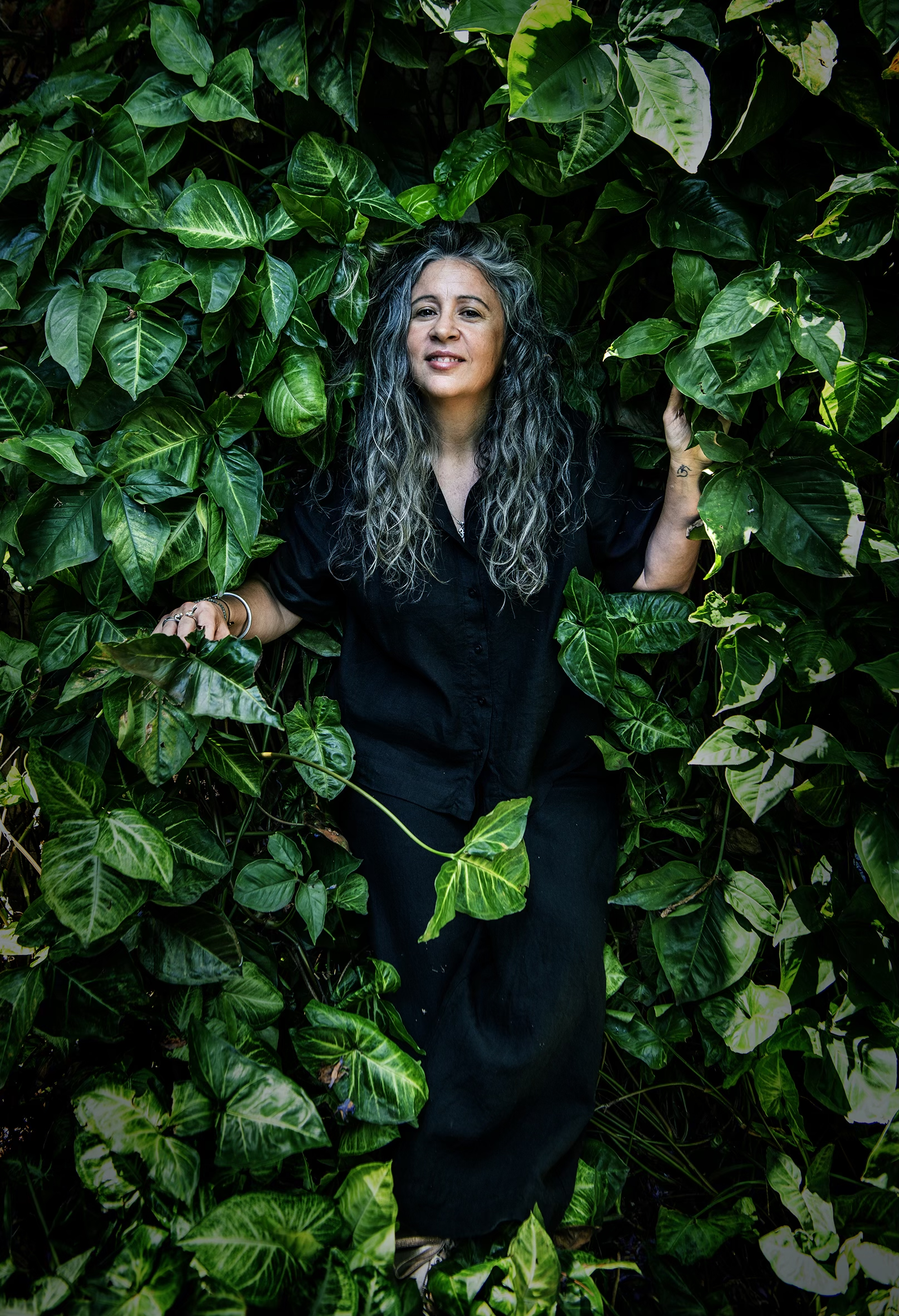
Catherine Ashton: Today, I'm speaking with Danni Petkovic. She is a Sydney-based death literacy educator and end of life doula, and the founder of Liminal Being. Trained through [00:02:00] the Australian Doula College, the Natural Death Care Center, and Australian Home Funeral Alliance, and the Death Literacy Institute, and Essential Skills End of Life Doula Services. She brings formal training and deeply lived experience to her work. Danni has spent years privately fearing death before caring for her younger brother through his illness and his death that forced her to finally face it, and Liminal Being was born. She now supports families with end of life planning, emotional wills, and legacy recording, and also vigil and ceremony support, living wakes, and guidance through voluntary assisted dying. She also volunteers at Bear Cottage Children's Hospice. Danni shares death literacy through death cafes, corporate talks, and events, including Dying To Know Day and South by Southwest Sydney. Her philosophy, [00:03:00] death isn't the opposite of life, it's part of it." Thanks so much for being with us
Danni Petkovic: Thank you for having me, Catherine. Lovely to see you
From Arts To Death Work
Catherine Ashton: Now, we met in person a few years ago at, the Sydney Death and Dying Festival
Danni Petkovic: We did indeed
Catherine Ashton: and I, realized at that point in time an entire life before you were a death doula. Tell us a little bit about your career
Danni Petkovic: So when I met you, I was definitely curious, but I wasn't converted. And I think that, it was the second time I'd been to the Death and Dying Festival. The first time was, in 2017, and in that period, I was working, as an arts publisher, or I was, working for an arts publisher, and I had had 10 other careers before that.
Danni Petkovic: And, it was partly coming to that first Death and Dying Festival, where I met Dr. Tina Fiveash and participated in a [00:04:00] workshop that she was running about the Death Letter Project that kind of started this, I should start looking more at what this phobia is, this absolute death anxiety that I had, and I'd had it for years and years and years.
Danni Petkovic: what happened is the next time I came back, I'd had the experience with my brother dying, and I was doing all this grief work for myself and on myself, and just sitting with the grief and actually allowing it and making time for it. And I think during that period, something shifted, and I started realizing and dreaming that I could actually help other people given what I'd been through, and the realization that shining a light on it actually changes it and shifts it.
Danni Petkovic: And it's not about pretending it's not gonna happen, because I'd lived in that space, and that space didn't actually serve me at all. And my life was run by this fear that one day I won't be here, and my [00:05:00] own mortality was something I could never, ever face. Yeah
Living With Thanatophobia
Catherine Ashton: And when you say your life was run by it, for someone who may be unfamiliar what a fear of death is, what did that look like for you?
Danni Petkovic: Gosh, I love that there's people that may not have that. And actually, my best friend who sent me along to the Death and Dying Festival definitely doesn't have that. She's like, "Why would I have a fear of that?" You know? So for me, and I found out through, Tina's workshop that there's a term for it, thanatophobia, and for me it was, never really sleeping much, you know, four or five hours a night max.
Danni Petkovic: It was busyness. It was a chronic busyness where if I looked at my diary or my calendar a week, a month, a couple of months into the future, and there were gaps, in my waking times, I'd busily fill those gaps. So I was constantly doing and never really being. Because what happened is, if I stopped and sat with one day I won't be here in this [00:06:00] physical form, my brain would start looping, and I couldn't stop the thought, and then I couldn't breathe.
Danni Petkovic: And so my body would feel like it's shutting down, and I can't actually physically function. And so I would just be busy, and the busyness was, you know, risk-taking, just being on the edge, like as close to the edge as possible. And I think if I reflect, it's probably like, you know, death-defying or in the face of death or stuff like that, you know, fast cars, motorbikes, planes, you know, just always, being busy so I wouldn't have to give my mortality any airtime.
Caring For Shayne
Catherine Ashton: You mentioned that, it was your brother's death and his illness that was part of the catalyst that, that, that changed your career path. Can you tell us a little bit about that?
Danni Petkovic: Shayne was diagnosed with a glioblastoma multiforme tumor, so brain cancer, in January 2022, and we live in [00:07:00] different states. I'd gone back a few times to help him with, the surgery to remove the tumor, the diagnosis really, which was what the surgery was part of. And during that time, I just helped, just turned up like the rest of my family just to support him.
Danni Petkovic: Then when it became apparent that there was no, uh, more treatment, that there was... It, it was terminal and there was no options for him He asked me to stay with him and not come back and forth to Sydney, so I became, his main carer for that, time before he died. He died July 2022, so it was a very short time with that illness.
Danni Petkovic: And I was back in country Victoria where my grandparents lived before they died, and I'd actually lived with them, 15 years before Shayne died, to help care for my grandparents to stay on the farm so my grandpa didn't have to go into care before [00:08:00] he died at 94. And when he died, I wanted to crawl in a hole with him.
Danni Petkovic: I crawled... You know, it was the worst grief of my life. I had been bedside for other family members' deaths, but my grandpa was my favorite human, and I actually didn't feel like I could function, but I had a two-year-old, so I had to. And not tending to my grief and not... You know, the cliché words, but they're so important in a way that's true for you and your grief, is by actually acknowledging it and being with it and allowing it, and I couldn't.
Danni Petkovic: And so it actually adversely affected me for years afterwards.
Grief Work And Acceptance
Danni Petkovic: So when Shayne died, it was a different experience. I came back to Sydney after the funeral, and I did all the things for grief. I had a grief counselor. I sat in a grief circle for eight weeks with this beautiful, psychologist who was running a beautiful program out of Canada [00:09:00] called Coping.
Danni Petkovic: And then I did grief yoga. I didn't know any of these things were possible. I was just googling all the time, you know, "What else can I, can I do?" I was doing grief webinars. It was still sort of a blend of what you could do in person and after, you know, and online after COVID. So, a lot of what I experienced, even grief walking and grief meditations, and what I experienced was just this shift that I'd start dreaming and I'd start meditating on, I can help other people.
Danni Petkovic: And it didn't-- it wasn't like a sudden thing where I went, "Oh, it's gone." But one day I remember just sitting with it and feeling like this fear and this existential dread and this running my life because I can't look at my own mortality has just gone. It's just not there anymore. I'd try and muster it.
Danni Petkovic: I'd sit there and just go, "Is it really?" You know, I don't wanna tell people it's gone if it's not really. And so I'd sit there and, and it was just gone. [00:10:00]
Hard Conversations And Plans
Danni Petkovic: And so the people that helped us in country Victoria were a beautiful charity called Shannon's Bridge, and Claire Hepper and Jeremy that run Shannon's Bridge were just angels.
Danni Petkovic: They came and they asked Shayne questions like, "Where do you wanna die?" what do you want to happen to your body after you die? And they were confronting, but they also told us exactly what he wanted because somebody asked him, and our family couldn't do that. Our family didn't wanna feel like we were giving up on him.
Danni Petkovic: We didn't have the language. We didn't know, what was okay to say and what wasn't. We didn't have, you know, a rule book on how to support someone who's only 47 and, and is dying. And I think there's this propensity to not accept somebody's dying, so you don't actually have real conversations. You know, you're having hope till the end, which is just a fallacy when you know that it's terminal.
Danni Petkovic: And I [00:11:00] think the other thing is, you know, the language we have around fighting cancer and battling a disease, and it's not a fair playing ground. He didn't do anything wrong, and he didn't lose a battle when he died because cancer was something that we had no control over, and they don't know why you get a brain tumor, and it was, you know, the worst kind which grows from within your brain, so there wasn't any further treatment.
Danni Petkovic: And those questions that beautiful Jeremy and Claire asked gave us a bit of a roadmap and, you know, as Shayne's person to, be his in- his guardian and his executor for pre- and post-death, I knew what to do because we'd had the conversations. We'd documented it. They were hard conversations. They were really, you know, none of us wanted him to die.
Danni Petkovic: He didn't wanna die. But what they did was they gave us some certainty when everything's uncertain, and I think [00:12:00] grief needs something to do and something to, attach to, so I just followed the plan. I followed what they had helped him create. And in reflecting in all the grief time, grief journaling, you know, I could go on about all the grief things I did.
Danni Petkovic: But I just started feeling lighter, and I still had lots of moments where I'd be crossing the Harbor Bridge and then suddenly my brother's dead and I'd bawl my eyes out, and a song would come on and I'd bawl my eyes out. But in the between times, they were, they were getting more, more spaciousness of, gratitude for life, privilege of being older.
Danni Petkovic: People stop me in the street and go, "Wow, does that cost a lot for your hair?" Like, I don't do anything to my hair. You know, people find it wild that I've let my hair go gray. Well, I didn't. It's, you know, I... it's just the way it is. So this whole thing that we have about aging, I feel [00:13:00] so privileged to be in my 50s.
Danni Petkovic: My brother didn't get there. And I think if we shift that narrative, we have so much more gratitude for life, and I feel privileged that I now get to do this work. I did leave my job, I did go and retrain, I did start volunteering, and I think that all those little things that helped shine a light on mortality and acceptance when Shayne was dying has put me in this position where I can accept that my human form, this physical body, will die one day, and I'm so okay with it.
Danni Petkovic: And it makes me just grab every opportunity, like talking to you, like, you know, maybe, you know, being on stage when it's not my comfortable space to actually share stories to help other people realize that by accepting your mortality, planning for death, and planning what dying could look like for you, actually allows you to get on with living.
Danni Petkovic: And I think-- I don't even know if I've answered your question. I could talk about this forever 'cause I feel [00:14:00] such relief, even in sadness, that there's been such a fundamental shift for me that I don't have that fear anymore, and I can help other people
Catherine Ashton: you have been answering my question, Danni, so you don't have to worry about that. Something that, just with what you're talking about, the fact that your, your, your grandfather was 94 years of age, and so there's that concept when people talk about death, that they're more comfortable for someone to be older to die, than what they are for someone younger.
Catherine Ashton: And, and, and Shayne, how old was he when he died when, in
Danni Petkovic: 40... 47. A- and that's such a good point, because people said to me when my grandpa died, "At least he had a good innings." Oh my gosh, that's a knife to the heart. I didn't want to hear any at least sentences. And I know it's that people don't mean anything other than they don't know what to say, because we've lost this grief language.
Danni Petkovic: But when people start with [00:15:00] at least, I think you're better to say, "I'm sorry. It's sad. I don't know what to say," rather than at least because that hurt so much when people said, "94, what a great..." You know, it didn't matter. Sorry, I s- got sidetracked there, but yeah.
Catherine Ashton: No, that's the, the point that I was going to, to go down and, and that path, so don't apologize whatsoever. and, because the thing that I find is that, y- you had, in your story you were saying that you had difficulty about adjusting when your grandfather died, but yet you were more comfortable and had some sort of transition happen when Shayne died. What do you think, in your perspective, was that you were, you sort of went through a transition when Shayne died and that didn't happen earlier when your grandfather died?
Grandparents And Regrets
Danni Petkovic: It's a great question.I haven't actually reflected on that before, but instantly I feel that I had space and time. So my daughter was [00:16:00] older. I didn't have to be a mum to a two-year-old. I had much more life experience. I had already started, you know, the going to that, death and dying festival, some years after when I first moved to Sydney was helpful in, you know, starting the process.
Danni Petkovic: I hadn't started any of that when my grandpa died. But also, we didn't talk about death. So I have lots of regrets about... Well, they're not regrets, but they're I wish I could have, I wish I had have known. You know, that sort of feeling of my grandpa didn't want to die in hospital. So I was living in, the Netherlands, and I moved back with my partner and daughter to live with him, to keep him living on his farm.
Danni Petkovic: He'd come to Australia as a war refugee in 1949, and his farm was everything to him. It was his legacy, and it was [00:17:00] his... You know, he said, "This is never to be sold. I want the family to have this forevermore. I worked so hard to get here." You know, he had a sh- a really hard life coming from war-torn Yugoslavia and being a prisoner of war in the Second World War.
Danni Petkovic: And when he came to Australia, he just felt like the luckiest human ever, despite a lot of grief and leaving behind children, a wife, his family, his, you know, everything, not speaking a word of English. And I did move in with them to keep them living at home because my grandma had dementia and she wasn't able to care for him in the way she had been years before.
Danni Petkovic: They were very traditional, so she did everything inside the house. And I still reflect on that time that it was only-- it was not quite two years, but almost two years, and I, I just can't believe that I didn't speak with them about it. You know, I was there to keep him living at home, but we talked about living at home, we didn't talk about [00:18:00] death.
Danni Petkovic: And my grandma, she was quite quirky and she was fun, and even in the early stages of dementia, she was still quite with it with a lot of things. She would say to me, "I wanna be buried in the white suit, not the pink suit. Can you make sure that happens? And don't forget my socks." And I would say, "Oh my God, stop talking.
Danni Petkovic: That's morbid. I can't-- Don't, don't talk about that. I don't want you to die. Let's not talk about it." And I would be the person to shut that conversation down. Back then, we had a very, traditional, family-run funeral. It still is actually, Verry Funerals in Daylesford. Mr. Verry would take her call every week and talk through her options for what she wanted to wear when she was buried every week, and he would just entertain this conversation 'cause none of us could.
Danni Petkovic: And now I think, oh, if I knew what I knew now, you know, I would embrace it. I would sit there. I did a lot of [00:19:00] legacy, recording with them, tell-- like getting them to tell their stories, 'cause I found it really fascinating and sad and, you know, there was so much grief in their stories. But I didn't talk about death, and I think that that's the difference with Shayne.
Danni Petkovic: We talked about it. We talked late into the night so many times. I'd be sitting in an armchair by his bed just going, "Oh my gosh, I need to sleep." But you know, he was on all sorts of medication. He was wide awake and wired and just wanting to talk about it. And so I felt really privileged that I got that opportunity to talk with him about these things and to know what...
Danni Petkovic: He had three teenage kids. He was a single dad, and so to know what he wanted afterwards and to have those really important conversations, you know, him being really sad and fearful that he wasn't gonna be there for the birth of his kids' kids, that he wouldn't be able to walk his daughter down the aisle, you know?
Danni Petkovic: Things that really allowed us to [00:20:00] process and allowed for some level of acceptance. And I've just been supporting a beautiful dear friend back home again, and his final comment about fear of death was, "Acceptance is the doorway to freedom." And I believe that so wholeheartedly. It-- he beautifully gave it words, but I think that that's the key.
Danni Petkovic: So Shayne didn't wanna die at the farm because he said it was Grandpa's legacy, and I don't want our family to associate or the kids to associate this with where Shayne died, even though he never wanted to leave. So he never wanted hospital. He was-- never wanted to be separated from his dog. And so, you know, I, I would have fought to keep him at home if we hadn't had those conversations that Claire and Jeremy facilitated.
Danni Petkovic: you know, and he would've been dying, and I would've been fighting to keep him there. But that's not what he wanted. So, you know, they helped open those doors. And so it was just [00:21:00] a different experience altogether. Yes, the grief is, you know, just as hard acknowledging that my beautiful brother... I have his photo, you know, it's always with me.
Danni Petkovic: I have a little altar in my car with photos. I have a couple of altars in the house. He hated photos, and this one is his dog where he hid from the photo, him and his dog. So they sit together in my car like this, or they sit, you know, on my altars and, you know, they, it-- we talked about everything, and I think communicating and knowing their wishes is the ultimate act of love for us.
Danni Petkovic: I didn't have to make anything up. My parents knew. And you know, they had some very, very intense sadness and grief, and they knew that we'd had the conversations. They knew that we documented things. So even though they didn't want him to die, we just followed, followed on from what he'd, asked for, and the things that [00:22:00] he didn't ask for, he allowed his children to.
Danni Petkovic: So he said, "I don't care what happens to my body. I'm dead, so, you know, you guys choose." And the kids had had their own grief experience at school with a friend's dad dying, and they all wore ashes. Their kids wore ashes around their neck in a keepsake jewelry piece. And so they said, "That's it. We want Dad to be cremated."
Danni Petkovic: So, you know, there were things that we talked about that allowed choice, but I had his advanced care directive, so I knew when we did get to beautiful Gandara Palliative Care Unit in Ballarat for his last three days, there's no more intervention. We have to just let his body do what it needs to and to die.
Danni Petkovic: And our bodies know how to do that. We don't need, medical intervention. It's just presence, and knowing what's happening is so helpful, knowing what's gonna happen next, and I think, it doesn't change the sadness, but it helps. It helps [00:23:00] ease the burden.
Final Days In Palliative Care
Catherine Ashton: In those last three days, what were they like, Danny?
Danni Petkovic: The day we went into the palliative care unit, and this is how disconnected I was from death too. That's a beautiful photo when he first got sick and we're at Royal Melbourne, but the photos of him in his last days shocking. He was dying and I couldn't-- I was too close to it, but also just didn't want it, you know.
Danni Petkovic: So I didn't, I didn't know enough to look for the signs. I was just too close. He said to me, the day before we went into the, palliative care unit, he said to me, "Hey Dan, do you think there's something wrong with my head? Can you take a photo?" And he hated photos. So I'm, like, taking these photos. We're sitting in the car watching his son play football and, you know, where in a country football where you can pull up and you're at the, you know, you toot the horn and you're at the field.
Danni Petkovic: And it's freezing cold 'cause it's the middle of winter in Daylesford. And I'm taking these photos, and I look back at those photos now, his skin had changed color, his, his skin had become mottled. He'd-- [00:24:00] his head had changed shape. There were so many signs of, you know, his body was dying. And I go, "No, there's nothing wrong with it."
Danni Petkovic: And I look at the photos now and, you know, it's so obvious and, you know, his head... He was, you know-- He knew, and the next day we were going to the palliative care unit to get his, pain under control because palliative care is a beautiful service. It's a beautiful offering that has such, a, a, a terrible misconception that people think palliative care is for death only.
Danni Petkovic: And palliative care is to support you through pain management, it's to support you through, symptoms and just support for death and dying. And getting in, the biggest message I could tell people, is getting in as soon as you get a diagnosis with your local palliative care to know what your options are and so they get to know you in life before, death.
Danni Petkovic: So we thought we were going [00:25:00] in there for pain management, but I didn't realize how close he was to, to death. And, I dropped him off with my dad. He ate a beetroot salad that they brought him, which was wild because he didn't-- he wasn't a healthy guy. He was a tradie that liked all the white foods, the beige or yellow foods.
Danni Petkovic: Lots of fried things, lots of, white bread. And my mum's a beautiful cook, but she was constantly just making him all the white foods. Nothing that I can eat or would want to eat. And he suddenly sat there and ate this rocket and beetroot and feta salad. And my dad and I kind of like, "What's going on?" we talked about bringing his dog back 'cause we found out we could bring his dog, which was just so unexpected and beautiful.
Danni Petkovic: My dad and I went home a few hours later, back to the family farm, and I called at 3:00 a.m. to see how he's going 'cause I couldn't sleep, and they said, "Well, he's still going. He's fine. We can hear him down the hallway. His snoring is so loud [00:26:00] everyone can hear him. the doctors will get onto the, you know, pain medication tomorrow."
Danni Petkovic: And then somewhere in the early hours of the Tuesday morning- He had what they call a rolling seizure, which was just seizure after seizure after seizure, and he didn't come out of that. So I raced over on Tuesday morning when they called me to tell me that he's not rousing from the seizure, and I said, "Oh, I've been doing this for months.
Danni Petkovic: He'll come, he'll come good. He just needs a rest." But it was, it was active dying, and, he wasn't unconscious, but he was not responsive anymore. And so we vigiled. Our family all came, friends. I think we still didn't quite know that it was the end, so we did have a cast of about 12 people in his room when he died.
Danni Petkovic: Friends came to say goodbye. I sort of didn't wanna panic people, but I wanted to tell them, "Come and say goodbye," or people that had planned to come in the days after. so yeah, we, we had quite a few people in the [00:27:00] room. we slept there. We stayed with him all night, and on the Wednesday just after lunchtime, he took his last breath.
Danni Petkovic: He kinda came to and looked at my niece, his daughter, and said something, and then closed his eyes and his body died, and it's ... was heartbreaking, devastating But it was exactly what he wanted, to not be at the farm, and to have his dog there. His dog was curled around his head like she was in life, and it was really beautiful.
After Death Rituals And Pets
Danni Petkovic: And, beautiful Alicia from Viri, who's taken over that family business, helped support us in the days after. We stayed with him... the beautiful thing is they said, "You don't have to leave immediately." So we stayed there for the rest of the day. My partner flew in from Sydney, and we all got to say goodbye.
Danni Petkovic: And my daughter just, [00:28:00] you know, 15 year old, and she just inherently knew. She got into bed with him. She lied there. She wouldn't leave him, his side, and we spent the whole day there until, late into the night. So that was something different for me, and not just being, the body being whisked away. You know, it's still our person, and that was something really different and beautiful, and I really encourage you to have that time to know they're dead, to know that connection that you have in that way is gone, but there's that continuing bonds of what you do afterwards and what you continue doing.
Danni Petkovic: I have his phone here that, you know, it's got his beautiful dog on it and you know, I, I'm not sure entirely, what happened in the days after because we went into funeral planning. But I know that the, Viri Funeral Home allowed us to come in, allowed us to decorate his coffin in their mortuary space, in their, chapel outside the mortuary.
Danni Petkovic: And [00:29:00] they asked whether we wanted Shayne to be in the coffin, and we said yes. And my very curious niece said, "I wanna go see where Dad is. Is he in a fridge? Take me there." And I was like, "Oh, no." Again, like I was with my grandma, I was like, "No. Oh my gosh, Bella, that's so morbid." And so my partner did. They went and did that.
Danni Petkovic: And now I think, oh my gosh, yes please, of course I want to go and hold his hand where he is and see the space. And you know, I've really shifted in so many ways that, you know, I can't really articulate, but I know that there's a fundamental shift in seeing, shining a light in the shadow areas where things were really hard before and now they're not.
Danni Petkovic: And so we decorated his coffin. His beautiful dog, we took the lid off and his beautiful dog climbed straight in and curled up beside him, and he'd been dead for a few days by then, and she still knew that that was him. And then the kids took her out when we put the lid on. And, you know, we wrote things on the lid [00:30:00] for him, and then we decorated for public, 'cause we had a service with the coffin, on the outside and his, his photo and hand prints, and we got his beautiful Elvie to walk on the coffin with, paint paw prints.
Danni Petkovic: But when the kids took her out, she cried. She howled. And I think that that was something that will stay with me forever, and about how important it is to have your pets with you so they know that he hasn't... He didn't leave her. He died, and she knows that. And that was wild because I, you know, I took some photos and videos, and I have them and I...
Danni Petkovic: 'Cause y- your memory plays tricks, and you can't remember things, you know, with distance. But I have played that back, and I listen to her crying. She knew. She knew that he was gone, and that was the end.
Danni Petkovic: I've totally forgotten the question. I'm so in [00:31:00] this.
Catherine Ashton: Well, that is a very strong image that you're, leaving us with on that. to have the... Elvie,
Danni Petkovic: Elvie. Elvie Clouds is, is his beautiful girl. That, that's him hiding
Catherine Ashton: have Elvie have that response to his body taken out is pretty amazing.
Danni Petkovic: Their c- their connection was phenomenal
Volunteering At Bear Cottage
Catherine Ashton: How did you then be associated with Bear's Cottage Children's Hospice?
Danni Petkovic: great question. I came back, I did all the grief things. Six months on, my grief was the worst, and I couldn't really fathom life without my brother and knowing that he'd died, and just this constant, "Oh my gosh, my brother died." You know, kind of that recurring thought, thought that I had with my mortality.
Danni Petkovic: So I just kept journaling, I kept working through it, I kept [00:32:00] being with it. Sometimes I'd make a, a spot in my calendar that was grief time, and then I'd see what turned up. I would sit and go, "Okay, there's nothing today," you know? I had his photo, I had altars all around the house, and then I kind of felt like I'm gonna have to cover them up for a little bit, which really hurt to even say that.
Danni Petkovic: But I would come home where life started... You know, I was leaving the house again, and I'd start doing things, and I'd come home, and there were moments where I'd forgotten, and then I'd see his photo, and I was straight back there. So there was a time in that s- about the six-month mark where I just had to sort of put a cloth over things and just not-- or turn things around and not just be confronted with it so, fiercely.
Danni Petkovic: And I think about the 12-month mark I was having more joy. You know, the life around grief was growing again, and I really wanted to [00:33:00] give back, and I really wanted to start working out if I could study to do the work that Claire and Jeremy were doing. I contacted them and, you know, said, "Who should I train with, and what should I do to be able to do the work that y- you do?"
Danni Petkovic: And they were beautiful. They said, "You don't need training. You just need that, propensity to turn up, that, ability to turn up. We worked with you for all those months. We know that you've got what it takes to, you know, companion someone. It's not, it's not training. It's, you know, what's in here and what, you can just offer by being with people."
Danni Petkovic: And, and then I said, "Well, I have this beautiful arts community in Sydney, but I don't have the community I have in Daylesford," which I now know is the compassionate communities model of, you know, all the people that you n- need to call in that, in that time of death and grief.
Danni Petkovic: And so I did start training, but what I also did is I s- said, "I'm gonna volunteer." I've volunteered my whole life. My grandma, when I used to go to their farm, would take me to Meals on Wheels when I was 10. So I've [00:34:00] always volunteered. I've five years, here in Sydney when I first moved here, helping a rough sleeping community, with Street Kitchen and Blanket Patrol and lots of different things.
Danni Petkovic: I volunteered in aged care facilities when I was younger. always volunteered. So I put my s- name out there thinking, "Oh, there's two aged care places, five minutes walk," and they didn't come back to me. I didn't hear from them at all. And then I found Bear Cottage, and I thought, "You know what? I can't imagine having a child die.
Danni Petkovic: I, I just can't." Like, that would be my worst nightmare. So I reached out to them, and they had a training the following weekend. They had one spot left. So I got onto the training. Absolutely beautiful humans that work there, and, it's been... It's 25 years old now, and it's such a beautiful place. It's not like a hospital.
Danni Petkovic: They've made it so kids feel at home. Families can go there, for respite. the nurses are absolutely just the b- the [00:35:00] most wonderful angels that, that work there, and the, all the staff, you know, down to the housekeeping and... It's like a little retreat, and families go there For their children's end of life, there's a space for that where they don't have to be shunted out straight after the bed's not needed.
Danni Petkovic: They go there for, it may be, you know, 15 years that they're there with their child regularly. Because medical advancements mean that something that might have been life limiting at birth, there's, you know, different changes where kids might have ability to, have, you know, more medical treatment or, possibilities for whatever their condition is.
Danni Petkovic: And, you know, she talked beautifully about, what, you know, palliative care is for children and how different it is and, you know, that there's so many rare conditions where there might be one child, you know, in Australia with it.
Danni Petkovic: So it offers families connection, it offers families realness. You know, [00:36:00] I've had somebody say to me, "Why are you here? You wear a pink T-shirt, that means that you're a volunteer. Why would you do this?" And I told her about my brother, and I told her that I was studying to become a doula and to help people at end of life.
Danni Petkovic: And I feel like if you can, you should give back. Like once upon a time I couldn't be in this space, I couldn't have done this work, and now I can, so I think I should. And, you know, she expressed gratitude that she could have real conversations with me and other volunteers and staff that she couldn't have in the real world, you know, outside of Bear Cottage because people said things like, "Have hope," and, they said things that were A bit damaging.
Danni Petkovic: but again, you know, we, we don't have the language, so your child's dying, like, I don't know what to say, so stay strong, you know? Have hope, you know? Where she needed acceptance and she needed real things, so we talked about, you know, legacy and meaning making and lots of things that [00:37:00] we could do to help her family.
Danni Petkovic: And, you know, I've seen her a few times back there, and what I really, love, and it was quite unexpected, is that families really want to go back there. Bear Cottage offers sibling retreats, grandparents retreats, moms retreats, dad retreats, and in those spaces they come back for anniversaries and because they were allowed to have all the feelings, they were allowed support, they were allowed to just be a family and not carers, 'cause often they've been carers for so long.
Danni Petkovic: So I was lucky enough, a few years ago to get on that training program, and for a while I was there very regularly. It has been less regular lately because I've had lots of travel with, different things with, family. So I, I really, you know, encourage people to... It's, it's not, fully funded, so I really encourage people to tap into what that is, 'cause we have families come from Northern Territory or, you know, [00:38:00] South Australia because there aren't facilities there.
Danni Petkovic: There's one in Queensland, and soon there'll be one in WA. So it's the most wonderful place, and I know that sounds strange because it is a children's hospice, but it's full of life. Siblings come to you and they say, "Do you know my brother, sister is dying?" You know? And they wanna talk about it. And so you're there to listen and just talk about it, you know?
Danni Petkovic: Just have fun with them and, you know, have the sadness and, just be real I'd be there every day if I didn't have to pay the bills.
Why Liminal Being
Catherine Ashton: And you named your business Liminal Being. Tell us about that
Danni Petkovic: Oh, I had so many names, and 'cause I was this converted, you know? It's, it's like when a meat eater becomes vegan, and you know? Something I can liken it like to that, you know? I'm gonna tell everybody, and so my first business name was Death Happens. You know, like other things happen, you know? There's [00:39:00] some, phrases that I probably won't say on here, but,
Danni Petkovic: And then my partner said to me, "So when Shayne was diagnosed, if somebody came to support you with a business name Death Happens, what would you have said to them?" I'm like, "I don't wanna hear about death," you know? we're fighting this." And he said, you know, same with his dad. I wouldn't have accepted that, 'cause for a while we were, you know, still in that rhetoric of we're fighting and...
Danni Petkovic: But at the same time, you know, if you're not there with death acceptance, I don't need to be that person to shove it in your face. So, you know, after my conversion I sat with so many different iterations of what the name was, and then I just kept coming back to this liminal space, this threshold, this in-between time where you're not dead, but you're not, you know, you're dying or you're, you're in grief, and you're not quite back with the living, but you're in this space.
Danni Petkovic: And the liminal is such a beautiful place and a, such a beautiful spaciousness, the [00:40:00] threshold, if you can be with it, and if you can sit in, in that, which I wasn't able to for a long time. You know, my doing life as opposed to my being life. And then there's so many connotations of a liminal being, that we're all liminal beings.
Danni Petkovic: But also liminal being, so that being and not doing. And there was just beautiful, plays on words that I kept coming back to, and it wasn't-- it was available, and, I, it just really resonates with me and sits with me. It doesn't, it's not too confronting for people to engage with if they're not there.
Danni Petkovic: It's not up to me to, you know, force, death acceptance on anyone. That's not what it's about. It's meeting people where they're at, and so that's a nice way to do it that says a lot, but isn't too confronting if, you know, you need something else.
Taking Death Literacy Public
Catherine Ashton: And you've had conversations on quite a few stages now. You, were [00:41:00] working on the Dying to Know Day campaign. you've presented at South by Southwest Sydney. Tell us, how does that feel for you be having those conversations for someone who had thanatophobia only
Danni Petkovic: Yeah.
Catherine Ashton: ago?
Danni Petkovic: I think first of all, terrifying. So at the end of that six-month window with, my grief, my friend had booked me two years before to see a psychic. And, you know, while I was doing everything grief, I just went, "Okay, I'm gonna go and see if she can, you know, if Shayne's in the room."
Danni Petkovic: Like, we don't know what happens. And you know, I am never gonna say to anyone, "This is absolutely what happens." I believe in energy. I've been at friends' births, I've birthed my own child. There's an energy that comes from somewhere, and I've been with lots of deaths, so there's an energy that I feel like goes somewhere.
Danni Petkovic: But I don't, I don't have the answers. I haven't been there. So I would never say, "This is [00:42:00] absolutely my certainty." I'm open to anything. so when I saw this psychic, she said to me, "You're gonna be on stage. You're gonna be working with, a charity. You're gonna be..." She s- she described Bear Cottage, and she described the work in death literacy education and advocacy, and I just shut her down.
Danni Petkovic: I said, "I've never been on stage in my life. I will not ever be on stage. I support artists to be on stage, or I support, you know, the..." I was working for an arts publisher that, where we supported, you know, theater and galleries and all the beautiful things that, and screen and film, that I am not and do not.
Danni Petkovic: So then my beautiful friend, Jill Nash, who's 87 now, who I collaborate with a lot, and I got together to talk about doing a Dying to Know Day event. So that was August 2024, so it's kind of pretty recent in, the scheme of things. And, and suddenly I'm on stage and I'm sharing my brother's story and I'm [00:43:00] sharing the shift that I had, and I'm, emceeing a four-hour, panel.
Danni Petkovic: And it was still terrifying, but I can't not do it because I know that it helps people. I know that even after four hours, people will follow me to the car while I'm packing up to keep talking, because the spaciousness for death and dying conversations, and real conversations, not just about the ailments of aging or y- you know- the weather, I don't know.
Danni Petkovic: As soon as those spaces open, like, they want the space. So I have two fantastic o- well, actually four fantastic opportunities in the next two months because, one of them's quite unexpected where I'm speaking at a women's festival called EMBA, and I'm running a session on stage called Die With Me, which is a meditation I wrote to help people have a sensory experience when they're going through [00:44:00] acceptance of, of d- dying and what their deathbed could look like.
Danni Petkovic: And these wonderful, women that are running this festival have accepted my proposal to have a death, a dying meditation on stage. So that's in November, and I also have, a talk at the palliative care, eh, the Public Health Palliative Care Conference in Taiwan, the international conference next month, and Palliative Care New South Wales.
Danni Petkovic: So I have those wonderful things coming up that even though it's still terrifying to stand on stage and kind of feel like I'm the center of attention I can't not do it because I know the change that it brings. And there's a project that I ran last year at the University of New South Wales with, medical students, first and second year med students, with a wonderful doctor who wanted to know more about compassionate communities and doulas, and we met at a, another public talk and he said, "Let's get a [00:45:00] doula to come and talk to our med students."
Danni Petkovic: And we ended up having 14 of us talk at Sydney, Port Macquarie, and Wagga, and it was life-changing for them and for us, and also for the seasoned faculty doctors. So I'm also, sharing that with, an international doula research symposium in November. So I've got these beautiful opportunities to talk about it, and while people are interested I can't not do it, if that makes sense.
Danni Petkovic: South by Southwest was terrifying. It's like a, a festival that I'd been to many times before in my previous job for the arts. And suddenly they're saying yes to a topic called, Hey Death, It's Time We, We Talked. And I've had people reach out for months afterwards saying, "I came to that talk, and I'm collaborating with somebody who actually was in the audience then about, how we can put on more events for [00:46:00] community and help more people."
Danni Petkovic: So it's a platform that I'm incredibly grateful to have and to have been given the opportunity to do that. And I think it beautifully complements being bedside with people because that is quite taxing and quite, hard, but also fulfilling and nourishing. So I think being able to do both gives me the good breadth of speaking to people in community and also then being able to, you know, sit with somebody
Living With Gratitude
Catherine Ashton: And what have those opportunities where you've sat with someone, what has that taught you about how you your life every day now?
Danni Petkovic: I think
Danni Petkovic: it's always about meeting people where they're at. In nearly every case where I've supported somebody in the last almost two years that I've been doing this, A dying person wants to have conversations about death [00:47:00] And so that helps me in life because I feel like even if I have a family member say, "Don't be so morbid, we're not gonna talk about that," just because you're there doesn't mean I don't give up.
Danni Petkovic: So I'm not gonna force it, but I will still find little ways to bring the conversation back to, you know, "Do you wanna be buried or cremated?" "Do you want a funeral? Do you want a living wake? Do you... What music do you want?" You know, I had that beautiful conversation with my uncle recently who didn't really wanna talk about the rest, but he said to me, "Oh, I know the song."
Danni Petkovic: And I said, "Great, let's talk about that." And so it's still about bedside meeting people where they're at in, in life and, you know, every day meeting people where they're at. So not forcing my beliefs, because I know how hard it was. No one could have forced me to go, "Just accept that you're gonna die and you'll be okay," you know, four years ago, 10 years ago, 20, 30 years ago.
Danni Petkovic: So I, [00:48:00] I can accept that you have to come to it yourself. but I think that presence and, and being... You know, we need to listen, and we need to hear what- What people wanna say and whether that is in the last days or just in preparation 'cause they're still well and they don't have, you know, a, a diagnosis that means that they're dying.
Danni Petkovic: But how do we then just show up and build that community that will be there when our time comes? How do we know who we want to be around us if we're not having those real conversations with them? You know, you might have like a best friend or a sibling that, or, or f- you know, parent or a child that says, you know, that I'll, I'll
Danni Petkovic: That in life that's not about death, they're your person. But then if you haven't had that real conversation and they absolutely fall apart when you're dying, is that what you need? [00:49:00] So I think I love to have as many conversations as possible, being real about life in that it ends. and I feel like that gives me so much gratitude for everyday little things, you know?
Danni Petkovic: I'm probably annoying to walk with 'cause I stop and I look at, you know, weeds growing out of cracked pavements and marvel at that weed knows how to grow without being nurtured, and I can't keep stuff alive that I'm trying to at home. Or flowers, or last night there was a beautiful possum in our wisteria that just sat there with his tail curled around it, and just marveling at those little things.
Danni Petkovic: And I think that I can't ignore the finality of, of everything, and that helps me have gratitude and presence in a way that I've never been able to have before
Catherine Ashton: And it sounds like you've, no longer putting in your diary times where, [00:50:00] y- you know, y- you've been slow
Danni Petkovic: And I, I still am quite busy and I still say yes to a lot of things, but there's no anxiety about having spaciousness. It's quite the opposite. If I have a free day, it's wonderful and it's, you know, it's self-care and it's seeing what my body as well as my mind needs at that time, and lots of self-care rituals and, lots of reading and lots of journaling and just being with rather than busy doing
Catherine Ashton: Danni, I can't thank you enough for sharing your story and for letting us know about Shayne and the beautiful relationship that he had with Elvie.
Danni Petkovic: share these really important stories
Catherine Ashton: Is there anything else you'd like to add, Danny?
Try A Death Cafe
Danni Petkovic: if you are not, [00:51:00] not there, and you have that sort of existential dread or that uncertainty about death and dying for yourself or for someone else, go to a death cafe. Find someone in your community that is doing something in the space where you could actually go to experience what death literacy in action is, learn about other people's grief and death.
Danni Petkovic: A death cafe, if you haven't heard of it, is, where there's no agenda. It's usually a community person. It's often a doula or a funeral, person or, a community palliative care person running a death cafe, and it's free. There's no agenda. You turn up, you share, or you, or you don't. You can just immerse yourself and listen in it.
Danni Petkovic: And, I think there's such a lightness. People come out... I was, at one only a couple of nights ago at, a beautiful Social Sciences Week talk at UNSW, and there were some really young people [00:52:00] there, and they said, "Ooh, we're laughing. We're allowed to laugh." You know, there's a lightness, and there's still humor, and people share really heavy stories.
Danni Petkovic: They're not yours to, to pick up, so you witness and you allow and you be present for, and then, you know, the conversation moves to somewhere else, and then suddenly you're having laughs and... and I think people underestimate that there can be joy and humor in these real conversations. And I have a guarantee that my friend made this beautiful shirt
Catherine Ashton: Talking about death won't
Danni Petkovic: That's right. And so most people that run a death cafe will share that, "Please come." You know, it's not gonna kill you, and, there's so much, you know, joy to be had in having those real conversations. And often you don't know anyone else there unless you take someone with you. So it's a good way to test it out before you test with your family about what might come up for you in that space, what [00:53:00] language you might use or what language other people use that really resonate.
Danni Petkovic: it's not rocket science. We've been dying forever, and we know how to do it. We've just become disconnected. So any way you can connect in, Google, reach out to me, reach out to Catherine. You offer a wonderful service. There's so many people doing such good nourishing, beautiful work in this space that I think just the first step for you that feels right, just do it.
Danni Petkovic: It's life-changing, and I can't recommend it enough.
Catherine Ashton: And I think it links back perfectly with the story that you were telling about those people that were laughing at the Death Cafe, is the fact that death isn't the opposite of life. It is part of it. And so there will be joy, there will be sadness, there will be all emotions that we feel it is
Danni Petkovic: Yeah. And you can laugh and cry sometimes in the same setting, it just helps have this lightness that, you know, may not have been there before
Catherine Ashton: That's perfect, Danni. Anything else?
Danni Petkovic: No, [00:54:00] I'm just grateful that people like you are out there, asking the, you know, real questions and sharing so much with, so many people doing great things in this space.
End Of Life Planning Tips
Catherine Ashton: So for someone who, is some items together about end of life planning or what are the some of the, the things that you find when you're with clients that may have fallen through the gaps or something that you think people need to focus on? You've mentioned advanced care directive previously. What else?
Danni Petkovic: I think we all live in this digital world now. It's 2026, we have a digital footprint, we have social media accounts, we all have, you know, a smartphone. if no one has your password, if no one knows where all your things are stored digitally, that's gone. And, you know, you might have stuff out there that you want removed from the worldwide web.
Danni Petkovic: I think having your digital footprint acknowledged and a digital legacy, and, you know, my brother gave me his [00:55:00] passwords to everything. What a gift that we still got all of his beautiful photos of his children, you know, as they're growing up, his puppies , his dogs, his adventures. You know, they're part of his story.
Danni Petkovic: So we all have, well, most people now have a digital footprint, having those things tied up as part of it. And there's things that are part of an emotional will that don't fall into a financial and legal will. So, you know, things like where does beautiful Elvie go when Shayne dies? Those questions that even when you feel like you're the most prepared, they may not have, made it to any documentation, and then you all sit around looking at each oth- other going, "Oh, my gosh, good question.
Danni Petkovic: What are we gonna do with Elvie? Who's gonna take Elvie?" And you don't... You know, it's a gift of... It's the ultimate act of love for your family to be prepared, and I think if you can do your digital things and your emotional things, you might have a book you're writing, you might have artwork, you might have, you know, stuff stored on your [00:56:00] phone that are your notes, that are your, you know, beautiful things about your life, and that is lost if you haven't shared that.
Danni Petkovic: So share it all
Closing Thanks
Catherine Ashton: I think that's very good advice, Danni
Danni Petkovic: Thank you so much for having me, Catherine
We hope today's conversation gave you something to think about. If it brought something to mind that you haven't organized yet, talked about, or decided on, don't try to do everything at once. Start with one simple step. We've created a free three-minute critical info check to help you see what you've already got covered and what your next step could be And if this episode has brought up feelings for you of grief, loss, or bereavement, please note that you don't have to navigate that alone.
We have an after-death guide to support you, and you can find grief and bereavement support organizations through the Critical Info Resource [00:57:00] Hub. The links are in the show notes. And remember, you may not be ready to die, but at least you can be prepared
What if something happened tomorrow? A sudden hospital stay, an accident on an overseas trip, or something happening to someone you love. Do you know where the important documents are kept? Can someone speak for you when you can't? Do you know your loved one's wishes? You don't need to organize everything today.
Take our free three-minute Critical Info Check. It helps you see what you've already got covered and what your next step could be. Three minutes, one next step. The link is in the show notes. Critical Info is your backup plan for life's unexpected moments. If someone came to mind while you were listening to this episode, why don't you send it to [00:58:00] them?
Sometimes the easiest way to start a difficult conversation is to actually start with someone else's story.