Jessica Amsden: [00:00:00] when we're talking with families in the more common pathways, we would say, "What do you think Jess would say if she was here?"
Jessica Amsden: Or, "What would she ask me?" And with donation following voluntary assisted dying, can ask. We can ask the person, "What is it that you'd like to know?" And, you know, we've had all kinds of questions, and that's what we want. We want people to ask us.
Jessica Amsden: people often think that because they have been a smoker or because they enjoy a drink every now and again, that they're unable to be a donor, and that's just not true. People, there are really very few exclusions for organ donation, we assess every person on their own individual circumstances at the time, because it really is dependent as well on who is on [00:01:00] the waiting list at that time.
Jessica Amsden: I think a lot of concern around if people are considering organ donation, does it actually influence their decision to take VAD or does it even influence their decision to access it? We have safeguards in place in certainly our Victorian process, and I know the other states that have undertaken this have that there as well, in that- We, we won't formally meet with, an individual until they have, have their, their VAD permit granted.
Don't Be Caught Dead, the show bringing stories of death back to life. Here's your host, Catherine Ashton
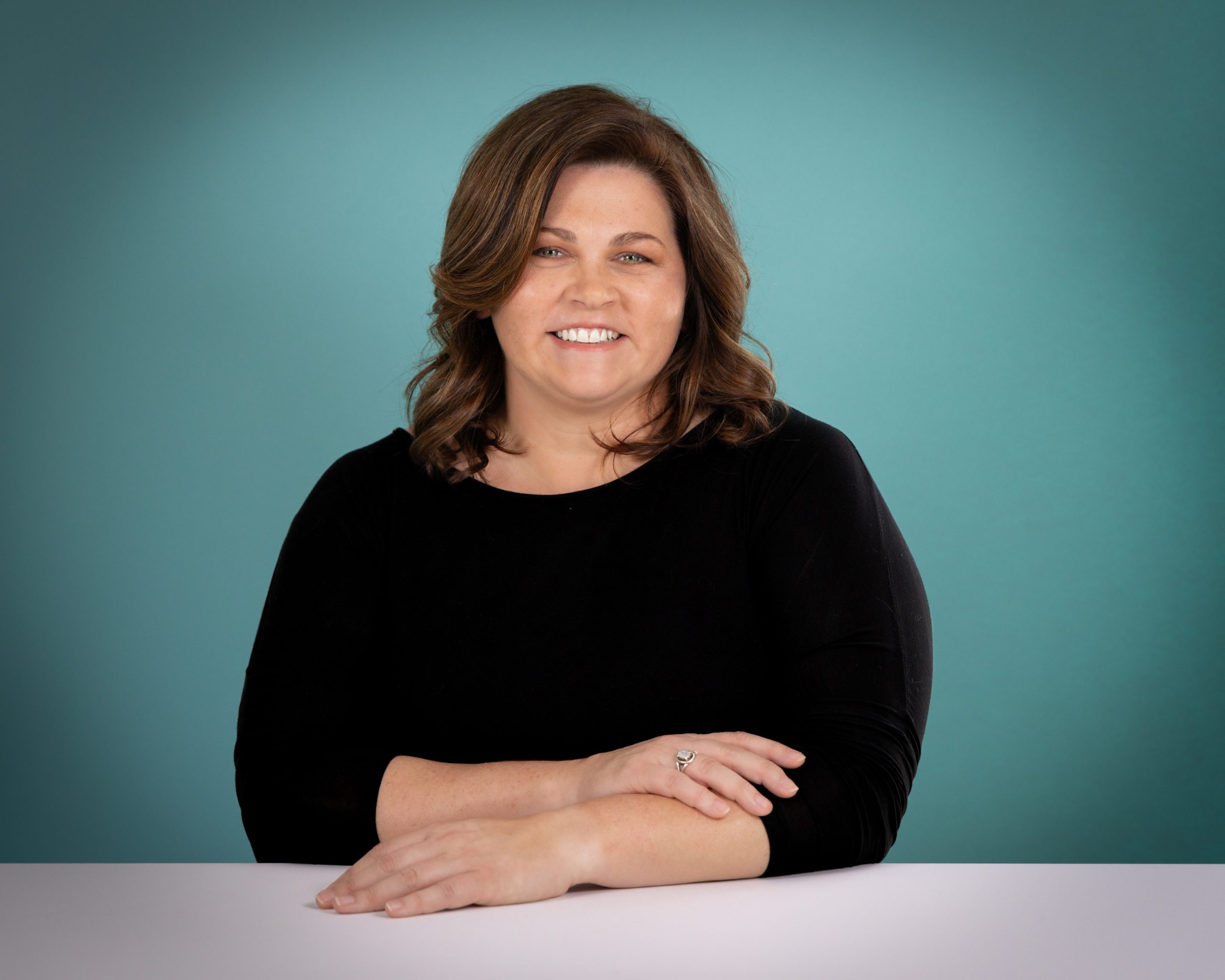
Catherine Ashton: Today, I'm speaking with Jess Amsden. She is a senior nurse who works in a new and unique role at DonateLife Victoria. Her title is family [00:02:00] communication nursing coordinator, which has piloted the role nationally over the past two years. The role is progressive in the organ donation space in this country, as it is linked with supporting patients who wish to donate their organs after going through voluntary assisted dying.
Catherine Ashton: While VAD is not new in Australia, we've only had our first case of organ donation following VAD in 2023, in Victoria, that was. Since then, the interest in the subject of donation after VAD has been growing across the country, hence the evolution of this particular role. Jess has an abundance of experience here and abroad in critical care nursing and education, and other senior nursing roles, which have shaped the success of this role to date.
Catherine Ashton: Supporting donors and their families during this deeply meaningful process remains one of the most rewarding aspects of her career. This role has [00:03:00] two main areas of focus. Organ donation following voluntary assisted dying, and providing coaching and support to donation specialist nurses in family donation conversations.
Catherine Ashton: As a passionate educator, Jess also provides support and coaching to donation specialist nurses, and is a facilitator of the National Family Donation Conversation Core and Practical Workshops, and she enjoys watching colleagues grow and develop in this area. Thanks for being with us today, Jess.
Jessica Amsden: Wow. Thank, Catherine. That's, a lot. Thank you.
Catherine Ashton: Thank
Jessica Amsden: having me
Catherine Ashton: you for having me. So this is a, a relatively new role within the last two years. Tell me a little bit about
Jessica Amsden: Mm-hmm.
Catherine Ashton: what you were doing and what attracted you to this role.
Jessica Amsden: , What attracted me to this role really is [00:04:00] The power really that is within it is allowing people to make decisions about their own end of life, um, and giving them the opportunity to explore that and really hear, , what it is, , that donation can do in terms of saving lives. , Prior to being in this role, I was a senior education coordinator with DonateLife Victoria, and I Was part of a team that really trained our donation coordinators in the organ donation process, in family communication, and I'd done that for about years in varying forms, and I was really looking for something that would allow me to really utilize my strengths. and, and that really was in the family communication [00:05:00] space, and also being able to build processes where they weren't before. So, look, when voluntary assisted dying came in in 2019, uh, Donate Life Victoria, a very small group of us actually really looked into would organ donation be possible for some patients after voluntary assisted dying? And the answer that we found was yes, and we created a framework really early on, , a patient actually or an individual came to us and said, this be possible?" And had that framework there for about four years before, , Marlene, , came forward, who was our first organ donor following voluntary assisted dying, and she really paved the way for donation after voluntary assisted dying in Australia and certainly in Victoria. she con- her legacy continues today as [00:06:00] people continue to hear about her story, , and how she saved the lives of four people
Catherine Ashton: Can you share that story with us now, Jess?
Jessica Amsden: Yeah, Marlene, I, didn't have the pleasure of meeting Marlene. My colleague Lana did. And Marlene was a, a previous nurse, , who lived in regional Victoria, and she had unfortunately, been diagnosed with motor neurone disease. And she very early on realized that she wanted to be an organ donor, and help others if she could.
Jessica Amsden: And she raised that with the physician that she worked with, her VAD physician, and he reached out to the local donation specialist, who was Lana, , at the time, and really said, "Would this be possible?" And so Lana, , and the team there [00:07:00] really worked really hard, to figure out how this would be possible, not only to fulfill of Marlene's final wishes, but also to, to save lives. , And that's exactly what Marlene did, and certainly keeping Marlene at the center of, of every one of those decisions. And I believe, Lana told us that Marlene, prior to dying, was aware that she was going to help four people. , And I think that Lana certainly tells me that she had a big smile on her face when she was told that news
Catherine Ashton: Is that one of the things that makes this unique in organ donation?
Jessica Amsden: It absolutely is. It makes it unique. You know, I've been with Donate Life for almost 14 years now, and I've worked with so [00:08:00] many families are often struggling on the worst day of their life, and they make a decision at that point donate their loved one's organs, and I sit in awe of them thinking of other people at what is often the worst time of their life. For the patients in, in this space, I, I, I'm often meeting with them in their homes. We're being invited in, so we can give them information about what donation look like, what it would mean, and I mean, it gives me goosebumps just thinking about it now, and thinking of the people that I've met... One thing that we do know is donation can provide comfort for people as they navigate their grief moving forward. One of the things that I have been told consistently by patients that I have met who have gone [00:09:00] on to be donors that it actually gives them a l- sense of purpose in their final days and, and that it feels like perhaps they're not dying in vain. And I know certainly a patient that I met earlier this year, I remember speaking to his wife, and she said it, it, it kind of invigorated him in the final few weeks of his life. able to help people or being able to be considered to help people actually gave him... One, it gave him something to do, but it also gave him something else to focus on and gave him a level of comfort in those final days.
Jessica Amsden: I, I truly can't imagine what it must be like, for the individuals, who enact their VAD. However, I feel incredibly privileged that we're able to sit with [00:10:00] these people and provide them with a level of comfort as, as they face their last day
Catherine Ashton: If you can talk us through the difference that you find between those normal conversations in a conventional setting with organ donation, and then perhaps as what you were saying, that you get invited into their home when it comes to someone who is going down the path of voluntary assisted dying. Um, just for someone who may be unfamiliar with, what are the differences and what makes it so unique?
Jessica Amsden: Yeah. Yeah. For, the more common, donation pathways, and I might say right then and there, organ donation isn't actually, that common that, you know, only about 2% of people who die in hospitals can actually be considered to be organ donors. So for someone to be considered [00:11:00] for organ donation, they have to die in a hospital, in an intensive care unit, and on a ventilator most of the time. often these patients will have had some sudden and catastrophic event that has happened to them, and they are being cared for, in the intensive care unit. And our donation specialists are trained, raise the topic of organ donation once patients have, transitioned to end of life care. And so we're often raising donation with families who are, again, often on the worst day of their lives. They are dealing with sudden and unexpected grief. They're often in a, in a fog. They're tired. They're dealing with a myriad of thoughts that are going through their head. And so we would raise the topic of donation with them and provide them with the [00:12:00] information that they need to make a decision. And often they're making a decision for their loved one when they're actually not that sure their person may want. So that's really one of the really important things that I know certainly being within this space, the power of having, of knowing what it is that your loved ones want around their can be really empowering in those conversations.
Jessica Amsden: We know that, you know, eight out of ten families will support donation when they know their loved ones want, whereas only four in ten will when they're really unsure In this space, we're talking to the person themselves. So, you know, often we, when we're talking with families in the more common pathways, we would say, "What do you think Jess would say [00:13:00] if she was here?"
Jessica Amsden: Or, "What would she ask me?" And with donation following voluntary assisted dying, can ask. We can ask the person, "What is it that you'd like to know?" And, you know, we've had all kinds of questions, and that's what we want. We want people to ask us. We- we'll tell them as much or as little as they would like to know, and we have those conversations. have them in one meeting, we can have them in a number of different meetings. And it is patient, really is person driven, you know. And in terms of the decisions that are made along the way to enable donation to happen, we are led by the person themselves. They retain, the ability to determine when it is that they're gonna have enact their voluntary assisted dying. That's, that's got nothing to do with us. We will work around that. [00:14:00] And so we are there to facilitate donation if that is what they would like to do. And we will do everything that we can, to support them with that because we know what it can mean the lives of others, but we also know what it can mean a person and their family
Catherine Ashton: And Naomi, what are some of the common questions that people ask when they're trying to make an informed decision?
Jessica Amsden: Oh, do they ask? In this space, the most important things that people really need to know is that, and, and it certainly is a big decision for someone to be an organ donor following voluntary assisted dying, they will need to be in hospital when they die. So, uh, at this point in time, we're not able to do donation from someone's house, unfortunately, so it does change that.
Jessica Amsden: However, we know that not everybody would like to die at home, so that's something that, that people often ask. They ask us what else they have to do, and that is, um, they need to have some testing done for us [00:15:00] to make sure, um, that it's safe for them to donate. And they often ask us, "What can I bring in to the hospital to make it personal? Can my dog come in?" And yes is often the answer. We'll do what we can. Can my family be with me? Yes, absolutely they can. people often, both in the donation after voluntary assisted dying space, as well as just our more common organ donation pathways, people often think that because they have been a smoker or because they enjoy a drink every now and again, that they're unable to be a donor, and that's just not [00:16:00] true. People, there are really very few exclusions for organ donation, we assess every person on their own individual circumstances at the time, because it really is dependent as well on who is on the waiting list at that time. So if there's someone that is really critically unwell, we might find that they're likely to be suitable, whereas on the next day, because there isn't the, someone as, as critically unwell, they may not be, suitable on that day.
Jessica Amsden: So it really is case by case and assessed on a daily basis in conjunction with conversations with the transplant units
Catherine Ashton: What sort of questions do you receive from the family member? 'Cause a- again, this is a very different setting to the more common pathway
Jessica Amsden: The family members [00:17:00] often have the same, uh, similar questions to, to what the person does themselves. I think often and the caregivers supporting these people often sort of think about some of the logistics of how that's, that's gonna happen. so they're often around, so if, how does that, how does that all happen?
Jessica Amsden: How does the testing happen well? So we support them with those questions, and help work that through. We try and make it as Less burdensome as possible, really. We also let know the support that is available for them, both before and after death. Donate Life have a donor family support coordinator who, um, provides ongoing support to all donor families, um, for as long as those people want that.
Jessica Amsden: It might [00:18:00] be one or two, um, follow-up calls, or it might be for many years in an ongoing fashion. we link them in with Dying with Dignity, VAD, uh, support group that, that is there as well, if they would like group support also. Recognizing that this space has its own uniqueness as well in terms of the grief process.
Jessica Amsden: So, we would certainly link them in with, with, the support groups as well. Families, again, it's around can we be there? And they often will have a lot of questions around the VAD process itself. And whilst we are aware of what that is, that's certainly not our remit. So we work very closely with the VAD clinicians and the VAD and navigators, and we would, steer them to chat with, with them to answer those questions, [00:19:00] that that's, that's their area of expertise.
Jessica Amsden: Their mind often goes to what, what happens on the day, and what do they have to do on the day as well.
Catherine Ashton: I'm also thinking that there'd be questions from the family members about what happens to the body afterwards as well. Like, how long do you have the body for, and then when can it transfer over to the family?
Jessica Amsden: Yeah, and they, they do have those questions most certainly. Answers to that is, the individual, is once they have had their, they've enacted their VAD and they have died, they are taken, to the operating theater. And once, the operation is finished, which is often of hours, families are able to see their loved one afterwards if they would like to do that. and we will organize that viewing to happen within the hospital for them and give [00:20:00] them, time to see them. they often ask us, "Well, what are they gonna look like afterwards?" That's a really common question, and we reassure them that, once, once they're dressed for their funeral services, that you wouldn't be able to tell, that they have been a donor, that there is no, you wouldn't be able to tell by looking at someone that they have donated organs
Catherine Ashton: Tell me, because of the unique nature of this donation pathway, what are the ethics around... And you may not be able to answer this, Jess, so I'm giving you this question without notice.
Jessica Amsden: Hmm.
Catherine Ashton: Is, what are the ethics, what are the ethics around the fact that the, the donor is making the conscious decision to donate their organs, and the recipient is also alive on the waiting list?
Catherine Ashton: Like, there [00:21:00] could be a possibility to actually connect or have some sort of communication between the two. What are the ethics around that?
Jessica Amsden: The way that our process works is that it is completely confidential. Organ donation is completely confidential that when we talk to transplant units, regardless of the pathway, it's completely confidential. We don't use identifying information in any way, with them. so it would be, it would be hard for that to happen.
Jessica Amsden: In fact, I'd say that it, that it wouldn't at all. But also in terms of the confidentiality there, the decisions that are made around potential recipients is that they're often not told until day beforehand, before, the patient is gonna come in and, and enact their VAD. There would be opportunity for them to actually do that, because [00:22:00] very much guided by the person's timeline.
Jessica Amsden: When we meet with people, they may well decide that actually I wanna take the substance next week, and we will work as quickly as we can to allow that to happen, or in some cases, in two days' time we can make that happen. But we're also meeting patients who it might be six, seven, eight months before they come back and say, "This is the date." So we then initially, ensure that once we've met with that person and they've provided us with, consent for donation to happen, we will ensure that they are medically suitable to be a donor, and then we really wait until they set a date and a time. And then that's when we would reach out to the transplant units again, and they would choose a recipient. terms of the ethics in this space, [00:23:00] absolutely it's something that's, uh, we have navigated. Absolutely. I think a lot of concern around if people are considering organ donation, does it actually influence their decision to take VAD or does it even influence their decision to access it? We have safeguards in place in certainly our Victorian process, and I know the other states that have undertaken this have that there as well, in that- We, we won't formally meet with, an individual until they have, have their, their VAD permit granted. They may be given some information that it, it could be possible, but we won't meet with them, until they have that granted.
Jessica Amsden: So, you know, that is a concern that is there, but I can say just not something that we see, that, that [00:24:00] the decision to donate certainly doesn't impact, the decision around their, their VAD. In fact, we've met a number of, we've met a number of people who once they've heard about donation actually sort of think, "Oh, thanks. not for me." Or they might call us and say, "I think it's gonna be week," and then they call us in three days' time and say, "Actually, no, I've changed my mind," which is completely normal, I'm sure. And we're just guided by them. So we've seen people their dates a number of times and, and just very mindful of, of that their death and around it is the most important thing here, and we will work in with whatever it is that they want.
Jessica Amsden: But we have safeguards in place to try and protect against, , some of these more challenging areas.
Catherine Ashton: [00:25:00] Looking forward, Jess, what are some of the things that you're talking about now, given that you've been in this space for two years now?
Jessica Amsden: I think,
Catherine Ashton: Think.
Jessica Amsden: Catherine, one
Catherine Ashton: How do you manage that?
Jessica Amsden: that we have been up against certainly over the last, the last year and a half really is, um, awareness. People being aware that, that could be possible for them. that's really what we've been up against. But we're starting to see that change now in that we're starting to get more calls from, from people themselves, and certainly more calls from VAD clinicians and, and VAD navigators, as they have become aware of it as well. I think- What else? We, I think we're going to have to start to consider, and [00:26:00] enable more health services, certainly here in Victoria. It takes a lot of planning, and a lot of engagement with health services to enable this donation pathway in their hospital. All of the Victorian health services have organ donation guidelines, so familiar with that.
Jessica Amsden: But within this space, there are only a handful of health services that have, donation after voluntary assisted dying. The process in terms of donation really is unchanged. It's really, the... all of the things that come before donation in meeting the patient themselves, how do we admit them? Who do we admit them under? these all sound like really minor things when we just talk about it like this. But in terms of health services, these are the things that we need to figure out, it takes [00:27:00] a lot of conversation and, and engagement really with multiple levels within a health service, to allow this to happen.
Jessica Amsden: So looking forward, that's certainly one of the areas when I'm not, working with, with, individuals, is really trying to enable the health services to have these guidelines in place so that when the individuals do present, they're ready, to be able to offer this to them. And all of the health services, that we've spoken to are supportive of that. However, they're at differing levels in terms of enabling it as well. So I think they're the, the places where we're really looking forward to, and certainly ways to increase awareness with people as well that, that this can be and, and where to go when they have questions about that. 'Cause I [00:28:00] think there's a lot of, like I mentioned before, a lot of people have misconceptions, so trying to really normalize as part of any, End of life planning, regardless of, of how you're, you may get there, is a really important step. So, you know, considering it as part of advanced care planning, considering just having a conversation, you know, around the, we don't like to talk about death, hence why, donation continues to be rare. But having those conversations and seeking out the information and really allowing people to make a decision that's, that's right for them, and, and registering those decisions is really the important part. and yeah, I think awareness building and enabling our health services are really the, the keys certainly for us here in Victoria
Catherine Ashton: Let's just talk through some of those, those pathways. So if someone is interested, where is the [00:29:00] best place for them to, you know, get the information so it's accurate? And, and registration, you know, how do they do that?
Jessica Amsden: Yeah, questions. So if, if someone is interested in, in getting more information about organ and tissue donation, they can go onto the DonateLife website, which is donatelife.gov.au, and have a look, on there. There's a lot of information about organ donation on there. If someone is considering organ donation following voluntary assisted dying, I'd still recommend you go to the DonateLife, website. What you could do there is have a look for your local state-based DonateLife agency and contact them, for specific information. We do the initial screening for donation as well. So we, someone like myself, would be able to have a [00:30:00] conversation with you over the phone, and potentially give you some broad information. We also have a, a resource which we can send out, as well. And the other place really is your VAD clinician, your VAD navigator, as well. They'll be able to assist you as well in, in who best to contact, or they might be able to contact, on your behalf as well. In terms of how do you register, it only takes a minute or two to register, and we really would encourage people to get the information that they would like about organ donation and to register again via the DonateLife website, , donatelife.gov.au, because we know that, you know, there are at least two thousand people, waiting for transplants here in Australia at any one time, and their only chance at survival is a life-saving transplant. [00:31:00] And we also know that when families know what their loved ones want, that it makes a real difference in their decision-making when they're often, most of the time, , grief-stricken and finding it really hard to think. So knowing what, what you want and registering that decision is really powerful for, for people when they're making this decision you on your behalf
Catherine Ashton: I think, , a lot of people still think that the registration is associated with their driver's license, , and, and remember when it used to be part of the process. But everything is now just through the website, isn't it?
Jessica Amsden: It is, it is. It is linked to Medicare as well. So if you, , happen to find yourself there, you will also see a tab which will link you through, , to the DonateLife website. But yes, , the license is very much, it's one of the things [00:32:00] that we're often asked. certainly for people in South Australia, it is still linked to your driver's license. , But certainly not, certainly not here in Victoria. I couldn't quite tell you about the other states. , But no, I know our team are working very hard to see if we can get it back on the licenses because it is a really effective way, , for people to consider it and to, to seek out information as well.
Jessica Amsden: And so when you register your decision, you're able to register as well specific organs and tissues that you are comfortable to donate, and you can choose those that you're also not comfortable to donate as well
Catherine Ashton: That's good to know that people also have that, authority and, and can have control over what they choose to donate as well
Jessica Amsden: Yes. Absolutely. Absolutely. I-- when-- so, so what [00:33:00] happens is when, , in, in the more, the common donation pathways in hospitals, , the medical teams will talk to the donation specialists and let them know that they have a patient who is at the end of life, and the donation specialists will call and check the Australian Organ Donation Register, , with the patient's details, and they will be told whether or not there's a registered decision there, a consent or a decline, or if there's no decision registered there.
Jessica Amsden: And we use that information when we're talking to families as well. So, it is routinely prior to any conversation about organ donation, because we know how powerful that information is. So as well as, as well as the specific organs and tissues that people have consented to, and we can often sort of tell by sometimes what people have ticked and what they [00:34:00] haven't, or not that perhaps they have thought that that wouldn't be suitable or they know that that wouldn't be suitable as well.
Jessica Amsden: So we will explore that with the family at the time as well, if there are specifics around organs and tissues that they weren't comfortable with
Catherine Ashton: And Jess, what has this role meant for you? How... Has it changed your perception? I know it's a space you've worked in quite a time, but with a different lens this time for the last couple of years
Jessica Amsden: Yeah. I This is an incredibly special and meaningful space, and I feel incredibly lucky on a daily basis be within it. I am constantly [00:35:00] humbled and amazed by the individuals and the families that I meet who are thinking about other people in what is the, the worst time of their lives. And it is h- it is really hard sometimes to sit in front of people and, and talk about organ donation and what may happen they have died, and that- that's, that's really hard to talk to, um, with people.
Jessica Amsden: You know, it is often not a dry eye in the room, and that includes me. I don't think you could be in this role, if you didn't have a level of empathy and compassion for what people are going through. I've always-- I've been in this space for as long as I have I can genuinely say I learn something new every day, and that might be a fact about donation or [00:36:00] transplantation, it's often a perspective, someone's opinion, someone's thoughts on something, and that always just gives me food for thought and, and I guess some- some days, on the tougher days, the, the fuel to keep moving forward knowing that By offering this and being in this space and making a path forward in this space really allows us to offer the opportunity to more people, but it also offers us the opportunity to save more lives, um, through organ donation.
Jessica Amsden: I, I, I-- and I-- it, it is the most rewarding part of my career. Um, and it, it leaves me speechless as you can see, , when I [00:37:00] think about it, and there's still so much that we have to do, that we wanna do to ensure that people who-- that people get the information they need to make a decision. But it's certainly one that I'm really driven about and willing to push forward and really have the difficult conversations, necessarily with the individuals, but with people who are perhaps against it and really understand it and unpack it. Because when it comes down to it, this is about people having information about a choice and allowing them to make a decision. That's what I firmly believe, and I've believed that for a long time in this space, but certainly once I stepped into this role, that is what this truly is about, is, is about us allowing people to make [00:38:00] decisions at, at the end of their life and ones that will change the lives of other people their own whilst they're still here
Catherine Ashton: some of those challenges that you come across
Jessica Amsden: Some of the challenges that we come across, I think are, you know, when people perhaps don't have the-- that those-- they don't have the same opinions, um, the same thoughts, um, on-- within this space, and that's completely fine. I guess some of the challenges are when it moves beyond being an opinion and it, and it, people sort of step in the way and sort of block the process from happening at all. They're the, the main challenges as well. I think the other [00:39:00] challenge as well is being able to look after ourselves as clinicians. The, the clinical team of donation specialists that work-- that I work alongside in this space, know, these-- the, the patients that we work with, we might work with for over months or be in touch over months. And that can take its toll on us as well. You know, we, we meet people, we some level of rapport with them, which again, is very different to the, to the common donation pathways. We often don't get to meet the, the patient because obviously they have died. so that's another challenging part, of the role and being able to in and out of that in our roles as donation specialists.
Jessica Amsden: We're, we're very much there to facilitate donation, but we're also there in a caring and compassionate [00:40:00] role, and being able to step in and out of that and a lot of us are very good at, but that can take a toll. So being able to look after ourselves, , as well. I, I-- in terms of the challenge that I talked about first, we're starting to see that change and people recognizing that this is about someone else's choice.
Jessica Amsden: It's not about, about their choice. So I'm, I'm very glad that, that that is, that is changing, , as well
Catherine Ashton: Tell me what are the, some of the things that you do for your self-care?
Jessica Amsden: I do for myself? Um I, I have two young children, Catherine, who, um, bring me back to earth very quickly. I have a very [00:41:00] supportive and understanding partner as well, who is a, is a very good sounding board, uh, for me. He, he's certainly not medical or in the healthcare setting, um, but he always listens, um, and, you know, is a shoulder to cry on when it's needed. It's making me tear up now. Um, I have some, some, some wonderful, wonderful friends, as well,
Catherine Ashton: Um, I've had some, some, some wonderful, wonderful friends, um, as well
Jessica Amsden: who I lean on. a bit clichéd. Going for a walk, uh, for me is, is sort of fills up my cup. I have two as well, who I love dearly, and coming home to them as well is, is really, um, often fills, fills my cup just playing with them and, and the kids, um, as well.
Jessica Amsden: But the, the kids really do bring you back, [00:42:00] um, out of your own head, um, that's for sure. But between family, friends, the dogs, and and getting outside, um, they're, they're the key things that I do to, to take care of myself. And I, I love laughing. I, have a very sarcastic and dark sense of humor at times, so I find tapping into, a favorite comedy or, you know, just laughing at, at something silly, um, is some of the best medicine, certainly for me. That's for sure.
Catherine Ashton: Do you think that, you know, young Jess would, would've thought you would be doing this as a job when you were older?
Jessica Amsden: Oh, no.
Catherine Ashton: And I, I
Jessica Amsden: I-- Look, I wanted to be a... Look, it sounds very [00:43:00] clichéd. I wanted to be a doctor, Catherine, when I was at, um, high school. And, um, you know, I, I wanted to be a doctor. I always knew that I wanted to help people. Um, but I certainly wouldn't have thought that it was in this space. I... Look, prior to coming to Donate Life Victoria, I, I, I am an ICU nurse by training, and I worked overseas, um, in the UK in some intensive care units there, and I, I worked on cruise ships, um, and I had a lot of fun. I learnt a lot about perspective then, and I-- that really opened my eyes to, , the, the different experiences that people have, , on their background, where they come from, and really just learning to be curious about what, what drives people and, and that. So I [00:44:00] certainly didn't think that, that I'd be in and in this role. I think I-- when I worked in h- in sort of the hospitals, I always found caring for, for patients at the end of their life incredibly rewarding and an in- an incredibly special time. So I I probably would have ended up in palliative care nursing had I have not come to Donate Life. but yeah, I certainly didn't think it would be in, in this space, that's for sure.
Catherine Ashton: Tell me, we haven't talked about the work that you do at improving others within the, the space, about how they have conversations with families. Tell us a little bit about the program that you run on that side of things
Jessica Amsden: [00:45:00] So yeah, the other half of this role really is supporting our, our team of, of donation specialists within the, the family donation conversation space. And that really is, we have a fantastic training program, uh, here in Australia on raising donation. And part of my role really is to help support and develop those skills with our team. so really sort of continuing to, to build their level of confidence and how it is that we can explore the re- the many reactions that we get when donation is raised, and to allow really the opportunity for factual information about donation to be shared. so I will work with our team. I-- We run reflective practice meetings every couple of months where our [00:46:00] team, , can share a, a conversation that they've had, and they, they reflect on that using, - An education cycle and are able to work through what went well, what didn't go as well, , and they're able to work through, what they would do differently next time.
Jessica Amsden: And that's really been helpful for the team to hear about the experiences, 'cause our donation nurses when they're out there, they're really working by themselves. They're not-- They're working within, with the intensive care teams, but they're not working alongside each other. So often don't get a chance to really any feedback from anyone else.
Jessica Amsden: So reflective practice meeting allows for that and, and for feedback from the team. I'm also available for our team for one-on-one sort of coaching, so I'm-- can, um, if they're gonna be having a family donation conversation, I'm [00:47:00] able to go out and of be a fly on the wall for them and, and provide them with real time, , observations and suggestions. And they're also able to call me after conversations and, and debrief those conversations, where we can work through, , how it went, again, using that reflective cycle and, and I wonder, I wonder next time, I wonder what would have happened if we'd said this as well. So I really-- The other part of the role when I was an education coordinator, I loved watching our team members when they started and how developed over time and, you know, they'd come in and often be really nervous 'cause it's such a huge area. Organ donation is a lot of information to get your head around, and people don't realize that they first start. So there's always that, oh, shit moment about two weeks in where they, they're like, "What have I signed up for?" , [00:48:00] I'm, I'm happy to say most people stay around for the training. , But it's so lovely to see them grow with confidence in this space in a relatively short amount of time, and they're, they're able to have really meaningful conversations but also facilitate a donation case. So- I guess I'm, I'm lucky that that's the part of the education role that I've been able to keep with me, , this family communication role. , And you know, we're always running, sort of small skills sessions for our team where they can come in and practice and simulate conversations, uh, with other team members and get feedback and try new things in a safe environment as well.
Jessica Amsden: So yeah, it's-- I'm very lucky that it's perhaps I've been able-- Well, I didn't do it, but our, our executive team who designed the role, , had, had that in it as well. But I'm very lucky that [00:49:00] I've been able to team my , in the donation after VAD space, as well as my love for communication and supporting better communication, , as well into, into two jobs, into one job actually.
Jessica Amsden: So, yeah
Catherine Ashton: And talking about communication, like how,
Jessica Amsden: Hmm.
Catherine Ashton: how do people have conversations with their loved ones their wishes for organ donation? How would you suggest that someone initiates those conversations
Jessica Amsden: Yeah. Wow, that's, oh, that's the $50 million question, I think. Um, we don't like, we don't like talking about, about death in A- in Australia, that's for sure. I think, you know, I've heard a number of different people tell me that, you know, they, on a Sunday when the whole family come [00:50:00] together, they have a, a topic for discussion. and you know, I've heard that's a really, a really good way. You know, what does everybody think? , And they're able to go round afterwards and say, "Well, this is what I would want." The next step, of course, is to register that decision. I think, you know, it's like anything, it's not a one, one size fits all. I think there's a lot of information on the Donate Life website. It, it might be, know, it might be statistics around donation that resonates with you as a person. It might be the impact that that has on the transplant recipients. You know, hearing about what someone's life was like before their transplant. You know, w- what we know, for example, is people who need kidney transplants, for example, are often on [00:51:00] dialysis and may need to go into hospital three, four times a week to have dialysis. They may not be able to work. They're often unable to be fully part of their, their family's lives because of the constraints of their illness.
Jessica Amsden: And what we see is after they've had this transplant is they're able to return to, to life. They're able to go back to work. They're able to, you know, actively engage with their children or their grandchildren. So I think it's understanding what it is that would help you make a decision, and then finding the information about it. It might be knowing that- Your loved one being a donor will give you a level of comfort that there is an element of legacy in them becoming a donor, you know? So as you navigate that grief, you may well get some [00:52:00] comfort from the fact that they've been able to help other people. So I think getting the information that you need to make a decision, then tell, your family that's what it is that you would want, because it makes a difference.
Jessica Amsden: It really does in, for those, for those families when they're asked. When they know what their person wanted, it makes a real difference, and that can be-- that's just as powerful if it is a yes to organ donation as it is a no. if, if donation isn't for you, that's completely fine. And allowing your family to very confidently say, "Actually, this is not what they wanted," , is just as empowering for them it is if, if you were supportive.
Jessica Amsden: So how you have that conversation I'm gonna leave to you because you know your family's best or your loved one's best on how to introduce [00:53:00] that. But have... Ask the questions. You can contact the DonateLife agencies. There are people that are there to answer any questions that you have. the DonateLife, website certainly has a lot of information there and a lot of statistics, a lot of donor family stories, and a lot of transplant recipient stories on what donation can mean.
Jessica Amsden: So sort of choose your own adventure, and then really do share that with your family. And again, go one step further and register. Register your decision, to really solidify that as well, and you do that again through the DonateLife website.
Catherine Ashton: And it only takes a few minutes to even do that. And also I did it to check what my, my registration, registration status was as well. Uh, so it's pretty simple to
Jessica Amsden: Yeah, it is. I think it, it take-- it, you know, depending on how tech-savvy [00:54:00] you are
Catherine Ashton: Why?
Jessica Amsden: take, uh, less than a minute. But absolutely, um, it, it really doesn't take very long at all. But it is an active process, so you act- you have to go on there and, and, um, put in your details and, and click what it is that you, uh, what...
Jessica Amsden: If you are registering your consent, then you need to actively do that, as well. So yeah, it is very simple
Catherine Ashton: Is it something that can be done on the phone if someone isn't as tech-savvy?
Jessica Amsden: That's a good question. I don't know if it can be done over the phone, but I do know that you can get, like pamphlets. , You can often get them from Medicare or you can call the Donate Life, office and they will send you out a registration form and you can then send it back. I believe it goes to Medicare and they will up- they will transfer, the information from the pamphlet over, for you.
Jessica Amsden: So, [00:55:00] uh, yeah. So if you don't, if you're not tech-savvy like you said, absolutely Medicare have them. A lot of GP offices have, the organ donor registration form. And if you can't find one there, just contact your, your local Donate Life agency and they will send one out to you
Catherine Ashton: Brilliant. I can't thank you enough for giving us some insight to a emerging field, , and a much needed one. So thanks so much for your time, Jess
Jessica Amsden: Wonderful. Thanks so much for having me, Catherine. I really appreciate the opportunity to, to talk about it and hopefully, , get some awareness out there that this may be possible Thanks