



What Poison, Cemeteries and Ancient History Can Teach Us About Death with Rae



Listen now
About this episode
What can a cemetery teach us about the people who came before us — and what can the history of poison and medicine tell us about the way we understand death today?
In this episode, I'm joined by Rae, who is completing a Master of Ancient History specialising in poison and medicine. Her research spans death and dying across the ancient and more recent historical world. Rae also gives cemetery tours at Brighton Cemetery, where she helps bring the stories of the people buried there back to life.
We talk about the hidden stories held within cemeteries, how researchers uncover the lives behind gravestones, and why cemeteries can act as community memory. Rae also shares her fascination with poison and medical history, including arsenic-based green dye, the history of women's medicine and the forgotten contributions of women such as Metrodora.
But this conversation ultimately comes back to grief. Rae challenges the idea that people in ancient societies were somehow indifferent to death simply because it was more common. Looking at historical evidence, we explore how deeply people have always cared about the people they lost — and what history can teach us about death, health and ourselves.
Remember; You may not be ready to die, but at least you can be prepared.
Take care,
Catherine
Show notes
Guest Bio
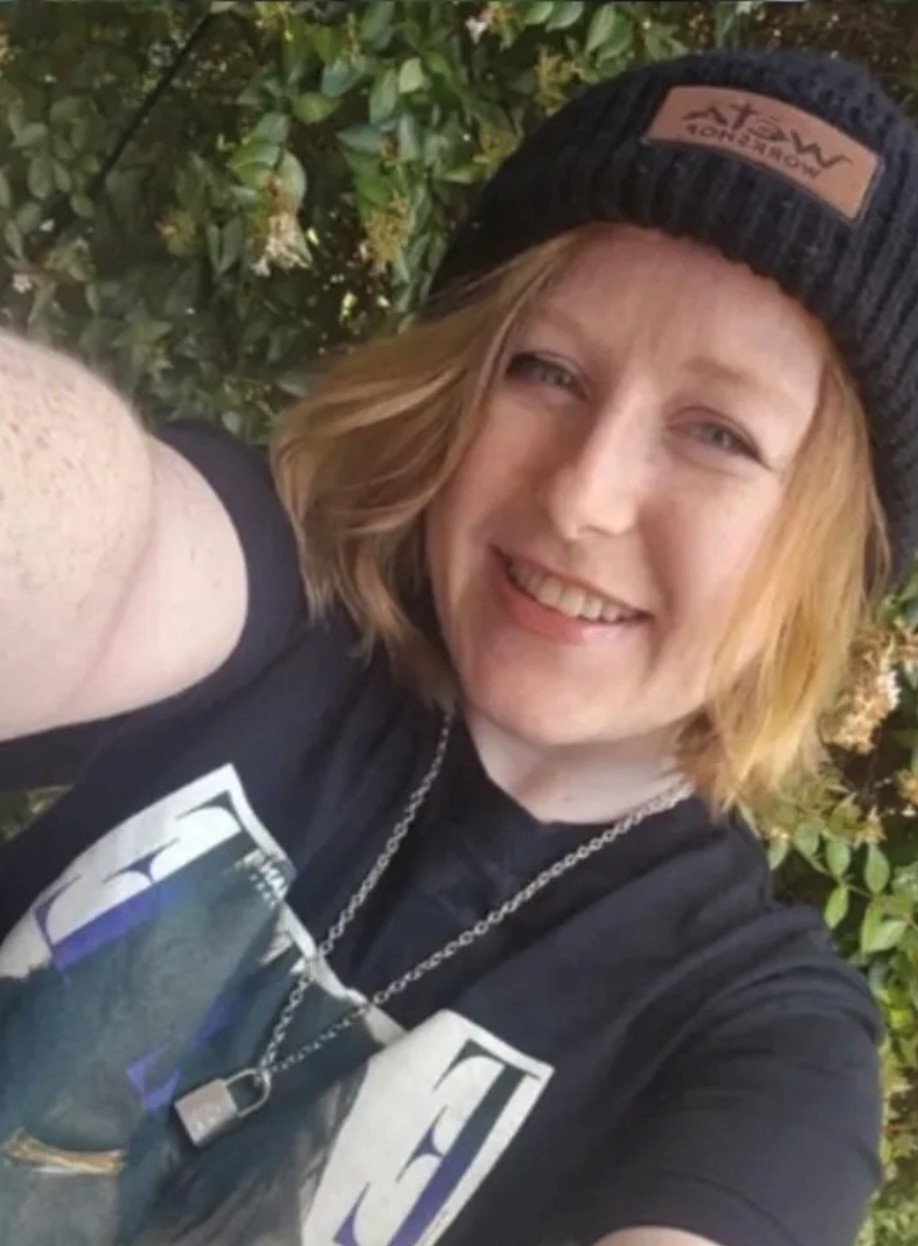
Volunteer Tour Guide at Brighton Cemetery
Rae is completing a Master of Ancient History specialising in poison and medicine. Her research and interests span death and dying across both the ancient and more recent historical world. She also holds a background in audio media through a minor completed during her bachelor's degree. Rae recently gave her first cemetery tour at a Brighton Cemetery open day and reached out after attending, keen to contribute her historical knowledge to the podcast. She can be found online as @arsenicspicedtea.
Summary
What you'll hear in this episode:
- How cemetery tours bring the lives behind gravestones back to life
- The surprising history of poison, arsenic and the colour green
- What the history of women's medicine reveals about medical knowledge
- Why ancient societies cared deeply about death and grieving loved ones
- How learning history can change the way we understand death and the world around us
Transcript
Green Poison Myth This happened for so long that the color green ended up being associated with witchcraft and evil and poison and potions to such an extent that's how we still see it today. You see it in Disney villains using green magic. You see it in cartoon poisons being green. You see it in Halloween costumes, witches with the green skin. And it left such an imprint on us as a society that just basically rewired how we see that color Speaker 4: Speaker 4: a woman called Giulia Tofana created poison disguised as makeup so that women who were in bad marriages at the time that couldn't ... Read More
Green Poison Myth
This happened for so long that the color green ended up being associated with witchcraft and evil and poison and potions to such an extent that's how we still see it today. You see it in Disney villains using green magic. You see it in cartoon poisons being green. You see it in Halloween costumes, witches with the green skin.
And it left such an imprint on us as a society that just basically rewired how we see that color
Speaker 4:
Speaker 4: a woman called Giulia Tofana created poison disguised as makeup so that women who were in bad marriages at the time that couldn't get out could slowly poison their husbands. It was for women's safety and for women who needed to get out of marriages because divorce wasn't really an option back then.
Speaker 4: I think some people regard her as one of the biggest female serial killers by proxy,
Speaker 5:
Speaker 5: and [00:01:00] chainsaws were invented to help in childbirth originally, not as how we use them today. That one's a bit insane to me, but they, apparently they were a lot smaller and not as mechanical.
Speaker 5: It was like a hand tool, but even then it's, oh, I can't imagine that
Speaker: Welcome to Don't Be Caught Dead, a podcast encouraging open conversations about dying and the death of a loved one. I'm your host, Kathryn Ashton, founder of Critical Info, and I'm helping to bring your stories of death back to life. Because while you may not be ready to die, at least you can be prepared
Speaker: Don't Be Caught Dead acknowledges the lands of the Kulin Nations and recognizes their connection to land, sea, and community. We pay our respects to their elders past, present, and emerging, and extend that respect to all Aboriginal and Torres Strait Islander and First Nation peoples around the [00:02:00] globe
Rae:
Interview with Rae
Catherine Ashton: Today I'm speaking with Rae. Rae is completing a Master of Ancient History, specializing in poison and medicine. Her research and interests span death and dying across both the ancient and the more recent historical worlds. She also holds a background through a minor completed during her bachelor's degree.
Catherine Ashton: Rae recently gave her first cemetery tour at the Brighton Cemetery open day, and I reached out to her after attending, as I was keen to actually get to know her story a little more. Now, she also has an online presence on Arsenic Spiced Tea, and we'll include that in the the show notes. But thank you so much for being with us, Rae.
Rae: No, thank you so much. I'm happy to be here and very interested.
Joining Cemetery Tours
Catherine Ashton: Now Rae, what on earth got you started to be doing a tour through Brighton Cemetery?
Rae: I moved home to [00:03:00] complete my master's when I started that, I began walking around the neighborhood and doing things back in this area, which led me to run into a neighbor up the road, and he is the president on the committee, and we s- would have conversations about what I was studying and different things that I was doing all the time. And then one day he told me, "Oh, they're doing a tour over at the Cemetery?
Rae: You should come and, see how well..." I think it was potentially the Anzac one. It was one of the bigger ones. And he's like you should come and see how they do everything, and you should... You'd be really interested in seeing this sort of thing."
Rae: So I came over, and I went and did the tour with them, and immediately afterwards, I went up to the presenters for the day, which were, I believe it was David himself and one of the other ones, and I said, "How can I join in on something like this? I'm at home studying at the moment. I do a predominantly most of my studies online, and it's so close to where I [00:04:00] am. I would love to get involved in some way."
Catherine Ashton: and involved you did, because the first tour that you did was part of the Open House Melbourne program for the weekend. And it is amazing how much history is held within a cemetery
Rae: There is. I love that part of what they do is give these stories back to many people that the locals even don't know that are buried there. There's lots of famous artists or philanthropists, even people who may have from different countries but spent a lot of time in this area that a lot of people don't know are buried in the cemetery. So we get to give back and talk about who they are and what they did when they were alive
Hidden Lives in Graves
Catherine Ashton: What are some of your favorite stories that you get to share at the cemetery?
Rae: The one that I spoke about, I believe at the tour that we did, which was [00:05:00] Monty Puncheon, who was a big philanthropist teaching different languages and going across to Japan and just doing a lot of work for children. And it was amazing hearing that someone like that, existed and was just in the local area as well at some point.
Rae: I really liked being able to talk about that. And he-- that, that whole walk on female philanthropists in general was probably one of my favorite talks that they do.
Catherine Ashton: It is something that's quite interesting because when you look at a cemetery, all the indication you have is obviously a name, m- perhaps what their next of kin were, and then their date of birth and their date of death.
Researching Epitaph Stories
Catherine Ashton: So how do you go about researching, these epitaphs and then turn them into a story?
Rae: Yeah. We do, there's a lot of research done through Trove and archival work. a lot of [00:06:00] the cemetery committee, as the heads of the committee, will also try and reach out to family and see if there's anybody that can also give insight into who they were. I know a lot of the Anzac graves, they've been ge- getting in contact 'cause they wanna put the flags up for those who have been buried, and they put an Australian flag up for them. And they recently also did a com- commemoration because they'd found a medal,
Catherine Ashton: She represents
Rae: and they were giving
Catherine Ashton: my people, and I'm gonna get back to
Rae: to a family member. They'd found a distant family member who didn't even know anything to do with the grave, and they reached out and found them and are giving back this medal to that family
Catherine Ashton: Wow, that's amazing.
Rae: Yes
Anzac Graves and Flags
Catherine Ashton: And when you talk about the, the Anzac Day and commemoration being quite a large one, what does that involve there?
Rae: Yeah. They do, specific days [00:07:00] where volunteers will come in and mark different graves as the Anzac graves. I believe they done over four hundred now, but there are still so many, and they catalog them to make sure that when we do an Anzac Day, they are given a flag, and you can tour the cemetery grounds and see that all of the Anzacs have an Australian flag.
Rae: So we get of different days coming up to then where volunteers will come and help and just catalog and help us make sure, where those flags would go. We haven't been able to do all of them yet, but we're getting close with going through and making sure that we've found all of the different spots.
Famous Names Buried Here
Catherine Ashton: the thing that I loved about it as well is that you have a very clear map of where the significant, m- gravestones are located for the ones that I had on my tour, which will come no surprise to people, is the [00:08:00] formerdirector of the Royal Botanic Gardens in Melbourne. So there was Guilfoyle's who used to be the director there.
Catherine Ashton: You have his his grave There was also Squizzy Taylor, so a bit more on the notorious side. But then you also had quite a few artists as well, which was amazing
Rae: No, they do. It, a lot of the, Oh, I've, the name has just left my mind, but there's a famous art family, and we have quite a few of them at the cemetery. The Boyds, that's it, yes.
Catherine Ashton: The Boyds. Yep. There's lots of the Boyd family, and also Fred Williams. I saw his grave as well, which was another one, I'm pretty sure it was Fred Williams. I'm just looking it up on my phone.
Catherine Ashton: Here we go. No, here we go. It's actually Frederick McCubbin that's there.
Rae: Yes
Catherine Ashton: Oh, there was quite a few, actually. But it was absolutely fascinating. What are some of the, the stories that you've been surprised [00:09:00] about?
Rae: I would say since joining and learning a bit more about them, I didn't know Squizzy Taylor was there, and that was definitely a, an amazing one to find out that he's over in the cemetery. Sir John Monash as well, is a not notorious, famous grave that is also over there.
Rae: And they've got the office photographs of the, cemetery brigade that walked down the road for his procession, and just all of the people and celebration that they had when he passed away, just photos and articles up on the walls, which you can see on the open days when the office is open.
Rae: And it's just amazing that was such a big event that happened over there as well
Cemetery Origins and Growth
Catherine Ashton: It really is a time capsule, isn't it? And I'm just looking at the f- the photos that I took of... The, the history of it dates back [00:10:00] such a long time. And so the, I think the first burial was, like, 1855
Rae: It was, it's actually a baby girl. Yeah. She was the first recorded. There is burial that was, that, that happened before then, but it wasn't recorded where the spot was or who it was. We know that there was a previous burial, but we don't have the information for them as it wasn't kept,
Catherine Ashton: but there is amazing, like the aerial photograph of the cemetery in the very early days, and seeing where the footprint of that sits now in almost like a bushland setting that would be unrecognizable to us now
Rae: Yeah. No, it's definitely expanded. The, seeing the different photos from where it started to where it is now is just amazing.
Gravestone Symbols and Design
Catherine Ashton: And also the things that [00:11:00] I note, and I always love this when I go to a cemetery, is the different architecture and design that's actually used
Rae: Yeah, definitely. I, o- of the things I really want to do with now running a lot of the social media for the cemetery committee, is a post about the different types of gravestones and the architecture of how they're designed and a lot of what they mean. Because there'll be a lot of symbolism in how they've, made the gravestone themselves.
Rae: There'll be vases or there's angels or just all of these different ways that they will have created them, and usually it all dates back to a specific story of why that would have been on that gravestone
Catherine Ashton: And that's something you're working through at the moment?
Rae: Yeah we're working on... I wanna do some more research into getting... 'Cause I know a few of them, but I wanna make sure that there's a sort of [00:12:00] varied information done, and I'll do a big 'cause I'm currently in charge of some of the social media for the cemetery
Catherine Ashton: Oh, that's great. I love that. Can you please make sure that you find out about the history of the one that's believed to be designed by Walter Burley Griffin? That amazing one.
Rae: Yeah
Catherine Ashton: a beautiful, very simplistic art deco designed, sort of tiers of different blocks of material t- piled on top of one another, isn't it?
Rae: Yeah.
Catherine Ashton: And so yes,
Rae: no, it's great.
Catherine Ashton: if you can find that out for me, Rae, that would be great
Rae: Of course, we are-- we have done a little bit of research into it, but we are still trying to see if we can find an original drawing of the plans. We haven't been able to come across that just yet, but we're trying.
Catherine Ashton: I'll stay tuned, that's for sure.
Why Study Poison History
Catherine Ashton: And tell me, you're currently completing your master's in ancient history in poison and medicine. That is very niche, Rae. What, [00:13:00] what drew you to that?
Rae: Yeah. A few things I think came together that sort of drew me into it was, I was always very into history growing up. But in high school we went over the book Frankenstein, and it's become probably my favorite book of all time. But there's a lot of medical history that went into that book itself that is not just interesting, but also very innov- innovative in that Mary Shelley, the author, was a 19-year-old girl who probably wasn't going to get this book published without the people that were behind her. But also a lot of the information she had access to because her father and mother, her mother, who passed, was a l- in feminism, and her father would let her know this type of information, which was not something
Catherine Ashton: time, they should like to have a physical rebound inside with people happening in behind the scenes and already in the public
Rae: really happen for a lot [00:14:00] of people during that time. So she got to have a bit of a window and insight into what was happening behind the scenes and all these medical innovations that were happening, and the fear that people were having behind them as well. And that was
Catherine Ashton: which makes the rooms things what they are to people. Like what, what makes them so actually
Rae: her book, which makes a lot of the themes what they are t- what made them so catching for people that they related to it. So I got very into that and the history behind how that came together, and then similarly, similar in the timeframe, I ended up having my own health issues and had a bit of a long-winded part where people still trying to work out what was going on, and part of my brain just went why? Why is that the way that is?" So I started looking into it and there's, the history of women's health and women's health sort of is the way it is because of [00:15:00] history was and how
Catherine Ashton: For his health. And after getting into all of that, I find some very fascinating the fact
Rae: women's health. And after getting into all of that, my brain was very fascinated in the fact that we're so much behind,
Catherine Ashton: I will be more than
Rae: we're
Catherine Ashton: happy to.
Rae: much more behind because of how history treated women's health back in the day, and we're still trying to catch up to.
Rae: where it is now. And so together, that sort of brought my interest into that side of history.
Women and Medical Erasure
Catherine Ashton: Tell us a little bit about how, y- when you refer to how history has treated women in the past, can you give us a little bit of an insight for someone who may not be familiar with that?
Rae: Yeah. I've done a few different areas. So one of my papers was on the ancient doctor Metrodora, believed between the 1st and 5th century BCE, she was very far ahead in medical innovation in that some of her work [00:16:00] and writings still inspired medicine today. And she would be working m- predominantly on women. She did surgeries. She treated different forms of cancer.
Catherine Ashton: All of this great work and suddenly you're part of history because society, women couldn't practice medicine for example.
Rae: doing all of this great work, and then suddenly in a part of history, we just decided women couldn't practice anymore, and we go from women, making discoveries going up, and then all of a sudden we were like, "Oh, women can't do this."
Rae: We went back down and dipped and became, not really looking into that area. One...
Catherine Ashton: very history
Rae: Another fascinating area of history that I really found was during the I believe, century. I think I've got it written down. Just make sure my facts were correct. No, 17th
Catherine Ashton: The, the Scott
Rae: In Scotland and the UK, they started doing experimentations on
Catherine Ashton: Redding, who's a Brit, sadly, it's down to 2024. Four years ago
Rae: bodies that they were being, that were being brought in to create
Catherine Ashton: there's obviously tomorrow we'll be arguing over, the frame of good and benefits to government versus bad and often we're dealing with the gRae facts to begin with. But
Rae: [00:17:00] discoveries. And there's a big moral argument over the greater good of medical discovery versus that not really being a great practice to have to begin with, but lot of the historical records show that they would be working on both men and women, but they would predominantly be reporting back the facts for a men's body. They weren't women's bodies in the same way. So we have all of these medical discoveries or discoveries about the human body, but we weren't recording the differences between men and women. We were recording them specifically for the men's body being the default. So
Catherine Ashton: With access to a school, it forgot a lot of stuff, which to me is just
Rae: with access, we were still disregarding women's health, which to me is just so fascinating that was decided even though you ha- they had the ability to actually record that information. So the difference, I think, [00:18:00] throughout history is definitely just had a point where women were doing great work with medicine and having that sort of leeway into that area, and then all of a sudden we decided they couldn't, and now we're back to looking into it again. So it to me, I, when I explain it to friends, it's like we went up and then back down again, and now we're going back up again, it's just so strange to me.
Catherine Ashton: I remember when I first found out that the clitoris was actually only recently mapped by a Melbourne doctor. And that it was not even actually part of the anatomy in the GRae's Anatomy book, which I just found amazing
Rae: Yeah one of my friends who has endometriosis has recently been talking about that with me, and I mentioned the other day that at one stage in life we were [00:19:00] diagnosing women with wandering womb syndrome, which is where the womb would wander around the body and cause women to be more agitated or hysterical. And they were just like, "What? I've never heard that before." And I was like, "Yes at one point in time, that was an actual thing that people decided."
Catherine Ashton: I think, is it true that is the the origin of the, the term hysteria, and then it actually became the word that everything for the women's anatomy became part of?
Rae: Yeah, it was a diagnosable you can't really say disease, but it was diagnosable to women for if t- basically, if they were doing anything that was out of the norm. So it was diagnosed if they were, not wanting to get married. It was getting diagnosed if they didn't wanna cook or they were disagreeing with their husbands, or just... list of reasons that a woman could have been diagnosed with hysteria back in the day just lists [00:20:00] them basically not doing what they were told. because of that, it just grew into this commonly used term that still gets used now as s- sort of synonymous with being angry, but used specifically to women. But it was never actually anyth- anything diagnosable. It wasn't a disease, it wasn't a condition. It was just a term they decided to use
Arsenic Green Epidemic
Catherine Ashton: Tell me the interest in poison, how did that evolve?
Rae: Well, and I did show this question to my friends, and they said, "Be prepared for a two-hour podcast," I talk about arsenic so often. But as my username you previously said Arsenic Spice Tea. Arsenic is my favorite poison because of a phenomenon that happened in the 19th century where they used to not have green [00:21:00] dyes and w- green dyes.
Rae: It used to be a very rich and elite thing to be able to use green in clothing or in wallpapers. And then a man, named Scheele deci- designed Scheele's green, which was a green dye compr- made out of copper and arsenic that suddenly made green dye accessible. And because of This there was a big
Catherine Ashton: This was a book for your care about this. It was in her book for your
Rae: Everyone was using it. It was in the wallpaper, it was in the dresses, it was everywhere. They were using it in everything. The problem was, is they didn't know how poisonous arsenic as a component was at this time. slowly, people were getting very sick. There were deaths. No one knew that was the cause.
Rae: So there was a lot of mass terror, people were very s- scared. They didn't know what was causing it. There was one man who actually dismissed [00:22:00] it as,
Catherine Ashton: which we
Rae: fever, often associated it with witchcraft or the occult. It was something, cursing them. essentially, this happened for so long that the color green ended up being associated with witchcraft, and evil, and poison, and potions to such an extent that's how we still see it today. You see it in Disney villains using green magic. You see it in cartoon poisons being green. You see it in, Halloween costumes, witches with the green skin. And it left such an imprint on us as a a society that we still view green in that
Catherine Ashton: Such a big epidemic that just basically rewired how we see that color. Something like that
Rae: It was such a big that just basically rewired how we see that color. And to me, something like that showing up in history is just a big sign of how we are what the past is. Even if we [00:23:00] don't try and learn history, we are still it's still a part of us. It still creates who we are today. And it was just a big driving force for me to start looking into the history of poisons and the other poisons you know, affected who we are and how our study is, how medicine is created, how poisons were used by people, and just the
Catherine Ashton: have over our city. It's clearly something of such a curiosity and such a big wow factor that we still see it, it's still used in that way. It's still the little tourist
Rae: they have over us.
Rae: Because clearly something such as the arsenic epidemic can leave su- such a big mark on us that still see it. It's still used in that way. It's still the witch's color. and yeah, so that, that was my favorite poison. And I know it's a strange thing to have a favorite poison, but yeah.
Rae: N- I definitely think that it's just so fascinating that we can have something like that affect us
Giulia Tofana Makeup Poison
Catherine Ashton: What are some of the other ones that you discovered that [00:24:00] you didn't really know were the origin and you went, "Ah, that's where that comes from"?
Rae: Yeah. Oh, another one is we associate poison with women because there was a poison in, I think it was about the 20th century, but it went on for quite a while, where a woman called Giulia Tofana created poison disguised as makeup so that women who were in bad marriages at the time that couldn't get out could slowly poison their husbands. And it impacted this idea that poison is used by women, I
Catherine Ashton: that, if people still sing your praise and say, "Oh, someone's gonna praise themselves."
Rae: still it's reflected in horror movie, or not horror movie, sort of thriller movies or Agatha Christie or things like that. And people still see poison as, oh, and if someone was gonna poison someone, it would be a woman.
Rae: That's a woman's crime sort of thing. And [00:25:00] but she was such a fascinating person. She had barriers. Like you had to know someone, you had to have a referral, you had to be, checked out before you could get to her. You had to, definitely be
Catherine Ashton: For someone who has worked
Rae: was worth getting this poison off of her, she did it for the masquerader good of women.
Rae: She didn't do it just because, oh, you just didn't, you just, you just wanted it or something like that. It had to be... It was for women's safety and for women who needed to get out of marriages because divorce wasn't really an option back then. And what it would do is would look like a compact or a perfume on a woman's vanity.
Rae: It didn't look like anything bad. And they
Catherine Ashton: For the little things
Rae: little bits into the men's food, and they would slowly get sick,
Catherine Ashton: present in such a way that it looks like we're going to succeed
Rae: sh- present in such a way that just looked like they'd gotten sick and passed away. So there would be no trace back to the wife, and it helped so many women. And
Rae: Some people regard her as one of the biggest female serial killers of all time. Maybe when you come
Rae: I think [00:26:00] some people regard her as one of the m- biggest female serial killers by proxy, even though you can't prove how many people were really affected by what she did because it was so secretive. And she was found out one day because one, one person who got the poison off of her the last minute felt really bad and up telling the authorities what was going on. She co- she couldn't go through with it, and that took down the whole empire that Giulia Tofana had
Catherine Ashton: what happened to her?
Rae: I don't find a lot of things that say exactly. believe she probably would have gotten in a lot of trouble. A lot of people, have said she would have just been, taken away, something like that, pr- probably something horrible, honestly. But, I think she was probably, a very, a, a vital [00:27:00] piece that people needed in that time, and she definitely came up with a s-
Catherine Ashton: Not
Rae: Not
Rae: a
Catherine Ashton: an ideal solution
Rae: solution,
Catherine Ashton: a solution
Rae: but a solution that was needed for situations back then where there wasn't any other solution
Catherine Ashton: That is absolutely fascinating.
Everyday Plants That Kill
Catherine Ashton: And what are some of the other,
Rae: Yeah
Catherine Ashton: sort of commonplace poisons that you've been researching?
Rae: Oh things like the plant wisteria that a lot of people have outside, that one's poisonous, and a lot of people don't recognize that. There's also cyanide is actually in apple seeds. with enough apple seeds, it can make you sick, but a lot of people don't realize because it's such a small concentrate that it wouldn't actually affect you just eating a single apple.
Rae: You'd probably need, hundreds or thousands of them. Oh, there's not any other ones I can think of off the top of
Catherine Ashton: Oleander is one that, the one that always comes to mind for me[00:28:00]
Rae: Yeah. Yeah. Oh yeah, de- foxglove is another one that's a plant that a lot of people don't recognize as a poison 'cause they see it as the plant first. There was... I forget the scientific name, but there's a flower that gets called smilex it's it basically, it, when you're poisoned by it, it constricts you so you end up smiling, and it was part of the inspiration for the Joker comics 'cause of his big smile
Catherine Ashton: It's so interesting that you say that because when you were talking about all of the, the different things that we've become synonymous about, the arsenic, I was thinking poison ivy. I was thinking of the game Cluedo.
Green Villains Legacy
Catherine Ashton: I was thinking of The Wizard of the Oz with the the Wicked Witch of the West.
Catherine Ashton: All of these things, they really have become part of our culture, haven't they?
Rae: Yeah, and it's just so fascinating how impacted green as a color is. [00:29:00] You c- every time I see a new thing with green, I'm ... you look at that, or c- I look at it and go you can trace that back to, how arsenic was pictured." A superhero movie comes out, and the villain's all in green, and it's like you can trace that back as well. It's just, it's very fascinating to me.
Ancient Medicine Roots
Catherine Ashton: You mentioned earlier that there, y- you've actually been able to track where we see modern medicine today and its origins back in how ancient societies have understood, medicine and poison. Can you give us a little insight to that
Rae: Yeah. So especially with Metrodora again, she was doing a lot of treatments and diagnosing of women's health. There's actually an institute in America Utah, called the Metrodora Institute that recognizes who she was as a female doctor of that time, and of her historical texts and writing were [00:30:00] still used to inspire ways of diagnosing illnesses and almost being a precursor to how you would, create types of
Catherine Ashton: Her medicine's more on the holistic side where I think she, she do have ways of diagnosing people in that world too
Rae: Because her medicines, more on the herbalistic side, were she did have ways of diagnosing people that were working, and it's, a lot of ancient texts like this are what inspire medicine today. Because it... A lot of-- The
Catherine Ashton: So
Rae: misconception is that
Catherine Ashton: consumption leads to an overweight
Rae: weren't effective or medicine wasn't working historically.
Rae: Modern medicine's the way to go, And modern medicine is the only thing that has ever worked. But there have been medicines in the past that have helped or have done what they were supposed to do. It's definitely... definitely shows how it progresses because we have this starting point.
Rae: It's not that [00:31:00] the ancient medicines were perfect and definitely exactly what we needed, but a lot of the time they're a good starting point to see that, that was working in some way. How can we build off of that?
Indigenous Knowledge Revival
Catherine Ashton: And it's something that we're seeing now, like especially in Australia with recognizing our connection with the oldest living culture. And the medicines and the bush foods that they have been using for thousands of years are actually something that we can draw upon now
Rae: Yeah, exactly. I actually am trying to at more into the Australian history side. My course doesn't delve into it as much as I want to delve into it. We recently had a speaker come to the cemetery committee from what was the WEHI Institute, which is one of the research, medical research institutes in Melbourne, and one of their focuses is [00:32:00] on Australian medicine and Australian history and the history of different medicines culturally and how they can be brought modern medicine, how you were just ex- talking about them.
Catherine Ashton: chapter on accessibility and options before we sign off because it isn't doing this like a lot like other places. So it's a pretty relevant thing
Rae: I reached out to them, and they sent me a few texts to be able to look over because there isn't too many study pathways at the moment that specifically delve into those areas, but there are readings and ways to do it on your own. So I'm looking into getting into doing that
Accidental Medical Inventions
Catherine Ashton: And tell me, with the w- work that you've done in looking at the, the history, is there any particular case or figure other than the ones that you've mentioned where it has really stuck with you, that you've gone, "Oh, wow, this is phenomenal"?
Rae: That's a great question. I think Other than I've mentioned? Ooh, I think I've gone over all the ones that I'm obsessed with. I think [00:33:00] s- smaller ones that I could bring up were finding out the origins of how specific medicines or specific medical devices were created was definitely something that I was
Rae: a bit shocked
Rae: by.
Rae: There's one, I think penicillin was discovered because the lab froze over, and it was an accident. Defibrillators were first invented to help
Catherine Ashton: drowning
Rae: victims instead of restart a heart, and
Rae: chainsaws
Rae: were invented to help in childbirth originally, not as how we use them today. And the more items like that I discover, it makes me very almost concerned sometimes about how historical things were being used, especially finding out that chainsaws were invented for childbirth.
Rae: That one's a bit insane to me. But yeah. and then seeing how their brains worked to think that those would [00:34:00] help. Defibrillators for a drowning victim
Rae: did work in some cases because it did shock water out of the lungs, but then it wasn't most effective tool for what that was, and then eventually they discovered, oh, it's actually an effective to, for the heart more so than the lungs.
Rae: And it took it being invented and being used, and then other people coming and seeing how it was used changing
Rae: use for us to have such tools that we have today and are very vital to the medical field that we have now too
Catherine Ashton: It is frightening that is the origin of some of those. Th- there is no way that you would actually put those two in the same sentence normally, chainsaw and childbirth
Rae: Yeah. Yeah that one was very shocking to me when I found that out. I was... But they, apparently they were a lot smaller and not [00:35:00] as mechanical. It was, like a hand tool, but even then it's oh, I can't imagine that.
Catherine Ashton: No, not at all.
Why Cemetery Tours Matter
Catherine Ashton: And tell me, what is it now you've been doing these tours for a while, that you find that having a, a, a walking tour provides you and te- teaches us about death that, some of the textbooks can't teach us?
Rae: Yeah. I think that the most important part of those tours is it gives the stories back to those who have passed away, in doing so, it creates not just a name to a, a gravestone, it it gives you a picture of who they were and what their lives were before they had died. And having that sort of connection with someone, even if you know a figure you've never heard of before, having a certain [00:36:00] connection to them changes the way that you see them as a grave. S- I think it's really important to have that sort of connection with the, these historic graves, and it takes away that element I think a lot of people have of a gravestone, just being in a graveyard. It's ... They don't see the person behind it or the history behind it, or any of those factors, which, it just brings back
Catherine Ashton: This brings back a sense of life
Rae: a sense of life in the death a way.
Rae: It's I'm probably not explaining it the greatest way but to me that's really important
Cemeteries as Community Memory
Catherine Ashton: Therefore, who are the cemeteries for, do you think? When we go into them Especially when we look at a grave that might be there, w- [00:37:00] we date back to 1855, what can it teach us if it's still there?
Rae: I think what cemeteries are for is there's a very, there's an old historic idea that cemeteries were supposed to be a place people went. they used to have gazebos and benches, and it used to be a place that you would see families going to have a picnic and visiting their loved ones, and being a very vital part of day-to-day society,
Catherine Ashton: which we
Rae: we've drawn
Catherine Ashton: Draw down our way to
Rae: further away from today.
Rae: So I think cemeteries today are less in that sense,
Catherine Ashton: It could be, for the people, even if you don't learn,
Rae: know,
Catherine Ashton: specifically, it's more likely to make some sense. It
Rae: it's your local community in some sense,
Catherine Ashton: should be a space that people can go
Rae: go and visit and have form of connection just back with the past. [00:38:00] I think that
Catherine Ashton: All the grades, sections, solutions, the design, the, the housing, the, the view where, who this, who, what this area was, who the people who created it, who came here. It gives some connection back to the place that you're in
Rae: older graves, such as from 1855 it tells you, who you were, who this, who, what this area was, who the people who created it and lived here were, and it gives that connection back to, the place that you're in. We, my family's only lived here for a couple years in this area, but having the cemetery be there and learning about, different artists or different people that had been around the suburb who, even seeing some of the historic events or
Catherine Ashton: The crimes, the opportunities, it all creates a picture of what that subject wants, who is he or she, why
Rae: major crimes that have come up on tours, it all creates a picture of what that suburb was and who was here and why the street would've been, changed to What it was.
Rae: Or I think, th- there's a dam where something bad happened, why that changed and they put fences up, why it [00:39:00] looks the way it does, why things seen how they are, because there were stories that were there before them, so they were changed by the people that were here. seeing those people in the cemetery, it gives you that idea of they were real and they existed, and, they're just a much a part of m- area as we are living here now
Peaceful Moments Among Graves
Catherine Ashton: What is your favorite part of the cemetery?
Rae: My favorite part is like to go down there when there's not too many people, and I go and sit down in one of the grass areas, just seeing the sun come out and having the, oh, it's almost like having a little space to yourself for a second. And it is so relaxing, and I'll just be sitting there, and I'll visit a couple of the grave sites that I find, really pretty or really significant.
Rae: I often go [00:40:00] up to the hillside with one of the bigger trees where the first grave is, and there's a little stump where you can sit, and I'll sit down there, and can just hear, everything around you. You can hear the birds. You can hear people walking past, and it just feels like a little
Catherine Ashton: Thy cups be swollen with
Rae: capsule spot where everything just seems so relaxing. I think one of my favorite memories was I was there the other day, and all of the magpies for spring had... were coming up, and they were coming up right up to me because no one was around, it was just
Catherine Ashton: See little within minutes, but just really incredibly happy. And I was so happy that I could just sit there and I felt like I loved that experience
Rae: little, 10 minutes that just really made me happy, and I was so happy that I had sat there that day and had that experience.
Catherine Ashton: I love that. And the thing that always strikes me when I'm in a cemetery is how wide the sky is, because there really isn't a lot [00:41:00] except for the treetops when you're walking around that is towering over you, and there is this big space that is taken up generally in a city block or in a suburban block, and there isn't anything towering over it.
Catherine Ashton: So you can appreciate the birds, the grass, the trees, and just the beautiful open sky as well
Rae: Yeah, exactly. It's like its own little spot that just exists in this peaceful little s- of its own world almost
Digital Storytelling and AI
Catherine Ashton: And tell me, you've mentioned a little bit about how you're now doing the social media for the cemetery. And your background is actually in audio media. How do you think, how do you think the role of sort of AI, digital storytelling those sorts of things will... What their role will bl- be in telling some of these stories as we move [00:42:00] through into the future?
Rae: Yeah. I like to create a lot of the videos and a lot of photos myself, as well as post different s- historic figures and give a little bit of a story of who they were when I'm making a post. am not the biggest fan of AI a lot of creative fields. In that sense, I know that a lot of people have been moving forward in using AI to, as a historical device, but it has been coming across in ways where a lot of them aren't getting a, the facts fully correct, or they'll have an AI-generated, "Oh, let's walk through Pompeii", and then an actual historian will look and say this street wouldn't have looked like this, and people wouldn't have walked on this type of area.
Rae: And that's over there was his,
Catherine Ashton: completely historically accurate. So I do think that there is some element of belief in
Rae: Completely historically inaccurate." So I do think that there is more of an [00:43:00] element of keeping it human and personal that really helps connect those stories to people. I have in the past previously thought about doing something like a podcast or using that media degree that I have to do something similar.
Rae: N- I feel like probably would end up more about poisons and things like that if I did, I'll try and do something with the cemetery, and it could be more about the stories of the people that are there. But I do think keeping it more personal and having that relationship with not only the human connection of who they were, but the human connection of talking to another person like the tours are, even if it's through a screen, having that face-to-face and that knowing that the person behind the s- screen is someone that you could go to the cemetery and meet at the tours and have another conversation with.
Rae: And it just brings a, a more personal element to [00:44:00] historical journey that you can t- you know, talk to somebody about it and, end up me- you never know who you end up
Catherine Ashton: We were
Rae: doing
Catherine Ashton: doing that as well
Rae: Such as meeting on the tour that we were on.
Catherine Ashton: Exactly, and that's what I love about it.
Modern Poison Fascination
Catherine Ashton: And something that I should ask you about is, one of the most popular podcasts that we've seen in recent history has actually been about one of the most famous poisonings in, in really recent history, and that is involving mushrooms and beef Wellington
Rae: Yes. Yes. My, my mom teaches history and legal studies, And every time that was on when that was happening, we were having so many mini debates and discussions over it at the time. So it's definitely also brought newer people [00:45:00] to the f- to, realize the effects that poisons can have.
Rae: A lot of people, didn't have any insight into the fact that mushrooms could do... I know the mushroom itself was called death cap, so it's very hard to not know that would've, that it would've been poisonous to begin with. But I think a lot of people didn't have information before, and it started to bring, that information to people as well.
Ancient Grief Misconceptions
Catherine Ashton: And tell me, what are some of the misconceptions or the lack of understanding that the general population have that you've seen in how ancient cultures have actually dealt with death or m- medicine or poison?
Rae: I think a lot of it is that people try to claim that either medicine didn't work, as I was saying before, it wasn't effective or it was primitive is something that people often try [00:46:00] to say about that sort of thing as well. I think, one that I did get quite about with researching was a lot of people try to claim that ancient societies
Catherine Ashton: fair
Rae: care about death when it came to their children.
Rae: They were used to it. I saw different accounts of this blatantly being proven wrong. One, one account that gets a lot of traction is Tutankhamen, the famous pharaoh that a lot of people know. They actually found that he had two daughters who unfortunately had passed away in childbirth.
Rae: And he not only gave them their own proper burials and, placed in a treasury chamber and treated
Catherine Ashton: put so much care and thought into each of these labels. Like this one, it's customized for very interesting
Rae: much care and love, but they were also given a spot when he passed away so that they were next to him in [00:47:00] his tomb. So when people try to claim ancient societies
Catherine Ashton: People try to find the ancient societies didn't care or older societies
Rae: care or ancient societies had a different way of viewing death and they were used to it and it wasn't something that they if a child had passed away in childbirth such as his daughters had, they didn't do all
Catherine Ashton: It's the same things that
Rae: the same
Catherine Ashton: we work on
Rae: they would have. And it's just not true. They deeply cared. There's
Catherine Ashton: it was so much further
Rae: proof that showed that not that they, did not just see it as something that just happened which is what a lot of historical texts try to say or even in more modern histories where it was more common that people passed away young or, death was happening in the families and they try to push it away and say, they were used to it," or
Catherine Ashton: were aware that was going to happen or that potential outcome that could happen. They knew that was, eventually someone in the family, their brother came, he was after them and they were still very determined
Rae: were aware that was going to happen or a potential [00:48:00] outcome, that, that could happen. They knew that was eventual to someone in their family, but it doesn't change the fact that were still hurt. They still grieved. They still cared. It wasn't that they just saw it as, "Oh, that just happens." so that's a
Catherine Ashton: section that I think
Rae: that I
Catherine Ashton: people
Rae: people should
Catherine Ashton: try
Rae: try
Rae: and
Catherine Ashton: and not try to
Rae: into
Catherine Ashton: or people themselves
Rae: should stop writing about it as much trying to claim that they just care because they...
Rae: There's so much evidence that shows that even in ancient times, they deeply cared
Catherine Ashton: It's interesting that you say that because I recently watched the film Hamnet, and how that actually tries to retell that story around the evolution of, or the origin of Hamlet by-- written by William Shakespeare, and how the origin of that was based on the death of his son. And that was interesting as well, [00:49:00] that I don't think that anyone knew that side of the story and the fact that William Shakespeare had a son who died when he was very young.
Catherine Ashton: And again, just actually making us think about just because there was a large population that died during the, the plague doesn't necessarily mean that the loss of that one person was felt less because many people were dying
Rae: exactly. Yeah. I think it's really important to recognize that even in those times when a lot of people were dying, that people didn't just think of it as a day-to-day practice. They still cared. They st- they still had loved ones. Yeah, even in an, the story Frankenstein that I previously spoke about people don't realize that a lot of that is also grief in that Mary Shelley's mother died when she was young, before she
Rae: I think in childbirth. And her hus- her [00:50:00] husband died young at s- sea, and quite a few of her children had also passed away. So that idea of Frankenstein, which was creating life, has aspects that just show the grieving process that she was having was writing it. It reflects all of those feelings and shows how deeply they did care, even if it was done in a creative, responsive way.
Rae: It's not, blatantly saying how she feels, but you can definitely feel that through how she writes
Catherine Ashton: I think that's a really interesting point to make.
Getting Into Local History
Catherine Ashton: And I th- for someone who is interested in perhaps actually doing may- more research or maybe learning more about how they can tap into their local history, the history of their local cemetery how do you suggest that someone gets, gets involved with that work?
Rae: I think the best way to do that is to get [00:51:00] in touch with local committees. A lot of the cemeteries and historical areas are run by locals, and a lot of it is like how we are, a nonprofit, locals with an interest in history doing it for the love of the history itself. And know we have a website that has details.
Rae: I know a few of them also have that. w- a part of our committee, we have so many people who love to do the research. They, on open days, will welcome people to come over and be, and tell them what, "Who are your ancestors? I'll look them up for
Catherine Ashton: I'll have a look for you. Sorry to get in my friend
Rae: Let me have a look for you," sort of thing like that.
Rae: So getting in touch with the people in your area who are doing that sort of work would definitely love to teach other people how to do that and how to find information out like that. I think Trove is a great website. It's [00:52:00] an archive website that you can look into, and it tells you different, it'll h- different articles, censuses. Any sort of information that's been uploaded, you
Catherine Ashton: The sort of information that can help workers manage their equipment and reduce their risk
Rae: put in names and dates, and it'll come up with different information, and it's a very good tool to use. In the wider scope of learning history,
Catherine Ashton: There's a lot of creative pops out there these days. A lot of like fun,
Rae: I think there's a lot of creative paths out there these days. A lot of like podcasts such as yours exist that wanna teach people, and I think more in the modern side, it is gaining more and more, traction and more and more information. more people are doing this, this sort of work and wanting to teach people,
Catherine Ashton: More people doing this, this sort
Rae: becoming
Catherine Ashton: of work in one of the big portals and it's becoming a bigger area that is
Rae: a bigger area than it used to be. And there is so much information that, is out there or that someone's willing to teach that is just, it's, amazing how much you can [00:53:00] find these days.
History Shaping Life Choices
Catherine Ashton: Rae, for you, what do you think learning about history and specifically, your focus on poison and medicine, what has that done for you to shape how you view life and future?
Rae: I think it's definitely changed my life trajectory as I was originally wanting to study in literature and and go down a path of writing, which I still wanna do, but I Wasn't as invested in the way that I am now. And then I had my own health issues come up, and then that changed my want to look into things. then suddenly I became so fascinated that I went into doing the master's. So I don't think my life would've gone in the same [00:54:00] direction as it would have if I didn't pick up all this information about women's health history and the different ways that it's affected just all of medical advancement. And I think For myself history's just always been something I've been interested in, but it's definitely like a vital piece of I'm going to do things even further in my, career or wherever I end up. I'm still really wanting to do writing. I'm-- I have a book idea I'm working on that is components of, like the fantasy idea and the creative ideas that I have now has a basis of history I've i-integrated into it.
Rae: Like probably, if
Catherine Ashton: Wasn't in my area when I was here. I wouldn't have had that aspect. I wouldn't have the connection of creative and history together that I do now
Rae: in the area that I was now, wouldn't have [00:55:00] had that aspect. I wouldn't have a connection of the creative and history together that I do now, and I think it's going to help create where I end up
Catherine Ashton: Yeah.
Rae: future definitely be a big part of that
Catherine Ashton: Does it made you view everyday life in a different way?
Rae: I, in a way, yes. I think my everyday life does include and going to different specialists these days. And go into that knowing a lot more of the medical side and a lot more of the history behind how my health is viewed. And I think [00:56:00] even my own health now, I have a better understanding of why it is the way it is and it might still be slightly behind, but I know why.
Rae: And I think if I didn't have that why before, I might have always been a bit annoyed or a bit, upset in how everything has progressed. But these days, I'm sort of-- I'm annoyed at the idea that history had done that, but I'm also understanding of the fact that there's not much can change in this moment and my health my-- the way my health is dealt with is that way because of
Catherine Ashton: There's a thing with
Rae: all
Catherine Ashton: that history of
Rae: history that has happened before it. And I think knowing different types of medical history [00:57:00] also allows me to look into different areas and of, medicine as well. I don't think I would have done that before. And in the more
Catherine Ashton: Thank you
Rae: day-to-day, I think viewing the world with a historical background is definitely a lot different than not. I often, when talking to friends, I put a lot of importance on you should know history, and you should learn history because it helps you know the world better.
Rae: It helps you understand what's happening in the world. It hap- there's pattern recognition for different things. There's understanding why different decisions would be made or just anything like that often leads back to a lot of historical background information that
Catherine Ashton: Too
Rae: people should know,
Catherine Ashton: young.
Rae: a lot of people don't actually know
Catherine Ashton: yet at the front
Rae: It's not... It hasn't become something that's integral to know. So I think reading different [00:58:00] articles And different things happen in the world, I definitely have that background in the back of my head of un- that just helps understand or I'll explain things to, my family or friends and be, just 'cause I'll recognize something.
Rae: And I think that's probably very different to how I would have been if I didn't learn all of the information that I have
Advocating Through Knowledge
Catherine Ashton: And with that historical context, do you think that you've become a better advocate for yourself?
Rae: I think so. I think I definitely pick up on a lot of terminology and things like that these days, from knowing. So I also do push, out for things to be tested or things to be done if I'm in a position where I know... one thing that my family picks up on is sometimes a doctor will be trying to explain something, and if I already know what it [00:59:00] means, I'll just start talking with them or something will happen, and I'll just have a conversation if it's really normal.
Rae: And they'll be like, "That's-- People don't normally,
Catherine Ashton: Think about that way, have a conversation like it's normal, you can see sense of calmness about it
Rae: a conversation like it's normal, you seem very desensitized." And I'll be like, "I it's-- I, I know what's going on, and I know how to have this conversation," which is definitely probably a bit different than going into a medical situation and not really knowing what they're saying or doing.
Rae: So I've had quite a few different accounts where I've gone into a medical appointment or a scan or just something where I've started talking to a doctor, and they've gone like, "Oh you understand
Catherine Ashton: This sort of stay with
Rae: sort of thing."
Catherine Ashton: it, definitely changes the final essay
Rae: definitely changed that, if I know what they're saying, then I know how to and then, if something's going a certain way, I know how to say, "Oh actually, can we do that?"
Rae: Or
Catherine Ashton: you know I love nothing more
Rae: already done that before, and
Catherine Ashton: than I love it
Rae: it I know what that is. Can we do something differently?" And so yeah, I think [01:00:00] it definitely has made me a better, better advocate because I know how to interpret what's going on and make sure it's going in the direction that it be almost.
Final Thanks and Farewell
Catherine Ashton: No, there, there's some really amazing power in that, and I can't thank you enough for sharing your world of poisons and ancient history and the origin of medicine and where, things that we take for granted today, what their origin has been. So thank you so much for spending time with us today, Rae.
Rae: No, thank you so much. It's honestly been such a great opportunity to come and do this. I haven't done something like this before I'm really glad you reached out when we met, and no, thank you so much.
We hope today's conversation gave you something to think about. And if this episode has brought up feelings for you of grief, loss, or bereavement, please note that you don't have to navigate that alone.
We have an after-death guide to support you, [01:01:00] and you can find grief and bereavement support organizations through the Critical Info Resource Hub. The links are in the show notes. And remember, you may not be ready to die, but at least you can be prepared
What if something happened tomorrow? A sudden hospital stay, an accident on an overseas trip, or something happening to someone you love. Do you know where the important documents are kept? Can someone speak for you when you can't? Do you know your loved one's wishes? You don't need to organize everything today.
Take our free three-minute Critical Info Check. It helps you see what you've already got covered and what your next step could be. Three minutes, one next step. The link is in the show notes. Critical Info is your backup plan for life's unexpected moments. [01:02:00] If someone came to mind while you were listening to this episode, why don't you send it to them?
Sometimes the easiest way to start a difficult conversation is to actually start with someone else's story.
Read Less
Resources
Connect With Rae
Rae shares her historical research, cemetery stories and interests online as @arsenicspicedtea.
Resources Mentioned
- Trove — National Library of Australia’s Trove — a useful starting point for researching Australian local and family history, including historical newspapers and archival records.
- Brighton General Cemetery — Brighton Cemetorians — the community group working with the cemetery on research, preservation and tours.
- Brighton General Cemetery — Southern Metropolitan Cemeteries Trust — official cemetery information.
- Metrodora — PubMed: Metrodora, an innovative gynecologist, midwife, and surgeon — a medical-history reference discussed in relation to women's medicine.
- Rae recommends: A medical history podcast called Sawbones
YOUR NEXT STEP
Don’t try to do everything at once.
Take the free 3-minute Critical Info Check to see what you’ve already got covered — and what your next step could be.
Take the Check:
https://gettingstarted.criticalinfo.com.au/
NEED SUPPORT?
If this episode has brought up grief, loss or bereavement, you don’t have to navigate it alone.
The Critical Info Resource Hub connects you with organisations and services offering grief, bereavement and other practical support.
Find support through the Resource Hub:
https://criticalinfo.com.au/support/
KEEP THE CONVERSATION GOING
Join Critical Chat Tuesday, a free online conversation every Tuesday at 7pm Melbourne time.
You can ask a question, listen to others or simply come as you are.
Find out more:
https://criticalinfo.com.au/events
IF SOMEONE HAS DIED
If someone you love has died, our After-Death Guide — My Loved One Has Died, What Do I Do Now? — provides practical guidance to help you navigate what needs to happen next.
Find the After-Death Guide:


Share