


The Reality of Navigating Death for Ageing Parents with Jean Kittson



Listen now
About this episode
Jean Kittson has spent a lifetime making Australians laugh, but behind the humour is a deeply personal and confronting exploration of death, dying, grief, and the aged care system. In this episode, I sit down with comedian, author, speaker, and Patron of Palliative Care Nurses Australia, Jean Kittson, to talk about how her own fear and avoidance of death transformed into advocacy and education around end-of-life care.
Jean shares how growing up in a family that never spoke about death left her feeling frightened, unprepared, and emotionally disconnected from grief. She reflects on the first time she saw a dead body, the misconceptions she held about palliative care, and the surprising warmth, humour, and humanity she discovered within the palliative care community.
Together, we unpack the realities of navigating ageing, hospitals, residential aged care, advance care planning, and the heartbreaking gaps families can fall through when support systems fail. Jean speaks candidly about the traumatic deaths of both her parents, the emotional toll of advocating for them, and the lessons she wishes every family knew before facing end-of-life decisions.
This conversation is raw, honest, funny in moments, and deeply important. It’s a reminder that planning matters, conversations matter, and that no matter how informed we think we are, none of us should have to navigate death and dying alone.
Remember; You may not be ready to die, but at least you can be prepared.
Take care,
Catherine
Show notes
Guest Bio
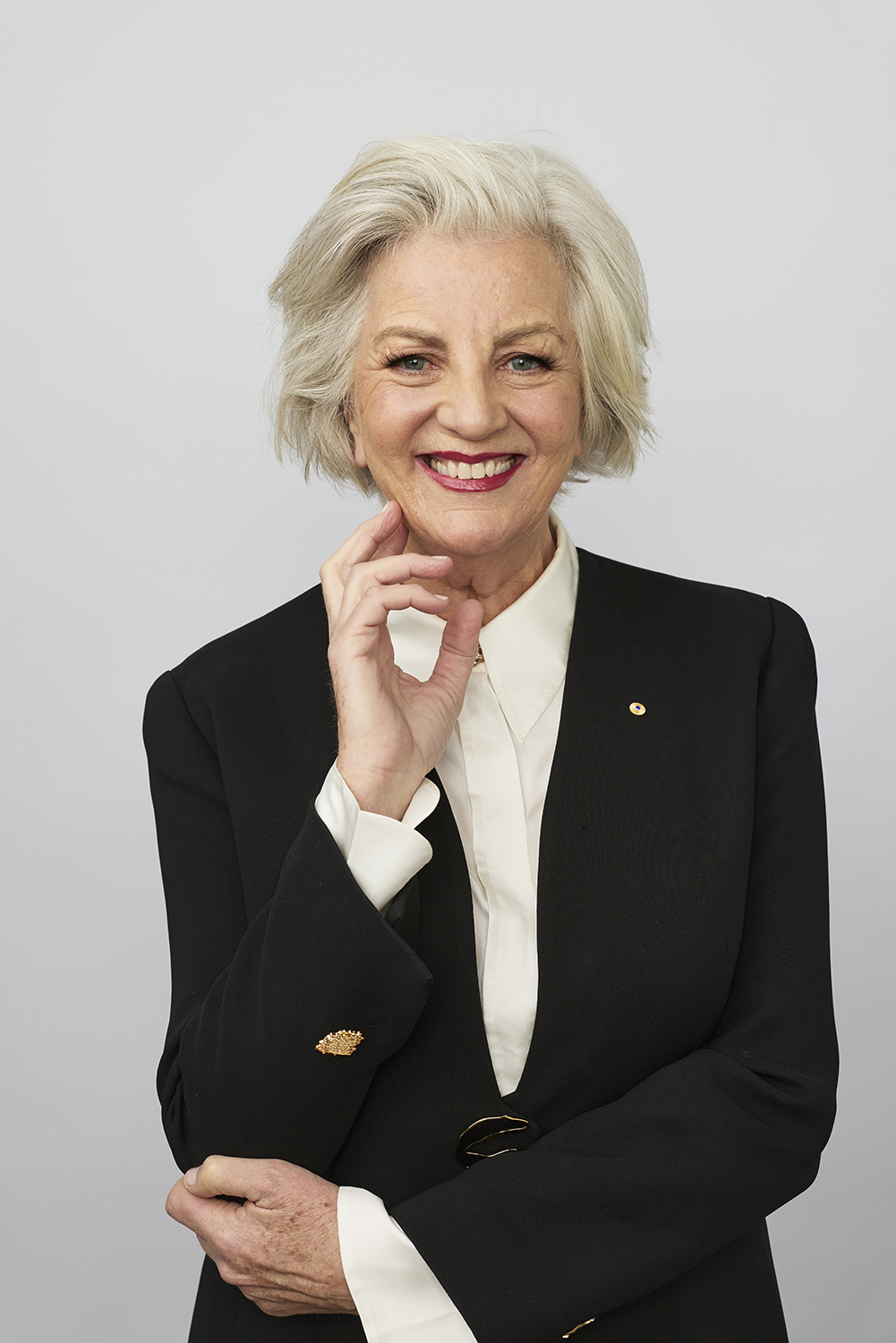
Author, Public Speaker, Actor and Comedian
Jean is an author, public speaker, actor and comedian.
Jean came to national attention on ABC TV’s, 'The Big Gig', followed by Let the Blood Run Free, Kittson Fahey, Good News Week, the Glasshouse, Flat Chat, The Einstein Factor, and many more.
She recently appeared with Denise Scott and Matt Okine in both series of the remake of Mother and Son.
She was a long-lasting participant in Celebrity Apprentice
She appeared alongside Krew Boylan, Rose Byrne and Celeste Barber in the recent Australian film Seriously Red. Now on Netflix.
She was made a guest appearance on Wellmania with Celeste Barber
She has appeared in many theatre productions including David Williamson’s Siren, Calendar Girls, Mum’s The Word.
She was a long-time regular panellist on ABC 702 drive program, Thank God It’s Friday (TGIF)
She has conversed twice with Richard Fidler on Conversations, Radio National.
She was invited to speak about menopause at the National Press Club.
She has been a regular columnist with the New Weekly, the Sunday Telegraph, the Sydney Morning Herald, and many more.
Jean is currently a columnist with the Australian Carers Magazine.
She is the author of three books, including the best sellers:
‘You’re still hot to me, the joys of menopause’ and
‘We need to talk about mum and dad, a practical guide to parenting our ageing parents.’
She is the new host of a new podcast series; ‘DARE: The time of your life.” Tailored for people over 50, formerly known as Life's Booming, it features interviews and stories that challenge aging stereotypes, focusing on travel, health, relationships, and reinventing life after 50.
She was the founding chair of the Australian Gynaecological Cancer Foundation (AGCF)
She is currently the Patron of Palliative Care Nurses Australia, and an Ambassador for the Raise Foundation (youth mentoring), the Macular Disease Foundation, the Australian Gynaecological Cancer Foundation and Taldumande Youth Services.
In 2023 she was appointed a Member of the Order of Australia. (AM)
Summary
What you’ll hear in this episode:
- How Jean’s fear of death was shaped by silence and avoidance growing up
- Why palliative care is about living well, not just dying
- The misconceptions many people, and even medical professionals, still have about palliative care
- Jean’s experience advocating for her parents through aged care and hospital systems
- Why advance care conversations and clear planning matter so much
Transcript
[00:00:00] In my life, all my death experience had been either like very far removed or pretty traumatizing. And it wasn't something we ever talked about in our family at all. We never talked about death or dying. My mother-in-law had just died and the nurses invited us to see her body. And I'd never seen a dead body or anything. I'm going, "I don't know if I can do this, you know. Catherine: Welcome to Don't Be Caught Dead, a podcast encouraging open conversations about dying and the death of a loved one. I'm your host, Catherine Ashton, founder of Critical Info, and I'm helping to bri ... Read More
[00:00:00]
In my life, all my death experience had been either like very far removed or pretty traumatizing. And it wasn't something we ever talked about in our family at all. We never talked about death or dying. My mother-in-law had just died and the nurses invited us to see her body.
And I'd never seen a dead body or anything. I'm going, "I don't know if I can do this, you know.
Catherine: Welcome to Don't Be Caught Dead, a podcast encouraging open conversations about dying and the death of a loved one. I'm your host, Catherine Ashton, founder of Critical Info, and I'm helping to bring your stories of death back to life because while you may not be ready to die, at least you can be prepared.
Don't be caught dead. Acknowledges the lands of the Kulin nations and recognizes their connection to land, [00:01:00] sea, and community. We pay our respects to their elders past, present, and emerging, and extend that respect to all Aboriginal and Torres Strait Islander and First Nation peoples around the globe.
Catherine: Today I'm speaking with Jean Kittson. Jean is an author, public speaker, actor, and comedian.
She came to national attention on ABC's TV " The Big Gig," followed by "Let the Blood Run Free," "Kitson Fahey "Good News Week," "The Glass House," "Flat Chat," "The Einstein Factor," and many, many more. She recently appeared with Denise Scott and Matt Okine in both series of the remake of "Mother and Son." Jean was a long-lasting participant in "Celebrity Apprentice." She appeared alongside Crew Boylan, Rose Byrne, and Celeste Barber in the recent Australian film "Seriously Red," now available on Netflix. She was [00:02:00] made a guest appearance on "Wellmania" with Celeste Barber, has appeared in many theater productions including David Williamson's "Siren," "Calendar Girls," and "Mum's the Word."
She was a longtime regular panelist on ABC's 702 Drive program, "Thank God It's Friday," has conversed twice with Richard Fidler on Conversations Radio National, very jealous about that one, and she was invited to speak about menopause at the National Press Club. She has been a regular columnist on "New Weekly," "Sunday Telegraph," "The Sydney Morning Herald," and many more.
Jean is currently a columnist with the Australian Carers Magazine. She is also the author of three books, including the bestsellers "You're Still Hot To Me: The Joys of Menopause," and "We Need to Talk About Mum and Dad: A Practical Guide to Parenting Our Aging Parents." She is n- also the new host of a podcast series called "Dare the Time of Your Life," tailored for [00:03:00] people over 50, formerly known as "Life's Booming."
It features interviews and stories that challenge aging stereotypes, focusing on travel, health, relationships, and reinventing life after 50. She was the founding chair of the Australian Gynecological Cancer Foundation, and is currently the patron of Palliative Care Nurses Australia, and also an ambassador for the RAYS Foundation, which is about youth mentoring, and the Macular Disease Foundation, and
the Australian Gynecological Cancer Foundation and the Taldumande Youth Services. In 2023, she was appointed a member of the Order of Australia. Wow, Jean, that is a lot. So much to fit in. Thank you so much for being with us.
Jean: Oh, you're welcome. I've had plenty of years to fit that all in. Don't you worry about that.
Catherine: And
And tell me, that is quite the um, you know, comedian through to also the patron of [00:04:00] Palliative Care Nurses Australia and the Australian Gynecological Cancer Foundation. tell me a little bit about all of that.
Jean: Well, that was a w- m- probably one of the most unexpected and wonderful things to come out of being a public figure, getting known on television, mainly from the Big Gig days and, you know, the late '80s, early '90s, getting quite a profile and then trying to build on that. the fact that when you're a public figure, you get invited to help these different foundations by emceeing them usually or being a keynote or something like that.
It meant that, I was able to really do a lot of work in the space of not-for-profit space of helping people
raise awareness for, of different conditions, like different things like whether it's young people and in crisis, homelessness, [00:05:00] having mental health issues, whether it's gynecological cancer. They all came out of personal experiences, really.
So One of the first organizations I was an ambassador for w- I was actually invited by m- my friend Linda Gibson, who is a fellow comedian, and she and I shared a house. We were very close, and we shared a house for years and worked together for years and years. And she got ovarian cancer, and we didn't have a clue what it was. We didn't
know what it was. And by the time she got diagnosed
after having, you know, issues with, her gynie bits, still we were pretty ignorant about all
that. And I'd moved to Sydney, and then she got diagnosed with ovarian cancer.
We're going, "What's that?" You know, like, "Who's ever heard of that?" Anyway, um, Linda Gibson
and Karen Livingstone, whose
mother had died of ovarian cancer, realized that there was no support really for survivors and for people who had ovarian cancer, their families, and, you know, and had, were living with ovarian cancer. so [00:06:00] they started the Ovarian
Cancer Australia, And they asked me to be am- ambassador because they knew me and and I would do their s- you know, fundraisers or whatever, and not much. Not much. And but then that m- morphed into Ovarian Cancer Australia, which now is it, it has millions of people who go to
their site.
It supports them and raises awareness and g- you know, educates and puts money. I'm not sure whether they put money into research or not, that particular organization, but that's, that's how my relationship with these organizations evolved. Macular Disease Foundation, someone found out that my mom had macular disease. We were living on the Mornington Peninsula and Mom went to an optometrist who just looked at her and and he said, "Oh, you're going to go blind. We don't know when or, you know, when or how
long it'll take, and there's nothing we can do about it. Have a nice day." You know, like, they, he didn't even name what it was in those days. So [00:07:00] she was legally blind for many years, from about the
age of 60, really.
In her mid-60s she had to give up driving and couldn't read books anymore and things. But we had no idea what macular disease was. So, and then the Macular Disease Foundation got in touch with me and said, "Oh, would you like to, you know, be our ambassador?"
And, and that was great because it involved Mom and Dad in a lot of events where Mom talked about her
experience and I talked about my experience. and Dad talked about his experience. So it gave us a lot of, they gave a lot of support to, to Mom and Dad knowing that there was this amazing foundation there. And Patron of Palliative Care Nurses came about because I'd gone to the sum- I've been asked, I do a lot of corporate work. After I had my second child, I sort of stopped doing theater and a lot of television, and I do a lot what's called corporate work, you know, events and emceeing events or keynoting.
And I was [00:08:00] asked to emcee a palliative care event, and I went, palliative care
Oh, that's end of life. Oh, I don't know.
Oh, this is gonna be really hard. Okay, I'll do it." This is in 2011, and it was up in Cairns.
I thought, "Oh, okay. I'll... All right. I'll, I'll do it oh I won't be able to bring any humor to this.
Everyone will be sad, and everyone will be there seriously talking about death and dying, and there's probably gonna be tears." And, you know, I had this whole image of like scary, sad, tears. I do this palliative care conference, and like I normally do, I look at whatever I'm doing, whether it's, you know, glaziers or roofers or palliative care professionals.
I think what experience have I had in my life? in my life, all my death experience had been either, like, very far removed or pretty traumatizing and far removed, and it wasn't something we ever talked about in our [00:09:00] family at all. We never talked about death or dying. And so I thought... But I'd just my mother-in-law had just died, and in their family, the nurses invited us to see her body. So, and I'd never seen a dead body or anything. I'm like, "I don't know if I can do this," you know? But anyway, so that was the first time and, that was a whole experience.
So when I went to this palliative care conference, I talked about- You know, my experience, which was very dysfunctional, highly dysfunctional. you know, like I would say it was uneducated, ignorant, fearful. That's what I mean by dysfunctional. I didn't know anything about death, so most of my experience with it was avoidance at all costs. And if I had to confront it, it was i- from a state of complete ignorance. Like, I didn't even know you could touch a dead body at that stage. So I felt like, you know, my m-mother-in-law needed the blankets up a bit higher, but I'd, I [00:10:00] would never have gone near her, you know, that sort of thing. So I came at this conference from this complete state of ignorance, and people were just, they were just-- they had the best sense of humor ever, people who work with, you know, confronting death all the time.
I think that's the way you have to cope, by enjoying the rest of life fully to as much as you can. And there were such great people and they had... And so they just laughed at everything I said, which was very encouraging. And then, then I did their conferences for a few years and the, and the nurses asked me to be a patron so that I could because I was a civilian, I could really-- people could relate to how I dealt with death and dying, which wasn't, as I said, which was from a place of ignorance.
And I don't blame I don't blame my parents for that. I mean, I only went to one of my grandparents' funerals. One. The rest, they, you know, they got they died. I assume they died. I don't think [00:11:00] they went to Rio. They died and, and we were, you know, we just never saw them again. And I was talking to an old friend of mine from when we were four, and her dad was a GP, and her grandmother had been very unwell in their house and then had died.
And we used to go in as little four, five, six-year-olds, go in and visit her. And then she died, and Claire said... Oh, I shouldn't probably... Oh, yeah, she won't mind. She, she said she never saw her. She never s- she was just told she died, and she never saw her again. And she said she remembers as this young kid just swimming, they had a pool, up and down the pool underwater trying to process what had happened as a child. And that's pretty normal experience for a lot of us who grew up with families who, parents who had been through the Second World War or, and whose parents had been through the, and grandparents who'd been through the First World War. And, and after the Second World War, our parents were told not to talk about death and [00:12:00] dying, not to talk about the people they'd lost and the people they mourned, and, to really sort of just not to talk about it, not to share it with anybody, just get on with life, l- like pretend it hadn't happened, shelve it to one side. And so, and I think they thought that was the best thing to do for their kids so that they, we wouldn't have to be, have to think about sad things and horror or, you know, distress or grief or loss. So, you know, my family, every, any time something, a sad story came up, we'd just go, "Oh, look, a puppy." You know, like, "Your, your uncle's died?
Oh, look, a puppy." You know, that's what, yeah, like anything, just distract, like, "Don't talk about it, whatever you do." And I think they were just trying to protect us because, of course, you know, their grief and their, their mourning for people they'd lost, their family and friends did come back and they talked about it with each other, or it came back when they were a lot [00:13:00] older and, and maybe they got dementia and started talking, reliving those years.
Because you need to, you need to be able to express that part of life. You need to be able to express your feelings. So it was probably one of the worst things that, you know, one, a pretty bad repercussion to come out of that, that they weren't allowed to talk about it. I remember I did this project down in Port Melbourne back in the early '80s, and it was to interview women in Port Melbourne older women about Port Melbourne in the old days.
And all these women, they had fathers. They would've been my mother's age. So they had fathers who had been through the First World War or fiancés who never came back. And, and they, and they came back really damaged because they, they didn't even know what war was going to be like, the First World War.
At least the Second World War, they, you know, those people would've had an [00:14:00] understanding in a way of the, tremendous violence and slaughter of wars. but the First World War, those men went off, you know, off to not knowing anything. There hadn't been a war. They hadn't ever experienced it.
The generation before them hadn't really experienced it. So yeah. So I think death and dying uh, 'cause I wondered why we didn't talk about it. I wondered. So I was trying to sort of work out how we became so removed from it. And as I said, our family never looked at a body in a coffin. That's the last thing you would do. When my father-in-law died, his coffin was open, and my mum and dad and I just sat on one, one side of the-- while everyone filed in and, you know, filed past and said goodbye. Mm. We just were talking about the weather. I don't know. "Yeah, so what are you doing?" I don't know. But y- we just didn't really talk about those [00:15:00] things. So it was a real s-sort, part of a mission for me. And plus, when I was a kid, I was terrified of death and dying, and w- and what would happen if my parents died or... Yeah, I was terrified. I think that's quite normal for kids, isn't it? I don't know. You tell me, Catherine. Maybe I need some therapy.
Catherine: And, and, and, and what was it, Gene? Do you remember as a child what it was that you were, you were scared of?
Jean: Well, in terms of death and dying, the unknown, I suppose. The darkness, you know. You-- That when, when you die, does it go dark and then what happens? The unknown. I think that would be it. But then when you thought about your parents dying, it was just sort of... For me, it was like panic. Like, what do you do if if someone you love dies?
How do you deal with that emotionally? How do you deal with it in just a day-to-day living sort of way? [00:16:00] So, yeah, I guess it was-- I know kids go through those existential crises, and then you sort of grow out of it or you rationalize your way out of it. But then when I look at um, my parents... Mum has been talking about dying since she was about 40, you know. I now realize it was probably menopause. But she'd go to bed and she'd, she'd say you know, she'd say, "Gen, Gen, in case I don't die, but I just lie there like a vegetable, and I'm really sure I will, I want you to promise me you'll just turn off the machine. Just turn off the machine." Firstly, I don't even know what sort of machine she had in mind. Possibly the iron. And secondly, I don't know what my my religious sister would've thought about me doing God's work. I would've had to say I was outsourcing. But She had-- She, she died when she was 99, but she had been talking about she really [00:17:00] always thought she was gonna die. And Dad would never talk about dying.
He just didn't like it. He would cry if I started talking about his end of life. He would say things like, "I'm gonna miss you when I'm gone," which made me cry too, so we'd all just cry. But that was hard to talk to in the end, even though, you know, they'd lost both their parents by then and most of their friends.
Mum, 99 and Dad, 96. But their mum would never go to funerals, ever. Even when her brothers died and sisters died, she never went to their funerals. I think, yeah, and I think Dad just was happy not to go to any funerals either. So that's what probably why I only went to, I think, my grandmother-- my mother's mother's funeral.
She went to her mother's funeral, but not her father's. They lived in another state. They lived a long way away, Catherine. No. Like it would've taken her hours. No, I don't...
Catherine: And, [00:18:00] tell me, did she ever say the reasons why she didn't want to go to those funerals?
Jean: She didn't think it was necessary. She didn't think there was anything after death. So I think I always assumed that's what, why Mum didn't wanna go to the funerals. uh, either that, and I also assumed that she didn't want to, like, confront that sort of grief, maybe. She didn't-- She was an incredibly strong woman, and very feisty, and so opinionated, and didn't mind, uh, you know, just didn't suffer fools, and didn't mind you know, telling people they weren't right, up to a point.
Her family, maybe. No. But she was, you know, she wasn't meek and mild or anything like that. But I think she thought when they're dead, they're dead, that sort of thing. She didn't think that it could've maybe helped her, and that's, I guess, what I'm [00:19:00] learning about and in my exploration of death and dying, that perhaps by having more rituals around the people you lose, it helps you come to terms with, um, that loss, and you don't just sort of bury it deep down where it still has quite a bit of power to hurt and, you know, distress. So maybe when you do go through that separation, rather than they're gone, that's it. I'm not even gonna, not gonna be part of that, you know, like, yeah. I don't, I don't know. I d- I should've asked her that question, Catherine. I really should've said, "Why don't you guess like a lot of things that happen with people who die that you think, "Oh, I guess I always thought I knew that story," or, "I thought I knew the answer to that question." And then when they're not there, you think, "Actually, I don't know [00:20:00] that story, the bits, you know, I don't know all the details, and I didn't ask that question, and I don't really know how they were there in the first place. And why don't, why didn't mom go to funerals of all her brothers and sisters?" I guess they were older. They were older and she was old. She was, you know, they probably died when she was in her 80s. yeah.
Catherine: Jean, what sparked this exploration of death and dying in you?
Jean: Well, I guess going to the palliative care conference, I realized that we never had talked about it. I mean, I didn't really-- I didn't think about it either. You know, I was quite happy to be... Or I thought, what did I think? I just think did I know about advance directives? I knew about wills. I don't know whether I even knew about advance directives until then, like what they were, advance care plans.
Like, I know that my friend, you know, Linda, who I'd mentioned at the beginning of this podcast, she [00:21:00] did seem to, you know, have the end of life she would've wanted at home, friends, family around her, people who loved her around her, in her own bed, that sort of thing. And I know that people explore different things when they're at the end of their lives.
Like they might think, "I wouldn't mind some spiritual guidance. I'll go and talk to a priest or, you know, or, some religious via Buddhist priest." Are they called priests? What are they called? Buddhist monks. Yeah, monks. Of course, I knew that.
And um, yeah, Buddhist monk or, you know, they might sort of explore spirituality a bit more, but I hadn't given it a great deal of thought until I did the palliative care conference and realized how complex death is, and dying is, and end of life can be, and how it can take... That there are these experts, these [00:22:00] experts who are completely comfortable and who have this magical magical skills at treating your symptoms, keeping you comfortable, soothing your existential, spiritual, emotional problems, you know, easing your pain, talking to your family, giving everybody the skills and the knowledge they need to be able to just be with their loved one at the end of life so you're not panicking, it's not frightening, it's not-- everyone's not, you know, crying with fear anyway, you know?
So I realized there was these people and the complexities of managing different emotional, psychological conditions, people's-- what they were going through, and their physical conditions, and the fact that palliative care can be brought in years earlier because it's also a treatment. It's not non-treatment.
Palliative care isn't stopping treatment. It's not like the end of the road. It's just like [00:23:00] bringing in the, the wonderful expertise they have at managing whatever the journey's gonna look like and for however long it takes. And a lot of people don't like the word journey, and I don't think I do either, but I've never been able to think of a better word
than
Catherine: is a, it is a,
Jean: journey.
Catherine: it is a hard one to avoid when it's a-- It's so overused but it's a hard one to replace,
Jean: Yes.
Yes. Progression? I don't think so. Regression? I don't know. Yeah. Yeah. It's really hard
to replace it. I've tr- you know...
Yeah. Hmm.
Catherine: tell me when we're talking about that, that journey what are some of the things that surprised you? Like, you've just touched on there the fact that palliative care is something that should be you know, right from diagnosis. It's not something that's left to the, the last minute. You can consult the team.
It's about living well, not just about, you know, those final days. [00:24:00] What are the other-- some of those other misconceptions that you've found along your exploration, Jean?
Jean: Well, I suppose it's, there's misconceptions about palliative care that that only comes in at the end of life, and that it really means there's nothing else, nothing more anyone can do, which it doesn't mean that. That is a major misconception. and it happens not only with civilians, with, m- you know, ordinary people, but it happens in the medical profession where they will not, encourage you to engage with palliative care. Doctors won't, hospitals won't. They will not support you. I was trying to get palliative care for my dad for so long, and my mum, and the-- I was just coming up against these brick walls where it was like I was saying that they hadn't done their job or, "Oh no, there's still more we can do." And I go, "They should really be consulting palliative care. [00:25:00] They're in their late 90s and they've got chronic underlying conditions and I think they'll-- I know they will be able to be helped by palliative care." "Oh, well, you know, we'll talk about that a- uh, next time," or something like that. And in hospitals they just wouldn't refer you and it...
I just battered my head against the wall. Finally for my father, I got him a community palliative care, 'cause palliative care's all different levels. Like you've got the specialists when you've got really really difficult symptoms to control and very, you, you, you've got an illness that is causing a great deal of, suffering or discomfort and you need the specialists, you know.
And then you've got like in any form of nursing or, there's different, different areas. Then you've got community palliative care who I called them in. Finally I got a number. Even though I'm patron of palliative care nurses, I just couldn't... And I didn't want to sort of ring [00:26:00] them up and say, "Can you get me the..."
You know. Finally I thought, "I should be able to do this," you know. Finally I got onto a community palliative care nurse who talked to Dad about his... 'Cause he had lung disease and he would, he was getting to the point where he would press his emergency button in the retirement village, 'cause he'd start not being able to breathe properly and then he'd start panicking and then he would be choking and breathless and then he couldn't-- he was suffocating.
He couldn't breathe and he'd press his button and then the AINs would come from r-retirement village and they'd go, "Oh, Roy, we'll call you an ambulance." And the ambulance would come really quickly and either they'd take him to hospital or they'd be able to calm him and get his breathing back into control. And I thought there must be something we can do about this. And he was, he was on, at the beginning he was on about three or four different puffers and then at the end he was only on one puffer but he was having these episodes where he couldn't breathe and it [00:27:00] was so distressing. So I, appointment with a palliative care nurse.
She came and saw Dad. I didn't tell Dad she was palliative care. 'Cause he thought, you know, "This is the end." And I said, "This is this wonderful woman, community nurse," and, and she gave him two tips, and he never had a panic attack again, or he never had this breathing problem again. One was to sleep with the fan on and have a little hand fan when he was sitting out in the lounge, but when he was sleeping, sleep with a fan, and it's just wafting up this oxygen, and that was enough. And the other one was to prescribe him Ordine, which is a liquid morphine, and you just take one milligram, squirt it in your mouth. One, one milligram if you feel you're getting tight, and it relaxes you and opens up all your airways, and it just takes the edge off. And so I had all these ones filled for Dad, you know, beside his bed because with morphine, know, AINs aren't allowed to handle it.
Mum [00:28:00] couldn't see, so she can't be filling the syringe. By then, Dad couldn't see either. So, you know, you- it has to be family that handle it. So I said to Dad, you know, "It's beside your bed if you panic, just..." You know. And when, but when I told him it was morphine, I think he thought I was gonna, trying to knock him off or something. But anyway, he never used it. But the GP used to come and visit every couple of weeks, do a home visit, which made them feel fantastic 'cause he'd come and go, " You're g- you're going really well, you two." And then they'd, then they'd have a little, you know, a little skip in their step for the next few days.
"We're going really well." so he never used it even though the GP said, "Oh, that's great you've got that, Roy, that Ordine there." And I mention that in particular because at the moment, like HRT, it's really hard to get your hands on because there's not enough, there's not enough, profit in it or something like that. and yet it can absolutely just... Can you imagine something as simple as that, a [00:29:00] milligram of this Ordine, and you're not choking to death on your own panic and lung disease. I mean, just does... It be- beggars belief that it should be hard for people to come by when it can be life-changing, absolutely life-changing, and, you know, keep people at home.
So as far as misconceptions one of them is that there, that palliative care is easy to access, which it's not. So, part of my next sort of advocacy is trying to get more palliative care funding so it's in every postcode, that everyone can access it, 'cause it's an essential part of your health, palliative care. We're all going to want some support, even if it's just psychological, spiritual, you know, emotional support at the end, end of life. Families are, and they're the ones who are... They're, you know-- I mean, there's death doulas too now, which is great. And there's different people, but they don't, [00:30:00] you know, they haven't got the medical side. So you just need-- if you need to access them, you should be able to. You should be able to get the help you need at the end of life. You know, everyone should be entitled to get as much support as possible. Otherwise, death does like what happened to my mum and my dad. So they-- instead of just dealing with grief, you're dealing with trauma 'cause they didn't get the care that they should have had and that they needed.
Catherine: And do you mind sharing a little bit about why that was traumatic for you, both of their
deaths? Well
Jean: I've written the bloody book. I can't believe that the end could have all gone to pieces like that, because I had a-- when I wrote the book, I hadn't experienced the death then. Not their death, not the death of the people that I was describing all through the book, Mum and Dad, and all our journey.
I hadn't. But, you know, I'd researched it, and people told me what to expect when [00:31:00] someone is dying, and I had a chapter on how the body might be and how to keep their mouth moist and that they can still hear and all, all the tips that I thought, "This is really great," so people are comfortable with it and were not shocked by it and could sit confidently and calmly with their loved ones as they died, you know.
And then what happens, you know, after they die, that sort of thing. So I'd written all that, but what happened to my parents was when my... Do you really wanna hear the details of this?
Catherine: I think it's good to pop it in context to, to maybe highlight your personal experience, even for someone who has done all of that research. What are the things that caught you out? Or what are the things that, you know, you mention just even briefly just then, you were saying, you know, " I should be able to do this."
And it's that classic scenario of, in this system that you find yourself in, it's sometimes not as [00:32:00] easy to navigate as what we think it is when you're doing it directly and
personally.
Jean: Don't ever think it's easy, simple to navigate a system. It never is. And unfortunately, aged care system in particular seems to be getting harder and harder. I think with aged care and aged people dying, it's different if you're to if you're dying and you of terminal illness or a life-limiting illness and you're younger, there seems to be a lot more support and people will gather around, and the experts will gather around, and you'll have... There's a lot of things that are put in place to support you and your family, which is absolutely fantastic. But that doesn't apply when you're older and you, and it's a gradual decline. Mom and Dad were home and their whole aim was always whenever they went to hospital, which by the end they were going to hospital every now and then, you know, a few couple of times a year at least, and get them [00:33:00] home because that's where they wanna die.
So the whole aim was for them to die at home, and that's what we were working towards. And when they went to hospital, get them out of hospital quickly so- You know, if they're going to deteriorate, they can j- do it at home, and we'll get everything in place, and they'll be in their own beds, and they'll have their own pillows, and they'll have the family around them. But what happened was at, And this was sort of this chain of events. The provider of Mom and Dad's aged care package, because they were pensioners, their home care package it was called at the time, now it's called Support at Home Program. So I'm glad we missed out on that, now it's at eight levels instead of four or whatever. Anyway the provider ran Dad out of money. He was on a level
three. He should've been on a level four, but Mom was on a level three, and He was on a level four, so they had a lot of help at home, which was great, in their unit in a retirement village. So they would probably have about 12 hours of help a week with the [00:34:00] two packages, and they ran the provider, who's one of their main roles of a provider is to manage your funds Manage your funds. She ran Dad out of money, rang up and said, Sorry, there's no care coming from your father's package because He hasn't got any money, and so there's no care coming tomorrow." So suddenly they lost half their care hours, their cleaning,
their cooking, and I lived an hour and a half away. I'd built them a granny flat. They never moved in. I knew something would happen. Anyway, so, suddenly they didn't have the care, but I was trying to take up the slack. My sister, who works with the NDIS, she knows systems. She was trying to work out how that could possibly happen, and we were trying to get some emergency services and... it was taking a long time. So then Mom, who's, was a clean freak, her walker is just covered in dusters and chucks and all that sort of thing. She decided because the [00:35:00] cleaning, we said, "Well, we'll stop the cleaning because we can't stop the personal showering. We can't really stop the cooking. We can't stop the people that come in the morning and shower both Dad and Mom, and then make sure they get their meds and get, you know, they're fed and everything. So we'll stop the cleaning until we..." But Mom, as, who's a clean freak, she, after about a week of this, while we're still trying to get emergency funding and work out what had happened and why Dad ran out of money, Mom decided she was going to dust, and the hallway. Oh, no, she was gonna, you know, like, she was gonna...
Th- that's right. She got a mop, 99 on her walker. She got a mop to clean the bathroom walls with the mop to get the moisture off them, and of course, she fell backwards. Didn't break anything, but ended up in hospital, and she had a lot of pain. She fell flat on her back and, They gave her some
pain relief, Endone I think it was, something like that that caused psychosis. [00:36:00] So then Mom was in there with pain, but but she was became fearful, and she'd never been a fearful woman, and she was delirious, and all these things were happening. And I still wanted to get Mom home, so after a week in hospital
or something, we said, "Let's come home." She was still a bit psychotic, and she couldn't get herself to the bathroom very well - mainly because of this delirium she was having. And I was sleeping on the fold-out couch and, and then Mom, I'd, I'd hear Mom call out, and then I'd take her to the bathroom, and then she'd wanna get back on the fold-out couch with me 'cause she kept thinking these dogs were in the h- in the unit, all sorts of things. So I'm going, "This is unsustainable.
We've got-- we're in a crisis here. We need emergency respite." So we found emergency respite at the, at the residential aged care, attached to Mom and Dad's retirement village. So in my book, I say, before you choose a [00:37:00] nursing home or residential aged care, these are the 120 questions you need to ask before you move in.
And you, when you read the questions, you really wanna know the answer to all those questions. At first, you know, when this CEO gave me this list of questions, I thought, "I don't wanna buy the place, I just want a bed," you know? But you really, when you read the questions... Well, she gave me 110 questions, and then Palliative Care Australia gave me 12 questions about palliative care, so there's a lot of questions you wanna ask.
But this was an emergency. They were going in for two weeks, so I didn't ask any of those questions. All I did was, " Do you have a bed?" you know, a double room for Mom and Dad. That was a miracle. " Do you have a bed?" "Yes, we've got a double room. It's just come up. They can move in." Thank, thank heavens. This is such a blessing. What I didn't ask was their medical protocols, which are completely different to in the retirement village. In the retirement village, [00:38:00] if you felt ill or you were breathless or you had pains, you press your emergency alert button, and that went to, you know, a central office, and they got in touch with the AINs who were attached to the retirement village. They came round and said, "Oh yeah, you need an... You are sick," and that ambulance would arrive in 10, 15 minutes. Always. That's the way it always worked. It just happened really quickly, seamlessly. Dad started getting pains on Sunday night, on the maybe day 11 he was in there. "I've got stomach pains." "Oh, have you, Dad?
Well, don't worry. I'll be th- up there tomorrow. We'll sort it out." And then that night at about 11 o'clock at night, I get a phone call From the nurse at the retirement village. And he goes, and he said: "Oh, is this Jane?" "Oh, yeah." Oh, your father's asking for an ambulance." And I went, "What?" And he said, "Your father wants an ambulance."
I went-- said, "Well, call an ambulance. Why are you ringing me?" "Oh, we don't really know how sick he is." And then I said, "Well, [00:39:00] what's, what's going on?" "He's, he says he's in a lot of pain and he's vomiting brown." I said, "Vomiting brown? Do you know what that means? That means either he's bleeding or he's got a bowel obstruction.
Don't you know what vomiting brown means? You're a registered nurse." That's what I thought they were, RNs. But anyway, so, they called an ambulance and I just wake up my husband, we get in the car and we're driving up there, but we were only got halfway there and dad died. Like the hospital rang and they said he was in so much pain they couldn't control his pain.
They couldn't even lie him down for a scan because they could-- he was doubled up in pain. And then this is traumatizing. You might wanna cut this out of the... Well, it's traumatizing me talking about it. And then so, you know, dad died before a week. That's how close to death he was. That's how ridiculous it was that they didn't... And callous and cruel it was that they didn't call an ambulance, but they had different protocols. They asked the [00:40:00] family. Mom and dad had their full faculties. They had their, they... But in the residential aged care, there's one GP to 90 Guests. 90, what do they call it? Residents. 90 residents.
One. So anyway, dad died, and that was horrible, and that was the last thing I would've wanted him. And apparently he was in agony for hours. One-- when I got back to residential aged care to tell no one had even woken mom up when they took dad. Mom's blind and deaf. She had her hearing aids out. sleeping side by side. But mom was asleep. They came, took dad to the hospital. She didn't wake her up until... So I get there at, you know, 6:00 in the morning and she's going, "Jane, where's Roy? I can hear his voice out in the corridor, but he won't an- you know, I c- I haven't seen him." I said... I had to tell her that they'd taken him t-to the hospital and he'd died. I mean, you know, I had big signs [00:41:00] on doors for the paramedics and that because if they didn't know that mom and dad had hearing aids or, and were vision impaired, they thought they were, they had Alzheimer's or something because they just couldn't hear or see. So, and I remember dad being taken to hospital once without his hearing aids, without his glasses, and without his teeth. I mean, he looked shocking and he couldn't speak, he couldn't hear, and he couldn't see, and he, and he just, he looked like he was on death's door. That was years before he died. But just the indignity and the ins- of being, and no one being able to communicate and then just thinking, "Oh, he doesn't, he doesn't know what's going on.
Poor old dear." You know? So I knew what that was like. I know the importance of understanding what people need if they've got disabilities like hearing or s- vision or... anyway, so dad so yeah. Yeah.
Catherine: and, Jean, I think that that story, and I, I'm [00:42:00] sorry that it is traumatic for you, and you don't certainly don't have to, relay your mother's story at all. But something that does really come through very clearly is that level of assumption that is as people age, that they're no longer capable of actually speaking for themselves.
Jean: That's right. That's one of the biggest surprises that I've had, I was in a, on a panel the other day for the Macular Disease 25th birthday an- anniversary, and Ita is, Ita Buttrose is their patron, and I was on a panel with some scientists, and then Ita said to me, "Oh, Jean, what's the most s- what was the most surprising thing to you about being a carer?" And I was like going, " Oh." I was trying to think of an answer, and I just had these images of my parents in just like, like their life was flashing before my eyes, and I just got overwhelmed with all these scenarios where They [00:43:00] were vulnerable and where they needed me to speak up for them. I, I just got flooded by...
I couldn't answer. I sort of choked up and then Ida asked me a different question instead. And I had to go, when I went home, I'm thinking about it and going, "What was it about that question?" And I realized it wasn't just me being an a- you know, holding their hand up a step or cooking for them or helping them find their glasses or something. It was all these situations where they were absolutely either ignored or talked over or dismissed or treated with impatience or disdain or, you know, just every- From, from buying a hamburger , to talking to a specialist, a medical specialist, I had to be there to speak, be their voice, to speak up for them when they were just being ignored or sidelined or treated without respect.
It [00:44:00] was, it, it just happens all the time when you're old. It's just shocking, the ageism. Really shocking. But I would just want to say something about my mom's death, and I know this is going, I hope this is not going on, but the, what happened with my mom is then she got sick, and then she, it was Easter time in this residential aged care.
So then we know Mom can't move back, so she was in there for another week or so, and then she got ill. And I said, we needed some antibiotics, but this doctor was away on holidays, and these nurses couldn't prescribe antibiotics. And I said, "Mom, we've got to get you out of here. We've got to get you to a doctor or the hospital."
And then two days without antibiotics and she's getting sick, more and more ill. It was probably a UTI or an infection of some sort. And they couldn't get onto the doctor, and then they couldn't get a, they, you know. So this is 90 people in this, facility, and they couldn't get onto a doctor for 48 hours.
And then Mom said, "I just want to die." [00:45:00] And they said, "Well, she can't die here." So then Mom had to go to hospital where I'd spent my entire caring planning keeping them out. And by then I was thinking, "Well, we don't know whether we wanted to die here 'cause I don't know what, where, what sort of palliative care you have here.
You've got 90 people who are all gonna die here, and then you say she can't die here. Why is that? Is it because she's here on respite?" Anyway, so then she ends up in hospital and they didn't have any palliative care beds. Then she ends up in another ward where nobody knows how to help a, a dying woman. And so my sister and I just spent the whole time trying to soothe Mom and trying to ease her suffering. She w- had what's called terminal agitation, which means that she just didn't just lie there peacefully going. Four days, my sister and I are pressing buttons going, "What's happening?" "Well, we might have to give her some more, [00:46:00] might give her some more something or other." No palliative care. No one who knows what's going on. After four days, a palliative care nurse came down, the one we'd seen in, in emergency, and she said, "Oh, your mom hasn't been catheterized. Has she had a catheter?" No. She hadn't been catheterized. And then it took my sister another two hours to get a nurse to catheterize her, And when, and we got sent to the family room, which we didn't even know existed. We'd been sleeping on these plastic chairs. We'd been there four days, 24 hours a day, either lying with Mom or on, on a plastic chair with our feet on the bed just, and trying to cope with all her symptoms. We go in this family room, and here's a brochure called Dying in Hospital, and the second point was, if you're, if you've got terminal agitation, it can mean you just, you need a catheter. It's because you're in a lot of distress because you can't empty your bladder. [00:47:00] So she gets a catheter. She dies peacefully, like blowing out a candle, her last breath like an hour later. She just couldn't die with this... And, and my sister and I had spent four days, instead of being her daughter, telling her how much we loved her, how much we were gonna miss her, how important she'd been. We were just running around like headless chooks who didn't know what we were doing, trying to be her nurse. We were it was just really, really horrible, and it was just unnecessary. And you'd think even with... I think we just couldn't get the help we needed. So I think the one thing I've learned is that you just need, like it's all very well to go, "This is how I wanna die, and I wanna die at home, and I wanna die this, and I want this, and I want that."
But unless you know how to actually get it, like get the numbers. If something happens like this, who are you gonna ring? Like, you just gotta get someone who can help [00:48:00] you. And don't just... 'Cause if you end up in hospital and, you know, the, then hospitals aren't set up to help you die. They have got palliative care beds now, but they're likely to be full. So, you know, like who do you need, you know- To help you and your family at the end of life. Like, who would you call? Who are you gonna call? You know, like what are the... 'Cause you can't-- And make sure if you're in residential aged care, that you talk through all the steps that they would take if your loved one said they just want to die, or if they felt that they were dying.
What are they going to put in place? Who is there to help? What are the qualifications? Do these people, are they there 24/7? What, you know, like how, what's the arrangements? What are the protocols? Because the protocols in residential aged care were completely different to the protocols, the medical protocols in retirement village. Like [00:49:00] you, you couldn't ask for your own ambulance,
Catherine: Yeah. And, and then again, you, you then move to hospital where the protocols are different again. And then you've also got the shift changes where it changes with every shift, who knows and what the handover is as well.
Jean: Oh, and we know that the nurse mom had when the palliative care nurse came down and said she needs a catheter and told the nurse she needs a catheter. When she left, it was like two hours of, and I don't know whether you've seen terminal agitation, but it's horrible, two hours of mom struggling and grasping and wild-eyed and unable to speak and two hours before she would do it and, and first of all she said, "I'll be back." Then she said, "I've just got to do this." And my sister and I were by then out in the corridor. One of us were ringing the buzzer and one of us was in the corridor just like staring at her. I don't know whether you've been in the hospital when you feel like panicked, but you're just [00:50:00] staring, willing for someone to come.
You know, like that would happen a lot because you know, especially if someone had just, mom or dad had had procedure and then they needed a bedpan. I can get a bedpan, believe me. I can get nearly everything we need in a hospital, but there's some things I can't do and that's a cath- catheter. So, and then in the end she said to us when we were nearly mad with frustration and grief, she said, "Oh no, the family don't want her to have a catheter." We're going, "We are the family. We've been here for four days. What are you talking about?" Then I remember mentioning it to other nurses and they said, " She mustn't have known how to give a catheter.
She mustn't have wanted to do it. She mustn't have..." Yeah. So, but luckily another nurse heard her say that and came over and said, " I'll help." they made us leave the room. I think mom's bladder was absolutely bursting by then. [00:51:00] So, you just gotta know things. Also, what I found out is if you get admitted to a hospital with, say, heart issues but there's no beds in the heart ward, even though you may go to a general ward, you're still part of the heart ward people.
You're still admitted as a heart patient. So they're the ones that really need to keep an eye on you. It's called outliers. So that's-- I'd never heard of that before. So, you're an outlier, but, you know, people should've been checking on us, but we would've got lost in the system or, you know, nobody. Maybe an outlier, maybe the nursing unit managers of the general wards have to keep in touch with the, the people in the palliative care or the heart ward or however you've been admitted through whichever, you know, discipline you've been admitted through or, you know, specialist care.
Anyway, that was another thing I'd never heard of and I didn't know [00:52:00] existed.
Catherine: And something that w- did you have any issues around powers of attorney when you, when your mum or your dad were being taken care of? Did they need to see them? It may have been part of the application process anyway.
Jean: Nobody asked for enduring powers of attorney. They didn't ask my sister and I whether we had the power over mom. No one looked and no one asked for those papers, but we had them all in place. We had them all in place. and yeah, which was surprising really. And we had advanced care directives, but they didn't a- well, not with dad.
Dad just died so quickly and I just spoke to the emergency doctors on the phone going, "Just do whatever you can to help." And then so yeah, nobody asked him. And even when we went into the residential aged care, maybe because we were in respite, 'cause I'm one-- I haven't got to the bottom of it, but nobody asked, nobody saw our [00:53:00] le- nobody asked to see our legal papers or their advanced care directives, probably because it was respite. Nobody asked for that either. So, you know, and we had them all in place. We had them all, everything in place. The doctor had provided a really good advanced care directive, which was quite simple to do. We could do it at home. we'd filled a couple out. Some of them are very complex, but this was pretty- Simple if you're not, you know, if you understand. you don't just say, "I don't want-- I just don't want any, you know, intervention No heroic efforts." " Oh, what does that mean exactly, ma'am? Do
you want you know, antibiotics?" "No, no, I don't." "Oh, what if it's just a UTI?" "Oh, yeah, so if it's just a UTI, I'll have antibiotics," you know. "What about you know, help breathing?"
No, I don't want any help breathing." "Well, well just the oxygen up the nose?" "Oh, yeah, yeah. That's sure. That'll be all right." you know? so you gotta drill down. and work it all out and...
but it isn't really that
simple in the end. I [00:54:00] think it's much... Friend of mine who knows a lot about palliative care, she was at a hospital recently and she has a life-limiting illness and she's an expert,
palliative care expert, but she's lost her sight and,
she was in the hospital corridors getting some scans done and and she She said she can't help listening to other people in the room.
There was another person in
the room talking to her father And the, and she said the nurses were talking about,
you know, getting food into him and maybe putting a stomach peg in and I think it's called a peg, isn't it? Something like that anyway, to s- through, because he was losing his ability to swallow and, my friend said to
them, she said, " hope you don't mind, but I have been eavesdropping and I think you need
to be referred to a sp- palliative care specialist, the palliative care team, 'cause they'll be able to manage all this for you and these decisions in the best way possible."
But the
hospital hadn't [00:55:00] suggested that. She couldn't believe it,
but it's been my experience too, I don't know whether people in the hospital system think they've failed in some way. I know my experience with friends who have died from cancer, their specialists will get to a point where they go "There's nothing more I can do.
You better go and see palliative care And they, th- they feel like they're just being abandoned and they drop off this cliff, and now the next thing is to die. Whereas palliative care needs to come in early, and they-- If you get diagnosed with a life-limiting illness, even if it's something like Parkinson's.
Now if I did, I'd see the palliative care team straight away. What's this gonna look like?
when can you start helping?
Catherine: it. And I
Jean: bring them in.
Catherine: process trying to make sense for him after he died.
Jean: talk to someone. Having those conversations is, it's that you want those People They are incredible, and they're have such courage around death and dying, and not many people do have that courage or that [00:56:00] understanding or that education. Certainly our medical practitioners aren't. You know, they may see death, but they don't know about dying. Death is different. You know, they're being trained to heal and to deal with acute illnesses, and so it's a special, special skill. And you really want it if you're not comfortable with it, which most people aren't comfortable. The other thing that came as a surprise was I thought we'd had all the conversations about funerals and everything, and then of course Mom and Dad both get cremated. Within four weeks of each other they died. and they're still-- their ashes are still in my cupboard because we always knew what Mom wanted.
She wanted her ashes scattered at sea, you know, accompanied by a lone piper, who presumably then had to swim back to shore. But... And Dad, you know, and this is what I mean about writing things-- oh, I haven't even mentioned writing things down, but having the conversations with [00:57:00] families, because what Dad told me was different what he told to what he told my sister. Absolutely different. Completely different to what he told her. So I, I thought he would... I wasn't actually quite sure whether he wanted to be cremated or not, 'cause he was, he was brought up a Catholic, and I think he wanted to be buried in consecrated grounds. But my sister said, "No, he wanted to be cremated, and he wa- he wants to be with Mom, but he doesn't want to be scattered at sea." what am I supposed to do about that? I was always the arbiter of their, their, you know, the, of their fights, and now I still am. They're still having argy-bargy, and I'm still the one who's supposed to solve it. It's not fair, Catherine.
Catherine: No, it's, it's really not. And, and I do believe that I was present at a a public function where you were kind enough to speak and explain this dilemma you're currently sitting with at the moment. And, and I believe an [00:58:00] island in the the middle of Port Phillip Bay was suggested to be a compromise to your current
Jean: That's right. It was Mud Island. Can you imagine how my mother would feel about being scattered in Mud Island?
Catherine: Especially if she was a clean freak.
Jean: Yeah. Well, they're quite right indeed. Oh, that would be terrible.
Catherine: Jean, look, I can't thank you enough. You know, the, the book that you've written is such a great resource and such a great standalone piece for people to navigate the planning and the conversations and the documents. But- You know, I, I really thank you for sharing your story about your own experience because even with all of that wealth of knowledge and all of that research and exploration that you've done into death and dying, you know, the reality can be so much more challenging.
Jean: Oh, look, I don't mind admitting that I thought I would be able to [00:59:00] do it. You know, I thought I knew enough to be able to manage their deaths. But you need,
you absolutely need help because when your
parents die, just you're in another state. I'm sure I went into this sort of like... I just couldn't think clearly. Mum was 99, so it's not like it should've been a shock, but it was. When I realized she was dying, I think I went into a sort of form of shock, 'cause I c- I couldn't think how I would if this is my analysis looking back. I just ne- we just both, my sister and I, needed help. We needed someone else, an outside eye. We just couldn't manage. So you think you will be able to, but you just don't account for all the emotions that will happen, all the overwhelming emotions. You know, you can-- It's just, you know, it's just quite amazing actually.
Catherine: Thank you so much for your time with us today, [01:00:00] Jean.
Jean: Thank you so much, Catherine. Thanks, Catherine.
Catherine: We hope you enjoyed today's episode of Don't Be Caught Dead, brought to you by Critical Info. If you liked the episode, learn something new, or were touched by a story you heard, we'd love for you to let us know. Send us an email, even tell your friends, subscribe so you don't miss out on new episodes. If you can spare a few moments.
Please rate and review us as it helps other people to find the show. Are you dying to know more? Stay up to date with. Don't be caught dead by signing up to our newsletter and follow us on social media Head to Don't Be Caught dead.com for more information and loads of resources.
Read Less
Resources
Connect With Jean Kittson
Website: https://www.jeankittson.com.au/
Podcast: Dare the Time of Your Life https://open.spotify.com/show/7FR8byyGrWh7VisoLo9vkE
Books:
- We Need to Talk About Mum and Dad https://www.jeankittson.com.au/we-need-to-talk-about-mum-and-dad
- You’re Still Hot To Me https://www.jeankittson.com.au/youre-still-hot-to-me
- Make Death Admin Easy with The Critical Info Platform
A simple system to sort your personal paperwork for when your information becomes critical.
- My Loved One Has Died, What Do I Do Now?
Our guide, ‘My Loved One Has Died, What Do I Do Now?’ provides practical steps for the hours and days after a loved one's death. Purchase it here.
- Support Services
If you're feeling overwhelmed by grief, find support through our resources and bereavement services here.
- Support the 'Don’t Be Caught Dead' podcast with a one-off or regular donation to help Critical Info, a certified social enterprise, keep creating free, high-impact conversations about death, grief and planning—every contribution fuels our mission to reduce the burden on families and build a more death-literate, compassionate community. Donate now.


Share