

Compassionate Communities: Why We Need Each Other at the End of Life with Professor Samar Aoun AM



Listen now
About this episode
What if the future of end-of-life care doesn't lie in hospitals, but within our communities?
In this episode, I sit down with Professor Samar Aoun AM, internationally recognised palliative care researcher, Founder and Chair of Compassionate Communities Australia, and one of Australia's leading voices in grief, bereavement and public health approaches to end-of-life care.
Samar shares how the death of her father and the contrast between community support in Lebanon and Australia inspired her groundbreaking research into grief and bereavement. Her work challenged traditional thinking and demonstrated that 90% of people cope with grief through the support of family, friends and community, while only 10% require professional intervention.
Together, we explore why Australia is facing a demographic "tsunami of death" as the population ages, why our health and aged care systems are struggling to keep up, and how compassionate communities can help people live, die and grieve well.
We discuss the importance of rebuilding death literacy and grief literacy, why caring networks matter, and how simple acts of kindness can transform the experience of caring, dying and grieving.
Remember. you may not be ready to die, but at least you can be prepared.
Take care,
Catherine
Show notes
Guest Bio
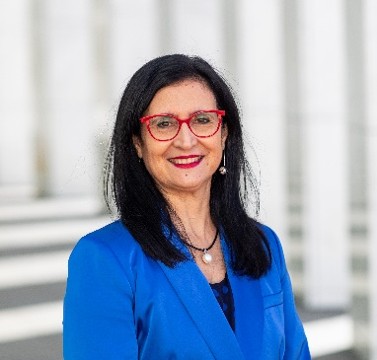
Prof Samar Aoun AM is Perron Institute Research Chair in Palliative Care at the University of Western Australia, Perron Institute for Neurological and Translational Science, Founder and chair of Compassionate Communities Australia and South-West Compassionate Communities Network in WA and immediate past chair of MND Australia and MND Association of Western Australia (MNDAWA).
Prof Aoun is an international leader in the promotion and advocacy of public health approaches to palliative care and led this approach for those living with grief and bereavement. Her research programs on supporting family carers at end of life and the public health approach to bereavement care have informed policy and practice at the national and international levels. Her vision is that every person, every family and every community knows what to do when someone is caring, dying or grieving.
Samar co-founded and chaired for 7 years the South West Compassionate Communities Network in Western Australia and has led the Compassionate Connector Program which offers the practical and social support needed by families with life limiting illnesses. The program significantly improved social connectedness and reduced hospital admissions. She founded and chairs Compassionate Communities Australia which aims to become a hub of knowledge and skills for community-led solutions that would lead to social and systems change.
She is a Council member of Public Health Palliative Care International and is a member of the Public Health Palliative Care reference group of the European Association of Palliative Care. She served as member of the International Expert Advisory Group for the development of best practice statements in bereavement care in palliative care in Europe. She also served on the Australian National Health and Medical Research Council committees and chaired their grant review panels for 5 years.
Among Samar’s awards: The Centenary Medal in 2003 from the Prime Minister of Australia; the 2018 Medal for Excellence from the European Society for Person Centred Healthcare, the 2023 WA Australian of the Year; the 2024 Lifetime Achievement Award from MND Australia; the President’s Cup from MNDAWA; and Member of the Order of Australia (AM), Australia Day Honours, January 2025.
Summary
What you'll hear in this episode:
- How Samar's personal experience following her father's death shaped her life's work
- The groundbreaking grief research that found 90% of people rely on community support
- Why grief has become overly medicalised and what this means for society
- What compassionate communities are and why they matter
- Why Australia is unprepared for the coming "tsunami of death"
- The gap between where Australians want to die and where they actually die
- How the Compassionate Connector program reduced hospital admissions and improved social connectedness
- Why building your caring network before you need it is essential
- The difference between transactional care and relational care in aged care settings
- Practical ways every person can become part of a compassionate community
Transcript
Demographic Death Wave Samar: And we're talking about the baby boomers, those baby boomers will all die within the next twenty years or so as well. so it's a, it's a calamity. Samar: It's like a tsunami of death that's going to face our systems, and they are not ready for it. They're not ready for this demographic shift that was coming, -- Cycling Club Care Network Samar: in Albany, Tony, who is with a, with a brain cancer, came back home and he said into Albany, which is like four hours drive south of Perth. had enough from being in Perth, you know, having more s- you know, surgery on hi ... Read More
Demographic Death Wave
Samar: And we're talking about the baby boomers, those baby boomers will all die within the next twenty years or so as well. so it's a, it's a calamity.
Samar: It's like a tsunami of death that's going to face our systems, and they are not ready for it. They're not ready for this demographic shift that was coming, --
Cycling Club Care Network
Samar: in Albany, Tony, who is with a, with a brain cancer, came back home and he said into Albany, which is like four hours drive south of Perth. had enough from being in Perth, you know, having more s- you know, surgery on his tumors. just wanna come and just his last few weeks or whatever, he wants to be at home. He belonged to a cycling club. And so, um, one lady in the cycling club, she said, "Okay, to have Tony sit at home, you know, well, live at home and enjoy his last few, whatever is left of his life, we need to help Heather," his wife, the carer. let me know from the cycling club who can go and buy their [00:01:00] groceries, who can fix their bicycles, who can be with Tony till Heather goes to the gym or go and have a cup of coffee with a friend, who can..." Simple things like this, you know, that makes a lot of difference to keeping someone at home. so she did the roster for those with the cycling club, you know, people, Tony was never by himself.
Samar: He's always had somebody, you know, having a chat,
Samar: . And again, people are not scared of death. They're scared of dying because dying carries with it that taboo, the stigma, the social isolation, the anxiety, the depression, all that stuff.
Speaker: Welcome to Don't Be Caught Dead, a podcast encouraging open conversations about dying and the death of a loved one. I'm your host, Catherine Ashton, founder of Critical Info, and I'm helping to bring your stories of death back to life. Because while you may not be ready to die, at least you can be prepared[00:02:00]
Speaker: Don't Be Caught Dead acknowledges the lands of the Kulin Nations and recognizes their connection to land, sea, and community. We pay our respects to their elders past, present, and emerging, and extend that respect to all Aboriginal and Torres Strait Islander and First Nation peoples around the globe
Catherine Ashton: Today, I'm speaking with Professor Samar Aoun, Perron Institute Research Chair in Palliative Care at the University of Western Australia, Founder and Chair of Compassionate Communities Australia and South West Compassionate Communities Network in WA, and immediate chair of MND Australia and MND Association of Western Australia.
Catherine Ashton: Professor Aoun is an international leader in the promotion and advocacy of public health approaches to palliative care and led this approach for those living with grief and bereavement. Her research programs on supporting family carers at the end of [00:03:00] life and the public health approach to bereavement care have informed policy and practice at the national and international levels.
Catherine Ashton: Her vision is at that every person, every family, and every community knows what to do when someone is caring, dying, and grieving. Samar co-founded and chaired for seven years at the South West Compassionate Communities Network in Western Australia and has led Compassionate Connector program, which offers the practical and social support needed by families with life-limiting illnesses.
Catherine Ashton: The program significantly improved social connectedness and reduced hospital admissions. She founded , and chairs Compassionate Communities Australia, which aims to become a hub of knowledge and skills for community-led solutions that would lead to social and systems change. She is a Council member of Public Health Palliative [00:04:00] Care International and is a member of the Public Health Palliative Care Reference Group for the European Association of Palliative Care.
Catherine Ashton: She has served as member of the International Expert Advisory Group for the development of the best practice statements in bereavement care and palliative care in Europe. She has also served on the Australian National Health and Medical Research Council committees and chaired their grant panel, review panels for over five years.
Catherine Ashton: Among Samar's awards is the Century Medal in two thousand and three from the Prime Minister of Australia and the twenty eighteen Medal for Excellence from the European Society for Person-Centered Healthcare. The twenty twenty-three WA Australian of the Year, the twenty twenty-four Lifetime Achievement Award from MND Australia, the President's Cup from MND WA, and Member of the Order Australia, Australian Day Honors [00:05:00] twenty twenty-five.
Catherine Ashton: Wow, that is quite an impressive career, Samar. Thank you for joining us
Samar: Thank you, Catherine, for the invitation Now tell me, what was the first thing that drew you to a view about compassion in healthcare?
Public Health Palliative Lens
Samar: Um, so I'm not a clinician, Catherine, but my background is public health. So I was always been, um, attracted to how do populations deal with health, with dying, and with grieving at a population level, sort of not on one like, you know, the medicals do when they see patients. Always the bigger picture was very important to me. And so when I, um, uh, was invited to join a palliative care research group, and I did the, um, review of the palliative care services in WA, not having a palliative care [00:06:00] background. That was a really good project to actually understand lay of the land with palliative care, particularly in WA to start off with.
Samar: And, um, it sort of made me think, okay, there's so much focus on clinical care, but that is like a small component of what people need towards the end of life or even before that. Um, but I was surrounded by clinicians, and it seems like I was the only one really looking at what are the other aspects of palliative care that is in the palliative care definition.
Samar: So the definition of palliative care is quite broad. It's about psychosocial, spiritual, existential, family care support, bereavement support. But looking around me, um, um, I, I didn't find that it was done in any consistent way. It was very ad hoc. So we were sort of, you know, letting people know about this wonderful discipline that's palliative care, and it's got all these components. But all what we're able to deliver, [00:07:00] of really restrictive funding models, is the clinical part of it. and so, um, so I started kind of- In, uh, being interested to see who else in the world thinking like this. And of course, I came to hear about public health palliative care and about Professor Allen Kelleher's work, and about that only five percent of the, of the care is clinical, and the ninety-five percent is what the community does, with all the other components in the definition of palliative care. And so I was really excited to know, okay, there is a whole worl-worldwide movement, but being tucked away in WA, I suppose I was head down trying to do research. I-- You know, it was time to explore what's happening outside my small circle. And, um, and the first thing that actually launched my work in this is the support, uh, public health model for bereavement support.
A Father’s Death Contrast
Samar: it was around the time when, um, [00:08:00] my dad died, and, um, I was, um, you know, told, "You really need to come straight away." So, you know, we come from Lebanon, and, um, we don't wait to bury our dead, and, um... So I had to really quickly, um, organize my ticket and all that stuff. I rang at that stage when I was in another, organization where I was working to say, "Look, I'm due to chair a research, um, meeting, but I can't come because my father has died. If I feel okay after I book my tickets and everything, I'll come and join the research group." Anyway, I booked my ticket, and then I sat home, and I thought Well, what I'm gonna do now? I'm not gonna sit by myself and mope. In our culture, you just share it with the community around you, your colleagues.
Samar: Whoever is around you, you just tell them you are sad because somebody really dear to you had died. so I decided to go to work. And then, you know, I walk into this research [00:09:00] meeting, and, um, it was all clinicians, seven of them, um, no one said anything to me. I just thought, doesn't make sense to me."
Samar: Like, look, I, I am-- I'm hurting, you know? I'm, I'm really grieving. I just heard the news. You know about this, and you're just business as usual? So anyway, I didn't have time to really kind of dwell on this very much 'cause I was on the plane the following day. And then, you know, I go to Lebanon, and church community looked after the funeral.
Samar: We don't have funeral providers there 'cause the church does that. And the contrast of, you know, being so looked after, so carried with love and dignity and affection by the community and everybody coming from all around the country to pay their respects, you know, to eat with us, to cry with us, to laugh with us for three days of mourning, it was amazing experience to me.
Samar: I mean, there are one of [00:10:00] those surreal moments that, um, we don't experience often in life. And I thought, "Why did it touch me to that extent?" I mean, of course, my dad's death had touched me a lot, but just the whole community support was just amazing and a contrast to what I felt a day before when I was in Australia with my colleagues. And so coming back on the plane, I thought, "Well, I've never asked Australian how do they deal with grief after bereavement." I came back and I kind of asked my colleagues, "Do we know?" And they said, "No, we've never asked people." I said, "So how do we have all these theories and practices and it's not based on actually people need and want?" "Oh, we get it from service providers." But then the service providers get the, the tail end of who has complicated grief, not the normal grief that we all, you know, are going to deal with. "Well, let's do it. Let's just ask people around Australia." So we launched this survey, and now-- mean, obviously, it was really difficult, [00:11:00] um, to get to the death registry here because of privacy and confidentiality, although it was okay in the UK and the USA for other colleagues like me who did some bereavement care surveys. So- I had to go to the funeral providers here, and I said, "Look, can we-- distribute that questionnaire for us? You know, for all those people who have been bereaved over the last two, two, three years." And so, you know, because somebody, you know, it-- where, where I lived in Bunbury, it's a small community.
Samar: We all know each other. So the funeral provider said that, "Right," he said, "I will, I will send it around to all my colleagues around Australia, particularly those who are family-owned, you know, businesses." because I did try the corporate, you know, when we were trying to do a pilot, and it was, "Oh, no, I'm not gonna do it.
Samar: What if it hurts my business?" and all that stuff. I said, "It should make your business even more when they know you are really interested in [00:12:00] improving care after you bury people." But anyway, it's a different mindset when we come to that. So anyway, so I had some lovely, you know, six family-owned, uh, practices all around Australia take part.
The Grief Pyramid Findings
Samar: then, so what we found out is this now famous pyramid where we found out that sixty percent of people can deal with their grief with family and friends and normal community. Thirty percent would need a bit more help but still non-professional help, help from their communities if we could skill the community a lot-- a bit more. Um, and something like the Compassionate Connector program would fit in that category of non-professional support but a bit more skills happening in the community And only 10% said they had seen a professional for-- to help them with their grief, whether a grief counselor or psychologist or a psychiatrist. So, you know, the theory that we started with was the, the empirical evidence came from the data of this. And so when we published the article, it [00:13:00] really resonated with everyone around the world, you know. It's just to show you when somebody comes with fresh eyes from outside the field, they see things differently.
Samar: And that public health perspective, you know, was helpful, looking at a population, you know, based, uh, sort of, uh, model. and so it's just changed the way grief has been dealt. It was a relief. It was a relief for practitioners, for organizations, because they were thinking: How are we going to help everyone who has a death in the family?
Samar: 'Cause we, we reached a stage where, grief was so pathologized and medicalized that it was untenable. Like, you know, organizations who were supporting people know what to do, where to start. And so when, you know, the research showed them, no, you don't need to go and help everyone who has a death in the family, we need to skill the community to do that. You, you basically focus on those ten percent, you know, there at the pyramid of, um, top of the [00:14:00] pyramid. and so I, you know, I had a lot of comments to say, "Thank you for this research. It really relieved us from this pressure that we were feeling." and, uh, also resource allocation was a problem, right?
Samar: So you need to know if you have a service like this, how many you need to employ. So if you only had ten percent, oh, it's manageable, you know. Um, yeah, but I mean, worldwide, it made sense, which was amazing. And so it's at that time when, um, Professor Alan Kelleher heard about this, and he said to me, "You know what you've done? This is the first empirical evidence that is now provided that compassionate communities are doing a good job." You know? didn't have
Samar: Quantity. We knew that communities help, but we couldn't really quantify that 90% of people can deal with their grief with the help of their communities. And hence,
Catherine Ashton: Tell me what, what year was this Samar that this, this research was released?
Samar: [00:15:00] Uh, 2015. Yeah, we started with the theoretical model 2012. By the time we did the survey, analyzed that, it was 2015. It was published in PLOS ONE, which is an open access journal, so anybody can download that. Yeah
Catherine Ashton: Why do you think it had taken so long?
Samar: Like as if until now?
Catherine Ashton: until 2015 to actually really understand how people grieve within the community
Samar: Yes. Uh, that's exactly.
Why Grief Got Medicalized
Samar: So you need, you need to ask the right questions to find the right answers for it. And because, you know, previous, previous researchers were really too focused on the pathology of grief, and only, um, studying those who actually do seek help from services, that's the only data we had. Nobody kind of questioned is normal grief like that we're all gonna go through it, and how do people deal with it in normal life? What do they rely on? [00:16:00] What are the resources and the assets they have in their communities? And so now we know we have a lot of assets in our communities. But what we've done throughout the decades, we've de-skilled them because we told them that have professionals do it better than you, and it is so medicalized and so professionalized that people got scared to offer their help because they think, "What if I make things worse for somebody who has got grief, better stay out of it?" So what happened is that w- the community le- lost the confidence and the skills to know how to support someone who is grieving because of that. and so Compassionate Communities Australia is about bringing that confidence, the courage, and the skills that people need to have, did have, could have, um, to get going again. Because what's happening now with particular-- I mean, obviously, grief is so related to death in general. Okay, you can have grief from other, um, life issues, but we're talking about this particular one. [00:17:00] Um, so When, um, so we were talking about how do we, how do we bring back that, that literacy that our ancestors had or grandparents had? How do we, how do we deal with, um, you know, those raw emotions, you know, without having to say, "Okay, we need a specialist for that." Um, and so w-we really need the community to understand that it is everybody's responsibility. It's not just the, the, the health professionals. And do we get the community to work with health professionals?
Samar: That's the big issue at the moment, you know. So while we're trying to skill the community, if the health professionals are not making the most of that and working with communities, we're not gonna really progress a lot. So I'll talk about the forum that was about system change.
What Compassionate Communities Do
Samar: But what I wanted to say here before I move to that, um, is that compassionate communities, 'cause [00:18:00] I think one of the questions is about what are compassionate communities. it is, it is a practice. You know, while for a while we thought, oh, it's an aspiration, wouldn't it be great to have, you know, communities that are so compassionate to help each other? it's a great aspiration to have, and, and we need to, to really reach that stage whereby, um, we have a community that's able to support someone who's caring, dying, and grieving. Um, but the other thing-- And so how do you do this? We do a lot of awareness-raising activities. We have death cafes, compassionate cafes, grief cafes. You know, we talk about advanced care planning, we talk... So all these educational programs, awareness-raising programs, are really important to start bringing the community to have those conversations which people are too scared to have within their own families.
Samar: So we've created those in the community. So if you really want to talk about, you know, your loved one death or the process of [00:19:00] dying and you can't share with your family, there is a community that's able to offer you that safe space, and you go to the library where you have this, um, group meeting and learn from them and, you know, give you some advice. Um, so that's one way of how compassionate communities, basically... It's been a, obviously, as you know, a movement for a long time. Um, the other thing that we are trying to sort of add to this, a, um, is for social and system change. So to just build awareness-raising activities everywhere- It's not enough.
Samar: It's important, but not enough. We really need to make sure those systems that we have now understand that because they're not really serving us well.
Aged Care System Strain
Samar: of course, now the thing that's taking a lot of limelight is aged care, right? got AIs, you know, basically, um, you know, assessing your [00:20:00] need. Um, We've got, um, we've got, um, um, care that's given in minutes of care, and that's it. If you need more than this, doesn't matter what your situation you're in, this is how it is now. So while I understand the government needs to put those boundaries around the funding and how much they can give each of these aged care people, that is not how you serve the community. It's not about transactional care. It's about relational care because the more you have relational care, the more the systems will thrive and be suitable for the people. At the moment, what we have now is not suitable because it's a system that was built ages ago when we didn't have aging at scale like we have now.
Samar: We've never had that many people age at the same time. Obviously, they're all helped by the medical interventions to live longer and longer. [00:21:00] Um, and, and so-- And we're talking about the baby boomers, those baby boomers will all die within the next twenty years or so as well. so it's a, it's a calamity.
Samar: It's like a tsunami of death that's going to face our systems, and they are not ready for it. They're not ready for this demographic shift that was coming, but nobody was-- really wanted to embrace it and see how can we have systems that will serve now aging at scale that we had, you know? um, so
Catherine Ashton: And what,
Samar: Hmm.
Catherine Ashton: what, what sort of gaps have you been able to identify where we're not ready for, for death at that scale?
Dying at Home Reality Gap
Samar: No, we're not ready because at the moment, 60% of us are dying in hospitals, right? when we double the amount of death, we're not having... we will not have enough hospitals or hospital beds for us to die in. And, um, [00:22:00] we don't have the workforce as it is now. So the, the, uh, need for palliative care is going to be something ridiculous like this increase. We don't have the workforce. So what are we gonna do now? We gotta go back to the community and say, "Look, you really need to take your place helping people to be cared for and die for at home." Only in the strict, you know, necessity they go to a hospital, and this is what a hospital is for. It's not about, you know, occupying all these beds till an aged care bed is available.
Samar: I mean, look at the hundreds and hundreds now who are occupying hospital beds, which are acute, acute service beds because there's nowhere for them to stay. They can't stay at home because we have a community that's illiterate in terms of how do you care for someone at home or dying or grieving the family. And, and, and people freak out, right? And think, "Okay, well, we send them to the hospital because then it's not our responsibility," you know? Somebody else will be looking after them. [00:23:00] So the mind, mindset shift need-- it needs to happen with the community first to say, "Look, we are ready to actually- Do whatever the community wants.
Samar: I mean, any survey we've done over the past few years, people want to die at home. This is, like, so clear. yet most of them are dying in hospital. Doesn't matter what state, it's across the board. So, know... And so you get, you know, government people saying, "Right, we're gonna build this more wards, more hospitals."
Samar: Yes, but what-- no matter how much you're gonna build, it's not gonna be enough for the calamity that's facing us, you know, in the next few years. we do need the community to take its place in delivering that care alongside palliative care services or other healthcare services. and so with Compassion Community Australia, you know, the...
Build Your Caring Network
Samar: what we're trying to do is that we ask people, "Who's got your back?" Think about it before you get to that stage you feel you're by [00:24:00] yourself. So start building your caring networks while you are living. leave it to the last minute because they won't be around you. So we live in a Western culture where, you know, people think they are an island.
Samar: You know, they can, uh, they can... They're self-sufficient. Unfortunately, in this kind of thing, you can't be self-sufficient. You need people around you to help you. we say, if you need to look after someone at home, you need a caregiving network, um, for about ten people actually share the load. At the moment, you have probably just the wife or the, um, the daughter or the mother. of course, they get burnt out, and they have to send their loved ones to hospital or to, to aged care. But they have people from their, within their social network who are able from the start, you know, like you have to build this as you live, you know, and you age. least they would share that load with that primary carer, you know? So, so then [00:25:00] the primary carer is not overloaded um, you know, and that's where, you know, we, we have a lot of nice videos as well. Particularly, there's a really good one that was taken in Albany, where, um, Tony, who is with a, with a brain cancer, came back home and he said into Albany, which is like four hours drive south of Perth. had enough from being in Perth, you know, having more s- you know, surgery on his tumors. just wanna come and just his last few weeks or whatever, he wants to be at home. He belonged to a cycling club. And so, um, one lady in the cycling club, she said, "Okay, to have Tony sit at home, you know, well, live at home and enjoy his last few, whatever is left of his life, we need to help Heather," his wife, the carer. let me know from the cycling club who can go and buy their groceries, who can fix their bicycles, who can be with Tony till Heather goes to the gym or go and have a cup of coffee with a friend, who can..." Simple things like this, you know, that makes a lot of difference [00:26:00] to keeping someone at home. so she did the roster for those with the cycling club, you know, people, Tony was never by himself.
Samar: He's always had somebody, you know, having a chat, 'cause this is what people want. They want that social contact. They wanna feel loved. They wanna feel the friendship. And it's an amazing kind of, um, you know, example, and hence this is where... we didn't know about this at the time when we started the Compassionate Connector program in the southwest. It's almost happened in parallel that Albany were doing this and we started with ours, but we called, you know, ours Compassionate Connector. exactly so.
Compassionate Connector Proof
Samar: So not everybody belongs to a cycling club, but we try to get people with lived experience, um, from the community who are happy to become friends with people who need help and offer them their practical and social support. uh, we had amazing, you know, like 20 who had volunteered. of course, they were all interviewed, they were all trained, they did a marvelous job. I mean, we learned from them. It's, [00:27:00] to be honest, they just knew so much. And there were people who were in the community delivering that support but by themselves, so they felt, like isolated, and they felt a bit like, "Oh, am I doing the right thing?" So to belong to a program, that made them feel like part of a community of practice, and they supported each other and gave each other's ideas how, you know, they helped each other. and it, this is why it's worked so well. And of course, as you know, you know, whoever is listening now, we did res- reduce hospital admissions.
Samar: We did reduce length of stay at the hospital. We did reduce, um, emergency department presentations, and we doubled the amount of outpatients visits, which are a lot cheaper than a hospital bed. being is that when the Compassionate Connector grew the social supportive networks around those families in need... So if you feel anxious about your health, say, on the weekend when the formal services are totally shut, um- In the past, you used to [00:28:00] admit yourself to hospital on the weekend because you had no one to talk to, no one to, you know, just hear your an-anxiety about whatever problem you have. But once they had those friends around them, by the way, we don't call them volunteers.
Samar: We call them activated citizens. So this is-- the volunteers is quite too old-fashioned now in terms of, um, sounds too much service-oriented. You know, you click when you... You know, you kind of tick when you started, you tick when you fin- that's not how it works in the community. You help your neighbor, you help a family member naturally, and this is what we had aimed to do with the Compassionate Connector program. And it worked very well because most of the connectors were volunteers at the hospital or a hospice or something. They loved having this fresh way of serving their communities. Um, they became friends, basically, you know, and this is what we aim to do. And they were there for them on the weekend and, um, and so basically it stopped them from going to hospital when it's not needed. [00:29:00] And, uh, then when those people needed to go to the hospital, they didn't, they did not, they didn't need to stay longer than usual. Before, if they were going out back home when they have no one, um, they used to drag their stay, I suppose, you know, at the hospital. So they didn't need to now. Um, and then again, actually double the amount of the outpatient visits, it's actually again the, the, the connectors those caring helpers in the community who became their friends, um, used to make the appointments for them and drive them to the clinics to actually be seen, which meant they were seen before things deteriorated as well and they needed a hospital admission. So all in all, it makes sense when the community takes part, this is what happened. so think that research opened the eyes even more on is a practice. It is a scientific practice when you have the community taking part in delivering that care. So it's not like, as I call [00:30:00] it, lovey-dovey kind of thing, what, which was probably was thought about before because I, you know, I recall talking to bureaucrats and government people and, um, well, proof that it works.
Samar: Well, we have proof that it works, you know? So we don't need to keep proving it, and it makes sense. So it's, it's great. I mean, what we're aiming now is to roll it out as far and wide for whoever is able to basically have a, a program. we have, we have the training program now in sort of-- 'cause we had to test it and test it and test it.
Samar: I think we're happy now where we reach a stage where we can, training other people. It's not a program. You just give it, and people know what to do with it. I think for to do the training and then train the trainer model, I've watched people coming new to it, if you're not from that background, you know, with death literacy and grief literacy and all that stuff, um- Yeah, it's difficult for them to actually, um, [00:31:00] understand it a-a-and train.
Breaking Taboo and Stigma
Catherine Ashton: I'm not surprised given our culture and, and especially you were referring to the baby boomers and, and what we're seeing, uh, with that aging population, is that it's very much that stoic mentality of, of, you know, the stiff upper lip and carrying on and not asking for help. Yet compassionate communities is actually the ability to say, "Actually, I need help and this is how I need it."
Catherine Ashton: So, uh, it, it is sort of re-looking at the way in which we act within a community, isn't it?
Samar: Exactly. As you said, the first thing is to break that taboo and start saying, "It's okay if I ask for help. It's fine. I have a disease gonna kill me." It's not a sin. a crime. It's just the way it's looked at it as if, "No, no, we have to keep it away, not say anybody, shush," kind of thing, all that. And, it... you know, I've seen it with the connector program. We had a, a lady who is in a really [00:32:00] isolated rural area, and she told the connector... she had cancer, and she told the connector, "Can you not park outside my house because I don't want the neighbors to think there's something wrong with me?" I mean, what more can be wrong? You're dying. Like, really, they should know. Otherwise, what? You'll die by yourself in this home, and nobody is gonna knock at your door till days later. I mean, see the, the mindset of the older people is so like, um, it's so not helpful for them, you know? And how many times we have heard people dying, and they've been discovered days or months later. but I just think it's gonna be quite difficult to change that m- that mindset for this older generation. It's just too much, you know, ingrained in them, the taboo, the stigma, all that. We really need to work on the younger generations, you know? And I think the younger generations, um, you know, are more open to understanding all that.
Samar: I've been really kind of, um, relieved when I present it to medical students, you know, [00:33:00] young, young ones or university students. They get it, you know? They're not too alarmed, you know, like how we were raised. And I think it's the responsibility of the older generation not to carry on thinking, you know, that taboo, not to keep it, you know,
Catherine Ashton: 嗯。
Samar: as, you know, it goes, um, forward to the next generation.
Samar: We need to stop. And again, people are not scared of death. They're scared of dying because dying carries with it that taboo, the stigma, the social isolation, the anxiety, the depression, all that stuff. Of course.
Catherine Ashton: Yeah
Samar: and you have all that to carry with you, a hell of a, you know, state to be in, you know?
Catherine Ashton: And it's, it's interesting, like, the, even the, um, the term that you use then, you know, it's not a sin. You know, when we have generally been at a, a time in our lives when we're unwell, uh, the people that normally have rallied around us [00:34:00] historically have generally been the community that is generally someone associated with a religion, uh, if we're part of a, a religious community, or it might be, um, of, like, like you were saying before, of a social group.
Catherine Ashton: But this is actually widening that and making it a more, uh, more for everyday humans to actually be just a good human to who's in their community that's next to them, without those extra layers of religion or, or social expectations around them, isn't it?
Samar: Exactly. How do you spread kindness? You don't have to be religious for that, you know. It's, it's a part of who we are as human. And of course, when we're part of the training program, we could say it's the survival of the kindest that actually made human evolution possible, because had we killed each other, we wouldn't exist now.
Samar: So we were kind to each other so that we have survived since we started, you know, with Adam and Eve. and if you believe in this, but it's fine. [00:35:00] the point is, um, we, we always say survival of the fittest. Well, that's not correct, really. It's survival of the, of the kindest that actually made us, you know, keep going as a human race. Um, so that's important again for the community to know. There's so much the community needs to know so that they can take their place where they belong now in this. Um, they've taken far too long a step back, and it happens in developed countries because you think the government needs to look after you from cradle to grave because you pay taxes, that's not what life is about.
Samar: It's not about paying taxes to the government. Okay, the, the, the main kind of services are important, but you can't buy love, friendship. it, it's like part of who we are as human beings
Catherine Ashton: And it was interesting that gap that you talk about with, , the government [00:36:00] services, but also, , the expectations that we have of, of what sits in the medical sphere and, and what has been something that we need to seek professional advice on. And you were referring to that earlier as that 10% of where people end up with their grief and bereavement.
Catherine Ashton: And then there's 90% that sits within the community. And how do, how do we work, , as someone within the community to become better at that?
Samar: Well, that's exactly.
Teaching Grief Literacy
Samar: So the training programs that we do, um, is about grief literacy, if we wanna focus now on grief and bereavement. and you start from really simple things. what do you say to someone who's grieving? I mean, I feel some of of why my colleagues didn't say anything at the time when my dad died, they didn't know what to say. As simple as that. But now there's a lot of education about this, you know. And so the most two popular slides [00:37:00] in that training program is what do you say for someone who's grieving and what you don't say. And I can't tell you, wherever we present this, people say, "Aha." Like, "Yes, we're feeling so much better now.
Samar: We don't have to cross the road and avoid them because we don't know what to say." So it's simple stuff. We're not saying, you know, it's, we're creating anything different. But it's just, now how do you reach people with this education? This is what's important, and this is what we're doing with these training programs, basically. and, um, um, and, you know, people think it's, it's really a big deal, but it's not. But there have to be, you know, there have to be, um- Understand that it is their responsibility, to actually know about this. It's not somebody else's responsibility. You have to be part of those people who want to improve their skills and, you know, and, and, and lean on people who are in need rather than run [00:38:00] away from them 'cause they think, "Oh no, you know, it's too private.
Samar: We need to leave them alone with their grief." No, grief needs a community of care around them. They need to, let out things. And I just... Yeah, I mean, when I first came, I guess, um, and I went to a wake, I thought, how is no one crying?" Like, I just... It was, it was different to me, to my culture. I mean, we go to sort of, say, after church to the church hall where there is, know, food and all that stuff, and just people are really, you know, crying and showing their emotions.
Samar: And I just thought, interesting here." Like, I haven't seen anyone... I mean, they're all saying jokes and drinking and... Uh, to me, it's just... I didn't see it. And I'm thinking, "Where do they grieve?" Like, you know, this is the right place to do it now. and again, you know, when we look at the workplaces, what do they give you?
Samar: Three days for bereavement support? I mean, as a colleague says, it's, it's not long enough to [00:39:00] recover from a bad haircut, let alone, you know, like th- having to deal with all that. I mean, the funeral by itself is such a big deal to actually get it organized. so in the Western culture, we just do not put enough value on all that so that the community is able to take its time and, um, work through, you know, what they have just experienced.
Forum for System Change
Samar: So, so this is why I'm just gonna... was going to say, what we did at the forum in Brisbane last year is focus on system change. And we had presenters from each setting, I mean, not necessarily they were representative, but we really wanted somebody from aged care, from workplace, from local government, from hospice, from, um, and so on, actually work together with us after they presented the situation in the field on, um, coming up with advocacy statements.
Samar: 'Cause again, we know that the community is gonna struggle. [00:40:00] Articulate what is it that they need help with. So if you've got a CEO of an organization or a politician or member of parliament, at least you've got those advocacy statements now in whichever system you think needs change. And- You share it with them, and that's a conversation starter, you know? need aged care, our aged care facility to be more relational care rather than transactional care. We need the community to be more involved. I mean, what I heard in, is it Netherlands? one of the hospices... or not hospice, aged care facility, they've opened their restaurant and cafeteria to the community to come and have lunches, you know, maybe made lunches, you know. And that way there is a connection between, you know, the residents, their family carers and people coming from their own community having lunch, mixing, so that they feel they are part of this community. This is what we're trying to do now in aged care. It says, "How do we open up, you know, those really strict walls of, [00:41:00] you know, um, risk management and paranoia and all that stuff about..." These residents need to live the same way they are living if they were in their home. You really need to bring in the community to be part of their lives, you know, till they die. Because obviously they're there because nobody is able to care for them in their own home, but it doesn't mean their community need to be shut out they are 'cause, 'cause the aged care facility is their home. unfortunately, it's looked upon now only as a workplace for health professionals and service providers. They forget about the residents that make an aged care facility exist, basically. It's about like, you know, oh, hospitals would run so much better if we didn't have patients, or schools would run so much better if we didn't have students. Um, so is where, you know, these poor residents, um, kind of the last thing that they are thinking about. It's all about the workforce, [00:42:00] right?
Transactional vs Relational Care
Samar: And the workforce for the transactional care, not the relational care. And so it's add-adding more to the of agency and social isolation and ageism that we have now. When we have people at this age group, reason why they are there is because physically they're not being able to be cared for at home or, you know, their loved ones are working full time. But that doesn't mean that, you know, they can't still be part of something meaningful,
Samar: When residents are cared for in the facility, uh, what we are hearing, and we've done research, recent research, you know, last year, um, they're really very much into getting just transaction, transactional care, not relational care. Um, and this is not what people want. They are in residential aged care facilities because there's no one to look after them at home. So but, but the, uh, residential aged care is their home, and they need to be able to connect with their communities as if they were in their [00:43:00] own home. You can't just lock them away from the mainstream community that supported them all their life, and therefore now they're not part of it anymore. So that's something that we're trying to infuse the Compassionate Communities approach to care in residential aged care facilities. Um, because, you know, our residents, um, feel socially isolated, obviously totally isolated there. And, um, they're, they're there because of their physical needs, but mentally, they're still okay, some of them. You know, obviously, if it's not dementia and, or the other problems. um, it's, it's something that we need to change.
Fixing Aged Care Systems
Samar: And again, um, with the Aged Care Act, which actually focuses on the emotional care and, you know, spiritual care of the residents, that the implementation is totally different. It's totally different. Particularly with the way their, their needs are assessed by AIs. And then, you know, again, their, their needs basically are quantified by [00:44:00] minutes of care. um, that needs to change. It's not working. So this is one system that's not working now. and, um, we need to, we need to see we're going to help the government fix it. And unless the government is willing to hear us as Compassionate Communities, things will keep deteriorating. so that's really the message that we need to get to government, and we're working on this. But then with everybody now having an advocacy statement, they need to do this in their own localities, whether it's a small s- small town or city or state. But until they realize it's their responsibility to do this, we need to keep encouraging them and reinforcing that message. I mean, look, Communities now, the movement, is not a sprint, it's a marathon.
Samar: So basically, we need... We know everybody is the long run, and we all need to be in it. so it's not a project, it's a way of [00:45:00] life gonna lead to a better death. this is what, you know, they need to, they need to understand. We have a lot of challenges coming our way, but with the short electoral cycles that we have with politicians, no one is gonna look at that.
Samar: Because to build a hospital that people can see bricks and mortar, for politicians, this is a win for them, you know, for, um, for, um, you know, votes. And so there's a lot of education that we still need to do across. We, we may educate the community, but then the community's gonna to struggle if those type of people are not also being educated. And we, we gotta look at it from all aspects.
Training Providers for Change
Samar: So what we're doing now at University of Western Australia, we are, um, putting together a micro-credential course on compassionate communities for medical students, you know, or medicals in general for post-graduate basically work. So it should be available to start rolling it out next year. Um, so that's one way of actually doing [00:46:00] something to help communities by getting the service providers to understand how they should be working with them. Yeah
Death Literacy and Responsibility
Catherine Ashton: And have you found it in your research that it's difficult for the average everyday person within the community to understand their level of responsibility in advocating for themselves?
Samar: Yes. Yeah, because they've never done that. And also, how many of, you know, this generation have seen a dead person? No, 'cause I mean, you know, most people die in hospitals, then they're completely shut behind curtains, closed doors, walls, and then taken straight to the funeral provider, and it, you know? While in the past, people died at home, so they knew, they knew what to do. They've seen a dead body. So it's, it's difficult, 'cause if you don't see stuff and experience it, it's very difficult to understand what you need to do.
Catherine Ashton: Mm-hmm. And it's that classic of you don't know what you don't know
Samar: Mm-hmm. Yes, and it's somebody else's responsibility. know, we're paying the government, you know, to, to take [00:47:00] care of us, and that's it. what, what really baffles me is that we're all going to get there, so the people who are saying this now, they not thinking at the stage when they're dying, who do they want around them? What do they want? Do ju- do, do they just want a stranger looking after them, or do they want families to be around them to know what to do at that stage? It's quite interesting how people don't think that, know, you're gonna be at that stage one day. So, you know, get it well for others and your- and yourself at the time you're gonna get there. when I, when I say again, you know, politicians, government people, service providers, they're all part of the community, you know? they are products of their communities as well. I just think we need to think more in a more open-mindedness now at a, at a bigger scale, and this is what I like about public health, why I went [00:48:00] to it in the first This is how it opens up things, basically. and you see things at a much bigger perspective that can help the smaller perspective, yeah
Catherine Ashton: '
Building Support Networks Early
Catherine Ashton: Cause when you say 10 people, it takes 10 people to, to take care of you when you're dying and to support you in, in that process. , How many people in, in the research could actually have 10 people as part of their support network? How many people were sort of coming up with those numbers?
Samar: No, at the moment, none.
Catherine Ashton: Yeah
Samar: we looked at w-what are the types of supports that people needed from the compassionate connectors could be done you know, the, um, networks of people, if they would only ask for help, would probably be it. you know, people still want to live normally until they die, so they want, you know, to walk their dog, somebody to bring their [00:49:00] groceries, somebody to take them to the library, to their medical appointments, to do their daily kind of showering, to do... I mean, obviously it's all that, you pay for all that now, right? but then once a week. It happens... I mean, look how much sh- to have somebody to have a shower, how much it's costing. It's
Catherine Ashton: Yeah
Samar: what we've heard in the last few weeks, um, for something that's so natural. And, um, you know, if you had those 10 in your network, um, you know, you could ask for help for that stuff.
Samar: Obviously, not everybody is gonna have that. I mean, when I look at the research, we had half of the patients referred were home alone. They had no one.
Catherine Ashton: It's, yeah, that doesn't surprise me. A- and, and also given the disconnect between, uh, the approval process and the funding process can be, you know, well and truly over 12 months. So even when these people have been identified in a formal medical [00:50:00] assessment process, they still may not be available. So it really does highlight the need to start having these conversations very early on.
Samar: Yep. You know, any paid person is not there for the weekend, is not there for the public holidays, is not there at night where most of the crisis could happen, you know? And hence why we had all these hospital admissions, hence why we have all these aged care people taking up hospital beds, you know, at the moment. you need to start preparing for your end of life care network much earlier in life, you know. You either be part of somebody's, you know, and when your turn come, it's like, you know, you exchange favors in that sense. So, um, as you said, you get, you get those services at some stage after you died sometimes, you know, and I'm thinking, you know, with motor neuron disease.
MND and Palliative Integration
Samar: you know, it's, it's quite obvious from the time of diagnosis that it's a death sentence and, um You know, I mean, they don't get [00:51:00] palliative care till probably the last week of their life. And a palliative approach to care, which encompasses compassionate communities, needs to be from the time of diagnosis.
Samar: This is when grief starts, because they're, and their families are living with dying as long as that's going to take. And so... And I think, you know, it's MND that made me even more interested in palliative care, 'cause I thought at the time, "What have they got?" Just palliative care. And even palliative care, they're getting it at the last week of their life. And so that's why we're having this forum in August in, in Melbourne, um, to basically look at the integration of palliative care and, and MND care, and again, where compassionate communities, you know, needs to be s- part of gaps are g- that are going to happen. And this is based on a survey we've done, with one hundred and sixty-four carers you know, from all across Australia. I've been doing research in MND, particularly family carers, like, for [00:52:00] twenty years. again and again, the thing that comes again, it's been a rollercoaster from hell to look after somebody with MND. And so I said, you know, "Look, I'm just so sick of hearing this. Come on, guys, let's get together and see how our system's working together." And so this is what the forum is about. So we're, we're, we're asked each, a group of key stakeholders in each state from MND care, palliative care, carer organizations, you know, NDIS, aged care, come together and work a model of care is going to sustain these families, you know, throughout this period of living with dying that they're going through. please, don't ask for-- don't say, "We just need more funding," and stop there. Look at the system redesign. We can do it better. And I found out that of them don't even know each other in the same state. They've never had those conversations, 'cause they work in silos. Palliative care separate to MND care separate... [00:53:00] I'm really excited about this forum. I'm hoping it'll be a, you know, experience to, for people at least to get to know each other in each state and start working a model of care that's going to sustain, you know, the MND people and their family caregivers within this, you know, as we call the beast of a disease, basically. Um, and again, where do compassionate communities fit? Even with the other services that they may have, the gaps are still there. People need to be supported, need love, need friendship, need, you know, people to drop in on them, you know, see how they can support them. so it'd be great if we could get a compassionate connector program, you know, in, in, in this, basically the MND care space.
Samar: We'll see. Yeah. Yeah, a lot to do.
Catherine Ashton: -
Navigating Silos and Hard Talks
Catherine Ashton: There certainly is a lot to do, but it's interesting how you were just describing that siloed system that you've, you've referred to. And the [00:54:00] only person that really navigates that system is the person themselves who is going through it, and - they don't realize they have to navigate that system until they've been diagnosed with a life-limiting illness.
Catherine Ashton: And that is very overwhelming, and there is no continuity of care, is there, , during that process, Samar, that you've seen, is there?
Samar: Look, um, if you know how to navigate the systems, which is very few of them can, But no, the majority are not able to actually comprehend what we have ,there and how it should work for them. it, it-- it's just really difficult. Like, the MND Association do have MND advisors, so basically, that sense, they help them understand where the help can come from.
Samar: But then you've got on top of that NDIS, if you're under sixty-five, you've got aged care if you're over sixty-five. Um, it's, it's really difficult when you are grieving, you know, [00:55:00] a, a, a death sentence to actually even be able to understand all the complexity of the care. And, and when do you start talking about decision-making, you know, for end-of-life care, advanced care planning?
Samar: How do you prepare for all that? Nobody has the courage to open that conversation with these people. And I had, you know, some patients telling me, do get those visits from the MND advisors, and all I hear them talk is about hope. I know I'm dying. Prepare me to die well. Nobody is having those conversations with me," you know? So we've had to do these, you know, training programs for the MND advisors. Um, but again, you know, pe- they change all the time, so we need to do it all the time, and we teamed up with the palliative care organizations to do this. but it's just the service providers find it difficult to actually open those conversations, and they're the ones who are crucial to do this, 'cause they are in people's home. You know, particularly with MND, people are cared for at home. They don't need to be in hospital [00:56:00] unless they're having a PEG put in or an NIV or something. so they find it really difficult to open these conversations. And in their, you know, language, "Oh, we don't wanna take the hope from them." What hope? You know. I mean, it's, it's very sad. I mean, we know the hope is in those clinical trials that are, have been done all around the world. We are all praying that they will work one day, and we get at least a treatment, not necessarily a cure for now. Of course, this is where the hope is. But until that something materializes, there's a light at the end of the tunnel, people need to be cared for, need a quality of life, need to live well until they die, and need to prepare for their dying without thinking about it as a taboo and a stigma and like, what have we done, you know, as if it's a crime or a sin or... Yeah. So So we've done a lot of that as well, but getting there. It's, it's, um... You, you're breaking barriers that have been there for such a long [00:57:00] time, you know, in people's minds. Yeah.
Catherine Ashton: And what gives you hope looking forward? You mentioned the conference coming up. What are the things that you hope to see moving forward that compassionate communities can do within Australia?
Hope and Next Generation Shift
Samar: Well, look, we've got the research evidence. That's probably something really important and why, um, why people got interested in it again. It-- although, as I said, it's been going on for such a long time, but the, the, the, the evidence, the research evidence was really scarce. So basically, with everything now that I mentioned, there's a more interest in it now.
Samar: And again, with the, um, you know, challenges that we are going to face with the aging population, people again starting to think about it. It's how do we get to those decision makers now? And, um, you know, we, we need to, keep at it. It's, um... we need more people to get into this [00:58:00] space in every town, you know, village, city, what-whatever way they, they are operating. I suppose with the forum last year, we've given them a way to start the conversation Um, am I hopeful? is-- This is the only way to go forward. It's, it's-- There's nothing else, basically, that's going to help the situation we're in now. Um, and it's just a matter of getting that, um, um, message people who keep sa- who keep saying, "We're gonna build another hospital," or, "We're gonna build..."
Samar: you know, that kind of thing. Um, the younger generation, I think they're the hope if we can get them started not feeling all this... I mean, I give the example of my, of my grandson, who's seven years old. I mean, at, at Halloween, his mom got him a skeleton. You could see a skeleton everywhere. And [00:59:00] so he's very scientifically minded, even at this stage, and this skeleton became his friend. that week of Halloween, the skeleton visited us regularly with him. He had a seat at the table because my grandson insisted he'd need to have dinner with us, and I had to serve the skeleton a bowl of whatever I had cooked at, uh, th- that night. then, and then, you know, Grandma and, you know, my grandson would say, "Oh, Grandma, don't worry, I'll eat, I'll eat his share.
Samar: I know he's not gonna eat it, but, you know, it's nice." And then we had a family photo with the skeleton at the front of the photo, you know? So he's not scared of the idea. He knows about death. He knows that in his body he has a skeleton, so it's of who he is as a human being. and so I guess this is great.
Samar: I mean, when I, when I think, you know, him, you know, it's not a big deal because we didn't make a big deal out of it or like, "Oh my God, what's this?" You know? Like, or shut it away. at the end of the [01:00:00] day when he had a sleepover at our place, I walked into my room and the skeleton was sleeping in my bed, his bed. So I said, "Sorry, you're coming for a sleepover with your friend. He needs to sleep with you." He said, "Oh, no, I think your bed is more comfortable."
Catherine Ashton: That is encouraging
Samar: it is. I just think, you know, if we start that early without, you know, being, you know, oh dear, and such a big deal about all this stuff. And again, see, like his granddad, um, is dying of terminal cancer, so he's gone to the hospital to see him. When he g- he got back, I asked him, "So how was your granddad from the other side of his family?" And he said, "Well, you know, they started some treatment for him for his cancer." I'm talking he was six last year. So he started, and he's feeling better. "But you know, is, um, eighty-seven, and men in this country die when they're eighty-two, so he's done really well to live that long." And I thought, [01:01:00] wow, I'm just so impressed. If we can get everybody think like this so objectively about things, there you go. See? But you start early. Yeah, definitely.
Catherine Ashton: And he really, he really does have a, , scientific mind, doesn't he? I love it. I love it.
Samar: I
Catherine Ashton: And what...
Samar: statistics, you know, that
Catherine Ashton: Yeah
Samar: heard with somebody saying, yeah, yeah
Catherine Ashton: Yeah.
Advocacy in Your Community
Catherine Ashton: And, and tell me for someone who's listening to this podcast and is wanting to know more about Compassionate Communities, what can they do in, in their own community?
Samar: Um, so one thing, as I said, those advocacy statements. So if they feel their workplace is not able to support someone who's caring, dying, and grieving, use that advocacy statement for workplaces with, you know, the hierarchy and say, "Look, we need to have something happening here because it's gonna touch all of us, so the more prepared we are, the better," you know? And particularly when people come back from a grieving period, you know, and feel they don't have a supportive [01:02:00] environment. Again, if you have somebody in a residential aged care facility and you feel that your, your loved one is completely isolated and not cared for with dignity and care and, know, love and all that stuff, again, raise this issue.
Samar: Here we go. This is the advocacy statement. Let's discuss. This is how we need our aged care facility in our area to be. So it's everybody needs to become an advocate because i- it's as big as the community this, this, this issue is. again, your local government, if you don't think your local government is really getting in onto this, start again discussing this with them, um, that they need to basically understand that 100% of them are going to die.
Samar: What are they doing, you know, for, for th- those areas? Yeah, okay, you've got seniors group and you've got sewerage or whatever, you know, public health issues that, uh, the, the local government deal with, but this is important. End of life care is important for everybody who [01:03:00] is under your local government. People need to, to think outwards now, you know, um, and start spreading the message and getting, uh, into it. If they want a Compassionate Connector program to get things rolling for them, I mean, those programs is just to skill the community and give them the confidence and the courage to help each other. But at one stage, I do hope we don't need programs like this. Everybody becomes a Con- Compassionate Connector because it is in our DNA, so we really need to unleash it again. And if these programs help, why not, you know? This is what they are for. I mean, we did them originally to show some evidence, right? that research evidence is so important to convince the, you know, the unconvinced. but it's not something that we need to keep calling them program. We just need everybody to behave like that, to be able to support each other and, and keep this, um, the kind that [01:04:00] survive more than anyone and more, more than anybody else. yeah, so Look, there is a lot now when, when I look at LinkedIn, there's so many people in the grief space, who are supporting people who are grieving, which is fantastic. Um, again, with the death literacy there are, like, We're Dying To Know Day that we have in Australia and other basically, um, you know, you know, ac- uh, that are happening. Again, what you deliver as well to the community, Catherine, in terms of people, you know, getting their act together, I suppose, and knowing where to go, you know. Because I, I like the... when you said, like, "My loved one died, what now? What do I do?" I mean, this is exactly how people feel when somebody dies. "Oops, we're not prepared. We don't know what to do." Really?
Samar: dying for a while. Well, how come you haven't had a look at any of this stuff that you are teaching people how to actually, you know, get on board and understand these [01:05:00] things?
Catherine Ashton: Yeah, I, I literally when I, I came up with the title of that after death guide, I went back and had a look at my Google history from when our friend died, and I, I wanted to know what I'd Googled when he died to, to give to his kids, and that was what it was. You know, what do I do now, you know, my loved one's died?
Catherine Ashton: And I went, "Okay, well I- I'll use that."
Samar: Yeah
Catherine Ashton: yeah, you know, it's a really challenging time.
Everyday Compassion in Practice
Catherine Ashton: And if you had to describe , a person, what qualities would they have, , as someone in the compassionate community? What, what sort of person are they?
Samar: I mean, you- you've g- you gotta h- love people. I mean, you have to be a people's person. You have to be kind, compassionate, and, uh, th- which is most of us when you think about it. But, but there are things that probably stopped us from doing this, you know, that happened in our life. We, we just stop, stop trusting, you know, other human beings or [01:06:00] unfortunately, you know, people go through a lot of bad experiences. so i- it's also having that feeling of responsibility. As a member of the society, as a citizen, I need to be more activated, you know? I can't just sit there and think it's not my job to help whenever there is something. Look, what I found great about Australians or in general the Western culture, whenever there is a disaster, flood, fire, ta-da, they're amazing.
Samar: They all come together as if it's giving them a reason, a good reason to come together. Why aren't you not like this as well when there are no disasters? are you not checking on each other? Why are you not... You know what I mean? In normal life. But no, it's almost like they need a good excuse to help each other. I don't know if you... If I just been thinking about this, you know, f- um, uh, a while now. and I guess, well
Catherine Ashton: we are a country drawn [01:07:00] together by crisis
Samar: Mm-hmm. Um, and it doesn't need to be like this because... Yeah, so after the crisis, everybody goes back to their own hole, and then as if they
Catherine Ashton: Yeah
Samar: You know what I mean? It's-- I find it really interesting, uh, the human behavior in this, while, say, in cultures, you know, like where I came from, um, you'd always have the neighbor knock at your door, "Hi, are you all right?"
Samar: You know, "You wanna have a cuppa?" Ta, ra, ra. You know what I mean? They, they go out of their way to actually make sure they connect with you on daily basis, even though there's no good reason for it, you know? I mean, a good reason is to offer your friendship and check on each other. yeah, here it's more like, "Oh, I don't wanna impose.
Samar: I don't wanna be intruding. I don't wanna..." That is really killing communities, those feelings, you know? Um, you know, maybe they, you know, they don't want me. Okay, they tell you if they don't want you. You know, like, it's fine. It's okay to, to, you know, have somebody say, "No, not now." And this is what we tell people, you know, some, especially grieving people.
Samar: They say, "Oh, I'm feeling so socially isolated. [01:08:00] Nobody is knocking at my door," and all that stuff. But you know what happened is that people did ask them, but probably asked them at the wro- at the wrong time, say, at the funeral, you know? Um, "Let me know if you need any help." And of course, the first thing you say, "No, I'll be okay, thank you." That's it. Well, you've shut the whole social networks around you now when you say, "No, I don't need anything," because in this culture, they're not gonna come back and impose, you know, knock at your door. What you should have said, you please contact me in two weeks' time? I'll know better where I need help," you know? again, if somebody, if sometimes you know where people need help, there's no point asking them because they're gonna say, "No, I'm okay," you know. Just cook that meal for them or, you know, offer to take their kids to school or to walk their dog or whatever. Pick something for them, groceries. So, um, and this is what I mean.
Samar: When, when you look out for people, these ideas come because people are not going to ask you. They don't feel they can impose on you to do this, but just do it [01:09:00] anyway, and they'll take it. It's not, I mean, they're not gonna say no. and this is what I hear from grieving people. "We feel awkward when people say, 'Let me know if you need help.'
Samar: Well, of course we never contact them and tell them." Yeah. Yeah. Yeah. So a bit more initiative, um, in normal life. Doesn't have to be a crisis situation all the time. Of course, it's magnificent that they can do this at crisis time. It's amazing. but it needs to be kept during normal life when there are no crises, um, so, so that people start building those caring networks around them, you know, whether from their own family or the outer com-community ones. yeah, or, you know, whoever. And, and we've had in the Compassionate Connector program, course, sixty percent of the help came from people who didn't know those families at all, 'cause obviously, as I said, um, fifty percent of them were home alone. They had no one, no friends, nothing, you know. And I guess [01:10:00] their, the mean age was about seventy-four years and- friends had...
Samar: Most of their friends had died anyway. Their kids are somewhere overseas or over east or whatever, you know. They're not next to them. and so people who really wanna offer help in the community were waiting for something like this to happen, and they became their friends, and they're still friends, you know, with the carer after, say, the patient died or whatever. So, um, we have a lot of goodwill in the community that we need to harness, but people are looking for ways to do this safely because they're too scared of litigation and... Which killed the community spirit, all that stuff, you know. And again, you always have people who basically abuse these things, and yeah. Unfortunately, human beings are so different, but, but yeah.
Sustaining the Movement Together
Samar: So I think that is the story of compassionate communities. It's always been there, but we really need to keep sustaining it 'cause we're gonna need it now, even more now in the future with, with everything, with the [01:11:00] demographic shift that we are experiencing
Catherine Ashton: That's so amazing to me that it wasn't until 2015 that we, we had the data to, to really show that the framework works, uh, and it really does make a difference. So thank you so much for Samar for doing that. That's amazing.
Samar: Oh, look, thank you. I think I've been very lucky be at the right time and the right place, I suppose. I know, look, I have to really thank my, uh, colleague, uh, Dr. Bruce Rumbold, who basically heard me talk about this six years before. he said to me, really need to do research on this." And I said, "Yeah, yeah, okay."
Samar: But I had so much on my plate. I needed to finish all the other research project. And then every now and then he'd remind me, "H- are you there yet? Can we start doing this project?" So for, you know, his insistence. Obviously, he's been in this space for such a long time, and he knew how important that public health model would be. but yeah, so it's, it's, [01:12:00] it's great. I, I must say, you know, when you have colleagues who know the way, you know, and then help you to get there as well. Yeah
Catherine Ashton: Thank you for working at a systems level, and, and at a, a large scale level and giving us advice on how we can do it in our own little community and how we can be part of that in making our communities more compassionate. So thank you so much, Samar
Samar: Thank you very much, Catherine. I mean, podcasts like yours, again, this is one way of spreading the message.
Resources Hub and Closing Thanks
Samar: So yeah, no, hopefully, if anybody wants any more information, check our website, the Compassionate Communities Australia website. I mean, we're, you know, trying to, put as much as possible as we can there.
Samar: But I heard that you don't really put a lot on the website, so I'm learning all this stuff. course, we are working now on a resource hub, which is anything you wanna know about Compassionate Communities will be in one place, so that people don't get [01:13:00] too frustrated with trying to find the information they want. So if you're a GP, you know, you know where to go. If you are a, um, pastoral carer, you know where to go. So we're trying to get everyone who's worked in Compassionate Communities all in one place online sort of database. And we are creating, um, communities of practice. So we've had the first online meeting last week. About fifty individuals, organization joined that to say they wanna be part of this national community of practice, um, which is great. And, um, a retreat for two days to all come together in November, um, because that's part of, you know, how do you, again, people with you together, learn from them, all that stuff.
Samar: We really need to meet. And, you know, it's, it's really nice that, um, we were able to get this funding from Wicking Trust to actually get the resource hub and also the community of practice happening. So yeah. Instead of [01:14:00] being, instead of being fragmented, 'cause everybody is doing bitsy stuff, which is so important, but how do you know about them?
Catherine Ashton: Yeah
Samar: if somebody has a good model, if it is on that resource hub, and you think that model would help your community, you know where to find it and you know who to contact to help you do it. So, so it's-- nothing will be wasted basically or not heard of, I suppose. Um, well, yeah. Yeah.
Catherine Ashton: Stronger when we're together. So much better.
Samar: Yeah,
Catherine Ashton: Yeah. Thank you so much for your time today, Samar
Samar: Thank you, Catherine. My pleasure. like to talk about this.
Speaker 6: We hope you enjoyed today's episode of Don't Be Caught Dead, brought to you by Critical Info. If you liked the episode, learnt something new, or were touched by a story you heard, we'd love for you to let us know. Send us an email, even tell your friends. Subscribe so you don't miss out on new episodes. If you can spare a few moments, [01:15:00] please rate and review us as it helps other people to find the show.
Speaker 6: Are you dying to know more? Stay up to date with Don't Be Caught Dead by signing up to our newsletter and follow us on social media. Head to dontbecaughtdead.com for more information and loads of resources.
Read Less
Resources
Connect with Professor Samar Aoun AM
Learn more about Compassionate Communities Australia: https://compassionatecommunitiesaus.org.au/
Learn more about Professor Samar Aoun's work at the Perron Institute https://www.perroninstitute.org/research/research-groups/samar-aoun/
& the University of Western Australia: https://www.uwa.edu.au/
Resources Mentioned in This Episode
Professor Allan Kellehear – internationally recognised pioneer of the Compassionate Communities movement and public health approaches to palliative care. His work inspired much of the global compassionate communities movement and Professor Aoun's own research.
Learn more: https://www.northumbria.ac.uk/about-us/our-staff/k/allan-kellehear/
Professor Bruce Rumbold OAM – Australian researcher, educator and leading advocate for public health approaches to palliative care, bereavement and death literacy.
Learn more: https://scholars.latrobe.edu.au/bdrumbold
Compassionate Cities: Public Health and End-of-Life Care by Professor Allan Kellehear
Book information: https://books.google.com/books/about/Compassionate_Cities.html?id=wvNOP8hpEk4C
Organisations mentioned in this episode
Find more support services in the Critical Info Resource Hub.


Share