Gail: [00:00:00]
Highlight: Children at Funerals — "There Is No Too Young"
Gail: "No, they're too young." Or a, one of the other grown-ups in the room will actually say, "Oh, you're not bringing such and such, are you? They're too young." 'Cause I don't think that there is a too young. I think it is all about the preparation and it's, it's about, you know, helping children just know that there's going to be something different there. But hey, I've got your back. I'm your grown-up. I'm your person. I'm gonna look after you, so you're gonna be okay, and we're gonna talk about it afterwards.
Gail: At the end of the service, they went through to catering, and then they came back to me and said, we closed the curtains, and said, "Where's he gone?" And I said, " I think he's still there." And they went, "Well, can we see?" So we opened up, the funeral home were just fantastic, reopened the curtains, we ended up bringing out [00:01:00] two chairs and a little table and a plate of food for them, and they sat there beside the coffin and had their, morning tea.
Gail:
Highlight: The Tipping Point — Gail's Personal Story from Conscious Grit
Gail: And he just said, "Gail, it is time to go get yourself a lawyer." And I think I'd known that for a long, long time, but I just needed somebody to kind of validate it, somebody to affirm that what I should do. So that's what I did.
Don't Be Caught Dead Intro
[00:02:00]
Introducing Gail Eaton Briggs
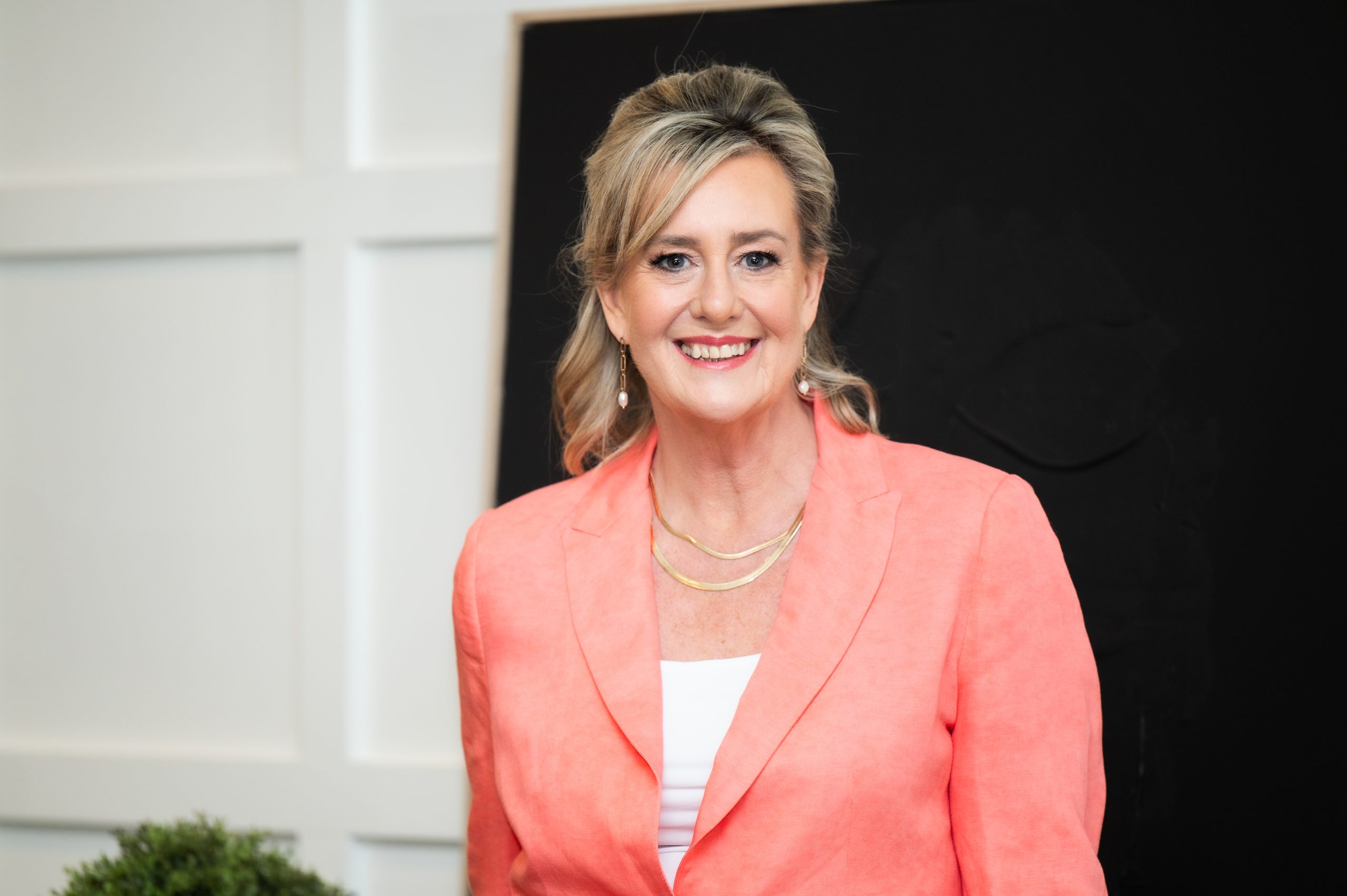
Catherine Ashton: Today I'm speaking with Gail Eaton Briggs, a Tasmanian author, celebrant, leadership coach, and founder of EveryWhen Solutions.
Catherine Ashton: With more than 40 years experience in early childhood education, child safety, and leadership, she is passionate about helping people navigate life's most significant moments with confidence, compassion, and hope. As an authorized celebrant since 2006, Gail has supported hundreds of families through funerals and celebrations of life.
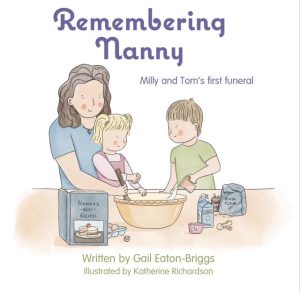
Catherine Ashton: Through this work, she recognized that while adults often struggle to prepare children for funerals, childrens themselves simply needed honest, age-appropriate guidance. This inspired her to write [00:03:00] Remembering Nanny: Millie and Tom's First Funeral, a beautifully illustrated picture book that gently prepares children for attending a funeral, together with a companion guide for parents, carers, educators, and funeral professionals.
Catherine Ashton: Gail is also the author of Conscious Grit: From Stuck to Unstoppable. Whether writing, coaching, or leading ceremonies, her mission is to help people feel seen, supported, and equipped to face life's challenges with courage and grace. Thank you so much for being with us, Gail
Gail: Thanks for having me, Catherine. Really is a privilege to be here
Catherine Ashton: Now tell me,
Why Write Remembering Nanny
The Moment That Inspired Remembering Nanny
Catherine Ashton: what was the moment when you realized that you needed to write this book, Remembering Nanny?
Gail: Well, it wasn't really just one moment, it was a range of moments that had occurred over many [00:04:00] years. of many years of watching families to funeral services, and many years of being in a family's home, speaking with a family to prepare a funeral service, and just hearing and seeing the variety of, reactions and responses that were happening, the way that families were able to prepare children, and in most cases not prepare children, not because they didn't want to, but because they just didn't know how to. And, I think after writing my previous book, Conscious Grit: From Stuck to Unstoppable, and having a good response to that, from people saying, "This book really helped me," that's the key for me. If someone says, "You have really helped me," then I go, "Okay, what else can I do to help people?" And so, this kind of thought had been rolling around in my head in terms of helping children prepare for funerals.
Gail: [00:05:00] I've also got, you know, a collection of teddy bears in the boot of my car that I've collected from op shops throughout place that I just keep in the car. My aim had been to take them into services and be able to have them handy for children, but I found that that's not really practical because you can end up with, you know, 10 children lined up for a teddy bear, for, you know, a myriad of purposes.
Gail: But to be able to say to a really upset child, "Do you wanna come with out to my car with me, and ask mommy if that's, or dad, dad if that's okay?" And we go out to the car and then find them the box of bears and say, "There's somebody in here who needs a hug just like you do. Would you like to choose one?" Yeah. So I have tried that, and I've still got the box of bears, but I thought, "No, I'm really only getting to the odd child here or there. I'd really like to do something that is, a little bit more broad in its application, and something that children can read, but [00:06:00] also can help parents and other practitioners, perhaps counselors, school chaplains, school teachers, others that are, you know, know of a child who needs some preparation before they go to a funeral service."
Catherine Ashton: I love the fact that you drive around with a box of bears in your car. Can I just say that? I think that is so gorgeous
Catherine Ashton: So tell me,
The Story of Millie and Tom
Catherine Ashton: for someone who is unfamiliar with the book, what does the story of Millie and Tom tell us?
Meet Millie and Tom
Gail: So the story begins with Millie and Tom waking up. They would normally go and have a cuddle with Mom in bed, but on this morning when they go in there, Mom's not in the bed, and they go looking for her and find her on the back steps. She's sitting there, she's upset. There's tissues all around her, and she tells them that Nanny has died. it becomes pretty obvious quickly that Nanny's a very special [00:07:00] person to the family. the children have lost their dog Benny previously, and so Mom explains the alignment between what's happened to Nanny and what happened to Benny. And then they go through the process of Dad explaining to them, very simple terms, what a funeral is, and then they do a little bit of preparation.
Gail: Figuring out what Mommy's gonna wear, figuring out what toys they can take, figuring out, the photos that are going to be shown. And all of this happens in a very loving home environment. And then the book takes them to the funeral service, and they walk in, and there's lots of people around, people who wanna hug them, but they don't wanna be hugged necessarily, and they don't have to be. feel safe because they've got Dad and they've got Mom there. it takes them through a service in very simple terms, showing them the coffin with the flowers [00:08:00] on the top. There's a nice lady there speaking. That's me. You'll notice the, similarity with the hair, and I am known for my nice shoes, and I did insist the illustrator make me some nice shoes, and she did, which was lovely of her. and then we have , a time when other people can go up to Nanny in the coffin, closed casket though, and say their final goodbyes. So, you know, her gardener blows her a kiss, and somebody leaves her a jar of jam on the coffin. then they have their afternoon tea, and Millie gets cream on her nose, and they have a bit of a laugh about that.
Gail: And they go home, and they talk about it, and that's one of my favorite parts of the book, where they have a, a, an emoji, chart, a feelings chart, and a- as a family they talk about what they have seen. They've seen some laughing. They've seen some crying, some sadness. Even saw somebody get a bit angry 'cause all the scones were gone. So it's [00:09:00] got a little, sort of, a little kind of humorous tiny humorous bits, throughout just to, to lighten it up. It's certainly not a mournful story. It is meant to be rather than this is the saddest thing in the world that's happened to us as a family. Because the message throughout this story is of connection, of inclusion, of being able to be- Be prepared, to participate in this ritual that we know as a funeral. and I guess what I didn't do was finish off the story and, you know, on the way home they go to a nursery and they buy some rose bushes, and they plant them in the garden, and then that's that kind of living reminder of Nanny just outside the kitchen window. So that's it in a nutshell, and, it was a, it was a beautiful, simple story to write really.
Keeping Beliefs Open
Gail: But challenging in that I have stayed away from beliefs, [00:10:00] because I just think that's a minefield, and what I want is for parents to be able to take this book, use it as a tool, and they can leverage from it. When a child asks them what happens to Nanny after the funeral, the family can choose their version of what happens to Nanny. I don't think that's something that is consistent across our community at all in terms of the stories that people tell. so I chose to stay a- away from the beliefs and, yeah, I, I, I believe that that was the right thing to do
Catherine Ashton: But
Diversity of Responses to Death — What Gail Has Witnessed
Catherine Ashton: what are some of those beliefs that you, and the diversity of, of how you've seen people respond to death given your experience as a celebrant over so many years?
Gail: Mm-hmm. [00:11:00]
How People Grieve
Gail: Well, you know, I've seen people, I've seen children bounce into a chapel, for example, and so excited that they've got this big space, and they're all of a sudden they're climbing on the chairs, and they're completely oblivious to a coffin being there. So that's w- at one extreme end. And then I've seen children come in and just stand behind their parents or carers, whoever is, you know, their, their grown-up for the day, stand behind them and not want to look up, not want to look at me, not want to look at the coffin, just be very, very shy and withdrawn. I've also seen differences within family groupings, and there's one beautiful family group that, that comes back to me time after time with a couple of sisters in their 40s, and they were saying goodbye to Mum. They were up with the [00:12:00] casket before the service started, and they were just standing there just having a chat.
Gail: It was a closed, closed casket. One little girl was standing, she would have been about six. She was standing with the, the older women, very, very quiet and hands beside her, not really engaging in it. But the little nine-year-old boy, he had a teddy under his arm, not one of mine, but he had a teddy under his arm. He'd taken the foot end of the coffin. He was leaning over it. He had his arm on it. He had, then he had the other arm on it, and he was, he was right into it. And I really wondered what the difference was here in terms of preparation within that family. Obviously, children are individuals, and everyone's gonna respond differently anyway. I did wonder there was such a difference. This was [00:13:00] pre my, pre my book and pre my sort of getting to the point of wanting to sort of dive in and ask. Now I think I'd probably go and ask, you know, "What sort of preparation did, did you do with this little fellow?" Because he was amazing. this is sort of slightly out of my age group, but
Highlight: The Group Home Funeral — An Unexpected Celebration
Gail: I took a service not so long ago for a person who had lived with significant cognitive disability for much of his life, and he lived in a group home. so the mourners included a contingent of staff from the home and a number of people that he was in daily contact with, others who also had- significant cognitive difficulties. That was fascinating because they were calling out to me during the service as I was reading the eulogy and [00:14:00] talking about him. They were saying, "Yeah, yeah, yeah, we remember that. Yeah, I know, I remember. That was really funny." You know, and, "Oh, he used to wear his socks with the holes in them." And you know, it was, they were really participating in the service.
Gail: So I just drew them in, and we ended up having... At the end of the service, they went through to catering, and then they came back to me and said, we closed the curtains, and said, "Where's he gone?" And I said, "I think he's still there." And they went, "Well, can we see?" So we opened up, the funeral home were just fantastic, reopened the curtains, we ended up bringing out two chairs and a little table and a plate of food for them, and they sat there beside the coffin and had their, morning tea. And after that, I [00:15:00] actually thought to myself, there's another cohort of people that potentially didn't get the preparation, and I would love to know what kind of follow-up they got back in the group home as well, to follow through with those questions about, well, where is he now,
Catherine Ashton: it's so fascinating , the difference in how people respond. I love the fact that something that has been done for, , the history of closing those curtains, and the fact that the coffin is still there, you know, who, who do we do that for?
Catherine Ashton: 'Cause clearly this was something that didn't need to be hidden from these particular people that were attending. They wanted it to be part of it. So that's a really fascinating... Yeah. I love that.
Gail: I went home. I almost skipped out the door that day because home had exactly what needed to be [00:16:00] done, you know, in responding to me saying, "Hey, we've, we've got some people who really need to see what's going on here." And they just did it and brought out the food and the tables and the chairs, and it was just, it was fantastic. It was really good
Catherine Ashton: That is amazing. and tell me,
When It Goes Wrong
When It Goes Wrong — Unprepared Children at Services
Catherine Ashton: when have you seen it perhaps done not so well, Gail?
Gail: Win Children are, they've, they've clearly been brought to a service because families have felt that it was the right thing to do, you know, to honor somebody by having all of the family there. And then the child just is upset the whole time, you know? and, and, and, but without, without getting the love and support that they needed because they were upset.
Gail: That is really hard for [00:17:00] me to watch as a person standing up the front, I have to say. And that is probably the child that I will take out to the car afterwards, after they've got permission from mom or dad, and let them have a look in the box for a bear that needs a hug, just like they do. the other of it where I just wonder sometimes about, maybe what families have experienced or what grown-ups have experienced themselves previously, when I meet with a family in their home and I say, "Do you have young children and will they be coming to the service?"
Gail: And they go, "No, they're too young." And, you know, it's a very definite, "No, they're too young." Or a, one of the other grown-ups in the room will actually say, "Oh, you're not bringing such and such, are you? They're too young." 'Cause I don't think that there is a too young. I think it is all about the [00:18:00] preparation and it's, it's about, you know, helping children just know that there's going to be something different there. But hey, I've got your back. I'm your grown-up. I'm your person. I'm gonna look after you, so you're gonna be okay, and we're gonna talk about it afterwards. And let them take something comforting, something that means something to them.
Gail: In, in the book, Tom and Millie get an opportunity to go and find something to take with them, I've actually all- allowed Tom in the book to take his soccer ball that's the thing that gives him comfort. And I can't wait for somebody to say to me, "You never, ever let a kid take a soccer ball into a funeral chapel." Well, why wouldn't you? If, if that's the thing that gives that little person comfort. Because while he's got his soccer ball, he's probably got half a, half a brain thinking about, you know, last week's soccer game or what he's gonna do, [00:19:00] you know, tomorrow at school at lunchtime with his mates with the soccer ball.
Gail: it's, it's just about trying to get on the same page as these, younger children and m- meet their needs. so in answer to your question, that's... You know, I've never seen anybody being absolutely terrible though to their children. I don't think that, you know, I, I think that people generally come to it from a place of love or a place of love, but they have not had a good experience perhaps themselves as a child, or they just don't know what to do.
Companion Guide Tips
Gail: that's the reason I've ended up, with the book, but also a companion guide, and I may not have shown you this, actually the companion guide.
The Companion Guide & Helping Parents Have the Conversation
Gail: I got these printed just a couple of weeks ago because, again, what I was finding that people would-- I would show them the book and then they would say, "Oh [00:20:00] my God, this is beautiful.
Gail: And then they'd go to give it back to me, and I'd go, "But so you could read this with your child." And it was like they still didn't really know how to have that story time with the child. So now created the companion guide, which is just how to get the best from the book. and it just gives them, you know, the clues about why you would use the book. Helps children feel safe, included, loved, helps them feel free to ask questions, and it helps them understand that all emotions are okay. And then I take them through how they can use the book before the service, during the service, and after the service. And I think that if I do a reprint at some time, I will actually incorporate that in the book itself, because I think that it just seems to be such a sensitive matter that parents [00:21:00] don't want to get it wrong, you know? So they do nothing because they don't want to get it wrong, whereas I want them to do something because I don't think you can get it wrong if you do this something.
Gail: If that makes sense.
Catherine Ashton: Yeah, it's also giving permission to have the conversation in, in a way that allows for all emotions and all questions to come up. And I love how in the book, the emoji chart that you were referring to is great because that lets the children clearly point to what sort of emotion they're feeling, regardless of what emotion that is, that there isn't a right or wrong in that
Gail: That's right. Exactly, yep, yep. So it gives them lots of, lots of freedom and, you know, I don't think that they can walk away from it feeling, "Oh, I've done the wrong thing," you know? It's, it's all very, comforting, very affirming, very [00:22:00] validating
Finding the Illustrator
Finding the Right Illustrator
Catherine Ashton: The illustrations, how was the process finding the right illustrator and getting the right images to, to complement the book?
Gail: Was really, really hard. Um, used a, person in Victoria to help me bring my Conscious Grit book to life, and so I knew that she would know illustrators She contacted a number. I'd sort of, you know, screenshotted a few of the styles that I liked, and so she was showing those to, to illustrators.
Gail: Nobody was interested other than one person, and then she had a death in the family. She said, "I can't cope with this now 'cause I've had this death in my family." Totally understood. Then we found somebody in New Zealand who did not get, could not get the brief at all. and tried and tried, and just [00:23:00] kept sending images that it
Gail: The images are a big part of this book, and they had to be, they had to be right. And there was just something a little bit, I don't know, almost about the way she was drawing the, the children and the people. so after great difficulty, we had to extract from that relationship. And then I had the brainwave, why don't I just reach out to Tassie indie authors and see if they know somebody? I found Catherine Richardson pretty much on my doorstep. Half an hour away, lives in Sorell. she is a delightful young woman. she has a three-year-old of her own. She won't mind me saying that she is neurodiverse, and she is just a delight to work with.
Gail: She got the brief absolutely, and, I, I just ... I [00:24:00] deliberately didn't actually go and meet her. We did all of our communicating over email. I just wanted to keep the relationship really professional. and her grandmother had died not so long before, and so she actually drew on some of that to come up with some of the little touches in the book.
Gail: So there's a recipe book in there, and you'll notice ... In fact, it's for her, cooking with her grandma was a, was a big thing, and that's why we've ended up with Mommy and the two kids on the front of the book. But there's also another illustration in there, which is a recipe book, and on one page is brownies and one page is kiss biscuits.
Gail: The kiss biscuits are mine from my mom, and the brownies are hers from her nan.
Catherine Ashton: Yeah, I love that
Gail: And then about a month ago, she had a book [00:25:00] launch for a book that she has written called The Things That Enid Can Tell You.
Gail: I think that's the name of it. And so I went to her book launch, and we have a photo of us each holding our books, both illustrated by her. And, yeah, I've, I've got another, thought process happening for my next, for my follow-up. And yeah, I'll definitely be seeing if she can, if she's interested in illustrating that one as well.
Gail: And so the universe kind of just brought us together, I think
Catherine Ashton: I love the fact that you're so close, and in each other's neighborhoods. That's amazing.
Gail: Yes.
Catherine Ashton: and tell me
Becoming a Celebrant
How Gail Became a Funeral Celebrant
Catherine Ashton: what led you to become a funeral celebrant in the first place, Gail?
Gail: So, in 2004, I, was lucky enough to do a big leadership program over a 14-month [00:26:00] period. I worked in the Tasmanian government for a long period of time, and it was a very deep dive into, you know, what you might do later on down the track, 10 years. It was a 10-year goal that you had to set. So I just went, "Oh, like, maybe I'd like to be a celebrant," you know? So that goes up on the, on the board. And then, once it's up on the board, then you start thinking, "Oh, well, you know, I've gotta do some training, and I've gotta do, you know, do a course, and, you know, I've gotta be authorized, so I'll start the process."
Gail: And so I did, and it turned out to be one of the best things, because my husband is a piano player, so he would book... people would book me f- as a celebrant and him as the piano player for weddings. so over many years working in high-level leadership roles, I also did weddings on the weekend, 'cause it was my fun stuff and we could do it together.
Gail: So that was all great. but then in August 2019, so s- nearly, very nearly seven [00:27:00] years ago, I was, I just had a, a bit of a moment and I thought, "I'm-" I cannot make the difference to people that I want to make working in the high-level role that I was in at the time.
Gail: And so I resigned, from the, my government role, decided I would throw out to the universe the things that I loved to do. And the celebrant work was at the top of the list along with strategic planning, leadership, coaching, et cetera, et cetera. And over the last nearly seven years, I have built up a really successful s- reputation here as a funeral celebrant in Hobart. love it. Of all the things that I do, it's a major part of my income, but it's just, it's got my heart, you know. It's, it's a major part of my life. love working with people on [00:28:00] a, that one-to-one basis.
Gail: I love hearing the stories. I'm not a bad writer, so I like to be able to bring the story to, to life, and I don't mind getting up and telling a story either. So kind of the perfect thing for me. well as that though, I do work with families in the work, who are engaged in the child protection system.
Gail: I facilitate family group conferences to help them, up with perhaps a, perhaps the child safety system requires them to have a safety plan or something, that's required by the court. So I work with families with that. I also work, as a contractor, and a conciliator with the Office of the Education Regulator here in Tasmania, working with families where children are not attending school. So, you know, that facilitation, conciliation. I deliver quite a bit of training in the leadership space, particularly, using a neuroscience based model that, helps people understand their head, their heart and [00:29:00] their gut and how it's all connected. And of course, that all helps me be a better celebrant, because when I'm living and breathing that kind of thing, I'm performing well and the families that I work with get the benefit of it. So that's, that's kind of me in a nutshell now.
Children as a Calling
Catherine Ashton: And it's interesting that you've specialized in children. Like, that is a niche area that, you know, most people generally stay away from. Was that a career path that you went along?
Gail: My very first career was in early childhood. And, so, you know, even when my own children were really tiny, I worked as a family day carer at home. that was my first entree. Then I kind of worked in the family daycare scheme, then I managed the family daycare scheme. then I went to TAFE and I was a teacher in the area, and then I was a team leader in the area, and then I [00:30:00] worked in child protection
Gail: So the whole children thing has been a theme all through my career, and I still do, Like I said, I've got the facilitation and the conciliation work, but I'm still involved with Early, Childhood Australia, Tasmania here, just on a, on a sort of a bit of an advisory basis. yeah, I think it's, it's kind of, it's in my, again, it's, it's in my DNA to, to have that connection with children and, So think Remembering Nanny was always, it was always gonna happen at some point and, yeah
Catherine Ashton: It's interesting because even the way in which, the illustrator Catherine Richardson and you describe the ceremony is through really the eyes of the children
Gail: Yeah, that's right.well, I'm fairly intuitive, and I think that's one of my, one of my strengths. And, and I think it's one of Kat's strengths as well. And, [00:31:00] you know, we ... She would sort of... I would say to her, "This is what I, I, I'm, I'm thinking," and she would do something, and I'd say, "What about if we just tweak such and such?"
Gail: And she'd get it and tweak it and come back to me. So, you know, we both... It was easy for us to get on the same page. It really was. And I think that that kind of theme, though, of support and love just, just comes through the, you know, pretty much with every illustration. Every bit of the book, every word that's there, every picture that's there is designed to be of assistance.
Gail: Nothing in there is superfluous. You know? It's all got a message behind it. It's all meant to give, you know, children say, "Oh, who's that person?" Or for a grown-up to say, "Oh, see those sunflowers that they put on the coffin? You know, do, do you remember the, you know, loved roses. Why don't we get roses instead of sunflowers?"
Gail: You know, that kind of, interaction gets stimulated through those illustrations.[00:32:00]
Catherine Ashton: And
Head Heart Gut Model
Head, Heart & Gut — The Neuroscience of Leadership
Catherine Ashton: tell me a little bit about the, was it, you described it as, I believe, mind, heart, gut
Gail: So the head, heart, and gut.
Catherine Ashton: There you go.
Gail: so
Catherine Ashton: I got two out of
Gail: you
Catherine Ashton: heart, and gut.
Gail: so look, there's just... And, and it's really interesting that, you know, years ago when I was actually working as a practitioner and then as a teacher in the early childhood space, there was a lot of research emerging at the time about how, about neuroplasticity and how we can... interaction that a child has impacts on their brain, and we can influence how a child's brain develops and how it's wired with the experiences that we offer them. And so that was a fundamental kind of theme that underpinned a whole lot of, you know, the years that, that I was working, as I said, as a practitioner and as a teacher At, in [00:33:00] the taste system.
Gail: there is so much research that, that is about, the brain continues to be moldable. You know, we continue to have experiences that will change the, the connections in our brain. We can rewire our brains. And if you pull that down to something that's, you know, a, a basic, day-to-day habit, we can change the way we do things.
Gail: We can change our habits by rewiring our brain, by doing things differently. And we have to, realize that we might have some muscle memory, but if we keep doing a different thing over and over again, our brain will get rewired. So we can actually change our behavior, and that's a really powerful thing to understand. the other part of the research that's coming through from a neuroscience perspective is the impact of, the microbiomes our body, the impact of nutrition, of having, [00:34:00] good sleep, physical exercise, and all of that contributes to a better connection between our head, heart, and our gut, and they all align.
Gail: And if they're all working well, then we do have a better life. We can problem solve better. We can collaborate better. our ethical framework is, stronger. We have more courage. we use our imagination, and of course, when we use our imagination and are curious, we can actually achieve so many more things than if we had this fixed mindset and not want to, be open to exploring or finding new ways of working or finding, new people to talk to.
Gail: So all connected and, about... Oh, golly, it is about 15 years ago I came across the, the model, that I use. It is the I4 Neuroleader model developed by About My Brain. the, I did the [00:35:00] practitioner course, which enables me to administer a 360 degree assessment and then do a debrief afterwards, and do some coaching around it. And then in November 2024, I went to Bali on a retreat and took my daughter with me, and w- I came back as a master trainer and licensed practitioner. So I now can, deliver a two-day certification training to people who can then take the tools and deliver them to their own staff, their own teams, and they're fabulous resources.
Gail: So I did that in November last year, was the first one in Tasmania, and I'll do it again in November this year here. there are only a few of us master trainers globally. There's somebody in Mexico, York, Johannesburg, Brisbane And I [00:36:00] think Spain. I think that's it. No, maybe London. Yeah. So,
Catherine Ashton: network
Gail: love it.
Catherine Ashton: and
Gail's Daughter, Bali & Baby George
Catherine Ashton: t
Bali Healing Story
Catherine Ashton: ell us about the little story that you have from your daughter in Bali
Gail: So my daughter, So if you read Conscious Grit at any time, you will know that we as a family had a awful situation that occurred. I was 22. in a, in a nutshell, I was 22. I was 11 days away from having our first child. My then husband was 27, and he suffered a cerebral hemorrhage, which he survived, however, survived with severe, difficulties. came along, nearly five years later, and he eventually passed away. However, we had separated by the time he passed away. Because of some of his, behaviors, [00:37:00] she never really got to have a relationship with him because I didn't feel that it was safe. So she'd been hanging on to a lot of trauma, a lot of stuff for many, many years. At the retreat, we did all sorts of things. We visualized, we meditated, we in pools, we jumped in ice baths, we got in saunas with the sauna master. We, like, we did everything that we could possibly do. Lots of sound healing. And we, that was in the, in November 2024. Oh, we also had a, a reading with a, person. Now, we kept those, I kept mine fairly private. She kept hers fairly private. but we both really enjoyed, you know, the experience of being in Bali. when we came home, sort of in November, then Easter was, you know, late March, early April, and we're sitting at, having our Good Friday [00:38:00] meal together and she said to me, "What are you doing in October?"
Gail: And I said, "Well, I'll be around. Why?" She said, we're pregnant." And claims that Bali healed her and that she had actually been trying for a baby for a long time. Amazing. One of the activities that she did that I didn't do was to go, we did a big walk, to some temples and then there was this muddy river that ran through some mountains and that was very rocky on the bottom and I had promised my husband that before I went that I would not do anything you know, I was gonna be, you know, maybe fall over or something.
Gail: I would not get on the back of a motorbike. So I didn't do this trek, but my daughter did it and I remember watching her holding hands with somebody and they all went through this [00:39:00] muddy river and then they went into these where there were caves in them, and I have seen the photos of them in there chanting, praying, just absol- screaming, absolutely screaming at the top of their voices. And when she came out of there, they were gone for a couple of hours. When she came out, I clicked a photo of her as she looked at me on the way out. The look on her face, she was a different girl. I will never ever forget it and I'm so pleased I've got the picture whatever they did in there you know, and I think combined with some of the other stuff that we'd been doing, she just let it all go.
Gail: And we have beautiful little George now, and George is nine months old, and he's a delight,
Catherine Ashton: It's interesting that story and your talking about the head, the heart, and the gut. Because when you [00:40:00] were talking earlier, about parents' ability to talk to their own children when it comes to death and dying and, and funerals, it's very much based on our own personal experience, isn't it?
Gail: My word it is. Absolutely. Absolutely it is, yep.And look, you know, the research is kind of out on the specific age groups, but I always kind of think it's between the ages of kind of three and eight-ish. Those childhood experiences in those particular years absolutely shape us, and we often bring what we've learnt, whether it be good or bad, through into our adulthood, and they're so powerful. I mean, you know, those core beliefs are taken forward and well. So, you know, there's ... In, in writing this book, you know, I would hate it to be seen as a criticism of [00:41:00] It's just a tool to help because we are all burdened with a lot of that stuff that we bring through from our childhood
Catherine Ashton: And you talked about the neuroplasticity of our brains and the fact that we aren't destined to be what the product of our previous, history is, that we can actually rewire our brains.
Rewiring in Coaching
Rewiring the Brain — Neuroplasticity in Practice
Catherine Ashton: When have you seen that work really well, Gayle, in the work that you do?
Gail: I was doing some work with a small business owner who for years and years had thought that, she was delivering the same service for the same price over and over again. But she was also going off and doing her training, and so her skill level was increasing, but she wasn't incorporating that into her advertising or into her, [00:42:00] pricing, or even into was feeling about the work that she was doing.
Gail: And so by being able to talk with her and be able to do some work with her around confidence and, so increasing confidence and reducing her self-doubt, and we did that through a lot of, journaling and a lot of changing the self-talk, so, and pulling her up on some of the, the, the, the, what do you call it?
Gail: The, the recording of her life that she was playing over and over and over in her, her head, you know. so never using the word just. Instead of I'm just a... no, I am a mm, and the difference I make to people is this. And, you know, just over and over and over again, and as I said, journaling and, she, yeah, after a...
Gail: It did take a couple of months, I have to say, but I [00:43:00] was working on confidence and eliminating self-doubt or reducing it. Yeah, she put up her prices. Nobody left her. People were saying to her, "Don't know why you didn't do this a long time ago." And then she'd say to me, "Oh my God," didn't I do that?"
Gail: Well, you didn't do it because that's where you were then, but look at where you're at now. and now she's actually, making other decisions in her life as well. So, that's just an example of, changing the way she thought and changing those patterns and rewiring, the habit that she had to eliminate it,
Catherine Ashton: you made the very brave move to leave that job.
Leaving the Senior Public Service Role — Values Clash & Conscious Grit
Catherine Ashton: what was the catalyst? What was the thing when you had already experienced other challenges in your life? Why then?
Gail: so in 2019, I was experiencing a significant values clash, pretty much every day. [00:44:00] So my role was, very senior public servant, and in those roles you- You are part of a bureaucracy, and You have very close relationships with members of parliament and their officers. And I found that most of my day was spent serving them rather than serving the people that I knew were subject of the that I, that I was, you know, working in, which... And, you know, the areas were, child protection, child safety, family violence, youth detention. And so it just became untenable for me to [00:45:00] stay there.
Gail: I was miserable. it was honestly playing on my, on my health, you know. I was at the point where I was, finding it a real struggle to go to work every day. And then when I was there, they were long days, they were hard days, and I just didn't feel that I was, being able to achieve what I wanted to. But I didn't really know what it was that I wanted to but I just knew that I could do something different, you know. And look, all through my life I've had something on, going on the side. So, you know, back in the day when I ended up, know, as a single mom with two little kids, used to make tracksuits.
Gail: And back in the day when appliqué was all the fashion, and I would appliqué all sorts of things on them and sell them at a market or, you know, there was a shop in a little town, tourist town here used to buy them. And, that's, that was my kind of side thing, and I'd get my extra cash that way. And then [00:46:00] when I was doing between sort of being authorized as a wedding celebrant, up until when I left, I, you know, I had my celebrant stuff on the side all the time. And so, and I'd, I'd had some terrific opportunities during my career, absolutely wonderful opportunities, to learn all sorts of things. And I thought, "Look, I've got a lot of skills. I'm well known, got a good network. I'm gonna chuck it all out there, see what happens." That was in August 2019. And then come January 2020, February 2020, good old COVID pandemic hit. And I thought, ooh. So some of the connections that I had that had said, "Yeah, we'll get you to do this, Gayle," and blah, blah, were saying, "Oh my God, I don't know what's gonna happen now. We need to put that on hold." So that's when I decided I would write the book, The Conscious Grid book. but I still [00:47:00] did funerals through that time, except there wasn't...
Gail: we did them in a different way, in very small, groups. Mm.
Conscious Grit Explained
Catherine Ashton: tell me a little bit about Conscious Grit
Gail: So Conscious Grit, this is... There we go. I don't know whether you can sort of see the cover, and the image there I'm hoping says it all. It's me giving people the key, the key to do something different because the, the basic philosophy there is that I was back at a period in time in my life, stuck in a situation where I was trying so hard to have a good life, trying hard to look after my kids and, you know, everybody else that was involved, but I just couldn't get to where I wanted to go. But I kept on trying and trying and trying. I now call that the zone of unconscious grit. So you're trying really hard, but you haven't [00:48:00] actually got a plan around how you do the trying, if that makes sense. Conscious grit when you do try really hard, but you actually have a plan. So you set some goals.
Gail: if you don't have a growth mindset, then you figure out a way to get a growth mindset. You, do some planning. You find the people and get them around you who can help you. You get rid of the emotional vampires in your life. Everything that you do is conscious And so the trick, however, is to get from what I call the zone of unconscious grit to the zone of conscious grit. And to get from one to the other, in my model, you've gotta find a tipping point. And for me, and I think the tipping points are out there everywhere, but you've got to be alert, you've got to [00:49:00] them, and you've got to grab them when you see them. And for me, the tipping point that I grabbed was when my Alanna, quite young and, I just thought, cannot cope with the situation that I am in any longer." Because Peter did not mean to, but he was d- engaging in a lot of risky behaviors, and some of those things were, you know, in the middle of the night, smoking, dropping cigarettes around the house, taking the car even though he had severe epilepsy, putting the kids in the car even though he had severe epilepsy and driving, putting, using, the deep fryer in the middle of the night and heating it up till it was smoking, smoke.
Gail: Like, it was just Not taking his medication or double, triple [00:50:00] dosing on his medication. It was just so, so difficult. And I was in my 20s, and I had two young children. It was really hard. not his fault. And so my tipping point was going to the doctor and with Alanna on my knee, and I can actually still remember what I was wearing and what she was wearing that day.
Gail: And I can remember the light coming in through the doctor's window above where he was sitting, and I was telling him what was going on. And he just said, "Gail, it is time to go get yourself a lawyer." And I think I'd known that for a long, long time, but I just needed somebody to kind of validate it, somebody to affirm that what I should do. So that's what I did. I mean, that wasn't the, that wasn't the end of the hard stuff, but at least I had a [00:51:00] plan, and that was my tipping point to get into what I now know as the zone of conscious grit. Now, I didn't know about any of this zone stuff at the time, know? But, you know, I do now. And so with the wisdom of hindsight and looking back, that model has worked for me over and over and over again in my life.
Gail: Because, you know, like everybody who's had a kind of a long career, I've had career setbacks, I've had relationship setbacks, you know, and, I now know that what I've done time to get through those and recover and be resilient is to get myself into that zone of conscious grit. Find the tipping point and get into that zone. So That's what I, help people understand in coaching and in leadership sessions, in, any public speaking gigs that I do. That's the model that I generally talk about.
Catherine Ashton: you've talked about looking in [00:52:00] hindsight.
Looking Forward
Looking Forward — What's Next for Gail
Catherine Ashton: What about looking forward, Gail? what does looking forward look like to you now?
Gail: Look, people say to me, "So when are you gonna retire?" And I go, "I'm not." I really would love to do, some, a lot more what I would just call content creation in that funeral space. I think that there's a, there's definitely more I can do there. focusing, yes, on children, but perhaps there's some other, content that I can also write for people that are aging, for people that are, you know, perhaps in the disability, space. yeah, so I just plan to keep doing what I am doing. I would love, love, love to do a little bit more, on the mainland and combine a bit of public speaking or, you know, with a little, you [00:53:00] know, two or three-day holiday break here around, here and there around, around Aus-Australia.
Gail: that's probably the one thing that was in my throw it out to the universe and see what sticks. That's probably the one thing that, hasn't come to fruition as I would like it to have done. in saying that, I did spend a bit of time in Queensland earlier this year working, with an organization to help them with their strategic planning and, and I've also written some learning guides for them.
Gail: So that's me. we'll see where it takes me, Catherine. But, yeah, I don't feel like I wanna change things up too much.
Final Thanks
Catherine Ashton: Well, we will certainly watch this space, Gail
Outro & Closing Thanks
Catherine Ashton: Thank you so much for being with us today and, and sharing your beautiful book, Millie and Tom. and, and also, you know, the, the story behind Conscious Grit as well. thank you so much for, for being with us[00:54:00]
Gail: Thank you so much for having me, Catherine. it's a privilege to be here, and I really appreciate the fact that you've been interested in my work. Thank you