



Drawing to Remember: The Healing Power of Art After Baby Loss



Listen now
About this episode
Six babies are stillborn in Australia every day. Two babies die within their first 28 days of life, and a miscarriage occurs every three and a half minutes. Yet despite how common pregnancy and baby loss is, it remains one of society’s most misunderstood and least talked about experiences.
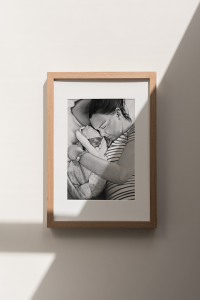
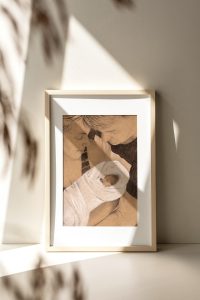
In this episode, I sit down with Larissa Reinboth, artist, author, and founder of Possum Portraits, an Australian charity providing free memorial portraits and bereavement support to families following miscarriage, stillbirth, and neonatal death.
Originally from Germany and now based in Melbourne, Larissa shares how a conversation with her sister, a midwife, sparked the idea that would eventually become Possum Portraits. What began as a single commissioned illustration for bereaved parents has grown into a national charity supporting families across Australia through art, education, memorial photography training, and grief resources.
Larissa speaks candidly about her own experience of miscarriage, the misconceptions surrounding pregnancy and baby loss, and why society's discomfort with grief continues to leave so many families feeling isolated and unsupported.
We also explore the healing power of creativity, the importance of memory-making after loss, and Larissa’s beautiful children's book, The House in Ollie’s Tummy, which helps families explain pregnancy and baby loss to siblings and young children.
This conversation is compassionate, thought-provoking, and deeply important. It is about grief, remembrance, advocacy, and ensuring that no family has to navigate baby loss alone.
Remember; You may not be ready to die, but at least you can be prepared.
Take care,
Catherine
Show notes
Guest Bio
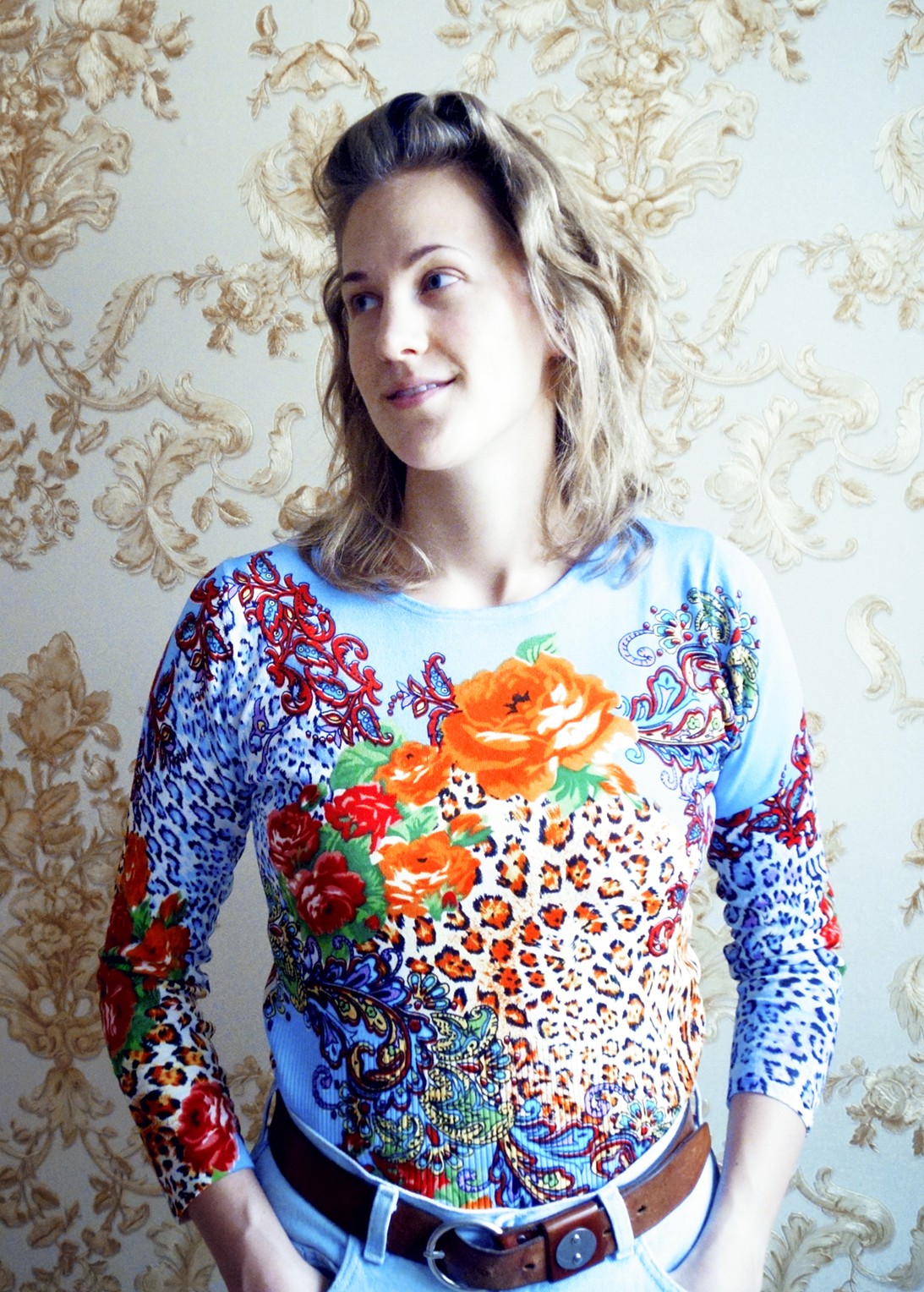
Artist, Children’s Author, Illustrator and the Founder and Director of the Australian Charity Possum Portraits
Today’s guest is someone turning art into a form of grief support and advocacy.
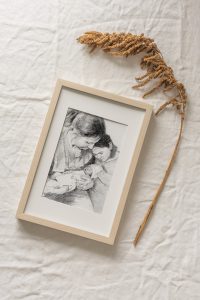
Larissa Reinboth is an artist, children’s author, illustrator and the Founder and Director of the Australian charity Possum Portraits — a unique organisation supporting families after miscarriage, stillbirth and neonatal death through free memorial portraits, education and bereavement resources.
Originally from Germany and now based in Melbourne, Larissa’s path has been anything but conventional. Before leading a national charity, she worked across industries and countries, living in Europe, South America and Australia. She holds a Master’s degree in Illustration and Book Arts and has combined her artistic practice with a deep commitment to improving perinatal bereavement care.
The idea for Possum Portraits began after Larissa’s sister, a midwife, recognised a gap in support for bereaved parents — particularly access to meaningful keepsakes after the death of a baby. What started as commissioned illustrations evolved into a registered charity providing free memorial portraits and advocating for better support for grieving families.
Larissa has also experienced miscarriage herself and has channelled lived experience into practical support tools, including the children’s grief book The House in Ollie’s Tummy, helping families explain pregnancy and baby loss to siblings and young children.
Today on Don’t Be Caught Dead, we’ll explore grief after baby loss, memory making, art as healing, and why society still struggles to talk openly about miscarriage and stillbirth.
Summary
What you'll hear in this episode:
- How Possum Portraits began after Larissa's sister identified a gap in bereavement care
- Why memorial portraits can be such powerful keepsakes for grieving families
- Larissa's personal experience with miscarriage and the silence that often surrounds pregnancy loss
- The misconceptions society still holds about miscarriage, stillbirth, and grief
- Why children benefit from honest conversations about death and loss
- The story behind Larissa's children's grief book, The House in Ollie's Tummy
- How art can support healing, remembrance, and continuing bonds after loss
- What not to say to bereaved parents and how we can better support grieving families
- The importance of improving bereavement care, memorial photography, and workplace support after pregnancy loss
Transcript
Larissa Reinboth : [00:00:00] their-- They wrote me an email when, when they got it, and they both said they cried, uh, you know, and how perfect it was and how much it looked like their daughter, and just how thankful they were, you know? Larissa Reinboth : And I mean, you know, you can be, you can be an artist, you know, earning squillions of dollars and exhibiting in all these fancy galleries and whatnot, you know, and, um, of course that's rewarding in its own way. But, you know, these little portraits, you know, nobody's ever gonna really know the name of the artist. Larissa Reinboth : ... Read More
Larissa Reinboth : [00:00:00] their-- They wrote me an email when, when they got it, and they both said they cried, uh, you know, and how perfect it was and how much it looked like their daughter, and just how thankful they were, you know?
Larissa Reinboth : And I mean, you know, you can be, you can be an artist, you know, earning squillions of dollars and exhibiting in all these fancy galleries and whatnot, you know, and, um, of course that's rewarding in its own way. But, you know, these little portraits, you know, nobody's ever gonna really know the name of the artist.
Larissa Reinboth : Uh, you know, you're not gonna, you know, not gonna win an Archibald. You're not gonna be a squillionaire, you know. But in terms of the impact that individual that experiences it.
Larissa Reinboth : That's another common misconception I, I, I think, certainly in, you know, in Western societies, is that there's somehow a timeline associated with it, you know, that, you know, at, at a certain point, although nobody has quite m- managed to pinpoint that point, but, uh, anecdotally, you know, apparently there's supposed to be a point when you are, you know, quote, "o- over it," and then you're supposed to be functioning like a, like a, you know, like a good cog in the [00:01:00] machine and stop moping about and just get on with it, and that's unfortunately not how it works.
Larissa Reinboth : For anyone who sort of says, "Oh, this is a bit of a fringe occurrence," it's certainly not. And yet even with how common it is, it's still something that apparently no one should talk about.
Catherine Ashton: Welcome to Don't Be Caught Dead, a podcast encouraging open conversations about dying and the death of a loved one. I'm your host, Catherine Ashton, founder of Critical Info, and I'm helping to bring your stories of death back to life. Because while you may not be ready to die, at least you can be prepared.
Catherine Ashton: Don't Be Caught Dead acknowledges the lands of the Kulin Nations and recognizes their connection to land, sea, and community. We pay our respects to their elders past, present, and emerging, and extend [00:02:00] that respect to all Aboriginal and Torres Strait Islander and First Nation peoples around the globe
Catherine Ashton: Today I am speaking with Larissa Rheinboth. She is someone who is turning art into a form of grief support and advocacy. Larissa is an artist, a child's author, illustrator, and the founder and director of the Australian charity Possum Portraits, a unique organization supporting families after miscarriage, stillbirth, and neonatal death through free memorial portraits, education, and bereavement resources.
Catherine Ashton: Originally from - Germany and now based in Melbourne, Larissa's path has been anything but conventional. Before leading a national charity, she worked across industries and countries, living in Europe, South America, and Australia. She holds a master's degree in illustration and book arts and has combined her artistic practice with a deep commitment to improving perinatal bereavement care.
Catherine Ashton: The idea for Possum Portraits began after Larissa's sister, a [00:03:00] midwife, recognized a gap in support for bereaved parents, particularly access to meaningful keepsakes after the death of a baby. What started as a commissioned illustration evolved into a registered charity providing free memorial portraits and advocating for better support for grieving families.
Catherine Ashton: Larissa has also experienced miscarriage herself and has channeled lived experience into practical support tools, including the children's grief book, "The House in Ollie's Tummy", helping families explain pregnancy and baby loss to siblings and young children. In today's episode, we'll explore grief after baby loss, memory making, art as healing, and why society still struggles to talk openly about miscarriage and stillbirth.
Catherine Ashton: Thank you so much for being with us today, Larissa. Well,
Larissa Reinboth : thanks for having me. It's a really exciting opportunity.
Catherine Ashton: So tell me, in the timeline about your own personal experience, when you had the conversation with your sister and [00:04:00] recognized that there was a gap in the market.
Larissa Reinboth : Well, so that was back in Germany in 2018.
Larissa Reinboth : She had just experienced her first stillbirth as a caregiver, so as a midwife, she attended, um, stillbirth of a baby, and it really affected her. You know, something that, uh, many people sort of in the general public don't realize, obviously, it's a traumatic experience for the parents, but it, it's also... it doesn't leave the caregivers who attend that birth unaffected.
Larissa Reinboth : And especially, you know, as a young professional in the field, she felt like the commemorative possibilities that were being utilized at the time weren't really respect- as respectful as they could be or weren't really appropriate. And so, because I have a degree in illustration, she reached out to me, and she just wanted to do something else for those parents.
Larissa Reinboth : She said, you know, "Would you-- how do you feel about drawing a dead baby?" You know? And I sort of went, "What do you mean?" You know? Like, it's, it's something that you don't really... You know, at first you think it's a bit macabre and, you know, a little bit on the nose, and you sort of, you don't understand just how helpful it is because you think- You know, [00:05:00] as a, as a general person who has u- until that point not familiarized themselves with that, uh, with that domain, you think that parents sort of just want to forget about their baby, which is exactly the opposite of what happens.
Larissa Reinboth : Just like any parent, uh, you know, bereaved parents love their baby, want to see their baby, you know, feel connected to their baby, and want to be able in some way to live out that relationship that they have with this, with this child. And when it dies, you know, that's a relationship that gets prematurely cut short.
Larissa Reinboth : And so my sister felt strongly that she would like to give bereaved families something that would help them nurture that relationship going forward. So yeah, that's when I started drawing perinatal loss portraits initially, just as a, as a commission process, you know, uh, for individual families after loss.
Larissa Reinboth : A few newspapers in Germany ran articles about the work I do, and then in 2020 I moved to Melbourne with my partner and my then seven-month-old daughter, and the pandemic struck, you know. And like so many people, I took a bit of s- you know, I took stock and I went, "Oh, what do I, would I [00:06:00] really wanna do with this time?"
Larissa Reinboth : You know, "What would I like to do going forward?" And I thought, you know, I really, based on the feedback that I got from parents in Germany, I understood how helpful those portraits were, and I said I really want them to be free. I want any- everyone to have access to these, and money shouldn't be, you know, a limiting factor for who can access this portrait service.
Larissa Reinboth : So that's how we started Possum Portraits.
Catherine Ashton: What was it like when you did your first portrait or commission?
Larissa Reinboth : For, for Possum Portraits?
Catherine Ashton: Yeah.
Larissa Reinboth : Oh, it was, yeah, it was a really, it was a watershed moment, you know. I mean, obviously by that point I had drawn heaps of these portraits, but it was, it was a validation of the concept first and fore- foremost, you know, that there was also an interest in this type of peer support in Australia.
Larissa Reinboth : And it takes a lot of, you know, time and energy and effort to set up a charity, and it was just very rewarding to see that somebody was gonna be benefiting from, from this charity that we'd set up. And it's just, yeah, gone from strength to strength ever since.
Catherine Ashton: When you were back in Germany, back in sort of 2018, that you first [00:07:00] started this- Like, what was the first, like what was it like to do the first one, the very first one?
Larissa Reinboth : Look, my palms were sweating. I was, you know, sitting in front of the empty paper or the, like the blank paper going, "Oh, I can't do this," you know? Like I can't... This is somebody's dead child, you know, how could I possibly do it justice? But then something interesting happens actually in the mind of a, of a creative.
Larissa Reinboth : You know, you, you stop seeing the image as such, and it sort of just becomes shapes and light and shade and that's kind of the way in, you know? That's how you find your groove, and that's how, you know, there, there's an element of abstraction there for, for the artist creating these portraits, and in fact also for, uh, for the viewer.
Larissa Reinboth : You know, photographs can be, can be a bit on the nose, and sometimes they're also not the most appropriate form of communication, you know, of, of commemoration because sometimes people might be missing from that photographic image, or you might be able to see blood and skin tearing or, you know, uh, congenital deformities in a [00:08:00] photo.
Larissa Reinboth : There might be medical equipment, tubes, all these sorts of things that you don't want to be triggered by every single time that you look, uh, at a photo of your baby. And so a, a portrait allows you to sort of have that, like a form of representation that's a degree of removal from reality. That helps me make it and it helps the grief parents look at it and other people look at it too, and not feel so confounded with the situation at hand.
Larissa Reinboth : It can also be personalized, you know, unlike a photo. So sometimes, you know, a mother might not have got the opportunity to have a photo with her baby together, and so lots of com- portraits that we do are called composites, so we stitch together various photographs to create a keepsake that is, you know, commemorating the baby in the way that the parent wants, wants it to, you know, with perhaps with a sibling or with both parents together or, you know, in, in whatever way they, they want their baby remembered.
Larissa Reinboth : And so yeah, portraiture just offers all of these myriad possibilities for commemoration that are, can be either in addition to [00:09:00] or instead of a photo. Just, yeah, very appropriate grief support tools.
Catherine Ashton: It's so interesting that you, you mention that because you can almost curate a future that you didn't end up being able to live and, and what was in your dreams by really creating this beautiful portrait of a family that could have been.
Larissa Reinboth : Right. Yeah. And there's obviously something extremely bittersweet in the results of this, you know. Sometimes we use older or younger siblings of the baby, for example, if the photograph is very unclear. Sometimes we get Polaroids, you know, so that's another wonderful thing about the service we offer is that if your loss occurred 30 years ago, uh, you know, and you only have a Polaroid, you can send that in and we can base a portrait on that, you know.
Larissa Reinboth : And sometimes the image quality isn't great, and so that's something that we can rejuvenate, um, give another ... Yeah, almost like an, a new memory that you never got to, that you never got to make.
Catherine Ashton: And how was [00:10:00] it for you after you'd done the, the first portrait, uh, that moment where you handed it over to the family?
Larissa Reinboth : Yeah. So I sent it in the post because they actually lived in Austria, and it was incredible to receive their-- They wrote me an email when, when they got it, and they both said they cried, uh, you know, and how perfect it was and how much it looked like their daughter, and just how thankful they were, you know?
Larissa Reinboth : And I mean, you know, you can be, you can be an artist, you know, earning squillions of dollars and exhibiting in all these fancy galleries and whatnot, you know, and, um, of course that's rewarding in its own way. But, you know, these little portraits, you know, nobody's ever gonna really know the name of the artist.
Larissa Reinboth : Uh, you know, you're not gonna, you know, not gonna win an Archibald. You're not gonna be a squillionaire, you know. But in terms of the impact that each and every one of these drawings has, there can really be nothing more meaningful or rewarding to, to a creative person or, you know, an artist, an illustrator, than creating something that will literally, somebody is going [00:11:00] to own, uh, until they die.
Catherine Ashton: And what was your experience prior to this sort of conversation that you had with your sister? What were... What sort of work that you were doing? You, you had done the, obviously the qualification, but what were you actually doing? Were you illustrating books? Tell us a little bit about what you were doing prior to this.
Larissa Reinboth : So, um, yeah, I had my little studio in Berlin, and I was actually trying to sort of break into the editorial illustration market, you know, working on my portfolio. I just graduated from my master's, and so I was kind of, yeah, trying to set myself up really. Um, and then this project came along and it sort of just grew feet, you know?
Larissa Reinboth : Sometimes unexpected things do.
Catherine Ashton: And you've told us a little bit about how you validated the concept when you arrived in Australia in 2020. But tell us a little bit about that sort of experience of how you went from the first illustration in 2018 for the Austrian couple to sort of really [00:12:00] the, the second and third client that you were doing, like-
Larissa Reinboth : In, in Australia, you mean?
Larissa Reinboth : Or-
Catherine Ashton: In, in Germany originally, yeah.
Larissa Reinboth : Well, I, um, you know, I started putting out notices, uh, you know, advertisements. Uh, I tried to also... So for example, quite a few news outlets started, you know, writing about the work that I do because there isn't much. You know, there's-- just like here, there's photography services for, uh, you know, volunteer photographers that come to hospitals to take photos of stillbirths, but there really isn't...
Larissa Reinboth : I mean, there, there are, there are other artists that offer portraits for free, sorry, for, for a commission fee. But it's, it's something that's not really... You know, as a society, we don't really like talking about death and grief. Sort of we're, we're, we're sort of in the Western world a little bit grief illiterate in that way, you know?
Larissa Reinboth : It's a sort of a confronting topic. There's still the, a sort of underlying understanding that all of this should be, uh, you know, under wraps and, uh, somehow endured in silence. In, in a dark corner by yourself, so heaven forbid you don't make anyone else uncomfortable. And yeah, it was, [00:13:00] it was kind of a little bit hard to gain traction also because it was a paid service, so hospitals didn't really necessarily feel like they wanted to advertise it because it felt, you know, some, some of them felt like it would be profiteering off someone else's grief, you know.
Larissa Reinboth : And so that was one of the reasons why, uh, you know, I completely agreed that it should be, it should be a, a bereavement care service and it, it ought to be free. So that's why, yeah, when, when we came over here, I, I set up the, the charity.
Catherine Ashton: And talk me through that process because talk about a challenging time to move to Australia with a young family and, and start a business in the middle of, uh, COVID just striking.
Larissa Reinboth : Yeah. Look, I mean, I, I, I don't really know how I did it looking back. You know, first-time parent with no network here whatsoever. There were, you know, playgroups weren't open. Well, I didn't have a mother's group 'cause my daughter was born overseas. You know, then they closed the playgrounds. Um, I was also living out in the sticks.
Larissa Reinboth : I think I just needed to do something for myself. I needed to feel like I was building something, doing something constructive, not [00:14:00] completely losing myself in this, in this situation of loss of control. And yeah, that's, that's what I chose as what I wanted to be working on.
Catherine Ashton: And you mentioned-- We'd mentioned in the bio that you then had your own personal experience with miscarriage.
Catherine Ashton: Are you comfortable to talk us through what happened there?
Larissa Reinboth : Yeah, sure. So interestingly, this actually happened before my sister approached me, and it's one of the- Things that still strike me as, you know, confounding really is because I had had a miscarriage by the time she approached me, and yet the, you know, the system is so intent on kind of covering all that up and hushing it up and not making it seem like a big deal that it literally, it, it felt, you know, it felt like I went to hospital for a broken leg or something, asked someone to put a cast on.
Larissa Reinboth : It was, it was not really acknowledged by the healthcare personnel at all, even though I sat in the corridor crying after my D&C. You know, my mum came with me, um, you know, and I even remember the doctor who performed the operation, you know, just happened to be [00:15:00] walking past when I was, you know, sitting there sobbing into my mum's shoulder, and he sort of stopped dead in his tracks and he looked at me and he went, "What's wrong?"
Larissa Reinboth : You know, it's like, someone's just had a miscarriage, you've just operated on their womb, and, and you, you're literally- you're actually asking them what's wrong. And so my understanding, even having-- despite having had this experience, was that, you know, it's something that shouldn't be talked about, shouldn't be touched, you know.
Larissa Reinboth : It should just be kind of you, you forget and move on type situation, you know. And then when, when my sister sort of, you know, i- in the professional capacity of a midwife approached me and said, "Look, this is a thing that you're allowed to be sad about. This is a thing that lots of people are sad about," it just, yeah, it sort of maybe validated some, some feelings or a sense of closure that I never got to be kind of, yeah, working, working in this field and trying to ensure that, you know, other people, if I could at all mitigate, not the circumstance, maybe the feelings or the repercussions that somebody had, the feeling of a caregiving environment.
Catherine Ashton: So it must have [00:16:00] been really significant for that first family when you handed The portrait, and you sent it to them in the mail and waiting to actually receive their feedback
Larissa Reinboth : Yeah. No, it was a heart-throbbing, heart-throbbing moment, and yeah, very validating and, and rewarding.
Catherine Ashton: And that wasn't the only difference that you've made in relation to your portraiture.
Catherine Ashton: We've also talked about the beautiful book that you've written. Can you tell us a little bit about how that came about, Larissa?
Larissa Reinboth : Sure. So, um, you know, I have a master's in illustration and, and book arts, and so one of the things that I've always been drawn to are children's books, just as a personal interest, you know.
Larissa Reinboth : And I, and I thought, gosh, I, you know, there's, there's so much potential here to, to marry the two up. And, you know, I've been thinking about it for a little while, and then in the context of working for Possum Portraits, we, we got feedback sometimes from parents that they didn't really know how necessarily to talk to their children about what had happened to their, you know, to the baby.
Larissa Reinboth : Uh, they couldn't find the right [00:17:00] words. They found it maybe confronting. They didn't know if their children were going to be sad, how much to say, how not to s- how, what not to say. You know, you're, you're just a, a parent. You don't know anything about, you know, the cognitive processes that go on in bereaved kids, how to best support them.
Larissa Reinboth : You know, all of a sudden you notice, you know, perhaps behavioral issues, things like that. And there wasn't really that much support that parents could readily find to help them navigate parenthood of existing children after they lose a baby. And so I thought, well, you know, there's, there's two birds with one stone if ever I saw one.
Larissa Reinboth : And, and so we, we were looking around for someone to help us co- co-author this children's book because I don't want it, I didn't want it to be just a children's book. I wanted it to be a resource that's also supportive of parents' informational and, uh, you know, emotional needs at that time. So we reached out to a fantastic, uh, grief counselor, and she's actually a professor in thanatology in Santa Fe in the US, and her name's Dr.
Larissa Reinboth : Korie Leigh. Uh, and she has experience, uh, working in, uh, pediatric [00:18:00] palliative care. Uh, she's also a certified child life specialist, and she just has, you know, oodles, oodles of experience, qualifications, and, you know, skills. And so she, you know, consented to read over the manuscript, and then she also wrote the resource section of the book.
Larissa Reinboth : So the resource section is for parents, teachers, caregivers, you know, anybody supporting a child through loss, and it sort of gives some information on how children process grief very differently to adults, what you can do to help them through this, you know, what behaviors to look out for, what behaviors are completely normal, you know, what sort of questions you might expect, how you might field those questions.
Larissa Reinboth : You know, all of these sorts of very practical tools that a parent And, uh, we're looking for, you know, in the, in the conversations with Possum Portraits, it also includes these commemorative grief support activities that you can do either with-- So ones that are appropriate for children or ones that are appropriate just for, you know, for grown-ups or to do as a whole family.
Larissa Reinboth : And it's just a, um, you know, a, a resource [00:19:00] wealthy with information. Yeah, and the story of it in and of itself, so the, the children's book part of the book, it just takes kids through, really through the feeling, the feelings of, of grief really. You know, introducing the concepts, you know, what, what, how to, how to, how to deal with that maybe, how to navigate it as a family, what it is, how it can feel like, why it comes, you know.
Larissa Reinboth : It also talks very, very plainly about death, uses those words, uses the words dead, died, um, you know, which is really important when talking to children about death, not to obfuscate concepts and not to use euphemisms because it actually confuses them. And you're just going to have to revisit all of that later on when the kids are a bit older.
Larissa Reinboth : And then you're also going to have to explain away the euphemisms that you use, you know. So it's kind of just layer upon layer of confusion. You know, things like, you know, the baby's gone, you know. Like well, where's it gone to? You know, like or, you know, the baby's in heaven, you know. Then, you know, children have gone on airplanes and told their parents, "You said [00:20:00] our baby was in the clouds.
Larissa Reinboth : Like, I didn't see it," you know. Uh, and so children can be very literal, and they're not actually afraid of words like dead and died. You know, just like they're learning words like table and chair and love and things like that, they, they learn them and then they learn what they mean. It's us as adults that are uncomfortable talking about these things, you know.
Larissa Reinboth : And we sort of put this, this uncomfortableness and this, you know, we're quite ginger around those topics. And, uh, and children imbibe this emotional response to a word, you know. But if we, if we can be frank about them, that it's just like anything else, it's part of life. This is what it is to be dead, you know.
Larissa Reinboth : Your, your body stops working, you don't come back. They're much better able to understand and to process what happened. And processing is so important, especially for children, because it actually informs health outcomes for them developmentally. You know, if just like any childhood trauma, if it sits there unresolved in the back of your mind, it can lead to all sorts of repercussions, uh, for yourself, for your family, for your mental health, and, you know, [00:21:00] possibly even for society later on.
Larissa Reinboth : So it was, yeah, important to get that part right.
Catherine Ashton: And it sounds like it was quite-- like it's overwhelming how much you've managed to actually include in this one book. How long did it take you to complete the, the, the book writing process?
Larissa Reinboth : So I'd been sort of dabbling with the story for quite a while, and then, you know, we had to source funding for it, uh, obviously to write it, to publish it, to illustrate it, um, to distribute it.
Larissa Reinboth : Um, maybe it was about a year to a year and a half all up from the first idea to actually having the, you know, the finished project or the finished book on my desk, which was a surreal moment. Uh, and then it's just gone absolutely just stellar. Uh, we, we're on the third edition now. Um, the, uh- Federal Department of Health and Aged Care has actually jumped on board to fund not only the second but also the third edition of the book.
Larissa Reinboth : Both of them are print runs of 3,400 copies, and the idea behind that is that the book is now free for bereaved parents all around [00:22:00] Australia. We're distributing it to maternity hospitals around the country, and they give it out to parents immediately as their need arises. You know, that was, that was another thing that was really important to me.
Larissa Reinboth : You don't wanna find this book like a year after your baby died. Uh, you wanna have it right there with you when you come home from hospital and your three-year-old asks you, "Mommy, where's the baby?" You know, that's when you need it. And so that's the idea behind distributing this to hospitals so that they can send parents home with this communication aid in.
Catherine Ashton: And over that year and a half, given the fact that you already had your own experience back in Germany with miscarriage, and you had actually by this stage obviously done commissions and, and portraits for numerous families, was there anything that you learned during that process of writing that book?
Larissa Reinboth : Yeah, I learned a lot from, from Korie , actually, you know. Just like most other people, I was a bit like, ooh, you know, should you be quite so frank with kids, you know, about, you know, shouldn't you sort of make it a little bit more pretty, let's say? And [00:23:00] no, I, I, I learned that absolutely you, you shouldn't, you know, and that, that informed my approach to the story and to the way that I illustrated the book.
Larissa Reinboth : You know, there are realistic characters. You know, we, we decided not to go with, you know, I don't know, animals or something to make it more abstract and more cutesy. You know, like, the idea of this was to actually be an informa- an informative resource that's realistic, and it, it resonates really well with children.
Larissa Reinboth : We've done feedback with children on it. We've run, you know, workshops in public libraries. We've even gone into kindergartens and schools, um, to do book readings with them, and it's just-- They just take it as, as a given, just like anything else that they learn. Okay, so there's this emotion called grief, you know.
Larissa Reinboth : What, what, you know, people die, and then that's what we feel, you know. Uh, where do you go when you're dead? Well, you go, you know, you go nowhere. The, you know, body stops working, things like that. And so I've, I've learned a new way of talking to kids, and that they're actually way more resilient than we often give them credit for.
Larissa Reinboth : Yeah, which is, which is great to know obviously as a parent. I'm a parent myself, [00:24:00] so I, I use that approach in my own family.
Catherine Ashton: And tell me, when you've been running these workshops in libraries and in kindergartens and with children, what are some of the responses from the kids? 'Cause they-- I, I love the fact that they don't have a filter.
Larissa Reinboth : Yeah. No, definitely. I mean, you know, the- mostly the experiences that, uh, children have at this point of their lives, you know, are, for example, the death of pets, the death of grandparents. Not many children in those workshops that we've held have actually had the experience of a bereaved sibling. Uh, you know, some of them have lost a parent.
Larissa Reinboth : And so-- But they are, they are quite frank about it still, you know, which is one thing that you learn about kids, is that they're not- They're not continuously in this sort of like deathly, uh, you know, grief, grieving phase. They sort of bounce up and down a bit more. You know, they, they, they'll still play normally and think there's nothing wrong with them, you know, and then all of a sudden they might have a, you know, a grief burst, burst and act out or, you know, uh, display other kinds of behavior.
Larissa Reinboth : And so yeah, that [00:25:00] was really interesting to witness that, that you couldn't tell them apart really from other kids in, in that short moment of, you know, of a workshop and they just found-- everybody found it really helpful. You know, we did like a, a craft activity re- related to the book where everybody got to draw like a, their, their grief monster, you know.
Larissa Reinboth : And it was just activities like that that sort of come down to the child's level and help them process things or understand things tactically, visually, you know, sensorially, really help them absorb information and process concepts.
Catherine Ashton: I love that, draw- drawing a grief monster.
Larissa Reinboth : Yeah.
Catherine Ashton: What do some of them look like?
Larissa Reinboth : Oh, we've got-- I, I still have the photos somewhere. They're just like ev- literally anything you can imagine. You know, some are pink and fluffy, and some have lots of teeth, and some are like, you know- Yeah, just it's, it's incredible what they can come up with.
Catherine Ashton: I love the fact that they're so unique.
Larissa Reinboth : Yeah, definitely.
Larissa Reinboth : Well, so is grief, you know, it's a very- Yeah ... unique experience. No, no, no two people are gonna have the same experience. You know, your experience of grief and the way that you [00:26:00] navigate it is rooted in both personal as well as cultural, uh, you know, backgrounds, concepts. And so, yeah, gr- grief is as individual as the individual that experiences it.
Larissa Reinboth : That's another common misconception I, I, I think, certainly in, you know, in Western societies, is that there's somehow a timeline associated with it, you know, that, you know, at, at a certain point, although nobody has quite m- managed to pinpoint that point, but, uh, anecdotally, you know, apparently there's supposed to be a point when you are, you know, quote, "o- over it," and then you're supposed to be functioning like a, like a, you know, like a good cog in the machine and stop moping about and just get on with it, and that's unfortunately not how it works.
Catherine Ashton: And how do you experience grief now, given the work that you've done, the so many families that you've walked alongside with in relation to, you know, providing them a keepsake that they would never normally have? Where does your grief sit now?
Larissa Reinboth : Yeah, that's an [00:27:00] interesting question. I, I don't know. I'm so absorbed in this whole space, you know.
Larissa Reinboth : There's a real sense of community or, you know, being there for each other, supporting each other. Sometimes also, you know, I, I have to... I switch my hats. You know, I have my personal hat and my, and my work hat. Uh, and sometimes, you know, maybe the personal gets a little bit lost in the, you know, in the just the day-to-day, you know, work that you, that I do for the charity.
Larissa Reinboth : But it's, I don't know, it's just something that's, you know, you, you'll never f- you never forget about it. There's always that what if, you know. Yeah, I look at my daughter and I go, "You know, she could, she could have an older sibling." Um, and yeah, so it's, there is a, a bit of sweetness to it, definitely still.
Larissa Reinboth : Yeah.
Catherine Ashton: Did you draw your own portrait for your own child?
Larissa Reinboth : No, I couldn't because, uh, w- it was a, uh, a miscarriage, and so I didn't have a body to draw. Um, I dealt with it in, in other ways, but that's, yeah, that's unfortunately something that I wasn't able to do. Yeah, I didn't even have-- I didn't even [00:28:00] get the ultrasounds.
Larissa Reinboth : There's another service that we're working on now, possibly launching in s- with Possom Portraits, is to have ultrasound scans turned into art, because that is actually the experience of many bereaved parents who have early gestation losses, that they haven't got a body of which a photo- photograph could be taken or, or you know, a portrait could be drawn.
Larissa Reinboth : And so yeah, we're, we're looking whether it's, whether it's feasible to actually use ultrasounds to make, uh, ultrasound art for those parents instead. But that's, that's in the pipeline.
Catherine Ashton: Wow. Well, I think if there's a person that can find a way to do it, I think it's in safe hands with you, Larissa. And, and tell me, what is the future?
Catherine Ashton: You've mentioned that you've just received some funding for the, that, the third print run of the books. Yeah. And you're working on now the ultrasound artwork possibility. What are the things that keep you, you moving within the charity?
Larissa Reinboth : So there's, there's always more to do. You know, we've, we've just received some funding from the p- the Department of Home Affairs to run a series of [00:29:00] art therapy workshops for Mel- for bereaved parents in Melbourne.
Larissa Reinboth : That's gonna be happening in 2027. Because while the portraits that we do are, you know, incredibly meaningful keepsakes for parents, um, some people actually feel like they don't want to receive something. They would actually like to do something. You know, they would like to get hands-on themselves, and they feel like there, there's stuff inside them that they would like to get out somehow.
Larissa Reinboth : And so there's, there's again that process of, or, or, or the aspect of processing your grief through action, you know? And so that's where the art therapy workshops come in, yeah, to allow parents to get a bit more hands-on in working through their grief. Um, and these workshops, we're also hoping to target multicultural communities, um, because actually in terms of the support avenues that are available to culturally and linguistically diverse bereaved parents, it's, uh, pretty slim pickings in terms of services that actually meet them w- where their needs are in terms of language, uh, proficiency and services that are particularly [00:30:00] aimed at them.
Larissa Reinboth : So we're hoping to close that gap i- in, in, in equity of resourcing and, and healthcare there. Um, and yeah, so the, these art therapy workshops are basically just a, a pilot and we, we hope they go really well, and might be able to include them as a, an ongoing program for Possum Portraits in the future.
Catherine Ashton: That's an amazing opportunity. Uh, we will watch that space as, as those dates become available in Melbourne. That's, that's amazing. And you've talked about the misconception in relation to grief, uh, when it comes to, you know, the linear line that we're supposed to go through the certain stages and how that's completely untrue.
Catherine Ashton: It's all messy and ugly at times. Uh, and tell me, what are some of the other things that your work in this space has - made you realize that are, are another common misconception that people have?
Larissa Reinboth : Oh, gee, there's, there's absolute bucket loads. I'm
Catherine Ashton: sure there is.
Larissa Reinboth : I mean, you know, again, it's not helped by the fact that it is a, a topic that [00:31:00] generally gets swept under the carpet a little bit because of this ick factor of uncomfortableness, talking about deep feelings.
Larissa Reinboth : And so that's, uh, the perfect breeding ground for misconceptions to arise when they can't be aired through open conversation and, you know, real exchange with people who have experienced this. Thankfully, the trend is that it's changing, but, you know, there's, uh, still a lot more work to do. So yeah, one of the misconceptions is that, you know, that grief has a timeline, which it does not.
Larissa Reinboth : You know, people who have experienced stillbirths 40 years ago can still sit on a bus and randomly burst into tears. there, there's another sort of misconception that somebody's grief in relation to baby loss ought to be somehow proportional to the gestational age at which they lost, uh, the baby.
Larissa Reinboth : So that maybe somebody who experienced miscarriage, you know, doesn't have a right to be as sad as somebody who, you know, experienced neonatal death, you know? But again, it's not really for anyone to tell anyone else how sad they ought to be, you know? Like, it, it's just, it's ... It [00:32:00] also doesn't help to try and quantify, you know, and have a hierarchy or a pecking order of, you know, who's allowed to be sadder than somebody else, you know?
Larissa Reinboth : The idea is to validate somebody's emotions. You don't know how many IVF cycles somebody who's just experienced a miscarriage might have had, how many tens or hundreds, thousands of dollars they might have spent to try and conceive, and now they've lost their 10th embryo, you know, at insemination, and they will be absolutely
Larissa Reinboth : Am I allowed to swear on this podcast? Mm, yeah. Absolutely fucking devastated, you know? And so it, it's not for you to come along and say, "Oh, you know, it was just at, I don't know, five weeks, six weeks," or whatever. Like, you know, she'll be right. Uh, you could just try again. So there's a lot of, um, you know, uh, also in this culture that we have of trying to, you know, make everything productive and, you know, not, not be sort of- You know, s- not sit in grief and let things happen and explore feelings.
Larissa Reinboth : It's like always onto the next thing and, you know, try and do something to make it go away. You know, ra- you know, if that's a, if that's a [00:33:00] comment or an action or something, you know, you shouldn't be... There's something you can do about that, you know, like there's a medicine or there, you know, why, why don't you do something about it ty- type situations, you know, where sometimes you can't or you don't want to do anything about it.
Larissa Reinboth : You just, you're allowed to be sad, you know. The, another misconception is that, you know, women grieve more than men. You know, I would say that the ways in which men and women tend to grieve is definitely distinct. I would make absolutely no presupposition on, you know, depth of grief, amount of grief between women and men.
Larissa Reinboth : It just, they show it very differently. Socially and historically, there have been a, quote-unquote, acceptable and unacceptable ways for these, uh, genders to show their emotions, and especially in terms of men, that's actually hampering often the support that they, that they receive and the perception of them as grievers.
Larissa Reinboth : Uh, yeah, another misconception is that, you know, siblings aren't really affected because they didn't even know the baby. That is not true. The death of a baby sibling that was born either before or after an existing child is going to carry through their entire lifetime [00:34:00] as a, as it might have been. You know, they will remember the exact moment, if not, if not cognitively so that they actually have concrete memories, but certainly as feeling, you know, throughout their entire life, they will remember how sad their parents were, what it was like.
Larissa Reinboth : Perhaps they got to attend the funeral. You know, there's just a very impactful situation for, for, for bereaved siblings. Yeah, and then another very common misconception that, uh, the general or that, you know, members of the general public often have is that, you know, you shouldn't talk about the dead baby to the parents because it's going to be triggering, it's going to upset them, and it sort of ought to be like a hush-hush.
Larissa Reinboth : Uh, you know, you kind of let them, let them stew in their grief basically, you know. Uh, I'm, I'm not saying there's anything malicious about it, but people don't really know what to say. Uh, they don't want to obviously upset the parent, you know. But the truth is that just like any parent, you know, parents wanna talk about their kids.
Larissa Reinboth : Um- If you don't talk about it, it's just like it never existed. You know, you're just basically denying and invalidating that person's experience. Uh, you know, [00:35:00] um, you can, you can talk about the baby. You, you can ask how labor was. You can ask what the baby looked like. You can certainly ask what its name was.
Larissa Reinboth : Refer to the baby by its name if you, if you know what it's called. You know, think of the parents on the birth or the death anniversary. I'm not saying you have to send a bunch of flowers every year, but, you know, you can, depending on what your relationship is with this person, you can just send an emoji and say, "Look, I'm thinking of you, you know.
Larissa Reinboth : Must be a difficult day, and if you wanna go for a walk," I don't know, "for a coffee, you know, I'm here." Because you can bet your bottom dollar that the parent is gonna be thinking about th- their baby, and you're not reminding them. They're, they're already thinking about that, their child anyway. And so yeah, people are allowed to lose a little bit of this sort of hesitancy to touch and to interact and engage with the topic.
Larissa Reinboth : You know, especially if somebody tells you, "I've had a miscarriage," or, you know, or, or you're in the park, or I don't know. You know, it's common, for example, for parents of living children or for somebody with a living child to be asked, "Oh, how many kids have you got?" You know, [00:36:00] and then, well, you know, do I say now that I had a, you know, that I had a stillbirth and, like, ruin the vibe?
Larissa Reinboth : Or do I not say it and, you know, deny the existence of, of my stillborn child? Or like, you know, what's the right thing here? And, and the same person's response might be different on different days, you know, in different circumstances. But anyway, if they do say something, you know, like, that is an invitation to engage, and, like, you're allowed to.
Larissa Reinboth : You know, you're allowed to ask questions then if the topic has been broached. Just definitely don't make what I call silver lining statements. They usually start with, "At least..." You know, "Oh, at least it was early," you know. "At least you can try again. At least you can get pregnant." Uh, you know, "At least you have another child."
Larissa Reinboth : You know, like there's some sort of a like for like replacement there. And so I would definitely say whatever, whatever you say, try to make it validating of that person's feelings. You don't have to understand why they're sad if they lost a baby at seven weeks. But if they are telling you they're sad, just take their word for it and comfort [00:37:00] them where they are, meet them where they are.
Larissa Reinboth : Avoid platitudes. And yeah, you know, sometimes it's so... It should, should be easier for us to just sit and listen To what somebody else wants to share and tell us, you know, you- it's, you, you don't have to fix it. In fact, you can't fix it. You know, if someone tells you their baby died, the worst has already happened.
Larissa Reinboth : There's nothing on God's green earth you can say or do, uh, that's going to somehow undo this, but you can say things that make it a hell of a lot worse.
Catherine Ashton: And tell me, you've advocated for better bereavement leave, postpartum care f- and follow-up support, uh, after pregnancy loss. What changes would you, you like to see, and can you tell us a little bit about what you've advocated for in that space?
Larissa Reinboth : Yeah. So look, things are trending in the right direction, which is good to, you know, Possum Portraits obviously is not the only charity working in this space, you know, to improve circumstances and, you know, systemic inequities, for example, in the employment system. And so, uh, [00:38:00] recent legislation, for example, has come into force to improve bereavement leave after miscarriage, uh, which was, you know, long overdue, so that's good that we have that now.
Larissa Reinboth : It's probably not enough, but look, it's a step in the right direction. It acknowledges that it's a thing and that people are allowed to be sad about it, and that you don't have to go to work the day after you have actually lose your baby. You know? Like, so, so things are definitely trending in the right direction in Western countries anyway.
Larissa Reinboth : You know, we're, we're, we're talking in this sort of, you know, OECD country context here. We're not, we're not talking when, you know, a, a woman in a Third World country loses their baby. Obviously, it's handled, as I understand it, quite, quite differently still. And so, yeah, I think, I think the main, the main intent for Possum Portraits is just to educate the general public that it's okay to talk about loss, um, that, you know, that we shouldn't sweep these things under the carpet for the good of society and, and to just raise awareness of what things to say and what things not to say because ultimately those sorts of [00:39:00] experiences stay with parents.
Larissa Reinboth : There's tons and tons of research that shows that the bereavement care that they have, that they receive at the time of their loss shapes their health outcomes forthwith. Um, you know, if you received care that you, uh, understood to be or that you felt to be inadequate or perhaps even, you know, discriminatory or not compassionate, that is going to inform how you process and how you feel about your experience going forward.
Larissa Reinboth : And so, yeah, we as a charity just want to work to educate people about things that are helpful and not helpful to say to support parents after loss, you know, so that we have fewer, fewer people saying, uh, things to bereaved parents that, that they- nobody should ever say to anyone in that circumstance.
Larissa Reinboth : Like we, we run this Instagram series called Yeah, Nah! Uh, that features quotes from, like actual quotes that people have said to bereaved parents to, uh, presumably to try and make them feel better or sometimes I don't know what the reason for, for saying things like that was. You know, like, you know, "You're a teacher, you can [00:40:00] look after other people's kids."
Larissa Reinboth : You know? Like they come from other parts of someone's brain. You know, like, did you think that was gonna be a helpful comment? Or, uh, yeah, I don't know. You can, you can check out that, that series. It's, uh, it's absolutely mind-boggling. You know, but in very ... In fact, I would almost presume that in no circumstance is that interlocutor trying to be malicious.
Larissa Reinboth : You know, they're, they're not trying to rub it in. They're not trying to say the wrong thing. They just don't know. They're, they're just, they're not thinking. You know, it's kind of a high-pressure situation. They're like, "Shit, someone's just told me they've had a dead baby. Like, what the hell do I say?" And so yeah, we're trying to help by shaping the environment in which bereaved parents will rejoin society and making sure that everybody's a little bit more clued up about how to support grievers after loss.
Catherine Ashton: And I love that there's also the education around midwives taking photographs. Can you tell me a little bit about that?
Larissa Reinboth : Yeah. So, uh, there's a fantastic charity that goes into hospitals and takes photographs of [00:41:00] stillborns, you know, very sick children in, in ICU, um, you know, children that experienced, uh, that, um, suffered neonatal death.
Larissa Reinboth : But not every parent is eligible for their services. There's a gestational cutoff below which they don't come. You know, if you, if you give birth in a very rural setting, they might not be able to make it. You know, there are situations in which, plenty of situations in which, you know, vol- a volunteer, a professional volunteer phot- photographer can't make it to your birth and, and then you don't have beautiful photographs.
Larissa Reinboth : You know, in s- in such situations, it's the midwives that, you know, take up the mantle. And, and, you know, and take those sorts of, uh, memorial photographs for you. But obviously midwives are not photographers, and so, you know, it's a very specialist skill, a very technical skill. And so the training program that we have is actually endorsed for continued professional development credits by the Australian College of Midwives.
Larissa Reinboth : And yeah, we're trying to actually, you know, lots of, lots of projects on the go. We're just trying to source some funding to bring those workshops [00:42:00] to midwives rather than having it, holding them in a central location where they have to travel to, to us to take this workshop. We're trying to take it to them.
Larissa Reinboth : And yeah, where they learn about, you know, what angles work, what sorts of, what sorts of pictures you should try and capture for parents, you know. Like definitely the details of facial features, hands, feet, you know, uh, where the lighting could be to make it softer, about picture composition, things like that, So that almost like a little bit of a tick, like a sh- like a tick box. Okay, so I've got, I've got a picture of the feet, you know. So it's, it's kind of a, a high-stress environment for, for the midwives as well. And part of that workshop is also showing them how to, you know, avenues they can seek for self-care, uh, you know, how to advocate for their own needs in a hospital setting as well, things like that.
Catherine Ashton: Larissa, given your personal experience and also what you've seen through Possum Portraits, why do you think that, you know, early pregnancy loss, miscarriages, stillbirth, neonatal deaths, why do you think it's such a taboo - [00:43:00] subject?
Larissa Reinboth : Okay, so it's a taboo subject because historically, you know, we haven't really talked about it very much, and so these kinds of attitudes perpetuate, you know.
Larissa Reinboth : This is a- Self-perpetuate really. And they mean that it loss tends to be a very isolating experience for parents. Now, even though about 110,000 families experience pregnancy or baby loss in Australia annually, in fact trending upwards slightly at the moment, you know, the experience of loss is still a, like a minority occurrence compared to live births, right?
Larissa Reinboth : And so partially the experience is isolating because most people do actually get to leave hospital with their baby. And so, you know, often... But the thing that I most often hear from parents who write their story down for our community forum, the Possum Blog, is that they wish they had known how common pregnancy loss was, that they wish they had known that it could happen after the first trimester.
Larissa Reinboth : You know, that the 12-week, week rule doesn't mean [00:44:00] you're gonna bring home your baby. You know, and they sort of really fall out of the clouds when it happens to them, like well into the third trimester or even after birth. You know, they're like, like, "But, you know, we're in the 21st century, like surely, you know, somebody should have told me that there was a risk," or, you know, "I didn't even realize that, that this could still happen."
Larissa Reinboth : And so that's why it's isolating because often, you know, we don't talk about these things ourselves 'cause we don't wanna make other people uncomfortable. And so that means we're not actually aware that maybe, you know, that lady sitting opposite me in the bus might have had a stillbirth, and I would never know about it.
Larissa Reinboth : You know, one in four women experience pregnancy loss throughout their lifetime. That's 25%. Uh, so you could, you know, conceivably be sitting in a bus with somebody who's had a similar experience and you wouldn't know. And so yeah, other reasons why it's, why it's an isolating experience is, you know, because you, you sometimes also you don't know who you want to share it with, who you wanna talk about it.
Larissa Reinboth : You don't know how other people are going to react to what you're saying. You know, are they going to be supportive or are, are they gonna make you feel worse? And so [00:45:00] there's both from the person, from the griever side of you as a point of view and from, from other people in society, there's just a little bit of an impasse, a bit of a communication impasse, and all of these things contrive to make it often a quite, quite a, an isolating experience also because it's very intimate, you know.
Larissa Reinboth : And all of these aspects contribute to it being a taboo subject. There's another thesis put forward by Isabel Oberg, who is a journalist and author. She wrote a book called "Hard to Bear". Um, sci- science and silence of miscarriage, uh, fantastic book. And she also puts forward a thesis that, you know, because it's a women's issue and it's got something to do with blood and, you know, period blood and, like, all these sort of, like, topics that you don't really wanna touch, you know, all of these, all of these factors contrive to the taboo topic.
Larissa Reinboth : And that's why it's so important to have open conversations, informative conversations to try and chip away at that taboo and, yeah, make it, make it something that is experienced by a hell of a lot of people, and that is all right to talk about.
Catherine Ashton: And just [00:46:00] on that point also, around those statistics, like, given the fact that it historically has been such a taboo topic, that it does involve blood, that it does involve all of those things- Mm
Catherine Ashton: but really, we probably really don't truly have the actual statistics because that's only going by what's reported or recorded.
Larissa Reinboth : Yeah, absolutely. The dark figure there is enormous. Uh, you know, estimates go that probably it's, uh, it's as high as 150,000 families in Australia. Uh, there's definitely reporting errors or, or not, not so much errors as just systemic, how, how should I say this?
Larissa Reinboth : Like, basically pro- the systemic processes aren't in place to capture things like miscarriages in particular, you know, early pregnancy losses. There's also missed miscarriages, you know, where a woman d- doesn't even realize she was pregnant. Um, um, you know, all, all these, uh, all these factors, yeah, contribute to the dark, the dark number, the figure there being, being quite, quite big.
Larissa Reinboth : And so the statistics that we are, [00:47:00] are absolutely aware of, um, you know, the Australian Bureau of Statistics has information or data, data on these statistics, as does the Australian Institute of Health and Welfare. Six babies are stillborn in Australia every day. Uh, two pass away as neonates, which means in the first 28 days of life.
Larissa Reinboth : And a miscarriage happens every three and a half minutes. So, you know, for anyone who sort of says, "Oh, this is a bit of a fringe occurrence," it's certainly not. And yet even with how common it is, it's still something that apparently no one should talk about.
Catherine Ashton: But I think it's interesting what you, you mentioned there earlier is about, you know, it, it does sit with the person who has had the experience, and on any given day, sometimes you may feel like actually sharing, and some days you might not.
Catherine Ashton: Because you're so dependent on how that person is is that you're sharing that information with, and you may have to actually educate them [00:48:00] as well as share your story, and then put yourself out there. That's a lot if you're feeling a little bit tired.
Larissa Reinboth : Yeah, that's right. And I mean, you know, it makes perfect sense that the same person will have different reactions on any given day.
Larissa Reinboth : I mean, you know, one day you might feel like hot chocolate, and on the other day you might feel like coffee. I mean, which seems like a stupid example, you know, but just as a way of illustrating that, you know, while we are one person, you know, uh, like an individual, you know, depending on how we feel on the day, depending on, you know, what's happened recently, who we're talking to, we're going to react differently about the same thing.
Larissa Reinboth : And that's, and that's perfectly fine. I think we do that in other domains of life, and it's certainly all right to do it in this one.
Catherine Ashton: And I think, you know, as someone who's been listening to hearing you speak about certainly the misconceptions is that we can all be a little bit kinder and listen a little bit more-
Larissa Reinboth : Yeah
Catherine Ashton: before we say anything.
Larissa Reinboth : I, that, I could not have summarized it better myself. Yeah. It's, you know, people, [00:49:00] again, not, not meaning to be malicious, uh, you know, nobody tries to say the wrong things, but thing... people often inadvertently say the wrong thing. And people sometimes also, again, not consciously think that somehow it's about them, but it's not about them.
Larissa Reinboth : Like, you're talking to some... It's not about you, you know. You know, if you write a text message to somebody who's just lost their baby and they don't write back to you- Just give them a break. You know, the, the idea of supporting someone is not so that you get a message back, it's to show that you're thinking of them.
Larissa Reinboth : In fact, if you're reaching out to anybody who's lost a baby, you know, in fact include in your message, if it's a voice message, a phone call, uh, you know, a text message, an email, a letter, whatever it is, a greeting card, write in it, "I don't expect you to respond to me if you don't feel up to it." You know, just take that pressure off them.
Larissa Reinboth : And so I think sometimes, yeah, inadvertently people are a little bit selfish, or they also want to know from that griever, oh, you know, I've ... That I, that, that they've said the right thing. You know, they, they somehow want some [00:50:00] validation back, and you just, you can't expect that from somebody. And so just, you know, cop- cop it on the chin.
Larissa Reinboth : It's not the worst thing, you know, in your life, and it certainly is going to make that, the griever's life a hell of a lot easier not to have expectations on them in addition to, you know, being completely in another world emotionally at the moment. We can do, we can do that. We can all do that if we want to.
Larissa Reinboth : We can all be better and a little bit more compassionate, empathetic, and not make it about us.
Catherine Ashton: I think that's great insight, Larissa. Thank you. And what is it that you do for your self-care? You mentioned before the, your multiple hat wearing and sometimes the personal and the charity get mixed up.
Larissa Reinboth : Yeah.
Catherine Ashton: How do you take care of Larissa?
Larissa Reinboth : Gosh, yeah, no, it's, it's a juggle. I mean, you know, now I'm a mother of two, you know, so there's a, that additional person to care for and, you know, the juggle with school and work and, you know, your partner and you're somehow trying to have a relationship in all of this.
Larissa Reinboth : Yeah, I don't... Look, I don't know how [00:51:00] well I navigate all the different hats and roles, but I'm, I'm not sure that anybody necessarily has any of this figured out. You know, I think everyone's sort of just, you know, kind of f- you know, figuring it out as they go. That's pretty much what life is, isn't it? So, so long as you feel...
Larissa Reinboth : Anyway, for me, I think it's so long as I feel, you know, that there's some purpose to what I do, uh, at least that's important to me, you know, that I feel like I'm doing something meaningful with my time. You know, especially if that time that you spend working means that you can't, you don't get to spend it with your children or things you would, you know, otherwise be doing.
Larissa Reinboth : You know, you better make sure that it's something that fulfills a certain aspect of your, you know, your, your other wishes or dreams or, uh, yeah, has, has some meaning for you. 'Cause there's a lot of time in this life spent working, so I'm, I'm really happy that I found something that I can truly say that I feel committed to and that I enjoy doing and where I see benefit to myself and to others.
Catherine Ashton: And what part of it is it that you love the most? Like, you, you started [00:52:00] off as an illustrator.
Larissa Reinboth : Yeah.
Catherine Ashton: And-
Larissa Reinboth : Look, look, sometimes it's a bit like, "Oh, actually I started this because I wanted to do the art," you know? I wanted to do- Yeah ... and now I basically, I almost do none of them. Um, you know, we, we work with a, uh, with nine different artists throughout Melbourne, and they, they basically are, are the portrait gang now.
Larissa Reinboth : They, they draw the portraits, and I'm more on the, at the back end, you know, the, um, the admin side of things, the fundraising, grant writing, you know, project management and that sort of stuff. So, which is how it goes, isn't it? Uh, you know, just, just my luck. But even so, you know, I get to, I get to grow something I started, which is incredibly rewarding.
Larissa Reinboth : You know, seeing it come from strength to strength. I mean, you know, acquiring federal government funding is a gigantic step for a charity. You know, the validation and the, yeah, the legitimacy that comes with receiving government funding, uh, you know, is just so rewarding. It's been a, it's been a hard, a hard slog to get here.
Larissa Reinboth : But yeah, you, you realize [00:53:00] that you can do hard things. Sometimes they work out.
Catherine Ashton: Larissa, I am so happy that you've persevered and stuck at doing the hard things, because there's many families that now have a beautiful keepsake of their loved one, which they would never have normally been able to have. So, thank you so much for the work that you do and the work that Possum Portraits does.
Larissa Reinboth : Thank you for the opportunity to talk on this great podcast.
Speaker 6: We hope you enjoyed today's episode of Don't Be Caught Dead, brought to you by Critical Info. If you liked the episode, learnt something new, or were touched by a story you heard, we'd love for you to let us know. Send us an email, even tell your friends. Subscribe so you don't miss out on new episodes. If you can spare a few moments, please rate and review us as it helps other people to find the show.
Speaker 6: Are you dying to know more? Stay up to date with Don't Be Caught Dead by signing up to our newsletter and follow us on social media. Head [00:54:00] to dontbecaughtdead.com for more information and loads of resources.
Read Less
Resources
Connect With Larissa Reinboth
Possum Portraits: https://www.possumportraits.org.au/
Instagram: https://www.instagram.com/possumportraits
Children's Book - The House in Ollie's Tummy: https://www.possumportraits.org.au/the-house-in-ollies-tummy
Connect with Critical Info
- Make Death Admin Easy with The Critical Info Platform
A simple system to sort your personal paperwork for when your information becomes critical.
- My Loved One Has Died, What Do I Do Now?
Our guide, ‘My Loved One Has Died, What Do I Do Now?’ provides practical steps for the hours and days after a loved one's death. Purchase it here.
- Support Services
If you're feeling overwhelmed by grief, find support through our resources and bereavement services here.
- Support the 'Don’t Be Caught Dead' podcast with a one-off or regular donation to help Critical Info, a certified social enterprise, keep creating free, high-impact conversations about death, grief and planning—every contribution fuels our mission to reduce the burden on families and build a more death-literate, compassionate community. Donate now.


Share