



Beyond the Grave: Ben Kelly on Cemeteries, Cremation and the Fight for Burial Space



Listen now
About this episode
In this episode, I'm joined by Ben Kelly, CEO of the Australasian Cemeteries and Crematoria Association (ACCA), the peak body representing the cemetery and crematoria sector across Australia and New Zealand.
Ben takes us behind the gates of an industry most of us never think about until we have to. We talk about why cremation now accounts for 75 to 85 per cent of dispositions in Australia, why your postcode can determine how far your loved one has to travel to be cremated, and why there's no single national law governing what a cemetery can and can't do.
We get into the thornier questions too: who actually owns a grave (hint: you don't), what happens when a family plot sits unused for decades, and the surprisingly heated debate over pets being buried alongside their owners. Ben also walks us through “limited tenure” – the practice of reusing graves after a set period – and why it might be one of the only real answers to Australia's shrinking burial space.
Beyond the practicalities, Ben shares how cemeteries are quietly becoming community hubs: death cafes, baby loss memorial services, AI-powered digital storytelling projects, and even wildlife pantries for injured possums and koalas. And we don't shy away from the harder side of his industry – the funding cemeteries rarely get, and the toll the work takes on the people who show up for grieving families every day.'
Remember; You may not be ready to die, but at least you can be prepared.
Take care,
Catherine
Show notes
Guest Bio
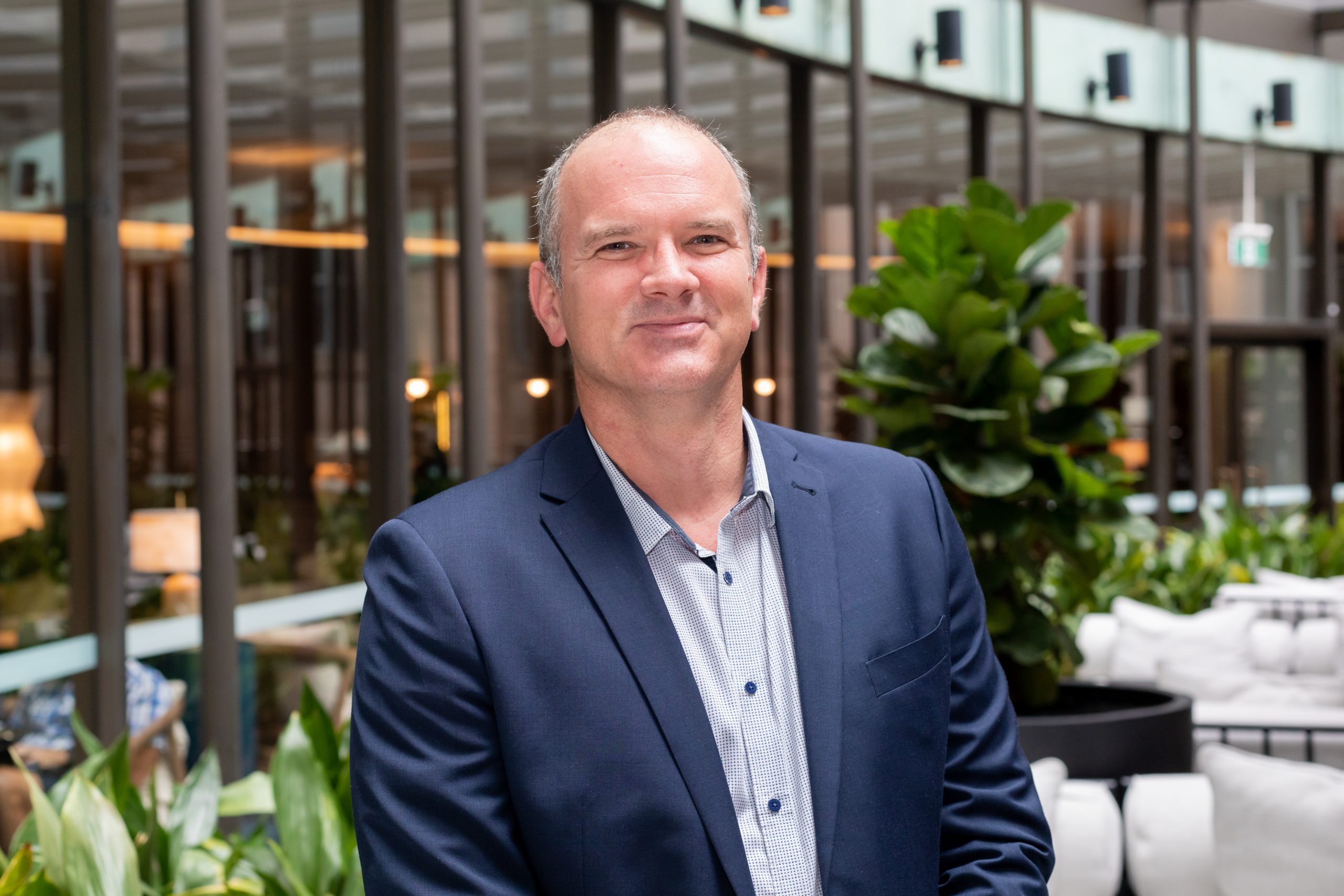
Chief Executive Officer of the Australasian Cemeteries & Crematoria Association (ACCA)
Ben Kelly is the Chief Executive Officer of the Australasian Cemeteries & Crematoria Association (ACCA), the peak industry body representing the cemetery and crematoria sector across Australia and New Zealand. ACCA's members include local governments, statutory cemetery trusts and private operators responsible for the majority of burials and cremations across the region. Through advocacy, education and professional development, ACCA provides national leadership and promotes industry best practice.
With more than a decade of experience in the cemetery sector, Ben has progressed from frontline operational roles to executive leadership, holding senior positions with Brisbane City Council, the City of Gold Coast and InvoCare Australia.
Ben works closely with governments, regulators and industry leaders to improve policy, develop professional standards and support responsible innovation. A regular conference speaker and media commentator, he is passionate about sustainable cemetery management and ensuring end-of-life services continue to evolve to meet the changing needs of Australian communities.
Summary
We look at:
- Why Australia's cremation rate has climbed so high, and why some regional communities have little real choice in the matter
- The lack of national regulation, and how wildly cemetery rules can differ crossing a single state border
- What “limited tenure” means, and how it's already used to solve land shortages overseas and in parts of Australia
- Who really owns a burial plot, and why families are often unknowingly liable for maintaining a monument
- The push to allow pets into graves, and the welfare questions nobody's asking
- How cemeteries are becoming green, community-minded spaces – complete with death cafes, digital memorials and wildlife habitat
- The hidden toll of the job: chronic underfunding, aggression from grieving families, and vicarious trauma among cemetery staff
Transcript
Ben Kelly: There's nothing wrong. There's nothing wrong. [00:00:00] Highlight: Pre-Planning Your Death Ben Kelly: I think there sometimes is a fear that if you start planning for your death, you've given up and you've made it inevitable, but that's not the case. It's just being practical. As far as I'm a- Highlight: Travelling with Ashes Ben Kelly: what we recommend is speak to the crematorium. They'll give you a letter, um, that says, you know, "In here is the remains of..." You'll have that. That, how, will go into your, um, your checked luggage. Don't open it on the plane. Someone ... Read More
Ben Kelly: There's nothing wrong. There's nothing wrong. [00:00:00]
Highlight: Pre-Planning Your Death
Ben Kelly: I think there sometimes is a fear that if you start planning for your death, you've given up and you've made it inevitable, but that's not the case. It's just being practical. As far as I'm a-
Highlight: Travelling with Ashes
Ben Kelly: what we recommend is speak to the crematorium. They'll give you a letter, um, that says, you know, "In here is the remains of..." You'll have that. That, how, will go into your, um, your checked luggage.
Don't open it on the plane. Someone has done that. Uh, you're gonna have some very angry passengers with you because the ashes will spread. Um, but yeah, you can travel with them, um, and, and you can take them home, and you can pretty much do anything you want with them, to a certain point. But just remember, you know, everyone else around you may not be so happy if you're scattering at the local beach when everyone else is there, 'cause, um, ashes will often sit on the surface of the water, or a large part of it will.
Or if you're caught in the wind, they'll go a long way, and, um, no one probably wants your grandma's ashes interrupting their picnic at the park or something like that if you haven't paid attention to that.
uh,
Highlight: Cemeteries as Community Hubs
Ben Kelly: you had a bunch of, um, elderly widows, elderly guys coming in who had lost their wives, and [00:01:00] they started interacting.
And so they're now sort of meeting on a regular basis and become a support group for themselves because they're there and they have a common cause. And, you know, especially with some of the elderly gentlemen where it wasn't a culture that you grieve publicly, they're finding fellow, you know, people a similar age in a similar situation.
So the cemetery's become a place where they can go and actually say, "Yeah, it's okay for us to grieve, and I can talk to someone who gets what I'm going through. I may not have to explain it. They just get it straight away, and we can have that cup of tea and stuff." So cemeteries are, you know, they're just becoming a great little place where people can, um, gather and talk and feel a bit safe and do different things.
Speaker: Welcome to Don't Be Caught Dead, a podcast encouraging open conversations about dying and the death of a loved one. I'm your host, Kathryn Ashton, founder of Critical Info, and I'm helping to bring your stories of death back to life. Because while you may not be ready to die, at least you can be prepared[00:02:00]
Don't Be Caught Dead acknowledges the lands of the Kulin Nations and recognizes their connection to land, sea, and community. We pay our respects to their elders past, present, and emerging, and extend that respect to all Aboriginal and Torres Strait Islander and First Nation peoples around the globe
Guest Introduction: Ben Kelly, CEO of ACCA
Ben Kelly: As far as I'm a-
Catherine Ashton: Today, I'm speaking with Ben Kelly. Ben is the Chief Executive Officer of the Australasian Cemeteries and Crematoria Association, or ACCA for short. It is the peak body, industry body, , representing the cemetery and crematoria sector across Australia and New Zealand.
Ben Kelly: ACCA's
Catherine Ashton: members include local governments, statutory cemetery trusts, and private operators responsible for the majority of burials and cremations across the region.
Through
advocacy, education, and professional development, ACCA provides national leadership and promotes industry best practice. With more than a decade of experience in the cemetery [00:03:00] sector, Ben has progressed from frontline operational roles to executive leadership, holding senior positions with Brisbane City Council, the City of Gold Coast, and InvoCare Australia. Ben works closely with governments, regulators, and industry leaders to improve policy, professional standards, and support responsible innovation. regular conference speaker and media commentator, he is passionate about sustainable cemetery management and ensuring end-of-life services to continue to evolve to meet the changing needs of Australian communities. Thank you so much for being with us today, Ben
Ben Kelly: Thank you so much for inviting me
Ben's Role & ACCA's Mission
Catherine Ashton: Now, being responsible for all of the cemeteries, and crematoria across Australia and New Zealand, that's a huge remit. Tell us, what does it actually involve?
Ben Kelly: Well, I guess I'm not ultimately responsible for them,[00:04:00]
I won't say that. But no, we're, we're the members association, we're the peak body to help, and we help all the cemetery operators around Australia, um, cemetery and crematory operators. So we're here to sort of guide them and support them, uh, provide leadership, provide training, uh, you know, set standards, um, and advocate on their behalf.
So it's a big job. You know, Australia's a, um, a big country, uh, and, and lots of different sort of variations in different states, which we'll get into later. Uh, so it is a bit challenging, but it's really enjoyable. Um, and I get to meet some amazing people, which is probably the highlight of this role is, you know, there are some fantastic people working in this sector who are really passionate, and I get to meet them and hear their stories, and then share their stories and help them and everyone else sort of improve
Catherine Ashton: And tell us when you talk about the changing needs... Okay, my microphone just fell off. I'll, I'll, I'll just get that more stabilized now. Sorry, Ben
I don't know if it's mine. You cut in, in and out a couple of times, it kind of just stutters very quickly and then it sort of jumps back in. It's... So it's not like a, a break. It's only now and again. It sort of happened once during the intro and-
Okay. It might be just a connection between you and I, but it should be okay and stable here. So but thanks for, for giving me the heads-up on that one. Um, I'll just start cleanly with, with this question. Um,
Changing Community Needs
Catherine Ashton: Ben, we said in the intro that there's the changing needs of the Australian community around what the expectations are. Can you give us a bit of an insight into that?
Ben Kelly: I guess as Australia's becoming ... I guess people are becoming a bit more aware and a bit more death literate, um, understanding, you know, thinking about what happens when they die, what the, what they wanna have. Uh, you know, do they wanna be buried? Do they wanna be [00:05:00] cremated? Do they wanna go alkaline hydrolysis?
All that type of stuff. Um, so people are becoming a bit more aware. Uh, you know, price is an issue, so people are kinda looking at it and saying, "Well, l- you know, we're not just doing what we used to do in the past." I think Australia, you know, we're, we're, we're a very much a different country than we were 20 years, 30 years, 50 years ago.
We're one of the least religious countries in the world. Um, so some of the old practices, the old sort of things that we used to do, we're not sort of doing them as much anymore. And so that changes sort of how cemeteries, how burial takes place, you know. It's moved away from those, um, you know, uh, very long sort of Christian sort of masses in, in the, in the chapel to more almost celebrations of life.
Um, or, you know, um, um, even people not even doing funerals or anything anymore. So it is adapting, um, as people sort of become a bit more aware of what they can do, um, and a bit more open to doing things differently, not just doing how we used to always do it. You know, to move away from that kind of Victorian era type view of sort of, you know, sad and, and, and, and, and a real, you know, uh, emotional moment.
It's still emotional, but there's almost that, you know, a bit more of a, um, [00:06:00] celebration type thing in there as well, that celebration of life.
Operational Changes for Cemeteries
Catherine Ashton: And with these changes in expectations of the community, what has that meant operationally for cemeteries and crematoria across Australia?
Ben Kelly: Um, we're obviously being reactive and sort of meeting the needs of, of, of the family, so being open to new ideas. What you'll find as well, which is really good, is new cemeteries that are being designed, they're almost, um, they, they've got a sense of place. They're, they're, they're almost park-like, you know, they're very green spaces.
Um, you know, they're having, um, designed in a sense to say to make it feel ... Like, I always say a cemetery is a place for the living, and it's a place for you to go and remember your loved one, and that's what they're becoming. They're ... You know, people may picture that cold, sad, spooky cemetery, but that's not what reality is anymore.
They're r- can be really beautiful places. I mean, um, you go to Springvale in Melbourne, their botanical cemetery is amazing. It's, it's a, it's a almost a park. The new MacArthur Memorial Park in Sydney, um, over the coming years will be the most amazing sort of green space and asset for its community 'cause it's [00:07:00] so beautiful.
You know, and you get things like, um, Mornington Green, um, down in Melbourne, which is that planting ... They're replanting at a golf course, and that's using, um, the ashes with the trees, and it's just this amazing little thing. So cemeteries are changing in that sense that people, they're becoming places that you wanna be at.
Um, and, and you know, as we spoke about in the past, like cemeteries, they're holding events. They're really connecting with the community. Um, they're, they're trying to listen to the community needs and adapt what they're doing to make sure that, you know, people wanna be, wanna be buried there or wanna have their ashes there or wanna, you know, take part in it.
So yeah, they're sort of evolving, um, and it's, it's a, it's an exciting time. I think there's a real positive change in the sector where you're getting the right people at the right time who, who wanna drive positive change and not just do what we've always done. So whether it's environmental, um, you know, there's, there's great work going on now around reducing our emissions and reducing our carbon footprint, especially with cremations, um, you know, using cemeteries as green spaces.
But then also great work around adapting to those community needs and moving away from [00:08:00] that default of, "No, we can't do that," to, "Let's see what we can do," which seems to be happening a lot.
Catherine Ashton: And for someone who may be unfamiliar with what the options are in Australia, can you talk us through that? And you mentioned how it was quite traditional and quite religious in the past. What has sort of been the changes that you've seen or you can refer to sort of in the last sort of, uh, you know, 50, 50 years?
Ben Kelly: So, and I'm talking about,
Cremation vs Burial: Changing Choices in Australia
Ben Kelly: when I talk about cemeteries, obviously this is sort of from, uh, European sort of, um, settlement. The cemeteries have traditionally been burial. That's, that's kind of been the primary thing. But, um, uh, when crematoria- when, when, um, cremation's sort of becoming more, uh, acceptable, um, and, uh, you know, Australia's sort of really embraced that whole cremation side, uh, we're around, depending on where in Australia, it's around 75 to 85% of people are choosing cremation over burial.
Um, and so that's really impacted how we do our cemeteries. So, you know, traditionally, obviously still, um, your, your, your lawn graves or your memo- ment- monumental graves or your vaults, um, you know, columbariums, that type of stuff. But now there's a bit more of cremation gardens going in, cremation memorials.
Um, and just obviously then people just taking the cremat- cremated [00:09:00] remains home with them, whether it's to have at home or to scatter them somewhere. Um, so it's sort of changing. We're moving away from that traditional kind of, "This is all we do." Still cultural groups will, you know, choose burial. That's what they have to do.
But, um, on, on the average, we're moving more towards that cremation side.
Rules for Scattering Ashes
Catherine Ashton: And tell me, what are the guidelines around people who want to take their cremated re-crem-cremated remains home? What, what are the rules that apply for that if they wanted to scatter them
Ben Kelly: よ。
or
Yeah, you're welcome to, um, take them home. Um, scattering them, for the most part, is fine. Uh, obviously if you're in a public space or if you're taking them out to, like, national parks and what have that, they do ask if you can... Sometimes they say, "Can you please let us know?" Um, maybe don't scatter them in the middle of the, uh, uh, of a sports oval during, during a grand final, which has happened.
Um, but you can. You're, y- you can do what you want. They're not classed, in many places, not actually classed as human remains, so they're actually quite a lot, you know, easy. You... And you'll see it. As you walk around, you start sort of getting an eye for it. I can see where g- uh, ashes have been scattered.
Often, like botanical gardens will say, "Please [00:10:00] don't scatter ashes," 'cause they're quite alkaline and, and high salt content, and it can do damage to the plants. Um, there is restrictions around posting them. Um, you know, recently, y- y- you know, to post your ashes to New Zealand, that used to happen, but now New Zealand's saying, "No, we don't want that," and Australia Post, it's sort of become this big issue, is it's actually cheaper to fly over there and deliver the ashes than to post them.
Um, you can take them on the plane, though, um, and some people have, and I've taken my father's ashes overseas when we scattered some over there. What we recommend is speak to the crematorium. They'll give you a letter, um, that says, you know, "In here is the remains of..." You'll have that. That, how, will go into your, um, your checked luggage.
Don't open it on the plane. Someone has done that. Uh, you're gonna have some very angry passengers with you because the ashes will spread. Um, but yeah, you can travel with them, um, and, and you can take them home, and you can pretty much do anything you want with them, to a certain point. But just remember, you know, everyone else around you may not be so happy if you're scattering at the local beach when everyone else is there, 'cause, um, ashes will [00:11:00] often sit on the surface of the water, or a large part of it will.
Or if you're caught in the wind, they'll go a long way, and, um, no one probably wants your grandma's ashes interrupting their picnic at the park or something like that if you haven't paid attention to that.
Catherine Ashton: Yes, it sounds like it's, it's, uh, best to be very mindful when you're in public spaces
Ben Kelly: Yes. Yeah.
And
100%.
Catherine Ashton: and, and tell me, uh, I already, I already want to ask about the, uh, the opening on a plane and the, uh, the g- the, uh, football, uh, final, uh, questions. Um, but I, I won't go there. Um, but I am interested in, um... Sorry, two seconds, Ben Oh my God, can you believe that it's me that didn't turn my phone off? Bloody hell. Um, sorry about that. Um
Absolutely
So when you're, um, when you're thinking about your options now, you've,
Why Cremation is Growing
Catherine Ashton: you've said that the 75 to 80% of people have opted for cremation. Why do you think that is, Ben?
Ben Kelly: Um, often when we speak to people it's the cost and convenience is probably one thing. Um, and we'll find, especially when you speak to people sort of, um, our age or younger, you know, they sort of sit there and go, "Oh, our parents wanted to be buried, so we'll do that. But for us, we'll just do cremation." You know, cremation can be cheaper, it's easier.
We're quite a, um, a transient population. We're not, you know, gone are the days where we just everyone grew up in the same town and stayed in the same town, and so some people don't like the idea of, um, just being stuck in [00:12:00] one place. They wanna bring the ashes with them, um, or they wanna scatter them, or they wanna do something different.
And, and, and cost is a big thing as well. I mean, you know, a cremation can range from, oh, you know, anywhere so depending on where you are, it can be sort of $500 to, to $1200 or so. Um, when your burials can be, you know, five, 10,
15, even more, thousand dollars. So people kind of look at that, um, and, and yeah, just think, you know, let's just cremation, it's a bit easier. As I said, we're sort of-- we've moved a long way sort of away from those, um, this is what we used to do in the, in the, in the mother country or in our old sort of cultural stuff, and being a bit more practical, I guess, and just sort of saying, "Well, this is just easier."
Um, yeah. You're saying, like, and it varies a lot. I was-- just to clarify, with that seventy five to eighty five percent, in some areas it's higher because they don't have access to a cremator. You know, in some areas of Victoria, because of the way it's set up, you may be four or five hours drive from a cremator, or even in Queensland, Western Queensland.
So some people don't have a choice or, you know, they have to, um, engage the services of, um, [00:13:00] some of the agencies that will take your body, take your, you know, loved one's body to a cremator, which could be eight hours away. So some people don't have a choice, but others, um, you know, still wanted that to the burial.
That's what they've always done. They still wanna stick to that. So it varies depending on where you are in the country. Um, but you said on average seventy five to eighty percent
Catherine Ashton: And, and that's an interesting point because how many, uh, crematoria are there in Australia? Like that's, that's a statistic that not the normal per- person or average person knows
Ben Kelly: Yeah, and it's a tricky one. Apologize I don't have the exact answer on me right now, 'cause it's difficult because, um, uh, in each state there's different re- regulations around who can have a, who can run a crematorium. So in Victoria and WA, for example, it has to be a government run agency. But in New South Wales and Queensland, it's private.
It can be a private operator. So, um, you know, there is, there's hundreds of cremators to give you the short answer. Um, and I, and ... But what you do is you might have a funeral director that then has a crematorium on the side, so a small one, and they may not necessarily be a member of ours. You know, you, you have your large sort of setup ones, and then you've got your smaller operators who've, who've installed one, um, because it's easier for them.
Um, you know, in Southeast [00:14:00] Queensland, for example, so in Brisbane where I am at the moment, Brisbane, Gold Coast, um, sort of Toowoomba region, Sunshine Coast, there's about 18 right now, 18 creme- uh, crematoriums. So we're probably one of the highest, um ... Oh, sorry, there will be 18 once some more get installed shortly, but we're probably one of the highest sort of proportions of crematoriums just in a sh- small area.
You know, one of the highest populations. So, um, yeah, there's a lot of them, but I can get you the exact answer. But , you know, a rough guide, you're looking at a couple of hundred
Catherine Ashton: No, that's,
Postcode Lottery: Cremation Access Across Australia
Catherine Ashton: that's good enough because it, it's interesting when we talk about palliative care, we talk about it being sometimes a, a postcode lottery depending on where you are. But I'd never thought that also when you're thinking of, of body disposal, that your options and how accessible that is and the logistics, I'd never really thought of that depending on where you're living within the country
Ben Kelly: Yeah, 100%. And that's where, um, you know, even in Victoria, you have issues where it's, um, people are opting sometimes, especially on the sort of right near the borders, [00:15:00] it's easier to send the body over to New South Wales to do the cremation than to arrange for it to be driven four hours into, um, closer to Melbourne, just 'cause there isn't any, um, private crematoriums out that way and there's no sort of state ones at this time.
So yeah, it does become interesting if you're, if you're living in rural areas, just with a lot of things. You know, they often have to make sacrifices or make decisions 'cause they just don't have access to what we in the, in the city, in the built-up areas have access to
State-by-State Regulations
Catherine Ashton: And that is, it sounds like also a paperwork, uh, challenge by the sounds of it, because you've just said that there's different regulations depending on what state you're in as well. So does it depend on where you reside or, like, what services you're using? Say if you, you are in Victoria and send it across
Ben Kelly: Yeah. Um, so just to clarify, so each state in Australia, along with a lot of things because the way our, our, our, our, you know, um, government's been set up, there's no one overarching cemetery [00:16:00] regulation. Um, there's each state has its own version of a regulation, and some of them are really, um, quite well-developed.
Um, New South Wales has gone through a big process and has really sort of got a lot of regulation. Victoria's got, um, through their act and, and, you know, South Australia. Queensland, um, in 1902 basically said cemeteries are responsibility of the local government, and so they let all the local governments, um, make their decision about how they're running.
You know, there's some overarching sort of things around. There was a Cremation Act and all that, but the actual running of the cemetery often just li- lies with the, uh, local government. And so with this, with, um, Queensland, for example, there's something like seventy-four local government, um, areas, and they each have a slightly different version of cemetery rules and practices, so it can get really complicated.
Here in South East Queensland, you as a funeral director trying to work with the cemeteries, you may have different processes with the five different local governments just around you. So that's something we're working on to try and improve that and get that standardization. But yeah, even things like crossing the border, so from Queensland to New [00:17:00] South Wales, there's different paperwork requirements.
Um, some may require different sign-off from a doctor, some may require different things, so it can get really complicated. Um, you know, going from one state to another could be easy on one hand, but coming back is a lot harder. So yeah, it's not as straightforward as it should be, um, uh, and, and it's something we are working on.
The problem in Australia is every state agrees that legislation, it would be great to have standardized legislation. They all just think it should be their own. So how we make that work to how we choose the best one. For the most part, there is a lot of -- the -- probably the core is very similar. It's just a few different things around wording or, or, you know, whether you do things like limited tenure, um, or, um, or even, even, you know, the pets in graves type thing.
It varies depending on which state you're in, and so it can get quite complicated. And obviously for your average person on the street, they don't probably care or know much about it, and probably don't care much about it. And they just get told, "Oh, why can't I do this here when I could do that in New South Wales?"
for example. So it can get quite complicated, but we are working on trying to change it and, [00:18:00] you know, get at least standardization around certain things.
Catherine Ashton: I, I'm sure that people don't pay much attention to this until it is at that pointy end when it's really important to them and emotions get in- in- involved. Um, so just, just covering off on those two topics that you just mentioned then. So firstly, pets in cemeteries and then also tenure. Can we have a chat about both of those topics?
And happy for you to take whichever one you'd like to first, Ben.
Pets in Graves & Limited Tenure
Ben Kelly: Yeah, so, um, pets in graves is an interesting one. So, uh, Victoria, was it last year or this year? This year's gone so quickly, but they, they're making some changes to their act to, um, to allow the placement of pets into graves. So this was sort of raised, there was some community, um, outrage, uh, politicians got involved, and they managed to push through some legislation that says pets can go into graves.
The problem with that is it wasn't exactly clear what that actually meant. Um, and also in New South Wales, they clarified their act to say that pets could go into graves as well. But the issue is, is cremated remains [00:19:00] is fine. You know, placing cremated remains into a grave, no problem at all. But if you're putting the actual burial of a li- of, of, of a dog into a grave, for example, that has complications.
Um, you know, if it's your little teacup, little small little thing, that's probably no issue. But what if it's a Great Dane? A Great Dane's the size of a human, and so suddenly that then does that take up a spot in a grave? So your average grave only has two interments. You may get lucky and have a third.
So if, you know, your dad was gone to the grave, he's passed away, he's gone to the grave, then your family dog's died, and then you've put that into the grave, well, then there may not be room for Mum. So we need to clarify that. There's also some concern over it wasn't clearly defined what pet meant. Um, it's meant to be pet, you know, meant to be dog, cat, gerbil, whatever.
But in some cases, you know, I've, I've got people here who their pet, their horse is their pet, or their, you know, their pig or their sheep. But so it's like you need to clarify that to say... And that's why we're working with them and, and, [00:20:00] you know, when, when it comes to legislation, we wanna say, "Look, work with us.
Um, work with the industry. Let us help you. Don't just tick a box and say, 'Right, you can do this now.'" Um, because it does create complications. Also, you know, it's one of the things that I've raised is, um- The concern over the, the welfare of the, of the, of the pet. Okay, gr- you know, your, your, your grandma dies.
She's got a three-year-old cat. No one wants to take care of it, so they're like, "Well, let's just put the cat down, and that can go with Grandma." Now, for some people, that may be the thing because that was her world, and they wanted, you know, the cat to be with them. But what about the rights of the cat? You know, it, it's a perfectly healthy animal, and you're putting it down.
Um, you know, there's some great stuff, uh, RSPCA, um, and Animal Welfare League here in Queensland have their great programs. Um, Animal Welfare League has a program called, um, Golden Hearts, um, and RSPCA's got a similar one where, you know, there's so much evidence that having a pet as an elderly person is a real benefit.
You can sign up to these programs. They'll help, you know, reduce medical costs and all that, vet costs. But then also, if you pass away or if you go into a home and you can't care for it, they will [00:21:00] take care of that animal and then adopt it out, and so it has another life. So they'll look after it, so you're not just automatically, um, you know, getting it put down.
Um, so, you know, that's one of the interesting things when it comes to, you know, if you're just saying, ticking a box and saying, "Well, you can do this now. You can put pets in graves," it's like, well, what about how's it work practically? How are we actually gonna, you know, do that burial? As I said, cremation is fine.
Um, and you know, here in Queensland, we helped change a lot of the local laws for a lot of the governments to say, "Yeah, it's fine to put cremated remains into a cemetery." Now, in some places, um, and what they've said with this, with the, with the, the legislation, they're saying it's up to the cemetery to allow this to occur.
So it's not just a blanket you have to do it. They're saying the cemetery still has a choice because some places, you know, there is strong cultural views around having pets in graves. You know, that belief that a pet doesn't have a soul, and it's sacred ground, and suddenly you're putting an animal in there.
Um, so you gotta make sure that you're not, just because you wanna have Fido in the grave with you, the rest of the community may not agree with that 'cause it [00:22:00] goes against their beliefs. Um, so it's, it's, it's just an interesting sort of area, and we've gotta sort of make sure that, um, yeah, we think things through a bit and say, "Right, how are we actually gonna make this work?"
Um,
Limited Tenure Explained
Ben Kelly: limited tenure, that's a, that's, um- Uh, an interesting area as well, um, so that is, uh, in practice is essentially reusing a grave. So after a set period of time, say fifty years, that grave is reused and either, um, the bones of... If there's anything left of, of the previous resident, they're generally over, uh, they call them lift and deepen.
So they'll take the bones out, they'll dig the grave deeper, and then place those bones at a deeper depth. In some cases, they may be taken out and put into like a, um, a, an ossuary or a columbarium wall, um, and that grave is reused. Um, or as what's happening in WA is they're reusing the site, but they're using the space in between and they're doing a slightly shallower burial, so there might be multiple people in there.
Um, South Australia has been doing limited tenure, uh, for, was it 1863 or something like that, so over a hundred plus years. Um, and now in Western Australia, they allow it, um, to some point. New South Wales has also allowed it. Queensland, we're [00:23:00] getting there, but because there's no sort of overarching regulation.
But Victoria has said no at this stage. In their act, they don't allow it. Um, and it can be quite controversial. I think some people may look at that and go, "Oh, I don't wanna reuse your site." Um, but When we f- when we look at cemeteries, uh, and they've done studies and they look at the average vis- visitation rates post someone dying, you know, after that first sort of three to four years is quite, quite a lot of visitation, then it starts dropping off, you know, seven, eight years down the line.
There's places that often aren't getting visited. You know, during, um, maybe Christmas or Mother's Day, you might see a spike, but then often at the time they're left on their own. And we're now, you know, looking after cemeteries that are 100-plus years old. I was in Melbourne General not that long ago, and there's sections there that I don't think the only people who've probably been there has been the staff in, you know, the last sort of 20 years because it's just people have moved on.
People haven't, um, uh, haven't, haven't, you know... Families have moved on for whatever reason. They're not visiting. And so there comes a point saying, "Well, what do we do with that site?" You know, there's different cases, uh, different conversations going on around. You know, in Sydney they're saying we're running out of land, and it's like, well, limited tenure is a way of reusing that land.
Um, reusing that [00:24:00] site so we're not continually sort of having to get bigger and bigger parcels of land. Um, and you can rehabilitate that land, whether it's, you know, turn, you know, remove some of the old concrete monuments and put them into parkland and make it a nice place to be. Still respecting those that were there before, and whether you're, you know, taking the headstones and creating memorial walls or doing whatever, or using digital, which is a great thing to use now and kind of creating a digital memorial for them.
Um, but reusing that site so we're not just continually trying to find land. And then from a, from a government point of view, from a state, you know, local or state government, you're trying to maintain aging monuments and, and, and structures which actually can become really unsafe. Um, we've been lucky here in Australia that we've not had serious, um, death or injury in a cemetery in recent years.
There's been stuff in the past. But New South, uh, sorry, in the UK only last year, there was a three-year-old die when a headstone fell on him because they'd gone and grabbed a headstone and it's fallen down and, and killed him. And unfortunately, that happens, um, way too frequently. And so we need to start looking at some of these older headstones, older [00:25:00] cemeteries and going, "What do we do?
How do we preserve the past, but how do we make sure it's safe?" And then, you know, what, what do we do? Like in 50 years' time, a lot of these cemeteries, they're not gonna be operational. There's gonna be no, um, new burials going in- So it's gonna become a burden on the ratepayer, and we need to make sure how can we use it.
So renewable tenure is a way of, um, setting things up for sustainability for the future. I will clarify, in very, very few places are they talking about digging up and reusing an old cemetery. Often it's when we're building a new cemetery, they'll put these things in place. So a new cemetery going in might say, "Right, this is a limited tenure site, which means in 50 years' time you have the right to extend it.
You can extend that right, or if you don't want to extend it, that's fine. We'll just reuse that site." Um, but you know, even that 50 years is, is interesting because a lot of those studies around that 50 years is based on sort of European or North American studies with soil type. So w-we don't actually know, you know, the different soil types in Australia.
Is that body gonna be decomposed in [00:26:00] 50 years, or is it gonna be, um, still visible, I guess, still in one sort of, you know, relatively fresh? You know, I've done exhumations of 20, 30-year-old graves that looked incredibly fresh. Um, and meanwhile, I've done other ones that are 10 years old and there's not much left.
So there is some interesting studies happening around Australia now around the decomposition rates within graves, just to give us a better idea so that we can make an educated deci- uh, you know, decision of saying, "Well, this is how long the limited tenure period will be." Um, so some fascinating stuff.
When you start delving into cemeteries, it gets sort of really interesting, and I could probably go on and, um, you might need to rein me back in 'cause I'll probably get a bit too excited.
Catherine Ashton: No, it's, it's really... I find it fascinating because I think that there's so many parallels with, uh, my experience in botanic gardens, because effectively both are landscapes, and have all of the, the issues of, of, you know, having trip hazards, and grass, and trees, and plants to be maintained, and yet to be operational and, and, uh, risks being mitigated for the public who are actually walking around.
So there's a lot of crossover when you're talking about, uh, my previous life in botanic gardens. So [00:27:00] I do find it fascinating, but then it's that extra layer of also it being a, a, a, a piece of real estate effectively as well that, uh, you know, has to have a certain plot and a certain client or resident that uses it. Um, so I, I remember, uh, walking around, uh, Milano Centrale, uh, their cemetery, and you have signs on all of the graves that have obviously come up to their limited tenure and, and, you know, you're getting notification that they're about to be, uh, you know, turned over
Ben Kelly: Yeah. Um, 100%. Yeah, people are, you know, it, it, that limited tenure's not, um, not a new thing to Australia. It's been happening overseas for a long time. Um, and it's something, you know, it, it is hot property. If people wanna be... If we're not building new cemeteries, people wanna be buried in those existing cemeteries.
And so if there is a, you know, available site, people snap them up. And unfortunately, you know, that can go for a lot of money. Um, you know, even in Australia I've seen sites for 60, 70, 100 plus thousand dollars, um, because of that demand for them. Um, and I'll touch on as well, we talked about earlier about, um, that, you know, there's a burial crisis, we're running out of land.
One thing we should [00:28:00] remember is cemeteries used to always be on the outskirts of town. We always build our cemeteries on the outskirts. It's just that our town has grown so much. So Rookwood in, in, in, in, um, Sydney, that was right on the outskirts. You used to, you know, catch a train out there and people go out there for the day.
Now it's almost, I mean, it's almost an inner suburb of Sydney. It's so close because the city's grown. You know, Melbourne General was on the outskirts, now it's an inner suburb. We always built... We just haven't been building new cemeteries, um, uh, on the outskirts of town. There is still plenty of land out there, and there's still new cemeteries that are further and further away.
And I guess we as a society need to get more open to the idea of maybe we do have to drive an hour or two to get to the cemetery because we can't do anything close by, um, because the cemetery's full. Um, and if we're not gonna reuse it or do, you know, anything with there, then maybe we need to go look at something else.
Um, and maybe it means, yeah, driving for an hour or two and almost it becomes a destination. Let's go see Grandma, we'll do a bit of, you know, on the way to a holiday we'll drop into the cemetery where it is. Um, you know, there is some talks being floated around about going back to that [00:29:00] limited tenure or whether you build up on the existing cemetery, so you add another, you know, two to three meters of soil on top, and then you carry on and start from fresh, so you haven't disturbed those underneath.
You've just added a layer on. That can be quite expensive and obviously would, you know, be very, um, you would may get some complaints over that. But it is stuff that's being looked at to say, how can we try and reuse these sites and still make it available for everyone? Um, you know, here in Australia, we still do offer choice, and we can still do burial or cremations.
There are some places overseas where they're saying, "Mm, you can't be cremated unless you..." Uh, "You can't be buried unless you have a very specific reli- religious reason." They're pushing everyone to cremation because they're like, "We don't have the land. We can't keep doing burials," so they're pushing that.
Um, so yeah. The biggest thing I just wanna get across to people is, and, and why it's great having these conversations is- Getting people just to think about what they wanna do. You, you mentioned earlier, uh, you know, you're, you're trying to plan something in three or four days after a loved one died. You can pre-purchase sites.
You can pre-purchase and organize everything in advance so that, that doesn't have to happen, [00:30:00] you know? Um, you know, I've- so many times I've had phone calls from people who are saying, "My partner's just died this morning. What do I do?" And I have to talk through that process, and then, you know, they're going, they're out there, and they're in that daze.
And it's like, you, you can do this in advance. There's nothing wrong. I think there sometimes is a fear that if you start planning for your death, you've given up and you've made it inevitable, but that's not the case. It's just being practical. As far as I'm a- as far as I know, we're all, you know, there's no one who's mortal right now, like who's immortal.
Everyone will die at some stage, so it is smart to sort of practice, plan something. This is what I want. Even just have that conversation with a loved one of, um, d- do you want to be cremated or buried? Um, our, our friend Hannah Gould, who we, we both were at our book launch, she talks about the Post-it note, you know, her and her mum, and just saying, "Do you want to be cremated?"
Um, what was it? Uh, um, someone put it the smoking or non-smoking section for cremation or burial. You know, doing something like that, putting a note on a, on a, on a, on a fridge, writing it down so that you're not having that discussion. You're not trying to work out what your, your, you know, your, your partner or your dad's wishes were, um, that you know straight away they want to be buried.
Great, here's the site. Or they [00:31:00] wanted to be cremated. I've seen way too many cases I've been involved in where there's disagreement between, you know, um, one side of the family. You know, Dad's died, um, Mum is saying, "Oh, he wanted to be buried," and the daughter was going, "No, that's not what he wanted. He never wanted to be buried."
And it causes conflict, and at a time when we should be coming together. You know, I've seen, I've been, um, part of the cases where they've been going on where the body's essentially been put on ice for six months while the lawyers try and work out what to do. And that's, that's-- the only ones winning out of that is the lawyers.
Um, and that could have all been solved by just having that conversation, writing down, you know, putting that information down, saying, "When I die, this is what I want. Um, I want to be buried. I want to be cremated, you know. Do this." Having it down there, then you can look at that and go, "Cool. We're following their wishes.
We're doing what they want." You know, so the more we can talk about this and get people thinking about it and just sort of... You know, you don't have to plan it all in full detail, but just have a rough idea, this is what I want, it's the better for everyone, and avoids, you know... You can pre-pay for things as well, so that you're not having to suddenly try and fork out [00:32:00] thousands of dollars in, in a short period of time, um, which adds a whole 'nother level of stress.
So, yeah.
Catherine Ashton: just on that,
Who Owns the Burial Plot? Rights & Responsibilities
Catherine Ashton: Ben, also is, uh, like who, who owns the, the burial plot when you have those, the, the tenure on that? like should we be keeping records? Is it an asset? Like how is it viewed?
Ben Kelly: So yeah, this is, this is where it gets a little bit tricky. You don't physically own the plot. Often, um, with a cemetery, you're buying the rights to be interred there, so that's why it's called a burial right or right of interment. So the, the, the, the crown, the, you know, the, the, the cemetery trust or council, they technically own that land.
But you, uh, you might be the burial rights holder for that site. So your, your partner's passed away, you're the burial rights holder. Um, so while the council may own the site, you have the rights to that site. You can choose who gets buried in there. You can choose what type of monument goes on there, within reason to what the cemetery rules are.
But it's not, it's, it's, it's not a, um, an asset as such. Although, you know, it has changed. I've, um, [00:33:00] some people have recently, you know, sold sites in areas that allow private sale. You know, they might have bought it for $200 50-plus years ago, and they've sold it for $20,000 now because the price has gone up.
Um, you know, so some people can see it as that, but it shouldn't be, it shouldn't be a real estate. It's not like, you know, property or something like that. Um, but that's an important point as well, that if you're the burial rights holder, in places like Victoria, even Queensland and New South Wales, under, under the cemetery, um, guidelines, under the responsibility, uh, that monument, the f- the burial rights holder is actually responsible for the m- the maintenance and care of that monument.
So in many places in a cemetery, the, the cemetery will maintain all the common grounds, but they're not gonna maintain inside that grave. So, you know, you've been in a cemetery, you've probably seen that there might be weeds growing out of a grave, you know, there's rubbish in there, or it's looks like it's a bit run down and stuff.
Well, that's not absolutely the, in many places, that's not the [00:34:00] responsibility of the cemetery operator, because in their local laws or in their, on the bylaws for the cemetery, it says, "You as the burial rights holder are responsible for the maintenance and upkeep and, you know, the safety of that." And, and people could be liable.
If that monument falls down and hurts someone, you as the burial rights holder, or the next of kin if it's passed down to you, could actually be liable for that. So it's important that, you know, people are aware of that, and that they do take steps to maintain those sites. Um, it does become tricky for us as operators, 'cause sometimes we want to, um, make a monument safe, and in some cases, the lawyers are saying, "Well, it's not your right.
You can't actually do that." So we're trying to work on that so that we can make something safe and lay it down, um, even though technically it's someone else's responsibility. So it's something we're just working on. But yeah, it is important. Like, we need, you know, people should be aware of that.
Catherine Ashton: That's a really good point. How does someone find out whether they are, you know, responsible for their parents' or their grandparents', you know, plot?
Inherited Plots & Finding Your Family's Cemetery Records
[00:35:00]
Ben Kelly: What I recommend is just, you can just go and ask the cemetery. Um, you just saying, "Oh, my grandparents are here. Can you just let me know?" And it's an important point as well, 'cause a lot of people probably aren't aware that they actually may have a site in a cemetery. Um, you know, it was common practice where, um, uh, you know, often sites are sold as a double site, so, you know, dad's in there, they put then the space on top.
Um, but for whatever reason, you know, mom's died, and she's got cremated, and no one's realized that they have a site. Um, one of the cemeteries I used to work at, back in the day, they used to automatically reserve the one next door to it. It wasn't paid for, but it was reserved in their name, and that's then sat empty for a very long time.
And there is, um, projects going on right now to try and reclaim some of these empty sites, and they're calling these families up, trying to find them, and saying, "Hey, did you know there's a site reserved in your name? Do you still want it?" Um, and in some cases, they're like, "No, we don't want it." But otherwise, they're saying, "Oh, yeah, we do," and they'll get first rights to be able to buy it.
But you can just go to any of these cemeteries and just say, "Hey, can you just check? This is [00:36:00] my grandma," or, "This is my father. You know, what's, what's the deal with it? Is it, is ... Are all the sites used up?" 'Cause a lot of these sites as well, even though they may have had two burials in there, they can often accommodate, you know, five, six, sometimes eight cremated remains.
So you can still use that site. If you have the rights to it, yeah, you can still use it. Um, it's also important to note that if a site's, often especially where there's limited tenure or if a site hasn't been used, it might have been reserved, they often might have a, a, a clause in there that says if it's not been used, you know, within 25 years, it goes back to the cemetery.
So sometimes, you know, they may have bought a site and, and bought two sites and only used one, but then, you know, grandma's outlived grandfather by 30 years. No one's bothered, no one's realized they probably need to check with the cemetery. And ideally, the cemetery is reaching out and sending notices, but people have moved.
It may not have gone. But they may have lost the right to that site because it says there if a site's not used within, you know, X amount of years, it can be [00:37:00] reclaimed. Um, I know a lot of that do that with the cremation sites, um, and burials as well. So I just recommend, yeah, if you think, "Oh, I might have a link to a site," just go and ask the cemeteries.
They're great. They'll, they'll ... N- nine times out of 10, they'll provide as much information as they can. Often, there's some privacy rules, so they can't ex- ... You know, there, there is under the Privacy Act, they can't give out all the information. But you can work with them and find out if you have a site and then what options you have there
Community Engagement in Cemeteries
Catherine Ashton: I think that's really helpful advice, Ben. Thanks for that. And when have you seen, uh, you know, the, I suppose the inviting of community into a cemetery site? Like, I think of when you were talking earlier about how we're sort of rethinking cemeteries and, and, and especially those older sections of, uh, Melbourne General Cemetery that have actually been turned into the Woody Meadow project.
And, uh, and that's amazing for, you know, encouraging pollinators to come to the wildflowers that are planted in that space. What are other examples that have you seen where, you know, we have allowed the community to come in and, and open up the [00:38:00] space and rethought about how we, we look at cemeteries?
Ben Kelly: I mean, there's, there's a whole bunch around that. You know, things like, um, uh, open days and death cafes are happening more where they're sort of inviting people in and, you know, ask those questions. 'Cause I find, you know, w- we often joke if you're in this area, if you go to a party and someone says, "What do you do?"
They're either gonna slowly back away and not wanna talk to you, or they're gonna ask you a thousand questions. And, and I've seen more and more people are curious, and so cemeteries are opening their doors and saying, "Come in. Ask us whatever questions you want, you know, we'll explain this." You know, they're doing these death, uh, death cafes or, or just open days.
Um, but then you get other things like, um, especially around, like, baby loss month, where they were having special memorial services in the children's section and allowing people to come in and grieve. And, you know, there's one just around the corner from me, um, Allambi Memorial Park where I used to work, where they do that.
And what was amazing is you would have people, actually some friends of mine who they lost their baby, uh, it was a stillborn 50 years ago. But because of the [00:39:00] time just then, it was like, "Oh, just move on, have another child. Don't think about it." They never got a chance to grieve. So once, when Allambi started doing those baby loss, um, events, they actually started coming into there and going to that event and going, "I actually feel like I can grieve now properly in public."
And they created that memorial. It creates a really nice community, and there were so many people who had been in that boat going, "Wow, we've never actually had a public opportunity to grieve." So cemeteries can do that. There's places, um, I've gone blank on its name. It's in, it's in the US, it's in the Bronx.
Um, and they end up doing, like, a community event. They set up, like, a, a general memorial area. It was a memorial, um, for people who didn't have a memorial. Um, and people were coming, and there were people who, you know, coming just to spend time in that cemetery, you know, on these days who their loved one may have been in California, but they're in New York and they're like, "Well, this is just a place where I can grieve collectively," and so they come in.
You know, there's groups now doing, um, craft circles and, and, and men's clubs and all that type of stuff in cemeteries as a place. It's a central place. Um, one of the cemeteries here in, um, Queensland-[00:40:00]
plan
You had a bunch of, um, elderly widows, elderly guys coming in who had lost their wives, and they started interacting.
And so they're now sort of meeting on a regular basis and become a support group for themselves because they're there and they have a common cause. And, you know, especially with some of the elderly gentlemen where it wasn't a culture that you grieve publicly, they're finding fellow, you know, people a similar age in a similar situation.
So the cemetery's become a place where they can go and actually say, "Yeah, it's okay for us to grieve, and I can talk to someone who gets what I'm going through. I may not have to explain it. They just get it straight away, and we can have that cup of tea and stuff." So cemeteries are, you know, they're just becoming a great little place where people can, um, gather and talk and feel a bit safe and do different things.
And then also, you know, you're getting bird groups coming in there. You're getting, um, uh, rose society people coming in because they wanna see all the roses. I mean, um, you know, some of the cemeteries have some of the pr- they're almost botanical gardens in themselves. Um, you know, historical societies are coming through.
There's great tours going on now. Um, the one in, um... There's great ones in Toowoomba. Um, Lisa [00:41:00] Herbert does some amazing tours up there. But also in, um, Western Terrace in, uh, in Adelaide, they've got a arts group that comes in, a bunch of actors, and they re-enact and tell the stories of some of the famous residents, and it's fantastic evening.
It's a great way of bringing people into the cemetery and just connecting and going, "Actually, they are forms of history. They're a great place to be." You know, they are different. It's not just a sad, lonely place that we only ever go to for 15 minutes and then leave. So, um, but yeah, there's, uh... I think people are becoming, as as, as, as, as an industry, as a profession, we're becoming more open to reaching out and having community groups come in and just say, "Let's do things differently in a cemetery."
Catherine Ashton: And I have to say that, uh, we've just had Open House Melbourne here, uh, on the weekend and, and I actually went and did the, uh, cemetery tour at Brighton Cemetery, and they were doing exactly that, telling the, the stories of the different, uh, residents of the cemetery and, and what their, their history was, and it was absolutely fascinating.
So yeah, it's a great way to
Ben Kelly: It's good stuff
AI & Digital Memorials
Ben Kelly: . The, um, the use of AI, and we can get into this more later, but the use of AI in cemeteries, um, the digital memorials, and there's a, um, in, uh, out with Geelong Cemetery Trust, one of their cemeteries, they've worked with a community group and it's [00:42:00] gonna be launching soon. But it's, um, using AI to tell the stories of, um, some of the earlier residents in that cemetery.
And so they've gone through the historic society and tried to find their information. And, you know, some have these grand amazing stories, but others were just pioneers. They just, you know, they just got on there and did it, and they bring the AI, and it brings them to life. You know, you hear that line that you die twice, um, um, the first time when you die and the second time when your name is said for the last time.
And what we're doing, you know, with the AI and using this technology and bringing these history tours and all that, is bringing these stories back to life and showing, you know, the history of, of, of, um, our country. You know, and there's even stuff going through with the, um, Aboriginal elders and, and, and their story pre kind of European settlement.
So there's, you know, fascinating. I know there's issues with AI and it does get a bit, um, controversial, but there is some really cool stuff that can happen with it now that as I said is bringing history to life and bringing the, you know, bringing these stories back out
Cultural Diversity & First Nations
Catherine Ashton: And where have you seen, uh, it done well where cemeteries have been including, uh, our diverse cultural [00:43:00] communities that are, that are now across our country, and also where they're also First Nations peoples and what their requirements are?
Ben Kelly: So a lot of the big, um, cemetery trusts now, you know, and, and MacArthur Memorial Park, sorry, uh, Catholic cemeteries and crematoria with the Me- MacArthur Memorial and Metropolitan Memorial Parks in, um, New South Wales, they'll have, um, community advisement groups, um, who are representatives from different cultural backgrounds, whether it's the big religious orders or they're just different community groups who will meet regularly and will have a say in the development of their cemetery.
Um, you know, this is happening. There's a few, a number of them happening around where they're saying, "You help," you know, "Get involved and help us shape the future of the cemetery," so for putting development in. Um, and being really open to that. It's, yeah, the, our cemetery design has been traditionally that sort of European, Western European, sort of Catholic type version.
That's what we've been. Um, that's sort of how it was, but it is now adapting and changing. Um, and we are trying to, you know, you'll get your, your, your different [00:44:00] m- uh, Muslim groups or your Jewish groups that have their different requirements and trying to meet those needs, and they are becoming more and more open to that.
Um, but I think in New South Wales, I think, yeah, MMP and, um, and, and Catholics have been doing a really fantastic job with that and just really sort of getting involved and then sort of helping shape the future of the cemetery. So it's really sort of interesting
Catherine Ashton: N-
Natural Burial, Alkaline Hydrolysis & New Disposition Options
Catherine Ashton: natural burial grounds. Can you tell us a little bit, uh, for people who are unfamiliar with what they are, uh, if you can talk a little bit to that and how they're different from a conventional or traditional, uh, burial plot
Ben Kelly: So I guess natural burials is, is probably going a bit back to what original kind of burials were. It's traditionally a shallower grave. Um, there's no, um, um, you know, no plastics, no metal coffins, not that we do them any here, but that happens in the States. Um, no, you know, the body's not embalmed or anything like that.
So it's just meant to be a more, um, natural process, and generally it's done in a, in a field or a [00:45:00] bushland, um, and so you don't have even your traditional headstone. So it doesn't look like a cemetery. So when you go there, you know, there might be some simple markers or there might be a g- like a, a communal marker at the front.
But ideally, it's a nice peaceful area, whether it's, you know, on a, on a field or in a forest where the person's getting buried. Um- It's tricky to, to the ideal natural burial. So I guess as an operator, we have to juggle what the community expects and what they want and, you know, an ideal natural burial is quite shallow so that the microbes can, you know, break down the body.
But then we also gotta factor in health and safety, our staff's wellbeing, and how we're just gonna manage it operationally. So we have to find this kind of divide. You know, in an ideal world, a natural burial shouldn't use, um, any machinery at all. You know, they don't wanna use a, an excavator to do the digging.
But then if you're trying to go dig a hang, dig a grave, that's a mission for staff, and that puts staff in jeopardy with, you know, being inside a, um, enclosed space and all that. So we often have to find a compromise. Um, but the main things that you can [00:46:00] find is, yeah, the body should be, um, as natural as possible.
So there's no, you know, I said no artificial flowers, no plastics, no embalming or anything like that, and the body is in a simple wood or wicker or, or even cardboard to a certain extent, coffin that goes in the ground so it can break down, and it's leaving as little footprint as possible. Um, so that's sort of what it is.
And there are-- there's more of them sort of picking up and going around. Um, one of the tricky things about it, and as we, we spoke about earlier, is often what we find is people do the burial and then later on, like they just do a standard burial, and later on go, "Oh, I really wish I'd known about... I really wish we'd known about, um, this natural burial area," 'cause, you know, Uncle Joe would have loved to have done that.
But because no one spoke about it, they didn't know. So that's why, like do your research. If you wanna go into a natural burial, do your research and plan it out and you can pre-purchase. You may not be able to pre-purchase the exact site, but you could purchase to be in that area. Um, and they are really lovely.
They're nice places to be. You know, I've been in a few of them that have been really amazing and just really peaceful, calm, you know, uh, nice things. Um, we can [00:47:00] touch on it later on, but you know, that ties into that, um, the other disposition types, which is the, the, the natural organic reductions, which is that really kind of breaking down and, and composting, I guess, is the term.
It's probably not the best term. But breaking down that body and turning you back into soil. So it's like the ultimate, I say natural burial even though machines are used, but it's turning you back into that sort of organic material, which is then put into gardens or put into, um, you know, uh, rehabilitation projects for like wild, you know, koala habitation and things like that.
So,
Catherine Ashton: And, and
Ben Kelly: yeah. So it's an interesting-
Catherine Ashton: that in Australia, Ben?
Ben Kelly: So, um, couple of weeks ago now, um, a members' bill was raised in New South Wales and they're, um, reviewing that now to allow for the, um, introduction of natural organic reduction or terramation, or they've got a few different names, um, into Australia. So that's being reviewed. Um, if it then gets passed, uh, and this ties into our earlier conversation around what we've said is, don't just tick a box and say, "Yeah, you can now do it," because we've gotta make sure that's done correctly.
Because unfortunately, you know, if you [00:48:00] just go and say, "Oh, anyone can do it now," without putting in the safeguards, you're gonna get some- people out there building some stuff that probably isn't safe or, um, in the best interest of the families. Um, but yeah, what they're looking at is trying to introduce it here in Australia, um, and then offer that service.
And it will be, you know, again, it will just be another offering to families. Um, you know, I know some have, some have said, "Oh, it's gonna take off and everyone's gonna do natural organic reduction." I don't think it will. It's gonna be a small thing. Same with, um, alkaline hydrolysis. It's a small percentage of the population wants to do that, um, but it gives you the option of doing that.
You know, um, do they need to work things out with, like, what do you do with the soil? Um, once... You know, it's a, at the moment, it's a between a six to nine-week process, sometimes longer, to break down that body. Um, but then that soil, during that process, it should ideally all pathogens should be destroyed, but they're still, you know, are you gonna take that soil and then go sprinkle that on your, um, on your tomato plants?
You know, is that safe? So they're looking into that, doing that research. Um, you know, and it's still early [00:49:00] days. There's only, um, there's what? 14 states in the US that have it as legal. Um, Germany does allow it. There was a bit of a loophole how they got that through, but it is allowed. But others, other countries and stuff are still looking at it saying, "Well, it is new technology.
Are we gonna allow it? How do we make sure it's safe?" Um, and, and also, yeah, just, just making sure that the families, you know, that we're doing the right thing by them and they're not gonna get caught out. So yeah, it's interesting. I think it's a, it's a great idea if it can happen. Um, it gives another choice to families.
Um, alkaline hydrolysis, that's an interesting one. That's the water cremation. Um, that's using, um, uh, sort of an alkaline solution and water and heat and pressure, and over time, over a period, it breaks down the body, sort of removes the organic matter, and then the bones are then taken out and processed.
Um, my issue ... Sorry. I do like it. My issue with it is there's a bit of greenwashing when it comes to it. Yes, it has some environmental benefits. It's probably not as grand as what they're saying because they're only not, they're not looking at the full picture. You know, you still need to process the water.
It's using a lot of water. You're developing the chemicals, which are highly energy-intensive. You know, it's ... And they're using some outdated data to kind [00:50:00] of make their claim, saying, "We're the greenest thing in the world." It's not. Um, but it's, it is an interesting alternative, and it is, you know, it's, it's an option for families if that's what they want, um, you know, just another option to give people, which is great.
Again, you know, we'll provide choice, and we'll work with people to say what, you know, how can you both ... What is best for you and your loved ones in this time? And if it's that, great. We'll support it and help you with that.
Challenges Facing Cemetery Operators
Catherine Ashton: Thank you for explaining, uh, those two different options. That's, that's great, Ben. And tell us y- you've sort of given us an overview of the multiple stakeholders when it comes to managing a, a cemetery. What are some of the tensions or the challenges that, that the people who are running the cemeteries find, uh, with these multiple stakeholders? I'm sure you
I guess the biggest issue...
as the industry
Yeah
you get the overview of the, what the, the, the themes are that you see that are common between them all
Ben Kelly: So like One of the big issues I guess we have is, is cemeteries aren't sexy. We know that. And so especially if you're a local government, I mean, I, I think we, some of us might think they are, but for a local government or, or even a state government, we as a society don't like to think about death. Um, and so if you're a local government and you're putting [00:51:00] money aside, you know, and setting up your budgets and all that, often cemeteries are overlooked.
And, um, so they may be trying to run on a, on a, on, you know, limited funds and, you know, that don't have any, um, opportunity to expand and grow. Um, and money goes to, you know, they'll put a new aquatic center in as a set of buying a new cemetery because it's, um, you know, it's not sexy. We joke, you know, they say there's no votes in cemeteries, dead people don't vote, and sometimes that's an issue.
And so you've got, you know, uh, we've been having these conversations for a long time saying our cemeteries in the city are running out of space. We need to do something about it. But because there's no, um, uh... Well, they don't see the urgency or it's not really of interest, it gets pushed aside. And so, you know, when I took over at Gold Coast, there'd been a conversation going on for 10 years to try and get a new cemetery expansion done.
And, you know, through a lot of sort of persuasion and stuff, we managed to get that done in the next couple of years, and we got the expansion in. But, you know, these are the things that it's just people don't wanna, you know, local officials, um, your state governments and all that, they don't wanna talk about cemeteries because they're not that interesting.
Um, or they're thinking, "Oh, that's along in the future, and we don't need to worry about that." So that's a challenge that we all face of how you, um, how you get funds to run a cemetery. And, uh, you know, they are [00:52:00] expensive places to run. Um, you know, we have to maintain the grounds, as you were saying earlier about like the Botanical Gardens.
There's people visiting them, so you've got a historic cemetery, an old cemetery that then still has people in every single day. You know, so you gotta make sure it's safe. You gotta make sure it's compliant. You gotta, you know, make sure the grounds are mowed. Um, you know, if you let the grass grow, you know, that, that, uh, project Cultivate you spoke about down in, uh, Melbourne is fantastic down in Melbourne.
If we were to do that in some of the areas in Queensland, we'll just have a million and one snakes and everything in there. So it doesn't necessarily work. So you have to keep the grounds low to make it safe for people. So they are quite difficult to manage. And you know, you're-- like Mount Gravatt Cemetery here in Brisbane that I used to manage, it's a hundred-plus-year-old cemetery.
So I've got old historic monuments, but it's the most-- it's one of the most active cemeteries in Brisbane. So I've got people in there every single day. So trying to juggle that to make sure it's safe, and then trying to convince, you know, your elected officials and your, you know, the government of this is important, um, it's a, it's a real challenge.
So that's probably one of the issues, and just [00:53:00] general awareness with the population of what to expect with a cemetery. I think some people have that expectation that the day after the burial is gonna be pristine grass. Like, um, Arlington Cemetery in, in the US, like everything's gonna be pristine. But it's like, no, it takes time and, you know, it can be messy for a while.
And as I said, you know, there's priorities. Um, that, that cemetery operator, they may- Maybe looking after 20 different cemeteries that are, you know, three or four hours apart type thing, so they can't get to them every single day, so it becomes a challenge to run that, um, and maintain that and keep that at a higher standard that people expect.
Um, and maybe it's gonna come to the stage where we need to start saying, you know, classification, saying, "Right, that cemetery is a class two cemetery, so it only gets mowed X amount of time and its level of standard drops, and this is the high priority area, so we'll keep that high." But it does become challenging as that cemetery operator to try and sort of maintain these cemeteries and keep them safe.
Um, you know, it's why we joke it'd be great if we could just close the gates, but we don't do that because we want people to come in and actually visit the cemetery. Um, and then just, yeah, so [00:54:00] that public expectation and then dealing with the public. We often deal with-- We're dealing with people at sometimes that worst moment in their lives, and, um, aggression in this industry, people getting-- taking out their, their anger, their frustrations on us is huge.
You know, I've had multiple death threats from, you know, people working as cemetery. I remember one ninety-year-old grandma threatened to hit me over the head with a shovel because we had to remove, um, some ornaments from her son's grave. Um, and there's a reason why we have to do that, but, you know, people get quite, um, aggressive towards us.
And also, we're taking on a lot of, um, that trauma, the, the vicarious trauma. So every day we're meeting with families who've, you know, they've lost a loved one, or they're coming in because their fifteen-year-old daughter, um, took her own life, and now you're dealing with that. And you can't, as a human being working in the industry, y-you take a bit of that on.
And, um, unfortunately, we've had, you know, a lot of, um, mental health issues in this sector. We get a lot of people self-medicating in the past with sort of drugs and alcohol, you know, having [00:55:00] their own issues. I've worked at two sites where in the past there've been, um, suicides have happened. Um, so we're really trying to focus on that and get that support to, um, our sector, support to our members.
And, you know, raising that awareness, as I was saying about local governments. You know, I've spent a lot of time talking to elected officials and their members saying, "Do you realize the risk your staff are at?" Because they're dealing with families who are deeply upset, they're also taking on that trauma themselves.
It's a high-risk area. You need to make sure you're looking after the staff wellbeing as well, um, to make sure that they're okay, 'cause it's, it's-- it gets rough sometimes. You know, you can't-- dealing day in, day out with families who have lost loved ones. Like, if you-- the moment you stop caring and you sort of, you know, get that stone heart, like, that's a, that's a dangerous time.
Like, we need to have that compassion for families, but we also need to protect ourselves that we're not letting it impact our own lives in a negative way.
Ornamentation in Cemeteries
Catherine Ashton: Can I just question that, um, mentioning the, the ornaments and how there is that public perception and, and people being upset when things have to be removed from, from [00:56:00] the sites. Um, can you talk a little bit about why that needs to be a consideration? And I'm just sort of thinking also about
Ben Kelly: One of them in trials
and, and those sorts of things, so yeah
Yeah. Um Ornamentation is a real tricky one. And I guess the m- the main issue we have is we have to make one rule for everyone. Um, and w- so in a, in... What ends up happening, yes, y- most people, it might just be a trinket or two or a small amount of things. But then you get people who then go and cover a grave in ornamentation or, you know, they end up, it might be a lawn grave, and then they suddenly go and make a little border and suddenly cover the grass in ornamentation and stones and flowers and all that, which means we can't maintain it.
Um, and then what you also then have is some of those ornamentations, if, as I was saying earlier around visitations, if they're coming every single week or every, m- regularly, it's fine, it's maintained. But if a family comes once every six months or once every year, they might put down, you know, you often get people putting a glass bottle on there of beer or something, or they'll put a, you know, porcelain, um, uh, item on a grave.
If that breaks, that then becomes a safety issue. Um, you know, if you've got broken glass in a cemetery, well, our guys are mowing in there, and [00:57:00] if that grass, if that glass gets onto the grass and then they mow over it, it could flick that up, it could be dangerous. Artificial flowers, you know, some of them have that little piece of wire in there, which as they break down, that can become unsafe.
So if it's maintained and regular, like, and what will often happen, we'll say, "Look, if it's on there, that's fine. But once it starts getting ratty, once it starts breaking down, we're gonna have to remove it." You know, I've been in children's sections where, you know, they put the teddy out there, but they don't come back for six months.
And by the time, during that time, it's rained, you know, different weathers, it's become moldy, it becomes gross. And then other families who are there are going, "Well, this is not what I paid for. I want a grave that's nice and clean, but my neighbor is just exploding with trinkets and toys and ornamentation."
And you know, they, they're not coming, and it's just, you know, you're getting those, um ... You've seen artificial flowers. They look pretty for, like, a couple of months, and then they look really ragged. Or they're putting tinsel in there and stuff like that. So most cemeteries will say, "Look, it's fine as long as you're maintaining it," um, to a [00:58:00] certain point.
And, like, if it's a, if it's an anniversary of the death or it's Christmas or Easter, they'll give a bit of leeway. But it's when you get those people who are taking it too far. You know, if, if, as I said, for a kid's grave, if it's a one or two ornaments, I didn't care. But when suddenly there was 100 ornaments and it was overflowing into someone else's grave, well, we have to do something about that.
Um, and also then I guess from that, um, uh, plastic flower issue is that becomes litter. So some of our cemeteries, you know, especially when we have big s- storm events, all that plastic, all that litter gets blown, and suddenly it will get blown, um, uh, it could be blown into the neighbor's area. If you book into bushland, you've now got all this plastic, all this artificial, you know, synthetic stuff that's now just causing, just rubbish.
So, and we will get blamed for that. So it's like, well, we need to sort of juggle that. We'll try and be compassionate to families. And I get it. Here in Queensland, you put fresh flowers out- Within a couple of days, they're probably not gonna be fresh anymore, and half the time the local, um, uh, cockatoos and stuff will come down and eat it.
So artificial flowers [00:59:00] can be good for that. But we have to, at some stage, remove them because they're, they're gonna become an eyesore. Um, there is a couple of groups out there now making really beautiful metal, um, artificial flowers, like aluminum, and they're colored, and they're really cool. That's a great alternative, 'cause that will last.
It looks solid. It's in there. That will last a long time, and not have to be replaced every, uh, you know, couple of months or so. Um, but yeah, as I said, it's a tricky one, and we try and do our best. This probably comes back around to that pre-planning because often, you know, we're making families sign a contract, and on that contract it will say, "You cannot have ornamentation in that grave."
You- you've just lost your loved one. You're just signing whatever. And then we have to come back later on and say, "Did you realize this is the contract?" And they'll go, "I don't remember that document." And so that's why if you are planning, have a look, talk to the cemetery. What are their ornamentation policies?
Let your family members know, you know, especially if it's your loved one, saying, "Look, this is what the policy is," um, and work with them just so we can keep that place looking great for everyone[01:00:00]
The Future of Cemeteries
Catherine Ashton: And looking ahead for the next 10, 20 years, does it look like? challenges, what opportunities, what innovations?
Ben Kelly: Um, I mean, ideally there's gonna be new cemeteries being approved and built. You know, there is a couple in the works now, and as I was saying earlier, they're sort of gonna be those, those beautiful sort of green spaces. Um, or re- re- ... Sort of bringing life back into some of the old cemeteries. Over at, uh, Karrakatta in WA, they're doing that limited pro- uh, tenure program.
They're reusing some of the spaces, the gaps in between, and it's transformed these old dry cemeteries into these beautiful new modern cemeteries that have got, you know, irrigation and stuff in there. So that's what I hope is there gonna be, see that new life being brought back in some of these old cemeteries, and that new sort of, um, new innovations and new technologies and new products.
Digital, digital memorialization, you know, that's becoming, um, a rising area where it gives families that opportunity to, they may have a physical site, but then they can have that digital site as well that ties in, and they can see pictures and videos. Um, you know, there is talk on, um, grief bots and avatars and stuff like that, which is a whole [01:01:00] nother area, which is a little bit scary in some ways about sort of creating a- an avatar of your loved one.
Um, but yeah, ideally, I would love to see that, yeah, cemeteries are becoming more, um, uh, accepted and more recognized as an, an important asset. Um, you know, when they come to... I was involved with a, um, a big infrastructure planning for Southeast Queensland, and they have formulas and stuff in there about how many, you know, for e- every amount of houses, they need X amount of, uh, parks or community assets.
Cemeteries aren't mentioned once. So I've raised that and said, "Look, you need to start planning. If we're gonna be building these big estates, where are we gonna bury the people?" And so hopefully in 10 years we're seeing that, that people are going, "Right, a cemetery is..." And not, it doesn't have to be a standalone cemetery.
Like cemeteries can be mixed use spaces and, you know, we put some proposals forward where you might have the cemetery here, but then the rest is all parkland that's available for the community to use or sports fields, you know, creative, um... And some are doing that where they might, the cemetery has been planned for 100 plus years.
They're only using this small section now. The rest of it has been earmarked as soccer fields and sports fields. And [01:02:00] then over the next, you know, 50 to 100 years when there's needs, that field then get taken up and turned into a cemetery. So it's using mixed use spaces and the cost from the cemetery, the revenue raised from the cemetery is paying for all the maintenance and stuff of these sites.
So it becomes almost cost neutral for the community. So hopefully that's what we see of that sort of people becoming more accepting of cemeteries as that mixed use space, something different and, and a vital asset for the community.
Catherine Ashton: And they're great bio links as well, and, and just that green space
Ben Kelly: Yeah. Um, and I'm I did a bit of a secret campaign when I was here, 'cause I was on the Gold Coast and we seemed to have this period where we were just cutting down trees, um, and getting rid of all this develop- you know, all these forests for development. So, you know, using cemeteries as a way of protecting natural habitat.
You know, what a great legacy if you were to, um, buy some land, over here is the cemetery and this part over here is a koala habitat and is being used to preserve that forest. And your legacy, whether it's even a natural [01:03:00] burial or just cremated remains where you pay to essentially, um, protect the forest.
You know, that type of stuff I think is really cool. Um, and then also what, you know, using, um, uh, uh, uh, there's a, a- animal rescue up here, wild care, all that type of stuff, using the cemeteries as their pantry. So when they go out and do a rescue to go rescue a possum, I gave them permission to go into my cemeteries and grab the food.
Um, so they'll go and take some of the branches. Apparently possums love rose petals, so they'll go and collect rose petals. Um, and so that, that possum or that koala or whatever has a food source, and the cemetery can be a great spot for that. So I know a few cemeteries have started doing that and creating either just giving them access to their plants already or have actually designated areas as a pantry, and they've planted out specific plants so that it becomes a resource for those re- wildlife rescue people to go and use to go collect animals, to collect food so that they can go look after these animals, which I think is great.
Um, and you know, as we said earlier, like some of these cemeteries are becoming places where birds are using them as habitat. You know, they've built these cemeteries. Um, um, MacArthur Memorial Park, the, the landscaping they've done there is [01:04:00] amazing. They've got these great lan- um, uh, dams that are now being sort of planted out, and there's a cafe there and you can sit there, and there's so many birds now using that area, and there's so much animals and, and life that's coming to that cemetery.
You could just sit there and have a cup of coffee and watch it and not even know you're in a cemetery. It's the most beautiful place. So it becomes a little bit of a, a, a green space, a haven for these animals in a ever-urbanizing environment. So that's my little campaign. I'm trying to push that. I think, you know, um, uh, trying to do what we can to try and improve and, and provide for our, uh, furry little friends as well.
Catherine Ashton: And that's really embedding it to be part of the community and, and just making it part of both for our wildlife, but also for our humans as well
Ben Kelly: Yeah, and as I said, you know, as it- a cemetery should be that place for the living. And, you know, if you're there and there's animals going around ... I mean, I know sometimes kangaroos will go and eat your flowers that you've put out and can cause issues, but it makes it a nicer place to be, you know? So many times within the connections I've had, we've done a burial and, um, I still remember one really, you know, the, the, the gentleman [01:05:00] had a real connection to a certain type of bird, and when we were doing the burial, the bird came in and landed on the coffin, that same type of bird.
So it was really ... And so people form those connections and go, "Wow, this is really amazing," you know, "I like being here because it makes me feel closer because the," you know, um, "these kookaburras are reminding me of my dad", or whatever it is. And so it's a really nice thing if we can tie that in. It's a lot better than your sterile, you know, stone and concrete kind of s- um, uh, cemeteries that we used to have in the past.
So a green space is
Sustainable Innovations & Cremator Technology
Ben Kelly: lovely
Catherine Ashton: And what are some of the sustainable advances that you're seeing in relation to, know, the, the actual equipment itself when you're thinking about crematoriums themselves, how they're functioning?
Ben Kelly: Yeah, so, um Uh, actually I was down in Launceston the other day, and they've got an old diesel cremator there. It's out ... It got converted to gas a while back, but it's a big old beast, you know. And some of the original cremators were wood. Um, that one in, um, Western Terrace, the first one in Australia, that was a, a wood cremator.
Um, but now, like, you know, [01:06:00] gas was the primary, natural gas, but then you've got things like, um, hybrid cremators being used. So, um, that's, that might use gas to sort of heat it up and get it up to the right temperature, and then electricity, um, keeps it hot and keeps it going. Um, often with a cremator, one, they're, they become more efficient over time, so by the third or fourth cremation, they're often not using much gas at all because it's the bricks are quite hot.
So, like your pizza, if you've got a pizza oven at home, it's the bricks that are doing most of the work, and that's what a cremator's like. So they're using these hybrid technologies to ... You know, the gas might get it up to temperature, and then the electric just keeps it hot enough to keep everything going.
There is full, um, electric cremators out there, um, which is, uh, which are pretty cool. Um, and they're now using, you know, there's biogas being used. Um, actually Austend, Ross George down in, um, uh, Geelong, um, created one of the world's first hydrogen-linked cremators. There's a group over in the UK claiming it, but I'm pretty sure Austend's got in there first.
Um, so that's using hydrogen as an alternative fuel source. So these new cremators are being designed, and they're a lot more efficient than they used to [01:07:00] be. Um, you know, some of the ones coming out, uh, your average cremation's an hour and a half, if not less. It's not using much gas. Um, you know, they're, they're putting things in.
Um, uh, Adelaide Cemeteries was the first in Australia to put in a abatement. It's capturing, um, a lot of the emission stuff. Um, you know, making sure what's coming out is a lot cleaner, and there's other cemeteries that are gonna be installing that over the coming sort of year or two. So, um, you know, there's that.
They're looking at, how do we make it cleaner? And we are working on processes and, and changing attitudes that even things like, um ... So in New South Wales, for example, there's a requirement that a burial or cremation has to happen within, um, two days. I think it's two or three days off the top of my head.
But changing that up a little bit, so saying, "Well, if you've only got ... If I've only got four cremators, four, four, um, cases coming in for the week, I shouldn't have to cremate one every day. Why can't I bundle that and do, on the Friday, I do three or four cremations during that day?" Because then I'm using a lot less gas.
It's a lot easier, 'cause where you use the gas is heating up and cooling down that machine. You know, it's heating it up, it gets up to temperature. Then if you let it cool down overnight, you gotta then heat it up [01:08:00] again. But if you can just say, "Right, we're gonna carry over the cases, and on the Friday we're gonna do four or five cremators..."
'Cause as I was saying earlier, by the time it hits your fourth cremator, you're not using much gas at all. But we need to change that attitude, and we're working with cemeteries to say, and, and, uh, uh, authorities to say, "Let's change the rules to say it's okay to carry over a body for a couple of days." Um, you know, let the families know this is what's happening.
And, you know, some cemeteries- are doing that now, where they're saying, "Look, if you want it done today, great, we can do it, but it'll have a fee. Otherwise, it's gonna happen within a week." And they're given that timeframe. And most families are completely fine with that. Um, the other stuff that's going on, you know, as I said, cemeteries being that green space, but then also there's works on that, um, stormwater management, you know, creating, instead of just having your drains, they're turning them into natural areas that create habitat, that's managing the water that's running through the sites.
You know, some of these cemeteries are lots of concrete and, and, and, and tarmac and stuff, and so that creates issues with stormwater. Um, the project Cultivate, which is a great thing that, um, um, SMCT has done at Melbourne General, which is replanting out these old sections with the native grasslands. W- the benefit [01:09:00] that's had is, um, there's a number of benefits, but it's drastically reducing the amount of pesticides they ha- and, and herbicides they have to use because the grass has been the natural weed suppressant.
But it's also dropped the urban, um, heat temperature, the urban footprint. So during summer, I think it was close to seven degrees it's dropped it down because instead of having all this concrete and tarmac and all that, it's now grasses, so it becomes cooler. So for the neighboring suburbs in Carlton, like that's become slightly cooler because of what they've done in the cemetery.
So, you know, the cemeteries are looking at ways that they can impact, you know, have a positive impact, not just on their area, but the neighboring, um, community as well.
Catherine Ashton: I, I think it's such a, an old principle to return back to about the fact that the cemeteries really, even though they were originally built on the, the outskirts of, of town here in Australia, when you walk around any places in the UK, the, the churchyard always forms part of the... or the, the graveyard forms part of the churchyard generally, and, and that's generally at the c- the center of the community.
So it's kind of doing a full circle coming back to, to [01:10:00] integrating the cemeteries back into community, isn't it?
Ben Kelly: Yeah. Ideally, yeah. It should be. It should be a place where, you know, it's part of the community. It's a place for us to go and remember our loved ones and, and celebrate their life, not just be sad at their loss, but celebrate while they're there. And as I said, that can be a real good community asset and a place to bring people together. And as I said, It's an important time. Just have a conversation with your loved one of, "Do I wanna be buried? Do I wanna be cremated? What do I wanna do?" That's probably the most important thing. It's okay to have that conversation, to do a bit of pre-planning.
You know, if you wanna go out and buy a site, great, do that, but you don't have to. But at least just have that conversation with your loved one of, "This is what I want to happen when I die." I think that's probably the most important thing
Outro
Catherine Ashton: I love that. We can pop that in anywhere. That'll fit in perfectly. I will stop recording now. Perfect. Thank you so much, Ben. That was brilliant
Well, I can't thank you enough for your insight into surprising world of cemeteries and crematoria across Australasia, Ben. Thank you so much
Ben Kelly: Thank you so much for the opportunity. As you can see, I get quite passionate talking about this and [01:11:00] probably could talk about for another couple of hours, so. But I really enjoy this, and thank you so much
Read Less
Resources
Links
Australasian Cemeteries and Crematoria Association (ACCA): https://accaweb.com.au/
Connect with Critical Info
- Make Death Admin Easy with The Critical Info Platform
A simple system to sort your personal paperwork for when your information becomes critical.
- My Loved One Has Died, What Do I Do Now?
Our guide, ‘My Loved One Has Died, What Do I Do Now?’ provides practical steps for the hours and days after a loved one's death. Purchase it here.
- Support Services
If you're feeling overwhelmed by grief, find support through our resources and bereavement services here.
- Support the 'Don’t Be Caught Dead' podcast with a one-off or regular donation to help Critical Info, a certified social enterprise, keep creating free, high-impact conversations about death, grief and planning—every contribution fuels our mission to reduce the burden on families and build a more death-literate, compassionate community. Donate now.


Share