



What Happens to Your Body After You Die? The Law with Dr Kate Falconer



Listen now
About this episode
What if the wishes you express about your funeral and what happens to your body after death aren’t legally binding?
In this episode, I’m joined by Dr Kate Falconer, a Senior Lecturer at the School of Law and Radical Humanities Laboratory at University College Cork, where she teaches Trusts Law, Property Law and Death Law. Kate’s research explores the law of the dead, bodily disposal, and the way death intersects with private law — from funeral disputes to emerging technologies such as digital avatars. She is co-editor of Life and Death in Private Law and Treasurer and co-founder of the Australian Death Studies Society.
We begin with a remarkable Australian legal case from 1908: a preserved stillborn child displayed in a jar at a Sydney ‘freak show’, and the court’s decision about whether human remains could be treated as property. Kate explains the common-law “no property in a corpse” rule, the work-or-skill exception that emerged from Doodeward and Spence, and the separate possessory rights that can allow someone to take responsibility for a body for the purpose of burial or other final care.
From there, we explore why funeral disputes can become so emotionally charged, including cases involving cultural obligations, kinship and the return of Aboriginal and Torres Strait Islander ancestors to Country. Kate describes how courts have become more willing to consider family wishes, cultural and religious factors, and practical circumstances — while explaining why the law can still place an executor in the key decision-making role.
We also look at the legal and ethical questions raised by digital afterlives. Who controls a person’s data after they die? What happens when a company offering an AI avatar closes down, or changes its terms and conditions? Kate discusses the risks around consent, data, grief and commercial services, and contrasts these with the State Library of Queensland’s “Charlie” digital veteran, an AI-generated composite based on historical material rather than one real person.
Finally, we discuss the future of death law, including whether people’s wishes about their bodies should become legally binding, and how legislation may need to respond to water cremation, natural burial and human composting. Kate’s practical message is clear: talk with the people close to you about what you want, make sure they understand your wishes, and think carefully about who you appoint as executor.
Remember; You may not be ready to die, but at least you can be prepared.
Take care,
Catherine
Show notes
Guest Bio
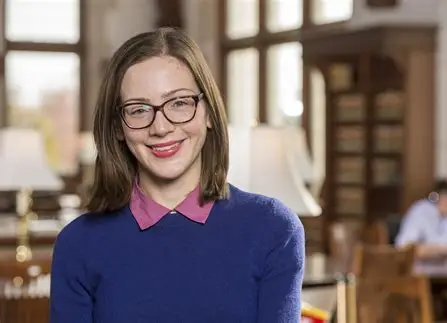
Senior Lecturer at the School of Law and Radical Humanities Laboratory at University College Cork,
Dr Kate Falconer is a Senior Lecturer at the School of Law and Radical Humanities Laboratory at University College Cork, where she teaches Trusts Law, Property Law, and Death Law. She holds a PhD from the Australian National University, an LLM in US Law from Washington University in St Louis, and an LLB with Honours and a degree in archaeology, both from the University of Queensland. Her doctoral research examined possessory rights and interests in the deceased human body, and what these mean for property law theory. More broadly, Kate's work explores the law of the dead, bodily disposal, and how death intersects with private law, from funeral disputes to emerging death technologies like digital avatars. She is co-editor of Life and Death in Private Law and Treasurer and co-founder of the Australian Death Studies Society, a national network connecting scholars across law, anthropology, history, and the sciences to inform public policy and debate on dying, death, and disposal in Australia.
Summary
What you’ll hear in this episode:
- The extraordinary 1908 Doodeward and Spence case — and how a “baby in a jar” reached the High Court
- Why the common law says there is generally “no property in a corpse”, and when an exception may apply
- What possessory rights mean when someone needs to take responsibility for a body’s final care
- Why funeral disputes can reflect deeper family wounds as well as disagreements about burial or cremation
- How cultural obligations and Indigenous connections to Country can shape disputes over burial and repatriation
- Why a deceased person’s funeral wishes are not necessarily legally binding under current common law
- Who may control your digital remains, data and AI avatar after death — and the risks of relying on private platforms
- What the State Library of Queensland’s “Charlie” digital veteran shows about a different approach to AI
- How water cremation, natural burial and human composting are challenging existing legal frameworks
- Practical steps you can take now: discuss your wishes and consider carefully who you appoint as executor
Transcript
Kate: [00:00:00] this is a case from 1908. a woman had very sadly, had a stillbirth. it turned out had, two heads, the doctor who had attended that birth thought, What a novelty. I'm gonna preserve it. I'm gonna put it in a jar of paraffin oil. He died. That jar with the child in it ended up in Sydney. It was being exhibited, in public at a freak show. The Sydney police came along. They saw this child in this jar. They said, "That's an affront to public dignity." We're taking that, we're confiscating that. The person who had been exhibiting the child, actually sued and said, "Well, You've ta ... Read More
Kate: [00:00:00] this is a case from 1908. a woman had very sadly, had a stillbirth. it turned out had, two heads, the doctor who had attended that birth thought, What a novelty. I'm gonna preserve it. I'm gonna put it in a jar of paraffin oil. He died. That jar with the child in it ended up in Sydney. It was being exhibited, in public at a freak show. The Sydney police came along. They saw this child in this jar. They said, "That's an affront to public dignity." We're taking that, we're confiscating that. The person who had been exhibiting the child, actually sued and said, "Well,
You've taken my property, and I would like that back.
It's my property." And it went all the way to the High Court. So perhaps what I've not said explicitly, but when we're talking about
Who Controls Your Body
Kate: the executor or this person identified by the court, they have the sole decision-making power. So the wishes of the deceased are actually not legally relevant. they have no legal force. Obviously oftentimes people consider those and consider them very strongly, they're very important, but legally they're not relevant. [00:01:00] there's been a huge movement in, end of life care, in palliative care to prioritize the wishes of the dying person, and to prioritize the autonomy of the dying person. and it's odd that at the moment of death,
autonomy
and it moves
to a completely different person to make those decisions.
What we often see in the cases is that maybe the, the conflict over care for the body is, maybe a stand-in for, for deeper felt emotional wounds. It's not necessarily so much about burial versus cremation.
It's, "Well, keeping in mind that it's your executor who will be looking after the disposal of your body, and I guess be mindful as to who you place in that role.
and perhaps that could be a, spark that lights a flame.
having these conversations and if you think there's gonna be conflict, making sure those preparations are in place that of heads the conflict off at the pass.
Speaker: Welcome to Don't Be Caught Dead, a podcast encouraging open conversations about dying and the death of a loved one. I'm your host, Kathryn Ashton, [00:02:00] founder of Critical Info, and I'm helping to bring your stories of death back to life. Because while you may not be ready to die, at least you can be prepared
Don't Be Caught Dead acknowledges the lands of the Kulin Nations and recognizes their connection to land, sea, and community. We pay our respects to their elders past, present, and emerging, and extend that respect to all Aboriginal and Torres Strait Islander and First Nation peoples around the globe
Meet Dr Kate Falconer
Catherine Ashton: Today I'm speaking with Dr. Kate Falconer. She is a senior lecturer at the School of Law and Radical Humanities Laboratory at the University College of Cork, where she teaches trust law, property law, and death law. She holds a PhD from Australian National University and a LLM in US law from Washington University in St.
Louis, and an LLB with honors and a degree in [00:03:00] archeology from both the University of Queensland. Her doctoral research examines pos- po- possessory rights. I am so going to have to pronounce that again
Her doctoral research examined possessory rights and interests in the deceased human body and what these mean for property law theory. More broadly, Kate's work explores the law of the dead, bodily disposal, and how death intersects with private law, from funeral disputes through to emerging death technologies like digital avatars.
She is the co-editor of Life and Death in Private Law, and treasurer and co-founder of the Australian Death Study- Studies Society, a national network connecting scholars ... I, I'll just actually start that sentence again. I'll just say she is, again, She is the co-editor of Life and Death in Private Law, and treasurer and co-founder of the Australian Death Studies Society, a national network connecting scholars across law, anthropology, history, and the sciences to inform public policy and debate on dying, death, and disposal in Australia.
Thank you so much for being with us today, Kate
Kate: No, thank you so much for having me
Catherine Ashton: And Kate, I have to thank you so much for getting up [00:04:00] very early to chat with me because you are actually in Cork at the moment as we speak
Kate: Yes, so apologies if I look a little haggard. It's early
Why Study Death Law
Catherine Ashton: So tell me, I'm fascinated, what drew you to your area of expertise?
Kate: I have an undergraduate degree in archeology. I actually always thought I was gonna be an archeologist, but it turns out I'm not very good about being outside. I much prefer to be inside, so archeology was never gonna work out for me. in my archeology degree, I was really interested in skeletal remains and what they could tell us about the past, but also that kind of intimate access they gave us to the very person who, who once lived and breathed. And I really interested in, in those remains and that kind of tension between scientific object by remains. And so then in my law [00:05:00] degree, I got the opportunity to write a, I guess an honors thesis. And I, I wrote that on the ability for legal rules to facilitate the return of ancestral remains to indigenous communities. And from there, that's, that's really where it, where it started. So kind of thinking about that tension of, of is the dead body property that we can kind of access and, and use, know, can we use property law rules to facilitate the return of, of remains to particular communities and, and whether that's possible, whether it's appropriate.
Once you start down that avenue, the questions multiply, and you find yourself as a death law expert 15 years later.
Catherine Ashton: What did you find those answers were to those original questions?
Kate: Oh, Is, as is kind of the, the standard lawyer's response is, "It depends." It depends on any number of different things. So the very narrow kind of technical question as to whether the dead body or parts of [00:06:00] the dead body in, And I guess I, I'm, I think particularly in terms of the common law, so the common law of Australia, England, Ireland, where I am now, countries where England went, basically, we have, we have common law systems. Within the common law, there is the potential for the dead body to be considered property, to be considered an appropriate thing or, you know, object for property law rules to attach to. and there's, there's kind of a really interesting reason as to why that is the case, and kind of how you activate that, which I, would love to speak to now if that's possible.
Catherine Ashton: Yeah, please do
Kate: There is kind of this longstanding rule in the common law, and it comes from centuries and centuries and centuries of legal development, and particularly the influence of the church in the common law, from, you know, kind of the 11th century onwards. There is this longstanding legal rule that there is [00:07:00] no property in a corpse.
So it's called the no property rule. So the dead body cannot be property. That's kind of our baseline. and then there are a number of different exceptions to that, and the main one that we tend to work with and the courts tend to work with, actually comes from an Australian case, an Australian High Court case.
and this is a case from 1908. It happened in Sydney. It kind of originated in New Zealand, where, a woman had very sadly, had a stillbirth. The child that had been stillborn, it turned out had, two heads, and so had been stillborn. This was kind of the late 1890s. You know, people perhaps weren't as, as, as sympathetic and empathetic as they should be, so the doctor who had attended that birth thought, What a novelty. I'm gonna take this stillborn child. I'm gonna preserve it. I'm gonna put it in a jar of paraffin oil. I'll keep it in my office as a He died. He had an estate sale. That jar with the child in it ended up in Sydney. It was [00:08:00] being exhibited, in public at a freak show. The Sydney police came along. They saw this child in this jar. They said, "That's an affront to public dignity." We're taking that, we're confiscating that. The person who had been exhibiting the child, actually sued and said, "Well, you've interfered with my property. That's
Catherine Ashton: It's like we're getting to a property
Kate: You've taken my property, and I would like that back. Please, you need to give that back to me.
It's my property." And it went all the way to the High Court. it started in the New South Wales courts, and then went up to the High Court. And the High Court was faced with this very stark question. they reached the conclusion, it's Chief Justice Griffith who writes the leading judgment, they reached the conclusion that when a dead body or part of a dead body has been, the subject of work or skill, so someone has applied work or skill to a dead body or part of a dead body, it becomes property. And you can maintain a property right in this dead body. and so the court looked at this child, and they said, "Well, work or skill has been applied. It's been preserved. It's in a jar with paraffin oil. It's clearly different from a [00:09:00] body that's died yesterday and is awaiting burial.
This child has been in a jar for kind of 30 years at this point. so we're happy to call that property. We're happy for this, this, this child, this dead body to be considered property." Again, it's 1908. If you read the judgment, it's, it's filled with, you know, really problematic statements about, you know, it's, it's a freak of nature.
It's not a, it's not a, it's not a person, it's a freak of nature. You know, those kind of things. And so clearly what's underpinning the judgment is a sense that, you know- one gets the sense that, you know, if, s- had died yesterday and had been preserved in paraffin oil, the court would not have reached the same conclusion.
There was something about this particular child that was allowing the court to make that step and say, you know, "It's not a body awaiting burial. We're happy to treat it as property." But nonetheless, that's the rule that we have, the work or skill rule. And that's the rule that common law courts apply.
So if [00:10:00] you have a dead body and work or skill has been applied, that dead body becomes property. and it's applied, to, to parts of a dead body as well, so it's, We're seeing ... Interestingly, we're, we're seeing it applied to things like postu- posthumously obtained, sperm samples. If, if a man passes away, and there's a posthumous sperm sample, that's part of a dead body. Work or skill has been applied to it in the act of it and maintaining it, so it's property, and we can apply property rules to that. so those, those kind of questions. So, so I guess there is a very clear definitive answer as to how something, the dead body can become property. As to whether that's an appropriate response in all cases or in any cases is, is another question.
So a very long-winded answer.
Catherine Ashton: I think it's absolutely fascinating, and it really shows the level of detail that needs to be taken into [00:11:00] consideration when we look at each particular, case in, its context. Tell me, what are the some of the things that you've seen, especially in repatriation of remains, w- and when you were first doing that, that study that you, you mentioned originally?
Kate: Yeah. So I think one of the big things that comes out of that work is, I guess what first drew me to that is the idea that repatriation is so often, predicated, I guess, on political... I wouldn't say political goodwill, but political efforts. So it can be really up to, you know, the local ambassador in a particular country really pushing and saying, you know, "X, Y, Z museum, you know, please return these remains to Australia."
It can really kind of center on, community effort and community, push for repatriation, push for awareness, push for, I guess to actually get political figures to listen, to get them invested and to get them to make that effort. I was interested in [00:12:00] was the possibility of, I guess, you know, can law provide a more straightforward avenue?
Can, can we just bring a legal claim and, and allow for the return of remains? and so I guess one avenue I was
Catherine Ashton: What have we learned?
Kate: in that regard is, um... So in addition to the, the Doodeward, um... So the case we're just talking about is called Doodeward and Spence. It's some- the, the work or skill rule is sometimes called the rule in Doodeward and Spence.
Um, so there's that avenue for something to be considered property.
Possessory Rights For Burial
Kate: There's also a much smaller, narrower avenue for the dead body to be considered, not so much considered property, to be, but to be considered the subject of possessory rights. and that is the right to possession for the purposes of disposal. So this is a, a discrete common law right that allows a particular person claim possession of a dead body for the sole purpose of, of [00:13:00] burying or, or otherwise caring for that body in a final way. And so I, I was interested in the possibility of this kind of very discrete right which the common law has developed for kind of obvious reasons if you think about it, particularly in a, if you think kind of 17th, 18th centuries pre-refrigeration.
The law was very clear. Someone needs to be caring for bodies. We can't just leave them hanging about. We need to care for them quickly. So the law developed this rule, that allows people, gives people the power to, to control disposal and to physically, physically and I guess authoritatively say, "You must transfer the body to me so that I can care for it." And so I was interested in the avenue, using this avenue as a means of, you know, whether this could facilitate repatriation. Could indigenous groups make this claim and say, "We have the, you know, we are the rightful holders of the right to possession. You must return these remains to us so that we can ultimately care for them"? This claim has been [00:14:00] tested a, a very small handful of times in court. Notably in a, in a kind of New Zealand case in the, the, the 1990s concerning a, a shrunken head, that had been traded, and, and the local community wanted that, that head returned for, for burial. And this claim was tested, and the court was willing to uphold it. They s- they said, "You know, we, we might not know who this person is. We don't know who exactly they are. But we know that they have connections with this community, and we're happy for this community to, to s- to be, you know, the people that are responsible for caring for this body and, and in the same way that if a member of this community died tomorrow, the community would be responsible for burying for the body, w- would be responsible for burying the body. Happy for them to be responsible for burying this ancestor." So there is, there is this avenue, but what
Catherine Ashton: We need to advocate for what
Kate: became increasingly apparent is First of all, I guess the, the notion of using property [00:15:00] rights in the context of ancestral remains for, for many people can be discomforting.
Catherine Ashton: Not being playable and just obviously we've remained partners and that's particularly with this group
Kate: is to say, these remains are property," and that's particularly if we think through kind of the, the, I guess the, hierarchy of our legal system. It's very much persons and then property. You know, persons control property, for a, a lot of groups that
Catherine Ashton: O Lord, respond.
Kate: be antithetical to how they conceive of their ancestors.
Their ancestors are people, that's why they want them back. And so this property approach just
Catherine Ashton: But she finally was perfect.
Kate: appropriate.
Catherine Ashton: It's also during
Kate: There's also the risk or the concern that this approach that I've been describing, where one person has responsibility and has this right and can demand the body be transferred to them, who the law identifies as this one person, there is a hierarchy.
There is a framework for who is this one person, it does not always align with indigenous conceptions of kinship, [00:16:00] for example. So actually the person who has the highest ranking claim to be this, this individual who can demand the body is transferred to them is the executor of the deceased estate. A- and you can see that for, people, you know, the fact that your executor is, is the one with the primary legal ability to control your body and dispose of your body and care for your body might not align with who you think should actually be caring for your body. So there's those kind of tensions as well. So perhaps there is a legal avenue that might be available, but whether it's appropriate is a, is a very different question
Catherine Ashton: In your research, Kate, have you actually seen where, it has worked well, where the, the law has allowed for repatriation and those property or remains of that person to go back to its origin culture and heritage?
Kate: the repatriation, if we're [00:17:00] thinking spec- explicit- we're thinking explicitly in terms of there are ancestral remains in overseas museums or collections and we're wanting to bring those back, The, the legal frameworks for that, and I guess again, I'm, I'm thinking particularly in terms of domestic frameworks.
There, there are international frameworks out there that, that I can't really speak to. But in terms of domestic legal rules, that they're really not to be the, the tool that, going to, you know, solve any and all problems. They're, they're, they're just not quite there yet.
Funeral Disputes Getting Flexible
Kate: Where the common law and where this framework is proving to be really adaptable and, to my mind, increasingly flexible and beneficial in the funeral dispute context.
So, this is where someone has passed away quite recently, and we know where the body is. They're not kind of overseas. The body is in Australia. But where there, there's conflict as to who is going to dispose of that body, who's gonna have the right to care for that body. In the Australian context, a huge number of [00:18:00] these cases indigenous parties, whether they are the deceased or one or both parties to the dispute. And this is for, for a variety of reasons. I mean, largely just based in the, like the horrors of colonialism, and the, the, I guess the forced removal of people from country, such that there are now, You know, the primary concern we see in the case law is, is the need for the deceased person to be returned to country, and there might be barriers to that.
There might be pastoral leases that prevent, burial on country, or, as is increasingly common, there might be some dispute as to where country is, where
Catherine Ashton: ran country games where they were
Kate: is if you
Catherine Ashton: engaged
Kate: people from, from different communities. and where I think... these disputes first started coming to court in the '90s, courts took a very black letter approach.
They said, "There's no room for emotion. There's no room for, for us to hear arguments based on religion or spirituality. There's no room for that. We can't hear it. We're not gonna hear it." [00:19:00] The black letter rule is that the executor, or if there's no executor, the person who will administer the estate in intestacy, the black letter rule is they get the right, and we're just applying that. In more recent years, particularly in the past decade, courts are taking a much more flexible approach, and they now say, particularly in the intestacy context, which is where most of these disputes arise, so intestacy meaning when someone passes away without a will, in this context, courts are looking at these disputes and they're saying, "Well, actually, we're entitled to consider an array of factors.
So we're gonna consider things like wishes of the family. Are there children? What do the children want to happen?" are the, the cultural issues at play here? What is the indigenous law on this issue, for example? Or are there other religious, issues at play? So, there, there, there are cases involving, tensions between Muslim and Catholic sides of the family or, or Jewish and Catholic sides of the family, for example. the courts do still [00:20:00] consider who is entitled to administer the estate, but rather than that being the rule, the sole deciding factor, it's just one factor that they consider. They might also look to the practicalities. So who actually has the money to, to care for the body?
If we're talking about maybe flying the body from Melbourne to Perth, is that possible? How-- the body been, been embalmed? Is there, is there storage options available to move the body? Who's gonna pay for that? So those kind of practical issues. So yeah, to go back to your question, where law, I think, is working well and where it's proving to be really adaptable and flexible and giving people There's no, there's no, there's never any right answer.
There's never, there's not one answer to these disputes that's gonna make everyone happy, and these disputes have arisen in times of immense grief. You know? It's th- these are people having the worst time of their lives, and they're in court, [00:21:00] you know, in dispute over how this body will be cared for.
There's no... Y- you can't... You're not gonna make everyone happy. You're not gonna... The court can't tie all those loose ends
Catherine Ashton: But then certainly the perfect horse, but they can't ride themselves
Kate: But courts have certainly become open to more flexible approaches that allow more, careful and appropriate to those issues, particularly when they involve indigenous people
Preventing Family Conflict
Catherine Ashton: So Kate, you've just talked about, how the law views when there's conflict around possessory rights. What is it that people can do nowadays in every day to help prepare and avoid these sort of conflicts after they've died?
Kate: It's such a good question, and it is such an important question. Um, so I think, the number one thing you can do is to talk to your loved ones about what you want to happen to your body. And this can be [00:22:00] a really, not, not necessarily uncomfortable conversation, but a lot of people don't wanna talk about that.
We tend to avoid talking about will happen after we die, with our estate, with our property or that type of stuff. But particularly with our bodies because it seems to be this idea that if we talk about it, we're inviting death in and that kind of thing. But I think having open and frank conversations, with your loved ones about what you want to happen, making sure that they're aware of your wishes. if you are making a will, to look after your estate, just keeping in mind that it is technically your executor who is going to be charged legally with the disposal and with the care of your body. Practically, for most families, it doesn't kind of come down to legal nitty-gritty.
For most families, care for the body is, is a family there's kind of family consensus, people just kind of get on with it. What we often see in the cases is that maybe the, the conflict over care for the body [00:23:00] is, maybe a stand-in for, for deeper felt emotional wounds. It's not necessarily so much about burial versus cremation.
It's, "Well, Mom loved you more than me when we, you know, when we were growing up," or, or that kind of thing. So if, you know, if, if you feel that there perhaps might be some conflict amongst the people who will be surviving you, regarding anything really, keeping in mind that it's your executor who will be looking after the disposal of your body, and I guess be mindful as to who you place in that role.
It might be, perfectly natural for your lawyer or your financial advisor or something like that to be your executor. That makes a lot of sense for your estate management. But keeping in mind that they will also be tasked with the disposal and care of your body, and perhaps that could be a, spark that lights a flame.
So that's what I would say is having these conversations and if you think there's gonna be conflict, making sure those preparations are in place that of heads the [00:24:00] conflict off at the pass.
Digital Avatars After Death
Catherine Ashton: And I think a lot of people when they think about, dying, they think, "Okay, yeah, what happens with my body?" But we know now we spend more of our times curating a life in our digital space, on our social media platforms, than we do sometimes more, more so than what we do in life. What have you seen in that space with the work that you've been doing?
Kate: Yeah. I mean, it's the classic aphorism is that, there's this great line in a, a very old case now that that law follows technology but at the rear and limping a little. And that seems very much to be where we're at with these digital avatars.
You know, these are emerging at a pace that the law simply cannot keep up with. You know, it's for, I was thinking, you know, kind of five years ago we were very concerned with kind of text bots, with people kind of q- [00:25:00] maintaining all the texts that someone had sent them and using that to create kind of a text chat bot.
And now we're in AI digital avatars, you know, that can have full-on conversations with you in virtual reality. It's incredible the, the pace of technology. Certainly the, as with most aspects of AI, right, law is really struggling to keep up. As with, and I d- I don't kind of wanna be absolutist about it, but certainly if I think about kind of the various aspects of, of death law, it's never necessarily the priority. We, we... Obviously the law has a tendency, and the lawmakers, I suppose, have a tendency to focus on issues that directly affect the living, and that makes sense. but I guess what that means is the, kind of grief bot, death bot, whatever you wanna call it, this kind of emerging industry is, is really... It's kind [00:26:00] of, it's not getting the, the full attention that we would perhaps like because there are, really serious concerns about the, the misuse of data after they've died. You know, the, the ability for that data and for those products to... some of these companies will, will promise longevity. They'll, they'll promise, you know, perpetual online, not so much online existence, but you know, a perpetual online, I guess, resting place where your loved ones can go and communicate with you. But the reality is a l- a lot of these companies are startups fold. You know, a lot of them have folded. And so there's kind of payments that are made, there's payment plans that have been set up, and there's no ongoing retention of that material. when they are set up, yeah, as I said, there is this fear about kind of misuse of someone's data. Happens when our, our AI, I guess, death bots start selling stuff to us? If you don't have the, the [00:27:00] premium package, is your, is your loved one gonna start spurting adverts at you? so there's all these issues, I guess, from a legal perspective and a regulatory perspective. But there's also kind of, I guess, a parallel stream of issues coming from the psychology side of things, which, I can't speak to kind of detail, but certainly the evidence is, is really out on whether these, these kind of or products, whatever you wanna call it. A lot of the argument is that they, they facilitate people getting over grief and working through their grief. But there is, there is inconsistent evidence, we would say, as to, as to whether it's in fact holding people back maybe
Catherine Ashton: Yes, I'm just thinking the amount of, podcasts I've done now exceeds 100, and I'm very much publicly out in the domain in that capability that I [00:28:00] could easily be scraped and recreated.
Kate: Yeah
Catherine Ashton: control over that?
Kate: See, and that's the thing, like we truly don't know.
Terms Contracts And The Dead
Kate: And in some respects, as the legal landscape and regulatory landscape currently stands, it depends entirely on the terms and conditions that you've signed up to with your service provider,
Catherine Ashton: Cause how many people get those emails in your inbox and it says they're updating the Ts and Cs and you, you just really don't pay that much attention
Kate: Exactly. Um, and it kind of becomes a... There's also, if I kind of put my very kind of doctrinal hat on, there is an issue there as well as to who the, service contract is with. So there's obviously pro- services where, you know, you pass away and your loved one uploads all the material, and that's, that's kind of clear, clear enough.
You know, it's contract is between your loved one and the service provider. But there's also services where you can sign up in advance, [00:29:00] and you can upload your material, you know, services that might you. You know, they might send you a prompt and then get you to record a response to that prompt, and it all sounds very nice.
But it's all going up there. You've got that service agreement in place. You pass away, is agreeing to the updated terms and conditions? You might have agreed initially, but you've passed away. I don't think we're quite at the point where law will allow dead people to enter into contracts or change contracts.
Who Controls Accounts
Kate: So, who has the capacity to speak for the dead in that situation? Who has the capacity to, and the legal ability to say, "Well, we're shutting it down." It's... we're not gonna engage in this, even though our deceased loved one set this up. So, yeah.
Catherine Ashton: And it's interesting. Yeah, and th-
Kate: it seems to be platform specific
Catherine Ashton: isn't any consistency, even in the guidelines.
Designing Access Pathways
Catherine Ashton: I know that when we were doing the critical info platform that allows people to, you know, document what [00:30:00] their choices are, share them with two key contacts, and the way in which we had to write it was that it's the person who's the account older- holder who's signing up to that pre-approval access nominating two people that they've approved to have access to that information.
But when that person dies, there is a very set period of time that those key contacts have access to it before it's closed.
Kate: Yes.
Catherine Ashton: and so that's all pre-approved, and it sits with the main user. And so it is something that you really have to think about even as someone who's providing that service to make sure you've mapped the entire pathway because it is something that is such a sensitive space to be working in
Kate: And again, it's really reliant on people, in kind of that situation that you've just described, it's reliant on the person setting it up and then telling those people, you know?
Catherine Ashton: Yeah
Kate: those kind of [00:31:00] conversations just, we hope they're happening, but they might not be happening, you know?
Ethical AI Afterlife
Catherine Ashton: And where have you seen, it done well? Have you seen it done well, Kate?
Kate: No. No is the, the long and short ans- of it. In terms of... I guess, you know, I, I'm particularly... the work I've done here is largely focused on those very, very kind of for-profit startups. So, and, and kind of particularly the AI digital avatar. Well, not so much AI. Definitely AI now, but the digital avatar, which has now become the AI digital avatar. And certainly the... I, I... So I, I teach a death law module and I, we, we, we do a, week on, on, on this topic and, I, I was actually, I was emailing some, some death friends, you know, some fellow death academics, and I was saying, "You know, I'm teaching this. If anyone has any good examples of something that's done ethically and, [00:32:00] and, you know, that's well done and ethically done, can you send them to me so I can show the class?" And the unanimous response was, "What are you talking about? That no such thing exists." You know? There's, there's no
Catherine Ashton: No substitute
Kate: kind of ethic- ethical, done, respectful way of kind of entering this space as it currently stands. Though certainly the, the examples that we're seeing currently aren't really sitting well with a lot of people.
Charlie the Digital Veteran
Kate: So the one I settled on actually using as an in-class example is, from the State Library of Queensland, actually. And they have a, a digital veteran, so it's, it's not a real person. It's, a conglomerate, I guess, of, of a lot of, World War I veterans. And so what the State Library of Queensland did is they took all of their World War I material, so diaries, newspaper entries, all of that type of stuff. They gave it to a, a, a company who kind of specializes in, in, in AI generation. [00:33:00] and that company built Charlie, who is a, a digital veteran, you can chat with him online, and you'll say, you know, "Where are you from?" And he'll say, "I'm from Toowoomba." And then, what pops up on the side is links to all of the resources that might tell you more about what it was like to enlist in the army and, and, you know, how his local community felt.
So that is, I think, an example of some of the capabilities that we're experiencing being used well. But I mean, again, very explicitly, it's not a real person. It is an amalgamation of, of thousands of different people. And I think if the State Library of Queensland had gone down the route of, "This is this one soldier and we've got all his material and we've created him as a digital avatar, come chat to him about his experiences in I," that would be a very different question
Catherine Ashton: It's interesting example because that's sort of the way in which research, you know, provides you [00:34:00] with, so your vignettes of, of your data that you've been able to collect.
Kate: mean,
Catherine Ashton: Instead of actually using an actual person for privacy reasons, you have this vignette which they clearly use as an example of the data that they've collected.
Kate: Yes.
Catherine Ashton: as a very good example of what is safe and ethical space to play around with
Kate: It was funny, again, using it as a teaching example and saying to my students, you know, come and just explore what this is like." And though, you know, it's very clear it's not a real person, it's this amalgamation, and it's a teaching tool. It's actually aimed at high school students. My kind of final year law students, a lot of them felt really uncomfortable with it, which was interesting. You know? They felt that they were kind of like spying on someone. Which I hadn't expected, so I was kind of... Yeah, it was interesting to see that. Hmm.
Catherine Ashton: That's great. That, that's a really interesting insight to how people feel when, you know, [00:35:00] well, obviously how your students felt in that particular instance.
Founding Death Studies Society
Catherine Ashton: And so tell me a little bit about the origin of the Australian death Studies Society
Kate: So, as, as with many good things, it all begins with COVID. And so I guess death studies is a, is a really amazing field. It's, it's, it's such a joy to be kind of working in this, in this field, and I come from the law side, and, but studies is mostly a creature of the social sciences, bit the humanities, mostly the social sciences. It's existed since the 1970s. I mean, people have been doing this work for a very, very long time, but as kind of a concentrated academic field, it's existed since the '70s, really, strongly based in the UK. So a lot of the kind of the major data sets that were really foundational for the, the development of the discipline, of the kind of the, the major [00:36:00] books, those kind of really early texts, the fields kind of developers, you know, the texts that guide us, a lot of them are, are based in the UK.
A little bit the US, but for our purposes, largely the UK, amazing. You know, it's really good work that's being done. But what it meant was, there seems to be this idea the Australian experience of death, perhaps largely aligns with the English experience of death.
And we just know intuitively from existing might not necessarily be the case. And so it kind of came about, as I said, during COVID, where, myself, and Hannah Gould, who's the president of the society, and a couple of other people as well, we're kind of thinking like, "We're all stuck at home anyway, you know?
We're all kind of doing... in the throes of work because we can't leave the house." you know, we think there's something really interesting and unique about the Australian way of death, we are, we are a completely different [00:37:00] cultural context. You know, we, we, we have, you know, obviously this, this horrific history of, of colonization and, and, and Indigenous experience of death, which if, you know, is, is just non-existent in, in England.
So we, we, we need kind of an Australian understanding of death studies that allows for, you know, the Indigenous experience of death, the migrant experience of death, the, you know, the changing demographic experience of death. and so that was kind of the, the, the start of it. We were, um, yeah, thinking we, we need to kind of develop an Australian understanding of death studies. It was the start of COVID. We were all optimistic. We started the society. And it's been, it's been going well ever since. So we've... We're really, it's something, it's something that we're really proud of.
Society Mission and Outreach
Catherine Ashton: Tell us a little bit for those who are unfamiliar with what the role of the society is
Kate: Yeah. So I guess we're an academic society, [00:38:00] so kind of core foundational goal is to facilitate the study of death and dying in Australia or by Australian academics. so we're an academic society, and I guess the, the first goal, or I guess idea of the society, was to say... to I guess look across Australia and say, like, there are, there is this really core, wonderful group of people doing death studies in Australia. And we might not know each other. We might, you know... Australia is massive. You know, there's pe- we're, we're hours, hours away from each other on a plane at all times. But we're all doing this, this really important work in, in very different contexts, in, in very different kind of corners of the field, but we're all doing this work. So bringing everyone together, and saying, you know, "Let's think about what it means to do death studies in Australia." So we've got that academic side of things and a- as part of that, we, you know, we, we have kind of funding schemes for various events and that type of thing.
We've also [00:39:00] I guess see ourselves as having a, a more public-facing side as well. So the society is very, I guess, clear that, that death studies cannot really exist without acknowledging the death care work that's done by industry, the industry side of things. You know, I, I spent a lot of time kind of writing about burials and cremations. I, I can't do that without the amazing work that's done by the funeral directors and the, the people who run the crematoria and, and the people who run the cemeteries. So really kind of engaging with industry, engaging with, with members of the public as well, to I guess promote the importance of about, thinking about death and dying. And I don't mean that in kind of like a, a tr- a trite way, but just to acknowledge that it's, it's... We're all gonna die. That's... E- each death is gonna make a lot of people kind of very sad. is, you know- I, I don't wanna, I don't, don't wanna sound trite. I also don't wanna sound mercenary when I say that kind of there is value to be gained from the study of death. You know, it's, I feel like I'm, I'm not expressing myself very well on this point. I'm perhaps gonna leave it there, and perhaps we can cut that out maybe
What Death Teaches Us
Catherine Ashton: What has studying death taught you, Kate?
Kate: Studying death has taught me that [00:40:00] Just the universality of the human experience, I think. You know, we, we're constantly rushing by people, and everyone's in their own bubbles and their own lives, and then you realize that, like, we're, we're all gonna die. These issues that people have been thinking about and writing about for, for millennia sometimes.
You know, the Romans and the Greeks had a lot of thoughts on some of this stuff, as did a lot of other kind of ancient peoples. This experience of death is universal across time and across as much as kind of proponents of technologies like cryopreservation might disagree, regardless, for now we can say that death is universal. And so- there's something that I think really community building about that, to kind of look at someone passing you on the street. And again, it sounds very odd to say, but you know, you look at them and you think, "Well, you're [00:41:00] gonna die. I'm gonna die. We have that in common." So there's kind of, there's that starting point.
Catherine Ashton: It is the great leveler, isn't it?
Kate: The great leveler. But at the same time, always acknowledging that there are some people for whom, and some families for whom death is a very different ex- you know, families can have a very privileged positioning with death, and other families can have a really unprivileged position with death.
So that's something else I need to keep in mind, actually, is not all deaths are the same. It's, yeah, not all deaths are experienced the same, I think.
Legal Gaps and Reform
Catherine Ashton: Where do you see the gaps in your work when it comes to the laws around how we could actually make it more equitable and more accessible?
Kate: So I think, kind of the primary The main issue that I have... Not the main issue. The, there's kind of two particular gaps that I think are really important, and in some respects they are contradictory gaps. [00:42:00] So, the, I guess the one area for change that I would really like to see from a legal perspective is more, I guess consistency, particularly across the and intestacy context.
So intestacy context courts can take a very flexible approach. Testacy they don't, it's, it's just, it's the executor. I think there's a great case for taking the same flexible approach in both situations. And I think that accounts for fact that, a lot of people And it's probably a good thing. A lot of people aren't aware that we have this legal framework that governs who will care for your body.
Catherine Ashton: People like most
Kate: to
Catherine Ashton: people maybe 2000
Kate: with that legal framework, and that's good. when we do need to engage with that framework, people are often really surprised that, that, you know, the framework still prioritizes the executor. You know, it feels very kind of esoteric and old. That's a, that's a really, really old legal rule that we've maintained for, to my mind, no real reason. [00:43:00] So I think there's real scope for reform there to taking the same flexible approach in intestacy as intestacy in the context of funeral disputes. I think that kind of counters this, this, this lack of knowledge point, because people simply shouldn't need to know that we have this hierarchy.
I think courts should just be able to take a flexible approach in both situations. The other avenue for reform, the scope the potential for people's own wishes to be considered binding.
So perhaps what I've not said explicitly, but when we're talking about the executor or this person identified by the court, they have the sole decision-making power. So the wishes of the deceased are actually not legally relevant. they have no legal force. Obviously oftentimes people consider those and consider them very strongly, they're very important, but legally they're not relevant. So what a lot of law reform bodies are considering [00:44:00] is scope or avenues for making people's wishes binding. So whether that's through an online register or if you say it in your will, it becomes binding or, the actual practicalities, you can pick problems with every kind of practical avenue they've suggested, but, that's the way of it. But yeah, so that is another potential avenue of aligning care with, I guess, pre-death care, because obviously there's been a huge movement in, end of life care, in palliative care to prioritize the wishes of the dying person, and to prioritize the autonomy of the dying person. and it's odd that at the moment of death,
Catherine Ashton: Yeah,
Kate: autonomy
Catherine Ashton: completely insane
Kate: and it moves to a completely different person to make those decisions. So there's avenues potentially for the deceased's wishes to be binding. And obviously if that took place, it would obviate the need for [00:45:00] reform in line with intestacy and testacy being aligned because we would simply look to the wishes of the deceased
Catherine Ashton: How shocked are people when you tell them that their wishes aren't currently legally binding when they find that out?
Kate: A- and that, that's a very understandable response, I think. I mean, again, you know, this is a ... the fact that the wishes of the deceased are completely non-binding, that's a very old rule, and it made sense at the time it was developed because everyone was cared for the same way. You know, you were all buried in the local church cemetery.
There was no scope for anything else, so it didn't matter whether you, what you wanted because you, what you wanted was what everyone wanted. But we live in a very different world now. We, we live in a world where there's lots of choice as to how your body can be cared for. There's lots of places your body could be cared for.
New Body Care Options
Catherine Ashton: So Kate, is there any other elements that you think we need to be aware of when we're [00:46:00] taking into consideration our wishes and the conversations we need to be having with loved ones about this?
Kate: I think one of the really big things to think about is you actually want your body to be cared for. So obviously, you know, burial has been the traditional way. Cremation has been in place for decades now and is really, really popular in Australia but, you know, as, as with many aspects of our lives, we have new emerging technologies.
Things like water cremation, are becoming increasingly popular. Human composting is something that we, don't quite yet have in Australia but is certainly in place in other jurisdictions, sometimes called natural organic reduction. And even, I guess, a return to things like, like natural burials, so, where you're buried in a, more eco-friendly coffin or shroud and you're, you're going at a, a shallower depth to facilitate quicker decomposition. these kind of, you know, emerging ways of, of caring for the body. I think it's [00:47:00] interesting to think about how different jurisdictions and different states and territories of Australia are approaching the question of how to deal with these. Because, again, for so long, you know, it was burial.
I'm from Queensland. Queensland doesn't have a Burials Act because, burial has just kind of been in place for so long that it's kind of felt to be unnecessary. We had one. We got rid of it. We never replaced it. The Cremations Acts have come in as cremation has emerged, and they're kind of aimed at cremation. But we have these new technologies and so it's the question of, do we treat water cremation as essentially equivalent to fire cremation and just kind of bring them into the cremation legislation? Or Are there kind of different concerns about water, you know, to think about in the context of water cremation such that we need new legislation to deal explicitly with that means of caring for the body?
Or are we happy for these, you know, some jurisdictions are taking a very- Kind of top-down approach where they say, "You know, we've got the Burials Act, we've got the Cremations Act. You're not allowed... You know, we're not [00:48:00] really facilitating any other means of disposal without ministerial approval." Other jurisdictions are taking a more kind of bottom-up approach where they, you know, they're kind of allowing these technologies to, to get in place and to, to emerge and to develop, and then they'll regulate as, you know, as and when they need. So it's interesting to consider how, yeah, how the legislatures around Australia are going to grapple with these new technologies. Certainly, you know, when I kind of say the words, you know, water cremation or human composting to people, some, you know, some people love it and some people can get really you know, uncomfortable with those words.
So it'll be interesting to see how society, to move on, on these points.
Catherine Ashton: That's really fascinating 'cause the fact that you were talking about how there was never a Burials Act because that was just the custom.
Kate: Mm-hmm.
Catherine Ashton: interesting, like at [00:49:00] what point does a custom become something that needs to be regulated under an act and law and legislation?
Kate: Yeah.
Catherine Ashton: It's, yeah, really interesting.
Kate: a tension point. Yeah.
Catherine Ashton: It'll just certainly be watch this space over the, the coming years as these technologies emerge.
Kate: we also live in a world where we're much more about the individual, and as I've said, you know, the autonomy of the individual is, is this guiding force. It's this guiding light in, in medical law, in palliative care, end of life law. So I think people are really surprised that they can make advanced care directives.
They can, you know, sign do not resuscitate orders, you know? They can refuse life-saving blood transplants. They can make all of these decisions, but the moment they die, it. That's the end. So I think people are, naturally very surprised. Um, I guess from a, law perspective, you know, having
You can read all the cases, and it does actually make can see the obvious lineage of this rule, and it makes [00:50:00] sense from the time it was developed. But whether it still makes sense in 2026 is another question. Certainly courts don't seem to be wanting to go near it, though, so it is still the rule.
Why Courts Resist Change
Catherine Ashton: Why do you think that is?
Kate: So I think there's a couple of reasons. Firstly, the, the rules that we've been talking about, so the no property rule, and actually the no property rule is the reason why wishes can't be binding because if the body, if your body isn't property, you can't make binding directions as to what happens to it in the same way you would your other property.
So that's kind of the, the legal or, you know, one leads to the other. The no property rule dates to at least 1614, much earlier. property, sorry, the, the, the rule that your wishes aren't binding, it's in case law from the 1880s, but again, it's, it's been in existence for much, much longer.
So these are long-standing, deeply held
Catherine Ashton: unbelievable.[00:51:00]
Kate: It would
Catherine Ashton: It would
Kate: a very brave
Catherine Ashton: take me a very brave heart to look at these items and
Kate: to, to look at these long-standing rules and say, "You know, they've been in existence for hundreds of years. We've applied them consistently, but for whatever reason, I'm now deciding to, to make this change."
It's a substantive change. One suspects it's one that has to be made by the High Court in the Australian context. It's these are just long-standing rules and, and courts are reluctant to change long-standing rules, even if they might not seem to make a lot of sense. there's also the fact that a lot of the cases we get coming to courts dead bodies, so the cases that are invoking these rules, often need to be decided really quickly. You know, courts are really loathe to have a body for for extended periods of time. You know, it's, it's considered to be undignified for the deceased.
It's considered to be traumatic for the community to have a body in a mortuary for months, years while people kind of fight it out in court. It's seen as, as really [00:52:00] inappropriate. So cases that come to court, we're often talking about they're being decided on an urgent basis maybe, or they're being decided within a couple of, of days of the application being made, and that's, you know, often the initial decision is made.
People go, "Okay, the body's is cared for," that, because the body is being cared for, the dispute isn't live anymore. There's no longer a live issue that can be taken on appeal, for example, or... So the nature of the disputes themselves prevent s- you know, substantive, appeal review or, or review at, at a higher court level.
So we don't have these higher courts really engaging with, with these issues. So that's probably the other stumbling block
Catherine Ashton: I suppose the fact that it would be heard in each particular jurisdiction, so obviously each... And it's all state-based. There isn't sort of like an overarching federal, like, what would it take to actually change the [00:53:00] laws, Kate?
Kate: So, I mean, that's such an interesting question. I mean, I, I, I will say, you know, the state courts, they, they are very good on this issue in that they're, they're always reading each other's jud- judgments, and they are referring to, to each other's work. And so, you know, it's really, it's been the New South Wales courts that have really kind of pushed some, this more flexible approach, and other courts have looked to New South Wales and gone, "Great.
Okay, we can do that too." So they do kind of look at each other. But yes, as you say, certainly not a federal approach.
Northern Territory Law Shift
Kate: It's, it's state-based and, and judges reading each other's work I think what would it take to get legal change is an interesting question actually, and we can actually There is a, an almost answer actually that coming from the Northern Territory, which a couple of years ago passed a new, Burial and Cremations Act.
So 2022, which was, it's kind of our newest, newest one in, in the country, which is quite [00:54:00] exciting. Now piece of legislation was, aimed at, at resolving a number of issues. Funeral disputes was one issue, but there were other more substantive issues they were concerned with, regarding, where, where bodies could be, could be buried.
There was this idea previously that they had to be buried in a, an official cemetery that was causing a lot of, concern for people who maybe didn't have an official council cemetery on country and wanted to bury the bodies on country. And so this legislation, was aimed at allowing essentially for, informal burial in the sense of, burial taking place outside of a, an official cemetery and putting the, systems in place to allow that and facilitate that. that's great. They also kind of, as a complete side point, touched on funeral disputes. What was interesting is they made a really substantive change, the Northern Territory legislature, where they explicitly say, you know, if there's a dispute as to how a body should be cared for, it can be resolved.
That we identify the decision-maker. The decision-maker is the [00:55:00] senior next of kin, and when we're determining who the senior next of kin is, appropriate to take into a-account, Aboriginal practices and customs as to who might be the senior next of kin according to the particular community, That's enshrined in legislation. That's important. That's great. been a lot of, you know, a lot of the promotion around the new legislation has centered on this introduction of the senior next of kin point. What is really interesting, and what a lot of the promotion hasn't focused on, is the fact that actually the senior next of kin is the second rung, and the top rung is still the executor. So that's in legislation. Now, the executor retains that priority position. The... I think to my mind, the fact that there's been so much promotion around the senior next of kin, which again is a really important development, there's been so much work being done around that. But it seems to be predicated or based on assumptions about intestacy. So the idea that the people who are going to need to avail of the senior next of kin rule are going to be dying intestate, because if you die [00:56:00] testate with an executor, there's no room for the operation of the senior next of kin rule.
It's just the executor. So- You know, in some respects we have seen, seen new laws coming in, new legislation, and they've done some really important work, also seemed to enshrine some old positionings, which is interesting. We did actually, just a couple of months ago, see a challenge to this framework, taken to the federal court on the basis that it breached racial discrimination legislation.
So the idea that the legislation prioritized the executor over, the relevant senior next of kin according to indigenous understandings. The, the idea that that breached the Racial Discrimination Act because it prevented, indigenous communities from practicing burial customs by prioritizing the executor.
That was taken to the federal court and it, it failed, so that claim failed, so the legislation stands. So again, I, I think it's an interesting example of what happens when you get legislation [00:57:00] that has really corrected some, some real injustices, particularly around burial on country in terms of who is allowed to agree to that and, and what records have to be kept, who's responsible for record keeping, that type of thing. But when we get funeral disputes kind of almost pushed in as a side issue, you know, I, I have some concerns there about, about where we've ended up
Key Takeaways and Closure
Catherine Ashton: Wow, Kate, it sounds like we've got a long way to go in certain ways
Kate: Look, it definitely does. think we do. I mean, obviously the flip side is if you make a will and you name an executor and you're happy with that person controlling the, you know, being responsible for caring for your body, then that, that's great. The system is working well, you know? So that's, that's maybe the takeaway.
Catherine Ashton: I think that's a real clear takeaway. And having the conversation to make sure that everyone knows, what the wishes are, that not only the will [00:58:00] actually states it, but also that you have the conversation and let everyone know.
Kate: Yeah.
Speaker 6: We hope today's conversation gave you something to think about. If it brought something to mind that you haven't organized yet, talked about, or decided on, don't try to do everything at once. Start with one simple step. We've created a free three-minute critical info check to help you see what you've already got covered and what your next step could be And if this episode has brought up feelings for you of grief, loss, or bereavement, please note that you don't have to navigate that alone.
We have an after-death guide to support you, and you can find grief and bereavement support organizations through the Critical Info Resource Hub. The links are in the show notes. And remember, you may not be ready to die, but at least you can be prepared[00:59:00]
What if something happened tomorrow? A sudden hospital stay, an accident on an overseas trip, or something happening to someone you love. Do you know where the important documents are kept? Can someone speak for you when you can't? Do you know your loved one's wishes? You don't need to organize everything today.
Take our free three-minute Critical Info Check. It helps you see what you've already got covered and what your next step could be. Three minutes, one next step. The link is in the show notes. Critical Info is your backup plan for life's unexpected moments. If someone came to mind while you were listening to this episode, why don't you send it to them?
Sometimes the easiest way to start a difficult conversation is to actually start with someone else's [01:00:00] story.
Read Less
Resources
Connect with Dr Kate Falconer
Dr Kate Falconer is a Senior Lecturer at the School of Law and Radical Humanities Laboratory, University College Cork.
She is also Treasurer and co-founder of the Australian Death Studies Society.
Resources mentioned
- Doodeward and Spence (1908) — the Australian High Court case discussed in the episode concerning work or skill applied to human remains
- Life and Death in Private Law — co-edited by Dr Kate Falconer
- Australian Death Studies Society — an academic network connecting researchers and engaging with death-care practice and public discussion
- Northern Territory Burial and Cremations Act 2022 — discussed in relation to burial outside official cemeteries and decision-making in funeral disputes
- Charlie, the digital veteran — a composite AI experience developed from historical material held by the State Library of Queensland
Connect with Critical Info
Want to get your paperwork sorted but don't know where to start? You're not alone. Most people know they should do something. They just don't know what comes first.
That's why we created the free 3 minute Critical Info Check, a short set of simple questions that shows you where you stand and the first thing to do.
- Make Death Admin Easy with The Critical Info Platform
A simple system to sort your personal paperwork for when your information becomes critical.
- My Loved One Has Died, What Do I Do Now?
Our guide, ‘My Loved One Has Died, What Do I Do Now?’ provides practical steps for the hours and days after a loved one's death. Purchase it here.
- Support Services
If you're feeling overwhelmed by grief, find support through our resources and bereavement services here.
- Support the 'Don’t Be Caught Dead' podcast with a one-off or regular donation to help Critical Info, a certified social enterprise, keep creating free, high-impact conversations about death, grief and planning—every contribution fuels our mission to reduce the burden on families and build a more death-literate, compassionate community. Donate now.


Share