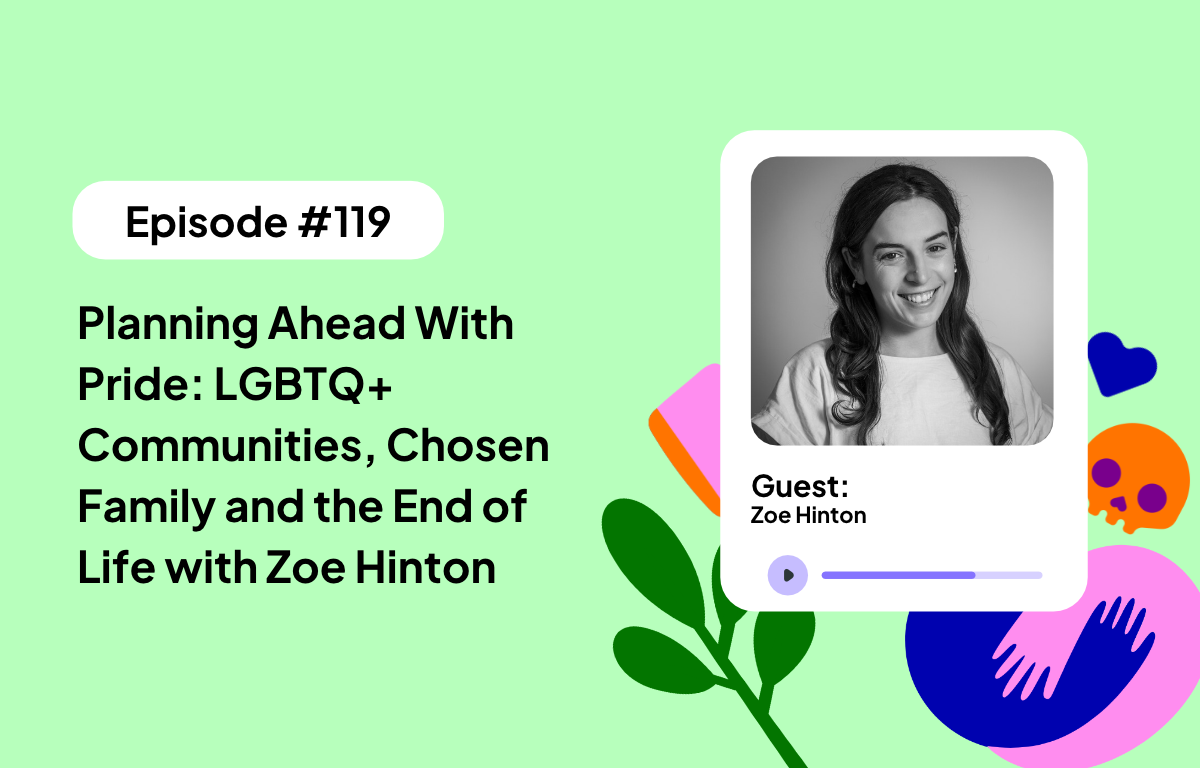
Zoe Hinton: But that was kind of the real light bulb moment where I was like, "Oh my God, I didn't know that we could, approach death this way, that we could talk about it, I didn't know all the kind of nitty-gritty bits about, you know, certain funeral monopolies that exist and, the difference of having holistic care and things like that."
Zoe Hinton: So, it was a real, yeah, kind of moment of, "Oh, I know that this is the area that I want to be in." yeah, queerness was illegal, right?
Zoe Hinton: So it's, it's sort of no wonder that, it is still quite common to not, necessarily be out, about a partner. But then, you know, the partner dies, you aren't legally recognized anywhere as a partner. You don't have access to, You know, the kind of, their superannuation, for example, if there's no, kind of history of you being there.
Zoe Hinton: Then there can be family of origin who perhaps the, the partner wasn't in contact with for, years and years, who then do have more of a legal right, to come around. And I think, I think one of the things that I really try to emphasize in this work is
Zoe Hinton: that [00:01:00] we are really fortunate to have the same legal rights, in Australia, which was, you know, really hard fought for.
Zoe Hinton: But unless all of those I's are dotted and the T's are crossed, it, it kind of slips through the cracks. So, yeah, people who just haven't done the paperwork and then find themselves sort of shut out, we have the idea that ritual can only be one way. And especially when we're in those moments of, like, someone's died, I just feel so paralyzed, and I don't know what to do with it.
Zoe Hinton: You can think, "Oh, the funeral is the ritual," and that's just because that's the thing that we always do. And I think I'd really encourage people to think, get some friends together, have a dance, light a candle, think of that person. You can, write something beautiful and burn it.
Zoe Hinton: You can do anything that you feel, can create that kind of, connection with the person who's died because that, that relationship
Zoe Hinton: still lives [00:02:00] on, and, you have any ability to, yeah, move through that grief, in a way that you feel represents them as well.
Speaker: Welcome to Don't Be Caught Dead, a podcast encouraging open conversations about dying and the death of a loved one. I'm your host, Kathryn Ashton, founder of Critical Info, and I'm helping to bring your stories of death back to life. Because while you may not be ready to die, at least you can be prepared
Speaker: Don't Be Caught Dead acknowledges the lands of the Kulin Nations and recognizes their connection to land, sea, and community. We pay our respects to their elders past, present, and emerging, and extend that respect to all Aboriginal and Torres Strait Islander and First Nation peoples around the globe
Zoe Hinton:
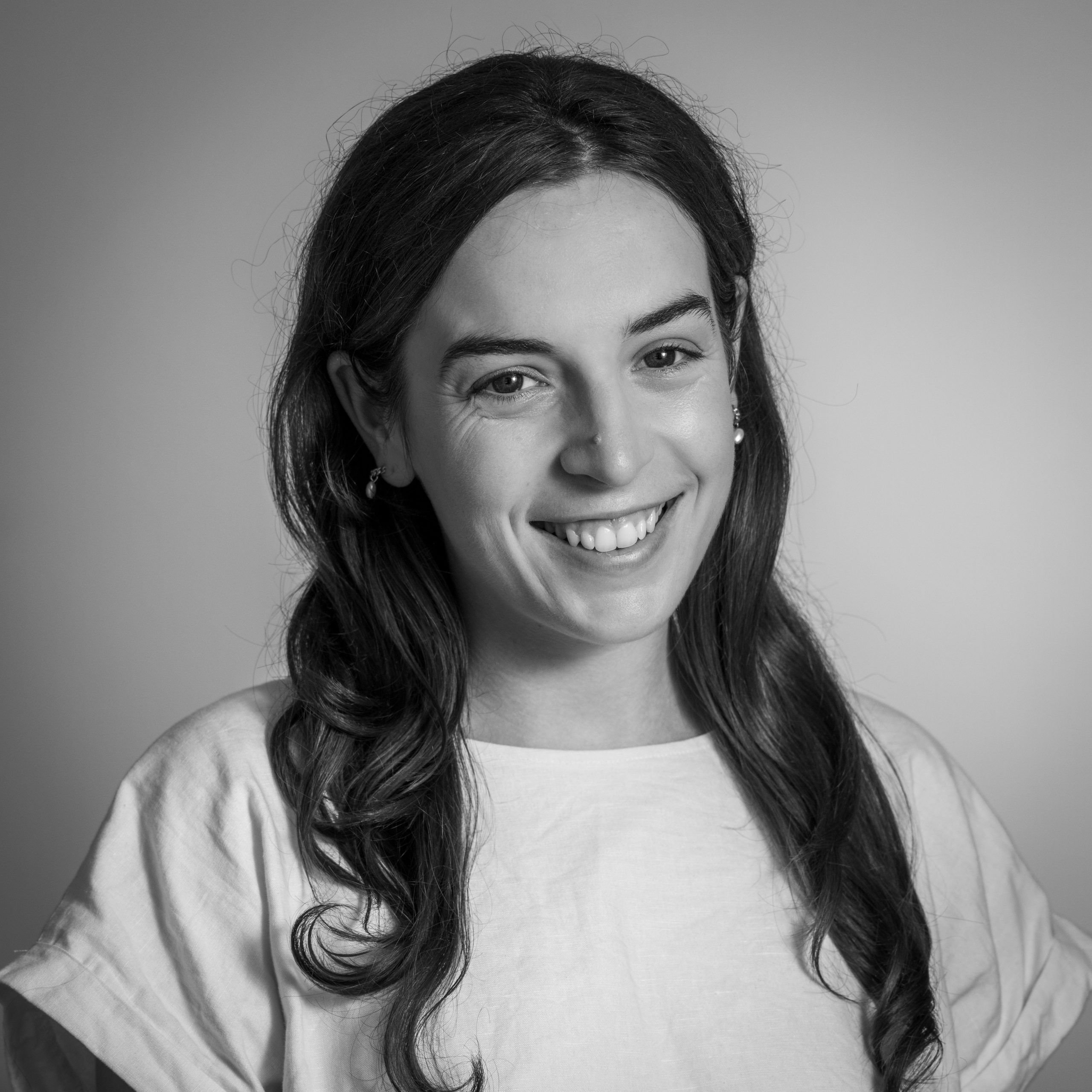
Catherine Ashton: Today I'm speaking with Zoe Hinton. Zoe is ACON's Community Health Promotion Officer for end of life and palliative care, working within the LOVE Project, [00:03:00] which is the acronym for Living Older Visibly and Engaged, ACON's initiative supporting older LGBTQ+ people to stay socially connected, visibly engaged in the community, as part of this work, Zoe helps deliver ACON's toolkit for palliative care and end-of-life decisions, supporting LGBTQ+ people and their loved ones to navigate advanced care planning, palliative care, grief, and end-of-life choices through a lens that reflects who they are and who they love. Zoe brings a close understanding of the barriers LGBTQ+ people can face at the end of life, from services that don't recognize chosen family to the fear many older people carry of being forced back into the closet in aged care. work at ACON is about making sure death, dying, and grief conversations within the LGBTQ+ [00:04:00] community happen with visibility, dignity, and care, and the people can plan ahead on their own terms rather than in a crisis. Thank you so much for being with us today, Zoe.
Zoe Hinton: Thank you so much for having me. I'm looking forward to chatting
Catherine Ashton: So tell us a little bit about, how you started working with ACON and, and what made you focus around palliative care end of life planning?
Zoe Hinton: Yeah. Well, I, I kind of chose the, palliative care end of life planning, before I chose the ACON, I suppose. I was involved in disability care in my past and then, a moment of, corporate recruitment, which, you know, we moved away from. I went and joined, got my master's of social work, and when I did that, it was very much because I knew that I wanted to be a social worker, but I didn't quite know the area.
Zoe Hinton: And then, yeah, we, we had a subject which involved actually visiting this fantastic, independent funeral home, [00:05:00] called Life Rights that are really big in the kind of holistic death space and the, the queer death space as well, who we're, we're really lucky to... I work very closely with them now.
Zoe Hinton: But that was kind of the real light bulb moment where I was like, "Oh my God, I didn't know that we could, approach death this way, that we could talk about it, that, I didn't know all the kind of nitty-gritty bits about, you know, certain funeral monopolies that exist and, and, the difference of having holistic care and things like that."
Zoe Hinton: So, it was a real, yeah, kind of moment of, "Oh, I know that this is the area that I want to be in." And then essentially when I finished my, master's, it was just at the time that, ACON was advertising this position, and I think also for a lot of, queer people in, in, New South Wales anyway, ACON's a bit of a, like- you'd wanna work at ACON often.
Zoe Hinton: And so I saw this role coming out, which was funded because of the, New South Wales Health, funding that went out for, for palliative care, to a bunch of organizations. And [00:06:00] I thought, "Oh my God, I've, I've absolutely g- absolutely got to do this." So even though I kind of started off with just knowing that I want to work in palliative care in, in any way, shape, or form, I've had huge appreciation in my time here for, really understanding kind of the nuances, I guess the differences that, our LGBTQ+ community has in accessing palliative care, or even just the kind of, conversations that we should be having.
Zoe Hinton: I think there's kind of this assumption that I had as well of, you know, well, We're all the same when we die, right? We all, reach that end of life journey. But, understanding, all right, well, what are some of the differences? It's not that, one community, necessarily needs different, medicines, although that can be a part of it, especially for our, community members living with HIV, for example.
Zoe Hinton: what does trauma-informed care look like? What are the little, legal tips or paperwork things that we need to be extra aware of? Why, is our community maybe not accessing, palliative care early, or what are some [00:07:00] strengths that we have as well?
Zoe Hinton: my role's here to sort of, be able to, I guess, bridge some of those, barriers that, that the LGBTQ+ community might have with accessing palliative care. But also thinking, well, what strengths are we bringing to this, and, and what strengths are community members bringing in their end of life choices as well?
Catherine Ashton: It'd be great if you could actually talk through some of the nuances around access
Zoe Hinton: I'm the only person at ACON, working in this space. While we don't have capacity to kind of be, we're not kind of having clients who are accessing palliative care necessarily, it's sort of that health awareness, and health promotion, I guess, in being able to spread, the health information to community members kind of as a preventative, mode of care, I guess.
Zoe Hinton: Some of the, the barriers that there are or those nuances to access is, a big one is kind of what our family structures look like, and what this has sort of involved in accessing palliative care. [00:08:00] So, I guess some of the, obvious ones are, you know, are people, and this is a pretty round-the-board experience actually to community members I talk to, is are you calling up, or having conversations with your doctor and automatically asked, you know, what, what does your husband, what does your wife think of this?
Zoe Hinton: And the assumption of, having an opposite sex partner. But there's also things like, you know, chosen family is a really big, kind of focus in our community and has been, you know, in the early days of our community accessing their own palliative care when, you know, perhaps it wasn't given as, as freely.
Zoe Hinton: I'm thinking kind of specifically in the AIDS crisis. So chosen family is a term that, is particularly used in the LGBTQ+ community to describe, people who are your family by choice. And, and I think, lots of us, you know, in the general Australian population as well can kind of relate to that.
Zoe Hinton: We, we maybe have a best friend who, who, yeah, of course, they're my family member as well. Um, but that term chosen family has really emerged from, [00:09:00] often people, have been rejected by their family of origins. They might, have experienced abuse or, yeah, had to flee for their own safety. And those people that become your family are the people who, you know, will show up and, and support you.
Zoe Hinton: And, and those are often, They can be, yeah, friends, lovers, ex-lovers as well. I think that's sort of an interesting, one that our mainstream society doesn't assume accesses palliative care with us, but I think you talk to, any person in the, the LGBTQ+ community, and there's, there's an ex that's a really good friend you'd want involved, you know?
Zoe Hinton: is how we're operating in systems that are heteronormative and, monogamous normative, et cetera. our legal structures, our paperwork of- you know, superannuation and things like that, that is operating in a assumption that you have one partner who you're likely married to, who's likely the opposite sex, and you have children who are your dependents.
Zoe Hinton: And so because we're working in these, systems and paperworks and [00:10:00] things like that that sort of don't put, our family structures or our chosen family structures at the forefront, then there can be little things that, I guess disadvantage people that, that you may not realize, until you're sort of in that situation
Catherine Ashton: How common is it, Zoe, that you speak to people that find themselves exactly in those situations because they just weren't aware?
Zoe Hinton: Oh, it's really common. So part of my work with the, Love Project, which is run by my wonderful manager, Russ, and we have a monthly, kind of social gathering, at our ACON office on, on Gadigal land, that, all the community members come and, and frequent and, you know, can get a coffee and have a yarn and everything.
Zoe Hinton: And so I have some, some friendships in, that, yeah, in that, kind of sphere. And yeah, you, you hear from people, it, it's really common, and I think even if you don't know someone, yourself, you, you all kind of know a story in community that, I'm, I'm thinking of, a particular [00:11:00] community member who was active in ACON, you know, had a partner for, 20 years or so.
Zoe Hinton: You know, for different kind of circumstances they weren't kind of out about that person being a partner, and that's also really common. And can be more common in our older community as well. You know, I think it's important to remember that, it was really only recently until, like in, in a lot of, community members' lifetimes that, kind of being gay or, or, yeah, queerness was illegal, right?
Zoe Hinton: So it's, it's sort of no wonder that, it is still quite common to not, necessarily be out, about a partner. But then, you know, the partner dies, you aren't legally recognized anywhere as a partner. You don't have access to, You know, the kind of, their superannuation, for example, if there's no, kind of history of you being there.
Zoe Hinton: Then there can be family of origin who perhaps the, the partner wasn't in contact with for, years and years, who then do have more of a [00:12:00] legal right, to come around. And I think, I think one of the things that I really try to emphasize in this work is that we are really fortunate to have the same legal rights, in Australia, which was, you know, really hard fought for.
Zoe Hinton: But unless all of those I's are dotted and the T's are crossed, it, it kind of slips through the cracks. So, yeah, people who just haven't done the paperwork and then find themselves sort of shut out, perhaps the house that they've been living in, but hasn't necessarily sort of, been all formally documented and things can, yeah, kind of, come up with really bad, sort of, consequences.
Zoe Hinton: I- I'm also sort of thinking of the, idea of funerals as well, which is quite a, common issue that we see in our community as well, is when someone passes away, are... is their funeral reflective of them? And, you know, we kind of, I think maybe a lot of us might have the, the attitude of, "Oh, [00:13:00] well, you know, do what you want at my funeral."
Zoe Hinton: I know when I talk to, my parents, they always say, "Well, it's not for me. Do whatever you want. I'll be dead. I don't really mind." But it can be really harmful for, your loved ones and the ones left behind, when they attend those funerals and, the person they love is being misgendered perhaps.
Zoe Hinton: They're a, a trans person and then the, the funeral comes along and, their family of origin is directing and you're, you're watching this person you love be misgendered and represented in a way that you know isn't kind of true to them. Or having people excluded from the funeral as well. It's, it's, a story that we've heard really frequently that, older community members will kind of attend, but, their partner of 20 years' funeral, but if they weren't necessarily out, there's a real disenfranchised grief there as well, which comes across.
Zoe Hinton: So yeah, tho- those stories are vary in detail, but it- it's pretty, uh... you do hear about it pretty commonly
Catherine Ashton: [00:14:00] So how do you help people make sure that the I's are dotted and the T's are crossed when it comes to the paperwork?
Zoe Hinton: Yeah, it's... So we have... My, my first reaction to say is, it can be a bit tricky. Like, I know even, even me, who's, paid to, to kind of do this work, I, I see the, the kind of information fact sheets about, your superannuation or your will or your power of attorney, and you just think, "Holy dooley, that is a lot to think about right now."
Zoe Hinton: And if I'm not kind of feeling like it's, immediate, then it's a very easy thing to procrastinate. So, um, I always think it's important for me to give that disclaimer, um, because, you know, it, it's been a few years of doing this job, and, um, my paperwork is also still not exactly where it should be. So , but we do run, online events.
Zoe Hinton: My role is to, put on events to promote the, Taking Control toolkit that we have. [00:15:00] So this toolkit is our, online, fact sheet, that answers all the different things about, what palliative care may look like, what you have rights for, paperwork to get onto, et cetera.
Zoe Hinton: And then, we'll do a number, of events throughout the year to promote this and to also specifically look at different topics. So I've been, hosting online legal workshops. We've partnered with, Seniors Rights Service and a, legal firm that's well known to us called Dowsett Turco, and they can help, lead people through the crash course, of, what to do, with legal rights.
Zoe Hinton: We've partnered with Advance Care Planning Australia to, host a similar online advance care planning workshop. We also do these, kind of in-person workshops. So I'll, um, host grief and bereavement workshops. Um, but also, and I think maybe slightly more, um, relevant to the question, um, I've hosted a number of, death cafes, across New South Wales, [00:16:00] which kind of come with the aim to allow people to kind of gently chat about, all things death and dying.
Zoe Hinton: and that can be a really good, effective time gently lay those grounds, and, and give people the resources and things like that.
Zoe Hinton: So we do try to, make people aware of the kind of issues and, and- There is a very important, piece for all Australians to do, you know, things like your advanced care directive, things like your wills and, your power of attorney and everything. But being able to kind of make those community-specific, information, you know, examples or case studies that make people go, "Oh, yeah, I'm in that story.
Zoe Hinton: I, I can see where, I could be burned if I don't, get onto this now."
Catherine Ashton: And it's interesting when you say about the community stories, which I think is essential m- most people when you fill out an advance care directive, you may be doing it with your local GP who may not be [00:17:00] aware of what those subtleties are when it comes to what your wishes might be because obviously it's, it's looking at things from a medical perspective. So what are some of the things that, you, you talk about with people about, the importance of documenting that are outside maybe that, that medical framework?
Zoe Hinton: And it is an interesting one that we've been having a lot of discussions with because, even when we've done the sort of advanced care planning workshop, with our-- the wonderful team in Queensland, a lot of people come back with like, well, it's, it's a-- it can be quite vague to document all of the kind of specificities and things, can't it?
Zoe Hinton: It's at once quite a heavy process in contemplating what can be involved. But similarly, I know when I've been looking at, the advanced care directive worksheet, you kind of think, "Well, I might agree with this in some ways, but it's all very contextual and things like that." So we [00:18:00] do kind of come with that, look, we know it's not necessarily, just going to be reflect on the documents, but really emphasizing the importance, of the documents and the assistance that these wonderful organizations, like Advance Care Planning Australia have.
Zoe Hinton: They have their, helpline where people can kind of chat through some of those things, with, you know, trained volunteers. we also really emphasize the idea of why it's so important to talk to your family and friends, about issues like this, right?
Catherine Ashton: Your time, Zoe.
Zoe Hinton: I guess one way encouraging people that it's not just, about filling in the paperwork and then it's one and done. We really try to emphasize the point that all of these to a more or less extent are living documents, right? They can be edited and changed and, reflected to show where you are right now.
Zoe Hinton: And, there's that piece which is so important, but there's also, when we think [00:19:00] about, who we would appoint to make decisions for us, when, if we go to hospital and we don't have capacity, it's all well and good saying that, but, have you had conversations with that person?
Zoe Hinton: Can you trust that they also know, um, what to do there? So we kind of really emphasize, and I think that's the beauty of having those death conversations and the death cafes that we host, is showing people that talking about death and dying isn't this kind of like taboo, scary thing that, that we've kind of been led to believe it is.
Zoe Hinton: And so, you know, I always end those sessions by saying, "Okay, like you, you've been trained up. You can now be the sort of person to go into your friendship group or your next social thing and, and, or even just that one person that you know is going to be making decisions for you and say, 'Hey, if this situation came up, this is what I would like or not like.'"
Zoe Hinton: I think really emphasizing that documentation is important, but documentation isn't just the [00:20:00] paperwork. It's also keeping people aware of, your wishes and preferences as an act, not just for yourself, but for them as well in those crisis scenarios.
Catherine Ashton: That's very good advice. And tell me, the Taking Control co- toolkit that you mentioned previously, that is available on your website?
Zoe Hinton: So it's on our ACON website. So when you go to the ACON website, we have, the, main screen, and then, when it says what we're here for, you can go on to palliative care support. So that takes you through, all things like the basic definitions, your kind of real, basic what's involved and things, and then, links other, community groups or, helplines, organizations that, can be, good to link in with.
Zoe Hinton: Um, and they also go through some stories. So that was done in consultation, with community members as well, and quite a, in-depth, consultation. So there's some beautiful kind of tidbits and words from, our older LGBTQ plus community [00:21:00] members, talking about their experience accessing it and, and things like that.
Zoe Hinton: So yes, it is on the website, and we really encourage people to, check that out, but to also check out the different people that we've linked in with. You know, Palliative Care New South Wales does, fantastic work, as does Palliative Care across, Australia, Advance Care Planning, places like that
Catherine Ashton: Tell me a little bit about The Love Project itself
Zoe Hinton: Yeah, the Love Project is fantastic. And yeah, Russ Goulet is, has been running it, fantastically. It- it's been going, I want to say 12 years now. So the... I guess kind of useful to give ACON's history as well. ACON, began, 40 years ago during, as a direct community response to the HIV, AIDS crisis.
Zoe Hinton: And then the Love Project came about, you know, it started specifically looking at that HIV response. But we've since, expanded to a number of different kind of works, as well, and we try to engage the, the huge breadth [00:22:00] of, of healthcare, necessary for our community as well. The Love Project then kind of was a specific response to s- you know, answering that our community members are getting older.
Zoe Hinton: Being able to kind of directly talk about, well, what are some of those specific issues, and also address some of that social isolation. I think it's a, an extremely common story, especially with our older community members where, you maybe haven't been necessarily super, in contact with community, there can be people especially living, regionally or rurally, you may have a partner, that is your sort of community contact, and then if your partner passes away, there can be real intense isolation both from losing your partner of course, but also from that, "Do I share my grief if it then means coming out when I may not be comfortable?"
Zoe Hinton: Things like that. So, our Love Project aims to do a huge array of work from health promotion around, healthy aging information, what that [00:23:00] looks like for people living with HIV, what it looks like for, older women, what it looks like for older trans people. A- and also kind of, yeah, just link in that sort of social connection as well.
Zoe Hinton: So, some wonderful events that have been happening across New South Wales is, our Afternoon Delight, event, which is a free movie screening with a bunch of, short films. And that's been great. It brings together, hundreds of community members in those specific areas that we run it in.
Zoe Hinton: it's a really nice opportunity to be able to, say, "Hey, we're ACON. You may not have engaged with us in the past and, you know, this is what we can do." So the Love Project is doing amazing work. They've recently been involved with, Dementia Australia as well to make, resources like that.
Zoe Hinton: So it really is the first place we, hope anyway, for our older LGBTQ+ community members to, get healthy inf- aging information as well as that, kind of social connection as well.
Catherine Ashton: We mentioned in the intro [00:24:00] about the fears around aged care when it comes to the community, and whether there's a possibility of actually being forced back into the closet in that, that sense. Can you talk us through a little bit about those concerns that you've heard?
Zoe Hinton: Yeah, absolutely. And again, it's, You know, the, the most common thing we hear, we-- In my, kind of, team, I also am with the, ACVS team, which stands for the Aged Care Volunteer Visitors Scheme, and our, community service network as well. And that's where volunteers go out and visit, isolated older LGBTQ plus people.
Zoe Hinton: And yeah, it, it's just a really common story. Though that team, the ACVS team, will frequently get in contact with, aged care homes across New South Wales and say, you know, "Do you have someone, in the community who would like a volunteer from community? It's a great initiative." And, you know, we, we hear the same thing again, which is, "That sounds like a great initiative.
Zoe Hinton: We don't have anyone at our, residential aged care that [00:25:00] is part of the community." And we all think, as queer people, we go, "Well, we know that's not true, I mean, we make up, ten percent of the population. and, of course there are people there, but you, you go in and, you don't feel safe to come out, and that can be for a variety of reasons.
Zoe Hinton: It can be, from maybe not necessarily trusting that you'll get the best care from staff. There, is an extremely high turnover of staff in, aged care homes as well, and this is something that we've, talked about with the wonderful staff members there as well. But there can sometimes be difficulty in getting that kind of, training or, or getting that training really embedded, in different aged care homes.
Zoe Hinton: And it can also be, you know, that fear of my-- especially again for our trans community, do they know how to necessarily take care of my body? Will I be ex-experiencing more discrimination, if I am out to people? But then there's also the fear of, you know, coming out to, your kind of fellow, residents as well.
Zoe Hinton: I think we kind of all [00:26:00] know from, listening to, the brave, Australians who come out and talk about conditions in aged care home, we know that it can already be a really isolating place. And so you kind of have no guarantee that the people that you're going to be surrounded by, perhaps they've grown up and, think that they've never met a queer person and maybe, have some of those, harmful stereotypes, that haven't been challenged yet, you know?
Zoe Hinton: And so there's-- it's really common that you kind of think, "Well, I'm already feeling terrified to enter residential aged care for all of the reasons we kind of know exist. I don't want to be the outcast, and I don't want to be the person who's going to, experience even more troubles when I'm in there."
Zoe Hinton: It's really- Common, and we hear community members, just say flat out, you know, "I, I won't be entering into care," as well, which we know sometimes we can't help. So it is something that we're really trying to work on. I think it's a really, interesting direction, and I know that ACON is really dedicated, not [00:27:00] just our Love Project team but, we really know that that's kind of a growing, percentage as well, especially when we think, you know, our kind of initial advocates like the 78ers are, kind of in that age group to be entering into aged care.
Zoe Hinton: I think we all think our rights are on the shoulders of those really amazing activists. we need to do our bit as well and really recognize that, there can be a lot of danger in coming out in aged care. And so how can we help that?
Catherine Ashton: And how can we, Zoe?
Zoe Hinton: I think a lot of it is about the general kind of education, and I think I'm trying to, to work out how to say this in, the, like, palatable sort of, activism sense. But I think, it wouldn't surprise a lot of us, I think, when I say that, we're living in a pretty scary time in the world. I think a lot of us are feeling it.
Zoe Hinton: But I know that a lot of [00:28:00] our, LGBTQ+ community are feeling it as well. Trans people have been used as a political scapegoat for people, in a way that is incredibly dangerous and, and harmful for them. I think a lot of our community members know that, there's something quite frightening in the air at points.
Zoe Hinton: Um, and you know, even, um, things that we've sort of maybe taken for granted for a while, um, are sort of feeling frightening, I guess. Um, so I think it is a kind of lesson in the broader, we really need, community solidarity across Australia to really, understand that these, you know, these kind of political messages that have been coming out, are not acceptable.
Zoe Hinton: And that our LGBTQ+ community is, you know, part of our wonderful community. They're our, they're our, you know, siblings. They're our, our children. They're our friends. They're [00:29:00] our colleagues. So I, I think one point of that is really recognizing the, unified solidarity that we all have as Australians to kind of stand up when something's wrong and, and to be able to sort of, challenge those opinions and things if and when we hear them.
Zoe Hinton: And then that sort of, the hope that that osmosis, sort of happens to, to all aspects of our lives, not just residential aged care, but, you know, to, to the hospitals that we're accessing, to even grocery shopping. So I, I think that's kind of one key point is, is, really listening and really resisting, some of the, the messages of hate that we're being fed globally, as well as in Australia about our, LGBTQ+ community.
Zoe Hinton: But I also think, yeah, there's, there's something about, kind of questioning, you know, even as an ally, if you are, you know, maybe have parents going into residential aged care and you're already having those discussions, asking the question. You know, you'd probably ask, "What's the, the way you [00:30:00] handle complaints, and what's this, and what's that?"
Zoe Hinton: just dropping the question in there of, "Do you have a, LGBTQ+ safety policy specifically or, you know, is there training that staff do, Yes, specifically to support these communities, I think is a really big one,
Zoe Hinton: I think there's something about the shared, recognizing that it's a scary moment for a lot of us, in the world, you know, as, as just human beings, and so resisting those messages of, scapegoating or, or just, yeah, messages that, that, try to drive us apart from our shared connection
Catherine Ashton: I love the fact that you talk about asking that question about what their policies are what their safeguards around, the community within the workplace and within the aged care, organization. I think that that is a really good place where we can all help being a good ally by asking those questions and raising the importance of those organizations having those policies and that staff training in place.
Catherine Ashton: we haven't really touched about palliative care [00:31:00] so much, so we've talked about advanced care planning. Where have you seen perhaps some misconceptions around palliative care within the community with the conversations you've been having?
Zoe Hinton: I think it's a pretty shared misconception, amidst, the kind of a broader Australian population about, what is palliative care. And I think there's still that, sort of misconception that palliative care is something that you are linked in with when you have a month left to live, after having a very long and, and drawn-out, kind of, illness.
Zoe Hinton: And yes, that's-- that, is also when you should be accessing palliative care. But I think a lot of people are surprised to hear that you're allowed to access palliative care and get a support team, and access that for years, you know? Or you're allowed to access it and then get better, and then not access it anymore.
Zoe Hinton: Like it, it's not necessarily, you know, the, [00:32:00] the medical team giving up on you or saying, that you're, you know, moments away from dying. So we kind of do try to, change that.
Zoe Hinton: and you hear that there's also kind of a problem with that early referral, and so I think that that, education for, wonderful medical teams as well is really important. But I kind of try to say, you know, your relationship with your doctor, even, you know, just GP, is a, a shared relationship.
Zoe Hinton: Like you can bring up and say, "Hey, is this something that I'd love to get, you know, a physiotherapist involved," or, "I'm, I'm-- would like to experience a bit more comfort in my day-to-day life. Is this something that I can get linked in with the palliative care team about?" So yeah, something that we try to say to change that kind of, misconception that I think a lot of us do have, is sort of saying, "Well, have the conversation about it," you know?
Zoe Hinton: maybe your doctor says, "Oh, to be honest, no, the palliative care team, you know, [00:33:00] is not needed at this time. You just need some antibiotics" and that's also great, you know? But, being able to kind of raise it and have that discussion, I think is really important. and sort of I think, something that I'm struck by in all of the, attendances at conferences or, talking to community organizations and, even clinicians as well that I've chatted to is what a fantastic space, so much palliative care is.
Zoe Hinton: I think that it's surrounded by awesome, awesome people who, have this, you know, a really unique view of the world world who understand the importance of allied health and, and things like that. And so I, I kind of think that we're... And, you know, I kind of don't know if I should give the disclaimer of like I, I know that not everyone experiences that in palliative care.
Zoe Hinton: But, also trying to say to people like loads of palliative care clinicians I talk to, understand the importance of social workers and, would be more than happy with, you know, clients linking in with a social worker to [00:34:00] kind of say, "Hey, this is, part of my gender expression. I, I want this to be, a chief part of my care."
Zoe Hinton: And so also trying to get that message of like, a lot of people want to do the right thing, right? And a lot of people, want to make your, your care, if you're in hospital or at home or whatever, really great. But sometimes they may not have the knowledge of how to do that. So, yeah, having that conversation with people that you trust, and I think that also brings up the importance of, for hospitals or, or medical practices as well, those small visual signifiers that you are a safe person to talk to.
Zoe Hinton: Like, I always encourage, you know, a, a little rainbow pin or whatever on your lanyard, like, does go a long way for, for queer people to kind of say, "Okay, if I, if I, I feel like this person has a basic understanding of, you know, accepting me." So yeah, that, that's sort of a mixed, response. But the, yeah, the misconception that we can't access palliative care until, everyone's sort of washed our hands of us, is not at [00:35:00] all true.
Catherine Ashton: So it really highlights the importance, of those documents in making sure that we have those in place so we can't speak for ourselves, we've appointed someone who can speak on our behalf. And you've talked about advanced care directives, wills. So when we look at the role of someone dies and we're wanting to honor them in their funeral, obviously that sits with the executor who's outlined in the will. Where have you seen people being able to use ritual, to celebrate that person that they know personally that may not be the one that's reflected official funeral put on by the biological family?
Zoe Hinton: and it is something that we kind of talk about as well, is, you can have a funeral service for someone that you [00:36:00] love who, you know, you, you don't need to legally register or whatever, that you are going to create a ritual. And it's something that I think the, rainbow community is really great at.
Zoe Hinton: I think that we are no strangers to having a party, to, you know, commemorate people with. And I, I think, you know, and I, I even kind of get a bit emotional thinking about it, but, you know, you, you think about, the, the, all of the people who died through, the AIDS crisis and the, blankets that were, sort of made, by community members as commemoration.
Zoe Hinton: Um, so for, um, yeah, those who may not know, when, someone would pass away, um, during that terrible time, um, it was, community members who'd come together and stitch, like a blanket with their name and, these beautiful artworks, that you can look up. So I think something like that is a perfect example.
Zoe Hinton: Those were loved ones and friends who, died so [00:37:00] tragically, who sometimes weren't, talked about in their entirety in their funerals, and who were, horrifically neglected in many ways by, policy, and there was that real disenfranchised grief. And what happened was loved ones came together, and that idea of a shared kind of you'd stitch together, you'd be, making art together while you cried, while you listened to some music.
Zoe Hinton: I think things like that are really, really important. And I think it comes back to, like you said, um, that idea of ritual. I think a lot of us, um- Need, I think ritual is a really, really important way in moving through grief, and I think that we have the idea that ritual can only be one way. And especially when we're in those moments of, like, someone's died, I just feel so paralyzed, and I don't know what to do with it.
Zoe Hinton: You can think, "Oh, the funeral is the ritual," and that's just because that's the thing that we always do. And I think I'd really encourage people to think, get some friends together, have a dance, light a [00:38:00] candle, think of that person. You can, write something beautiful and burn it.
Zoe Hinton: You can do anything that you feel, can create that kind of, connection with the person who's died because that, that relationship still lives on, and, you have any ability to, yeah, move through that grief, in a way that you feel represents them as well.
Zoe Hinton: I would encourage people who perhaps go to a funeral and, and feel a bit funny walking out, with, you know, some things that were said or not feeling as involved or whatever, and, it's a really beautiful and important part of, grief, I think to, to be able to do that yourself.
Catherine Ashton: And just expanding on grief, and you've talked about disenfranchised grief, and also anticipatory grief that, that comes with a lot of the, the-- after you've been diagnosed with a, a life-limiting illness. How can we support [00:39:00] ourselves in that?
Zoe Hinton: It's It's a very-- I often find that when we talk about, supporting ourselves in grief and, you know, sometimes you look up the sort of, the health information or whatever, and, it, it's the go for a walk, make sure you're eating enough, make sure you're, you know, staying socially connected and things.
Zoe Hinton: And I think for any of us who've experienced grief, we probably think yeah, well, when I, I was in that intense grieving process, I maybe read that and went- Yeah ... I don't have capacity to be acting like a perfect human at this point. So I think that one big part of grief is recognizing that it just so dramatically alters you and, and you are a new person from it, right?
Zoe Hinton: You are a new person having to, navigate this world without, this physical relationship that you had with someone, and [00:40:00] that's big. So on, on one part of, navigating grief, I, I think it is important to say go for walks and recognize that even if you're not feeling hungry, it is important to keep your strength up because it's a big process that you're doing, and to keep connected to community and things like that.
Zoe Hinton: But I also want to kind of give the, the off-script answer of that does look different from everyone. And again, thinking of the queer community specifically, we are big ones for letting it out on the dance floor and the, you know, pamphlets that you'll sometimes see saying, "Don't, don't drink or use drugs or whatever, and, in this time."
Zoe Hinton: and yes, that can be a thing that, can make our grief feel more intense and perhaps in a, way that doesn't serve us. But I think recognizing like, do what you need to do to move through that grief, whether that's partying and dancing through the grief, whether that's creating your own ritual, whether that's just saying, [00:41:00] I, you know, I can't quite deal with this in, the way that the, grief pamphlet says.
Zoe Hinton: But I also really think remembering to bring people into that as well when you can. I think loads of people want to be there and to support and help you, when you're grieving. And I think we probably, all know the feeling of seeing someone in grief and kind of going, "Oh, is there anything I can do to help?"
Zoe Hinton: And I think also, like, remembering that there are usually so many people who would want to hold space for that. And I think it also calls on us, As people when we're not in grief to remember if you know someone who's going through that, you know, hold that space, don't expect things to be perfect, don't expect them to be packaging up their answer in a neat way, or getting over it in five stages, which we all know is not accurate now.
Zoe Hinton: Which I think represents grief, right? [00:42:00] How can we, just say in a succinct, three-minute soundbite how to, you know, go through it? It's messy, and it sucks, you know? And it's okay that that's the case. No one's expecting you to be, no one should be expecting you to be your normal put-together self.
Zoe Hinton: You are a person changed completely and new
Catherine Ashton: I think that's so true that you are a person changed once you've actually had someone close to you die.
Zoe Hinton: Mm.
Catherine Ashton: thank you enough for spending time with us today, Zoe. I've really appreciated our chat. Thank you so much
Zoe Hinton: Awesome. Thank you so much
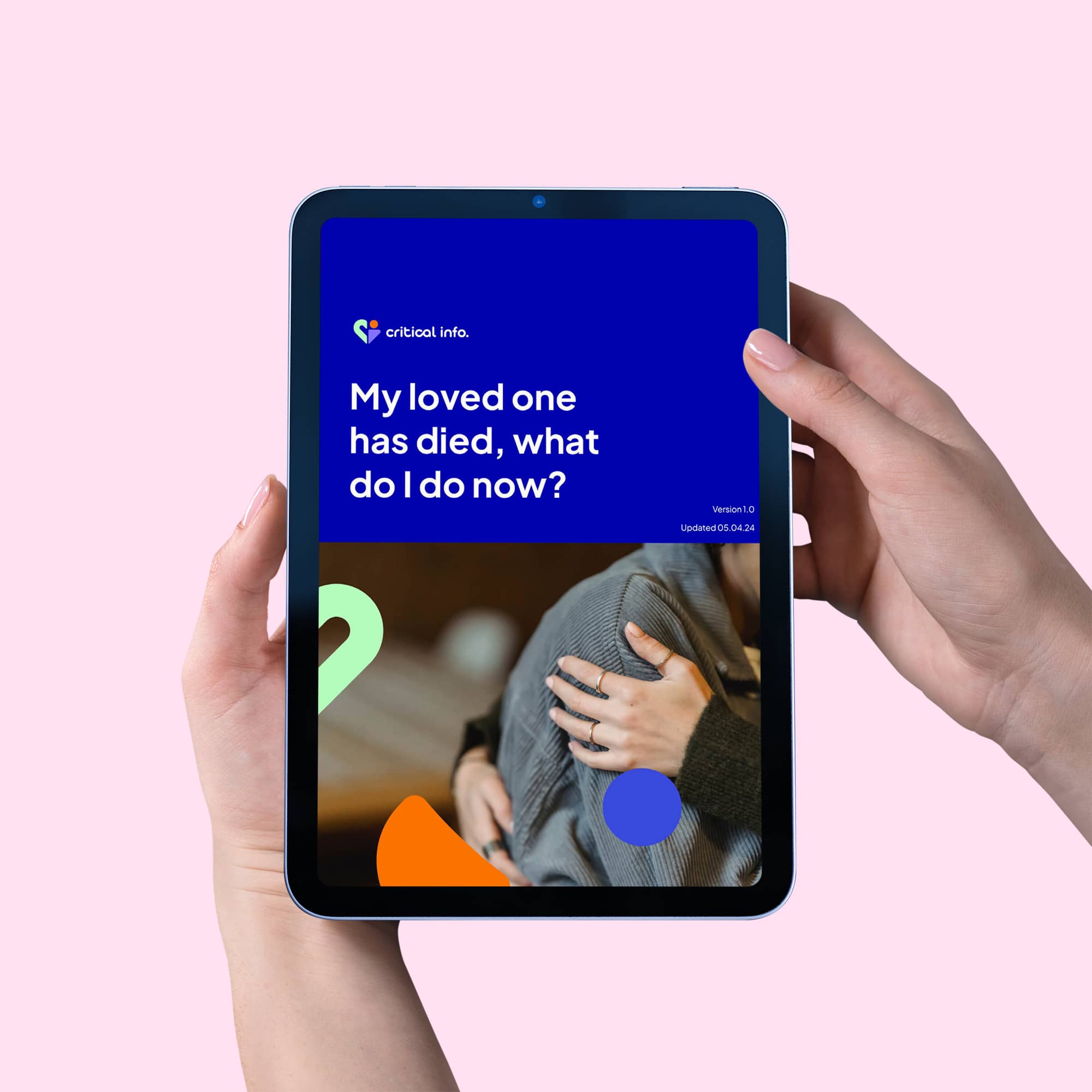
Speaker 6: We hope today's conversation gave you something to think about. If it brought something to mind that you haven't organized yet, talked about, or decided on, don't try to do everything at once. Start with one simple step. We've created a free three-minute critical info check to help you see what you've already got covered and what your next step could be [00:43:00] And if this episode has brought up feelings for you of grief, loss, or bereavement, please note that you don't have to navigate that alone.
Speaker 6: We have an after-death guide to support you, and you can find grief and bereavement support organizations through the Critical Info Resource Hub. The links are in the show notes. And remember, you may not be ready to die, but at least you can be prepared
Speaker 6: What if something happened tomorrow? A sudden hospital stay, an accident on an overseas trip, or something happening to someone you love. Do you know where the important documents are kept? Can someone speak for you when you can't? Do you know your loved one's wishes? You don't need to organize everything today.
Speaker 6: Take our free three-minute Critical Info Check. It helps you see what you've already got [00:44:00] covered and what your next step could be. Three minutes, one next step. The link is in the show notes. Critical Info is your backup plan for life's unexpected moments. If someone came to mind while you were listening to this episode, why don't you send it to them?
Speaker 6: Sometimes the easiest way to start a difficult conversation is to actually start with someone else's story.