



HRT Until You Die: Thy O’Donell on Trans and Gender Diverse End-of-Life Care



Listen now
About this episode
“What’s your pain scale?” “A nine.” “Okay, miss.” “No. Mister.”
In this episode, I’m speaking with Thy O’Donell, a PhD researcher at the Australian National University in Canberra. Thy’s research explores end-of-life and palliative care for trans and gender diverse people, looking at how gender affirming care can extend into hospitals and hospices. The study has ethics approval through ACT Health’s Human Research Ethics Committee, ANU’s Human Research Ethics Committee, and ACON.
Thy’s interest in this space is personal as well as academic. As a trans man who has navigated Canberra’s medical institutions, he brings firsthand experience of how institutional culture can shape whether someone feels safe and respected in the settings where end-of-life care is delivered.
We talk about what it really means to stay on hormone replacement therapy until the day you die, why advance care directives and wills matter just as much for younger people and trans people as for anyone else, and the courage it takes to self-advocate in a healthcare system that isn’t always built with you in mind. Thy also shares the story of a difficult experience in a Catholic hospital emergency department, the role of chosen family in end-of-life decisions, and why he believes, at its heart, gender-affirming care is simply care.
Remember; you may not be ready to die, but at least you can be prepared.
Take care,
Catherine
Show notes
Guest Bio
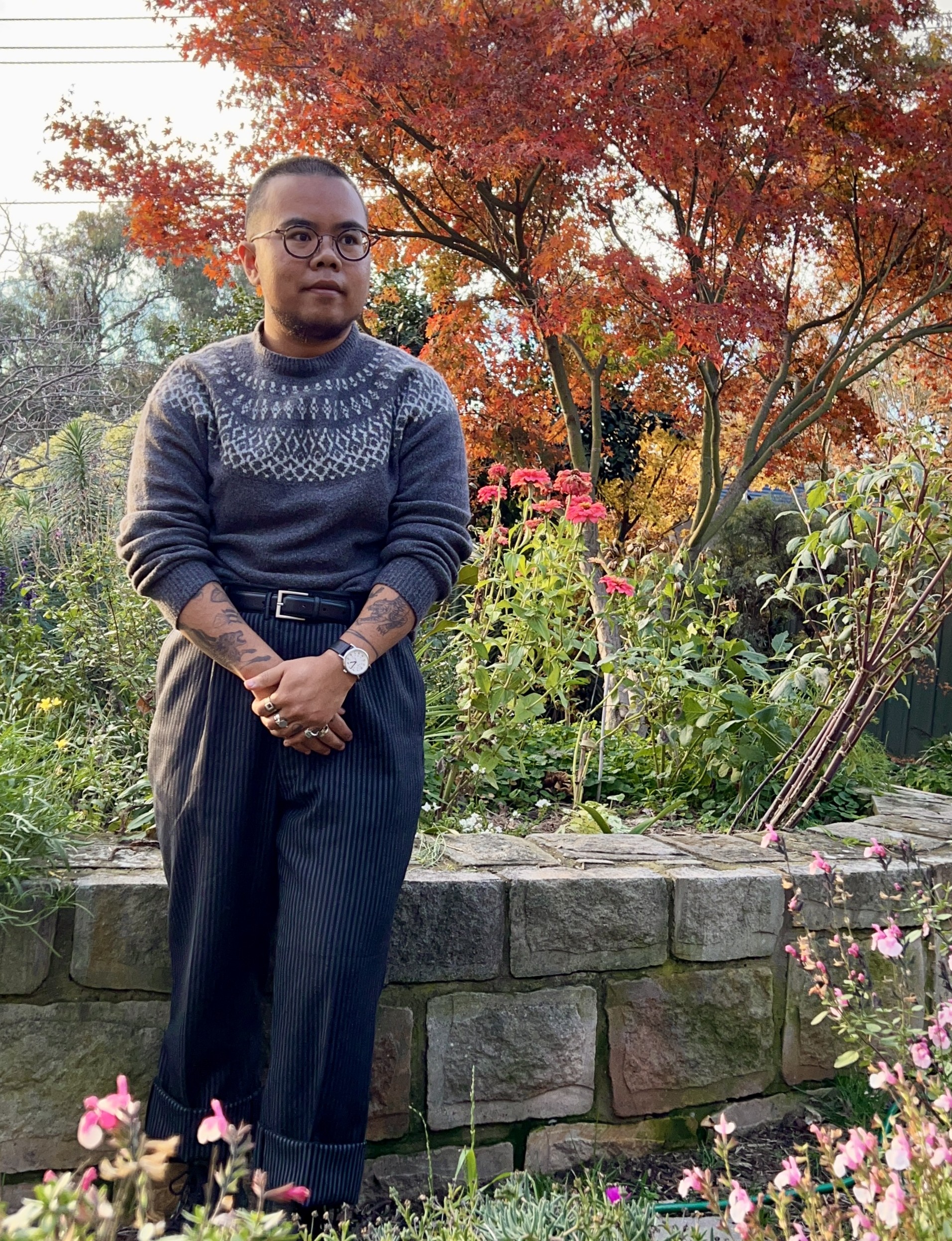
PhD Researcher at the Australian National University in Canberra
Thy O'Donell is a PhD researcher at the Australian National University in Canberra. His research explores end of life and palliative care for trans and gender diverse people, looking at how gender affirming care can extend into hospitals and hospices. The study has ethics approval through the ACT Health’s Human Research Ethics Committee and ANU’s Human Research Ethics Committee. This study has also received Ethics Approval from ACON.
Thy's interest in this area is personal as well as academic. As a trans man who has navigated medical institutions in Canberra, he has experienced firsthand how institutional culture can shape whether someone feels safe and respected in the settings where end of life care is delivered. His research invites participation from trans and gender diverse people and clinicians working in palliative and end-of-life care (ACT based only), through individual interviews, conducted online, by phone or in person.
Summary
What you’ll hear in this episode:
- Why you can stay on hormone replacement therapy for life, and the myths that stop people believing it
- Thy’s experience of being misgendered mid-crisis in a Catholic hospital emergency department, and what changed as a result
- Why trans people are less likely to have an advance care directive or will, and what’s really behind that gap
- How chosen family fits alongside biological family when it comes to medical decision making
- The legal complexity trans people navigate across different Australian states and territories
- Why Thy believes gender-affirming care isn’t exceptional, it’s simply care
- What meaningful progress in trans inclusive palliative care could look like
Transcript
[00:00:00] Highlight: No Mister (Catholic Hospital Story) Thy O'Donell: It was quite difficult in that I was very early into my, gender affirmation. Thy O'Donell: And I was still very much figuring things out and having to deal with, an ovarian cyst bursting on top of that. And so I went in for what would be a very female issue, and still is, and having to self-advocate whilst I was... They were like, "What's your pain scale?" And I was like, "A nine." And they were like, "Okay, miss." Thy O'Donell: And I was like, "No. Mister." Like, Highlight: You Can Be on HRT Until You Die Thy O'Do ... Read More
[00:00:00]
Highlight: No Mister (Catholic Hospital Story)
Thy O'Donell: It was quite difficult in that I was very early into my, gender affirmation.
Thy O'Donell: And I was still very much figuring things out and having to deal with, an ovarian cyst bursting on top of that. And so I went in for what would be a very female issue, and still is, and having to self-advocate whilst I was... They were like, "What's your pain scale?" And I was like, "A nine." And they were like, "Okay, miss."
Thy O'Donell: And I was like, "No. Mister." Like,
Highlight: You Can Be on HRT Until You Die
Thy O'Donell: when I talk to people, particularly my trans participants, they don't know that you can be on HRT until you die.
Thy O'Donell: No, you can. You just might not be able
Thy O'Donell: to have, your estrogen in oral form if you can't [00:01:00] swallow, but there's patches, there's injections, there's so many other ways, that you can do it." And it's, about that literacy around death and dying and also, palliative and end of life care.
Highlight: Trans Care Is Just Care
Thy O'Donell: when you're talking to a medical practitioner, you're not just seen as trans but as a whole person as well. And I think that would be very, that would be, like the most meaningful change
Thy O'Donell: Welcome to Don't Be Caught Dead, a podcast encouraging open conversations about dying and the death of a loved one. I'm your host, Kathryn Ashton, founder of Critical Info, and I'm helping to bring your stories of death back to life. Because while you may not be ready to die, at least you can be prepared
Don't Be Caught Dead acknowledges the lands of the [00:02:00] Kulin Nations and recognizes their connection to land, sea, and community. We pay our respects to their elders past, present, and emerging, and extend that respect to all Aboriginal and Torres Strait Islander and First Nation peoples around the globe
Interview Begins
Catherine Ashton: Today I'm speaking with Thy O'Donell. Thy is a PhD researcher at the Australian National University in Canberra. His research explores end of life and palliative care for trans and gender diverse people, looking at how gender affirming care can extend into hospitals and hospices. The study has ethics approval through the ACT Health's Human Research Ethics Committee and ANU's Human Research Ethics Committee.
Catherine Ashton: This study has also received ethics approval from ACON. Thy's interest in this area is personal as well as academic. As a trans man who has navigated medical institutions in Canberra, he has experienced firsthand how [00:03:00] institutional culture can shape whether someone feels safe and respected in the settings where end of life care is delivered.
Catherine Ashton: His research invites participation from trans and gender diverse people and clinicians working in palliative and end of life care in ACT only through individual interviews conducted online, by phone or in person. Thank you so much for being with us, Thy.
Thy O'Donell: Thank you, Catherine.
Catherine Ashton: Now, how did you get started, and what made you wanna research, gender diverse care and trans care and specifically end of life?
Thy O'Donell: so for quite a while I was on the consumer reference group for end of life and palliative care here in Canberra. and I was chosen as the young person representative. and then they ended up with a Brown trans man as well. and we [00:04:00] would often talk about, like palliative and end-of-life care, specifically in Canberra, and there was just a lack of a discussion around some of the specific needs that trans and gender-diverse people have when engaging with end of life and palliative care.
Thy O'Donell: I was working as a peer worker for a trans organization here in Canberra too, and talking to my friends who are in their 30s or older, starting families, and we also have aging parents, and I was having those conversations with my parents as well, after a cancer diagnosis with my dad, and he didn't have an advanced care directive or a will.
Thy O'Donell: and it was just having those conversations with, people whose care I wouldn't directly be involved in, but also care [00:05:00] that I would be directly involved in, and thinking to myself, "Well, what would I want, with my own palliative care?" And the kind of easiest way to get, my family on board, particularly my parents, was to show, look, it's so easy to do a will.
Thy O'Donell: Well, not so much an advance care directive. I'm still personally working through mine. but I was like, "Look, we can do this. I can do it, and I'm in my late 20s. You can do it." And just having those kind of conversations with, medical practitioners as well, when I started HRT, hormone replacement therapy, they were like, "Well, this is for life."
Thy O'Donell: And I was like, "Well, what do you mean?" By that, do, and it's listed as a medication, but it's also not necessarily a life-sustaining medication [00:06:00] in the true medical sense of the term, but it is for the kind of psychosocial sense. so it was just like a whole bunch of things that then I was putting together and I was like, "Oh, what kind- how can I be funded to look into this?"
Thy O'Donell: And, ANU School of Sociology at the moment has a really interesting Academic turn towards trans studies. and that's where I did my undergrad And so I just reached out to some of the people that I, the lecturers that I knew, and was like, "Hey, this sound interesting?" and here I am.
Catherine Ashton: was it through your own lived experience that you ended up being on these consumer advisor committee in the first place?
Thy O'Donell: Yeah. I was working in, mental health, in administration support, and the email just came through. and I [00:07:00] looked at it and I was like, "Oh, I'm really interested in death and dying," and I have been, like, as an academic interest for a long time.
Thy O'Donell: and I was the right age, and I just applied thinking, "Ah, they'll probably find, a younger person." And, instead they Got me. and it w- it was, yeah, just random that I ended up on, on that group. But, I hadn't had any previous experience with palliative care.
Thy O'Donell: My maternal grandparents died, I think w- how we would frame it, as quite bad deaths in that they were both in pain and had expressed that they wanted to die, like multiple times leading up to their eventual deaths. And so that really shaped how I thought about [00:08:00] death and dying, like from a human perspective.
Thy O'Donell: And then my dog died, and the way the vet explained it was amazing. and, I remember thinking to myself, "Why can we explain it so well when an animal is dying compared to my grandparents?" I wasn't allowed to see my granddad's body. I asked and they were like, "No, you're a bit too young."
Thy O'Donell: And how old were you when that happened?
Thy O'Donell: I was 16 or 17. and like it, that you don't want that to be your last memory of him. And at that time, I was like, "Oh, okay, sure. You know better or best, I guess." but that's something that I regret. And, we were living overseas as well, so we [00:09:00] weren't able to be here for his death. and just thinking through that and then the kind of work that I was doing on the consumer reference group and being able to be present for my dog's death as well, were all really important touchstones, for how I was like, "Oh, okay, this is how I want to advocate For how I think I'd like to die, and having those really open conversations with my parents as well, 'cause they've been very adamant.
Thy O'Donell: they're separate, but, we don't wanna be in homes. They've both expressed that separately, and, or put into aged care facilities. and then I've been thinking was, like, oh, okay, so what... Would that be home-based? Would that be in hospital? would that be hospice?
Thy O'Donell: When you say not into an aged care facility, what actually do you mean? and like I said, we're living overseas. My dad still lives [00:10:00] overseas at the moment, and we've had to have conversations 'cause he lives alone. And I'm like, "Well, who's your emergency contacts? Who can you... who can I call if you don't call me?"
Thy O'Donell: Because we talk daily. and he hadn't thought about it, and I was like, "What happens if you fall in, I- and I don't think he will, because he's quite active. But I was like, "What happens if you slip and hit your head and, lose consciousness? who do I call?" and thinking also about like he's specifically in Malaysia, and so there's different rules around disposition and time frames
Thy O'Donell: And I was like, "You need to tell me what you want to happen." And he was like, "Oh, I'd like to be cremated back home in Australia." And I was like, "Logistically-" I'd rather not. I was like, I think if, that was the worst-case scenario, we cremate you [00:11:00] in Malaysia, because it's a lot easier to transport cremated human remains than a body.
Thy O'Donell: and so having those kind of conversations as well.
Catherine Ashton: what is really interesting i- in a lot of that you've just mentioned is the need for that detail and that logistic information that sometimes we forget, but it's also a really good place to start.
Catherine Ashton: Yeah. Because it's practical and breaking down, what does aged care mean to you? If you don't want to be in aged care, what are the options that remain? So it was great that you went through those and talked through those alternatives.
Wills & Family Navigation
Catherine Ashton: how were they when you talked about the will?
Thy O'Donell: Yeah. They were pretty good. I think I'm known in, at least in my immediate family, as the death guy. So Mom was like, "You know what would be a great present for your dad [00:12:00] for for his birthday? If you wrote his will."
Thy O'Donell: And I was like- Maybe. So it was actually been, they're really open about it, and they know that, and Mum is great. she's really great at research, so she's... I was like, "Here," "Look, you, these are your options and stuff like that." And then she took that information and ran with it. whereas my dad was like, "You just do it for me."
Thy O'Donell: And I was like, "I think you need to be involved." or at least, if you don't wanna do it by yourself, like we can do it together. and that's like on our list for when we next see each other is talking about an advance care directive. it's also a bit tricky because, like I said, he lives overseas, but like his extended family, like his dad is in Sydney, and we're based in the ACT,
Thy O'Donell:
Catherine Ashton: I'm [00:13:00] just thinking about all of the different laws that you're talking- about there in three different locations.
Thy O'Donell: In three different locations, and like an advance care directive is quite different here in the ACT is quite different to a New South Wales one.
Thy O'Donell: And then it's also and I've mainly had these conversations with my mum, but talking about like where do you want to, like if you want to be cremated or have a natural burial, whatever, where? because we've lived overseas for such a long time, like for me, 16 years, for my parents around 20 plus, like all up.
Thy O'Donell: And I was like, we don't really have specific ties here. So what do you wanna do? and then also thinking about that for me, I was like, like at this point, or legally, I've changed everything that I can, so I don't have [00:14:00] to worry about what my death certificate will say or, what my medical records say when I have to engage with on that care.
Thy O'Donell: But that's also because I wasn't born like in New South Wales, for example, where up until very recently- You had to have surgery to be able to change your gender marker. And yeah, and that was, like, I've been very fortunate that I've been able to do the administrative side of things quite easily, and that I've been able to afford it as well, and just thinking through those logistics too.
Catherine Ashton: And is that something that you mind sharing with us, that detail of what are the sort of things that you do need to change? What are the sort of challenges that you come across? Because we've touched, on the more, traditional or conventional side of, your parents, and talking about advanced care directives.[00:15:00]
Catherine Ashton: But you yourself have actually been through such a journey through your healthcare, and navigating those systems. What does it mean to you?
Thy O'Donell: it's been a bit harder because I'm adopted. my parents are white Austra- they're from Sydney, and my sister and I were both adopted from Cambodia.
Thy O'Donell: So technically, this is my third name change on a deed poll.
Thy O'Donell:
Thy O'Donell: and that in itself was a bit tricky, because paperwork-wise- I had to provide a lot more information than, it says you need to, and that's been the case, my whole life. so I was quite well-equipped to argue with bureaucracy.
Thy O'Donell: I, every... Most times when I go and renew my passport, even though this is, my [00:16:00] sixth Australian passport or something kind of crazy, they ask for all of my original citizenship documents even though you actually don't need them to renew.
Thy O'Donell: So there's been a couple of, issues where they're like, "Oh, provide your original birth certificate." And I'm like, "It's in Khmer. You won't be able to read it." And they're like, "Oh, we still want it." And I was like, "Okay." what checks and balances are you doing to confirm that's me?
Thy O'Donell: and so there's been, those layers of difficulty. But I think I, changed all of my stuff legally at a really good point in time. So I changed my name and everything first, and then I just walked into a Medicare center and was like, "Can I change, my marker to male?"
Thy O'Donell: And so I think that's one of the challenges with that kind of bureaucratic side of being [00:17:00] trans, is that is really about who you get on the day, and it shouldn't be like that. And it also is law-dependent, and it's different for each state and territory.
Thy O'Donell: And then when you live in a really transient place like Canberra, and I think Canberra is a great place to access gender-affirming care, but then people go back to either Victoria or New South Wales and it's different. People mainly come to Canberra for work or study.
Thy O'Donell: And it's different, Canberra has quite progressive laws and, Yeah, so I've been very fortunate where I've just been able to get the right people at the right time. and also people who care enough, like at least within [00:18:00] government, facilities to either advocate for me or look into something, which is not often the case for a lot of trans people.
Catherine Ashton: Yeah, it's having that skill to advocate for yourself and know what your rights are, isn't it?
Thy O'Donell: Yeah, and I think that's where it ties in with my research as well, because, like when I talk to people, particularly my trans participants, they don't know that
HRT & Palliative Care
Thy O'Donell: you can be on HRT until you die.
Thy O'Donell: and I think it's both ways, where we go in to medical facilities assuming the worst, because we've had terrible experiences. and- But that's not often the case, and I think with palliative care especially, it's so interdisciplinary. and despite [00:19:00] the really strong ties to the church, particularly the Catholic institutions, it is changing as a medical field, and it's becoming a lot more inclusive to the degree that we just don't know about it because society doesn't like to talk about death and dying.
Thy O'Donell: when I say society, Western Austra- settler Australian society doesn't like to talk about death and dying that much. And so it's hard, talking to people and they're like, "Oh, no, I could never do that, so I'm not gonna engage with that care or those care providers." And I'm like, "No.
Thy O'Donell: No, you can. You just might not be able
Thy O'Donell: to have, your estrogen in oral form if you can't swallow, but there's patches, there's injections, there's so many other ways, that you can do it." And it's, about that literacy around death and dying and also, palliative and end of life care.
Catherine Ashton: One of the common [00:20:00] misconceptions that I hear quite often is that people believe that palliative care is only for the last few, moments of life, where really we know that palliative care can come in as soon as you're diagnosed with a life-limiting illness.
Catherine Ashton: and it's really about helping you to live your life to the best ability that you can. And so what does that look like for someone who's trans?
Thy O'Donell: I think it, like obviously it, it's very personal and depends on each person. But generally speaking from my interviews that I've done so far, like it's mainly people just wanna be treated as their whole self.
Thy O'Donell: And I think that is something that comes up a lot in just talking about trans care and engaging with trans medical care. As well as that- People just assume that is remarkably different to other forms of care. [00:21:00] And, I argue that gender-affirming care is all forms of care. and it's something that also comes up with my interviews with clinicians who work in palliative and end-of-life care, where, they're like, "Oh, gender doesn't actually really come up in the conversation."
Thy O'Donell: I'm like, "Well, yes it does. You've just asked how they want their hair done and what they'd like to wear." there's so many points where actually everything can be gender-affirming care if you, really think about it. and that's, on both sides. It's not just the, the clinicians, but we... just in conversation, it's like, yeah, all forms of care, if you're talking about, you as a person, your gender comes into it, so it's therefore gender-affirming care
Catherine Ashton: And it surprises me that this [00:22:00] is a conversation that we have to have, given the fact that, we look at someone as a whole person.
Catherine Ashton: So of course their gender, their sexuality, which are two very different things, need to be taken into account as well as, all of the other variables that make up someone who they are.
Thy O'Donell: And I think even just, asking how people want to be referred to. that's what you do in an initial appointment, like in an intake appointment.
Thy O'Donell: And asking like, "Oh, who's important to you?" And what's important to you?" And people will say like all sorts of things. Like I was in hospital quite recently, and I didn't get to fill out my board, because I went straight into theater, which was really unexpected. didn't have to wait at all.
Catherine Ashton: Who who gets to wait that short a period of time Thy?
Thy O'Donell: Like I rocked up, and then half an hour later I was getting [00:23:00] prepped, and I was like, whoa. Like my mom came with me, and like we were ready to just hang out. But they had like things that were important to you on the like patient board at the end of the bed.
Thy O'Donell: And, my mom wrote for me, 'cause we'd discussed it before, my dog, my mom, I, like I think she put that there, which is fair enough, and also my pronouns, and put them like quite big on the board. And it's just a very easy thing to incorporate, and is also on like your medical forms and stuff like that, that people don't- think is gender affirming care, but it is.
Thy O'Donell: the amount of times that I've heard people be like, "Oh, I don't have a pronoun," or, "I don't use pronouns." I'm like, "Well, you do." we- [00:24:00] that's the English language is just built on- ... pronouns. not just built on pronouns, but they're an important aspect of it. And just because you don't think about your gender identity as much as, say, a trans person might, doesn't mean that it's not a part of your identity.
Catherine Ashton: And you're right. It's on every single form that you fill out. whether you consciously think about it or not, it is part of how you identify, whether you tick the Ms, Mrs, Miss, Mister, Master, whatever the old, type of form used to be, which a lot of them haven't progressed very far.
Catherine Ashton:
Thy O'Donell: Yeah. And, one thing that I always am amazed at with domestic travel, for example, is that they don't ask for much information at all about you as a passenger, but the title is really important. They're always like, "You have to put in a title."
Thy O'Donell: And I'm like, "Why do you need that [00:25:00] information about me?" but gender, always comes up in really unexpected places, and the, the same is for palliative and end of life care.
Catherine Ashton: That's really interesting because I have never given that a second thought because it isn't something that I have to consciously think about.
Catherine Ashton: But for someone obviously who has made a choice, that is a really significant thing to be doing, I assume.
Thy O'Donell: Yeah, and I also think it's just a little bit silly sometimes as well. I had a friend who didn't, resonate with any of the title options when they were flying, and they picked Professor 'cause it sounded cool, and they're not a professor.
Thy O'Donell: and I was applying for my PhD at the time, and I was like, "Dude, you can't do that." I was like, "You have to earn that." but also you don't [00:26:00] really. it's... No one is checking you at the door to be like, "Are you actually a professor?" Yeah. can we see your university credentials?
Catherine Ashton: but in all seriousness, what are some of those challenges that you have to, navigate when you're, everyday life? and also what are those then amplified when you enter a healthcare setting?
Thy O'Donell: I don't really like the term passing, but people think about- Gender and sex often intertwined.
Thy O'Donell: And so I think when people are either starting or they don't similarly have different opinions about passing, that's always an issue. Where, like I, pretty much as soon as I started testosterone, my life got so much easier. I was being gendered correctly,
Catherine Ashton: Thy, when you say passing, you're not referring [00:27:00] to death in this context, are you?
Thy O'Donell: No. I'm not. but how people read you gender-wise is- ... is how I'm referring to passing.
Thy O'Donell: Yeah. You look at someone and you try and put them into a gender box. and so I think when you don't necessarily pass or fit people's conventional ideas of what male or female looks like, and this is also not talking about people who have variations in sexual characteristics, at all, which is a whole other, thing, especially with medical interactions.
Thy O'Donell: that, that is just like a daily challenge, that people face. I have been, like, quite fortunate with that, that now people just see me as male, but then also, race comes into it a lot for me now. they're just like, "Oh, a brown guy," and I'm like, "Okay. so you're not being sexist or transphobic anymore.
Thy O'Donell: [00:28:00] You're just being a bit racist."
Catherine Ashton: Yeah.
Thy O'Donell: And but then for, engaging with medical services, I've had to engage, with stereotypically feminine, services as well, Engaging with sexual health care, for example, and they're like, "What is this man doing here at the, hospital for women?" And I'm like, "Surprise, I have medical conditions as well."
Thy O'Donell: And that can be quite, tricky to navigate, especially if self-advocacy is not a huge thing that, that you've, done in the past. So I think that those kinds of engagements with medical services can be quite tricky, and then also the repeated having to come out is something that is, can be [00:29:00] really wearing, on people.
Thy O'Donell: And like I mentioned a l- a bit earlier, palliative care and hospices have a long history with the church and with Christianity, and they haven't always been the greatest allies for LGBTQIA+ people. and that can also be seen as a barrier as well. and a lot of private services are still run by religious affiliated groups too, and up until a, a few years ago, the only hospice in Canberra was run by a religious affiliated group too.
Thy O'Donell: So there's like all of these different layers, of complexity that can make things hard, especially if you don't necessarily want to go through the bureaucratic, nightmare that is changing everything legally, and you're quite happy just socially [00:30:00] transitioning, and then entering those medical spaces and being misgendered or I'm referred to incorrectly.
Thy O'Donell: we call it deadnaming, which is also like linking to death and dying as well. But having those kind of interactions as well when you're already in a really vulnerable state, like most people don't rock up to, doctors or hospitals for fun. and compounding those kind of experiences can make people reluctant to, to attend-
Catherine Ashton: And it just makes me think of, people don't know what they don't know. And as you were mentioning, it is very much dependent on the level of literacy Or should I say, is the level of literacy dependent on their ability to advocate for themselves?
Thy O'Donell: Yes and no. [00:31:00] I feel like Particularly if we're, like referring to advance care directives, and wills and like the, that kind of, those kind of things.
Thy O'Donell: the general Australian population I think the rates for having an advance care directive or an advance care plan are remarkably low.
Thy O'Donell: And then when you apply that to, a group like trans people, who also have not been counted in the census until this year,
Thy O'Donell: for the first time we will be counted as a population. And like bringing, like all of those kind of more systemic issues together, I don't think it's that we're not wanting to be informed, it's just that access is so limited. [00:32:00] And when, like again, going back to the differences in an advance care directive here in the ACT compared to New South Wales, like even being able to know where you can get that information, like at l- at least in Canberra it's usually through Canberra Health Services.
Thy O'Donell: But then if you're a trans person who hasn't had good experiences with medical services, you're not gonna go to the hospital-run advance care planning session.
Thy O'Donell: You wanna go within community, and you may not know who to talk to within the community as well. I'm pretty interested in what information the census will, provide, like statistics and population-wise, considering that a lot of, at least, research around trans people has been about [00:33:00] how we die quite young.
Thy O'Donell: And so then it's not just that there's a lack of access to this information, but we're often not even thought of, because we're assumed to not be there to access it.
Thy O'Donell: what about the people who, the trans people who are older, and who are aging, and capturing...
Thy O'Donell: Not, I don't really like the term capturing, but l- talking to them about what, like, how do you understand an advance care directive or plan? some people still refer to it as a living will. and like doing all that, that stuff, let alone thinking about an enduring power of attorney, or a trustee.
Thy O'Donell: And then when, if your family is not supportive as well, then who does that fall to? even thinking [00:34:00] about, myself with being adopted, we're not really counted in the census. so there's a whole range of things why I think that literacy isn't there yet.
Catherine Ashton: And it sounds like the access is one of the main systemic problems in that, would you say?
Thy O'Donell: I think so. I think similarly to all areas talking about palliative care and end of life, and we could extend it to death and dying as well. It's very medicalized now, and very, pathologized. S- so then if you have bad experiences with medical settings, that access stops because that's, those are the gatekeepers of that information.
Thy O'Donell: If you've been to, a funeral service for a trans friend, and they have been [00:35:00] misnamed, or referred to incorrectly or misgendered, you're not gonna go to the funeral places to find out that information because that trust is not there. And so I think the issue of access is more, more broad, like about trust, and not necessarily rebuilding it, but trying to find where can you find those people who are able to share that information?
Catherine Ashton: And how important is it then that we use the tools of an advanced care directive, a will, a power of attorney, have the conversations with those that we love about what our choices are and how we would like that care to be given when we can't speak for ourselves?
Thy O'Donell: I think it's so important, and that's something that, I talk a lot [00:36:00] about in my interviews.
Thy O'Donell: I'm like, "Well, do you have one?" you've said really explicitly to me, a researcher who you may never see again, that you wanna be on hormones until the day you die. I'm like, you can put that on your advanced care directive. I'm like, put that in writing. most of them in Australia are, like, you just look up advanced care directive, advanced care plan, and then pop in your state or territory that you're in, and it'll take you to that page.
Thy O'Donell: there were kinda,discussions about doing that kind of work within the Canberra trans community, as part of this project.
Thy O'Donell: people just think, oh, it's about, what medical devices I want or DNR and stuff like that. But there are a lot more social documents than people think. and [00:37:00] there's also, I feel, an assumption that they are fixed, which is also something that- People, I think, are beginning to realize, "Oh, no, I can just change it."
Thy O'Donell: like I wouldn't recommend changing it daily, or doing that, but your needs and wants will change. Just, and in my, some of my interviews I'm like, "Just like with your gender, things will change. and that is fine, just make sure you've written it down."
Catherine Ashton: And I think that's the thing that people need to realize, that these documents, they speak for us, and they need to be reviewed.
Catherine Ashton: So when our life changes or evolves, we just make sure that the document still, speaks to that evolution that we're going through.
Thy O'Donell: Yeah. And I think one of the, maybe, barriers or [00:38:00] issues with particularly an advance care directive is that it's often recommended that you do it with a trusted medical practitioner.
Thy O'Donell: A, a lot of us, and this is also not just trans people but people who may be a bit younger, don't have a GP. we don't have a family GP anymore. If you've moved around, you don't actually have those trusted medical practitioners anymore that could talk you through those documents or your wants and stuff.
Thy O'Donell: you don't necessarily always need one to begin those kind of documents, but I think, at least in, in Canberra, it's one of the first lines, that you see, to talk this through with a trusted medical practitioner. And it's like, I, I personally have one, and I'm very thankful for that.
Thy O'Donell: But not a lot of people don't, and that's an issue as [00:39:00] well.
Catherine Ashton: so where do you find that people within the community are going to get their information,
Catherine Ashton:
Catherine Ashton: and have they got the support that they need?
Thy O'Donell: At least in Canberra, Meridian ACT with Silver Rainbow holds a lot of stuff about aging.
Thy O'Donell: but that's not necessarily what we're talking about. any- anyone can access palliative care, regardless of age. And that's one of, the issues again with talking about, this research and stuff is there's an assumption of older people. but like here I am, I'm 28, and I'm talking about it.
Thy O'Donell: So there's that. I think, ACON has a really great, modules on palliative and end of life care so people can access that. But again, it goes back to that broader systemic thing about Australia having different laws-
Thy O'Donell: for every state and territory,
Thy O'Donell: ACON's New South Wales, and then [00:40:00] Meridian is here.
Thy O'Donell:
Thy O'Donell: And then, there's a specific kind of like palliative care toolkit in Victoria as well, which is different. And so you can find trans-specific resources, but then you almost have to do a bit of, translation work to make it apply to your situation, which is a barrier.
Thy O'Donell: people don't necessarily spend as much time probably as you or I do
Thy O'Donell: looking into these. So I think, and I think, the Queer as Death Collective,
Thy O'Donell: And I think as well, like you, if you go into social media forums and stuff, so much of it is American-based as well. And there's also like a lot of pre- misconceptions even about funerals and dispositions that is often through an Americanized [00:41:00] lens.
Thy O'Donell: particularly like when thinking about like a good death movement and disposition methods as well. we don't have human composting yet, but I think New York has just passed legislation for it, for example. there's so much information out there which could be accessible, but then you also have to have levels of digital literacy to be able-
Thy O'Donell: to access them, which is also really hard. especially with the way that the internet and technology is going at the moment. it's hard to distinguish, actual information from just, fake stuff
Catherine Ashton: And you've spoken about your own personal experience at a Catholic hospital in Canberra specifically. Do you mind giving us some insight? what was it that really stayed with you about your experience?
Thy O'Donell: It was quite [00:42:00] difficult in that I was very early into my, gender affirmation. And I think when people talk about Being trans, and this is the same within comm- within the trans community as well as people who may not be a part of the community, there is an assumption of almost a timeline, and what a good transition looks like.
Thy O'Donell: And I was still very much figuring things out and having to deal with, an
Catholic Hospital Story
Thy O'Donell: ovarian cyst bursting on top of that. And so I went in for what would be a very female issue, and still is, and having to [00:43:00] self-advocate whilst I was... They were like, "What's your pain scale?" And I was like, "A nine." And they were like, "Okay, miss."
Thy O'Donell: And I was like, "No. Mister." whilst doing all of that, and not being Catholic myself, coming from a Buddhist country and, being raised kind of Buddhist, I always joke that I'm a really bad Buddhist. it was, like there were so many things about the experience that were very jarring. and then on top of, yeah, like just being misgendered repeatedly to knowing as well that this was not necessarily a place where I was welcomed by the institution.
Thy O'Donell: not necessarily staff individually, but that they had higher-ups that wouldn't [00:44:00] accept me, or be welcoming or understand. Like it's no longer... And that was a public hospital as well. it's no longer a public hospital. it's, that hospital is now being run by Canberra, Health, so it's, not Catholic anymore.
Thy O'Donell: But it was also the closest to me at the time, and had the quietest ER. Like there's so many,
Thy O'Donell: compromises that I had to make at that time to be able to receive care, which you shouldn't have to do. And I think that's why it's has stuck with me
Catherine Ashton: Thank you for sharing that experience, Thy Because it does highlight, again, when we think of palliative care, it's referred to as a postcode [00:45:00] lottery a lot of the time. And so especially in regional areas, you may find that the only palliative care available may be through a religious organization, and that does, as you clearly highlighted, add another layer
Catherine Ashton:
Catherine Ashton: to consider.
Catherine Ashton: you've highlighted the issues around having a reliable medical practitioner such as a GP that you have as a someone who you can trust to, to help navigate, help draft these advanced care directives. So how important is it really your friends and chosen family in helping support you?
Thy O'Donell: For a lot of my participants, it's so important. and they've quite a few of them have been like, "Yeah, I can't self-advocate, but my partner will fight anyone, that I need them to fight." And I'm like, "That's great that you have that person in your [00:46:00] life, but what if they're not available?" and that's why those documents are so important if you can't self-advocate and your person is not available to do that.
Thy O'Donell: But then on the, not necessarily a flip side, but with my other participants who are clinicians, quite a few of them are part of the community or have friends and family, and they understand some of the barriers and complexities of engaging with any form of kind of institutionalized medical care that they're very willing to go in as that person as well.
Thy O'Donell: But then it's about building that rapport and that trust, which I think from some of my conversations with clinicians, you're able to do a little bit [00:47:00] more within palliative care compared to, like other forms of medical care where you might just be in and out. Whereas there seems to be more of that ongoing engagement with w- your care team, which sadly isn't often available in other medical settings, and ones that people might have experience with, like emergency room settings or intensive care.
Thy O'Donell: You often hear, people talk about how, just how many people they saw, in that one kind of instance, which is from the conversations I've had quite different with palliative care where it's often the same person, and so building that trust. but then it's also thinking about, particularly with chosen family, how do you express that to your [00:48:00] medi- the medical team or your care team that these are the people who you want involved, and also the people who you don't necessarily want involved, and what level of involvement you're expecting, which comes down to, again, talking with the people that you care about and that you love about what actually you want, and doing that before you enter those medical settings, which a lot of people don't do, regardless of whether or not you're trans, intersex, or cisgender.
Thy O'Donell: you fall and you're like, "Oh, shit. We gotta talk about this now."
Thy O'Donell: And, I think even bringing in some of the guidelines or instances, like discussions around, informed consent, just applying that to all kind of levels of medical care where you're [00:49:00] constantly being informed and thinking about what actually you want to happen before, before things get tricky and also time crunched too.
Catherine Ashton: someone said to me recently that, the dead have no rights. And what I'm thinking about that may be sensitive when it comes to, y- the wishes of how, someone is memorialized, how their funeral is, how their body is prepared for disposition.
Catherine Ashton: can you talk through some of those considerations, Thy, that people may not be aware of?
Thy O'Donell: Yeah, I think in Australia, I guess open caskets aren't as popular as places like compared to the US, for example. so there's a lot of, at [00:50:00] least online and also in research, you see a lot of things about how, trans people, particularly trans women, have been dressed incorrectly, at their funeral, and then they have friends and chosen family rock up and they're like, "Who is this?"
Thy O'Donell: and it's because there hasn't been necessarily that communication or allowance for those people to be involved in the funeral planning or the questions about disposition, and I think that's something that can definitely be spoken about and more, considered. Like a lot of, in some of the interviews that I've done, like people have expressed that being dressed appropriately is really important to them, even [00:51:00] if no one sees them.
Thy O'Donell: Just having like your hair done and, makeup, and that's the same I think for people who are cisgender. Like a friend, recently told me about her nan dying, and how they had a go bag of makeup ready for... 'cause she was like, "I'm not dying with a bare face." and I think- in, in terms of, disposition, a lot of people still go quite the traditional routes, like cremation, so it doesn't necessarily matter, and I'm like, "Okay, that's fine."
Thy O'Donell: But funerals, I think, I don't talk about explicitly in my research, but it is something that a lot of my participants bring up, as well, where they're like, "I want this name displayed. I don't want it in a church. I [00:52:00] don't care if you, chuck me overboard." And I'm like, "Okay, that's, with laws."
Thy O'Donell: I always get a little bit, nerdy about it, where they're like, "Oh, just scatter my ashes." And I'm like, "But where?"
Thy O'Donell: I'm like, "With what permit?" It's like, you gotta think about that stuff. but a lot of the time it's about in the moments leading up to their death, how they want to be presented, and what kind of care would lead to that.
Thy O'Donell: And where they wanna be as well is something that comes up a lot. a lot of the people that I've spoken to want to die at home. But, like most of us don't end up dying at home. It's in hospitals or residential aged care facilities, which a lot of people really don't wanna go into residential aged care facilities, because again, there's that [00:53:00] religious affiliation with a lot of them too.
Thy O'Donell: that's a very roundabout way of addressing your question. But a, a lot of the time it's just talking about who they want around them when they die, or if they just wanna be completely alone too.
Catherine Ashton: And I know that you're obviously still in the process of conducting this research, but given the conversations that you have had and your own personal experience, what would meaningful progress look like for you in this space?
Thy O'Donell: I'd love to see the statistics around, like advance care directives for example, change for the better.
Thy O'Donell: or when you're talking to a medical practitioner, you're not just seen as trans but as a whole person as well. And I think that would be [00:54:00] very, that would be, like the most meaningful change where I think there's- An assumption, and this will sound contradictory to, our whole conversation, but an assumption that, transness and trans care is radically different, but it's not.
Thy O'Donell: so much of the care and medical care that you receive to be affirmed in your gender is not stuff that's had to be invented to be trans. even that very recent example of that politician in the US who was like, "If you have anyone in the military, if you've got low testosterone, we'll give you HRT."
Thy O'Donell: It's like, yeah, trans guys have been doing that for ages, and, bodybuilders, do it as well. So I think that kind of meaningful progress for me would be [00:55:00] shifting that idea that
Trans Care Is Just Care (Closing Argument)
Thy O'Donell: trans care is exceptional and different, and something that people really have to be trained on, or accredited in, or specialize in, where actually it's just care, more broadly.
Thy O'Donell: So that, that would be, like, the really big progress for me. But a small one would be seeing those advance care directive numbers go up. That would be good.
Catherine Ashton: And for anyone in Canberra that would like to be part of your research, we'll include all of your, links on the show notes so people can reach out. where are you at right now with your research, Thy? how far are you into it? How much longer have you got to go?
Thy O'Donell: I'm part-time, so I have until 2030, to submit.
Thy O'Donell: I have technically wrapped up with my data collection. I have [00:56:00] until later next month to finalize recruitment, that's my cutoff day, with ethics. soin terms of where I'm at, it's really just looking at the conversations that I've had, the transcripts, and beginning that analysis and then also trying to do some kind of preliminary, stuff like presenting at that conference, for example, and really trying to engage more of the clinicians, in the research.
Thy O'Donell: talking to them about this kind of stuff as well, and then also hopefully talking to more trans people, about it too. But I'm also that, that guy at the party where people are like, "What do you do?" And I'm like, "Do you wanna talk about death?" And they're [00:57:00] like, "Okay."
Catherine Ashton: It's interesting that people say that they don't wanna talk about it,
Catherine Ashton:
Catherine Ashton: as soon as you open the door, everyone has a story.
Thy O'Donell: Yeah. And I think also, People are scared to offend other people, and this is the same with stuff around gender, where I've had, a lot of clinicians who have been part of the community have participated in the research. But I've been like, "No, I wanna talk to the straight cisgender clinicians as well.
Thy O'Donell: what do you think about gender? Like, when it doesn't come up for you regularly in your own life, how do you think about it when it does for someone who you're caring for? how would that change your interactions?" and so that's been really interesting, like with a few of the straight cisgender clinicians that I've spoken to.
Thy O'Donell: They all had ties to the community somehow, through like family or friends. And I'm like, "No, no, I want the, like-
Thy O'Donell: The ones who [00:58:00] don't, please talk to me. But it's been, so interesting to just hear, abouthow palliative care works, 'cause I don't have that knowledge. So that's been fun. Yeah, but it's been interesting seeing who signs up, and who wants to talk about this, 'cause they're two, two tricky topics.
Thy O'Donell: I haven't made it easy. maybe one area where more research needs to be done or is being done is how people with variations in sexual characteristics interact with these systems.
Thy O'Donell: Because whilst trans people may have
Thy O'Donell: historical issues engaging with medical services. People who identify as intersex have a far longer history of just not of having surgeries forced upon them that they don't want. [00:59:00] And, I think that legacy is really ongoing and really important to look at, and was
Catherine Ashton: And for someone who is unfamiliar with what the term intersex is, could you just explain that so people could understand?
Thy O'Donell: Yeah, so it's, when someone has variations in sexual characteristics that may not fit, fit, people's preconceived conceptions of what male bodies look like or female bodies look like. And there's many, variations in that. It can be hormonal, it can be physical, it can be a combination. and historically and still to this day, people still have surgical, medical interventions thrust upon them at a very young age when they do not consent.
Thy O'Donell: and most of the time it's cosmetic. [01:00:00] it wouldn't affect the child's health, for example. like the ACT is one of the only, one of the few places in the world that has passed legislation to protect, intersex babies from those kinds of surgeries. I think it's the fifth or sixth place in the world.
Thy O'Donell:
Catherine Ashton: Wow, it really is progressive.
Thy O'Donell: Yeah, and but, that kind of legacy of doing things without consent and having those decisions made for you, I think would really impact how people engage with palliative care and end of life care services if you have that really deep mistrust with medical professionals.
Thy O'Donell: that was just an area that I'm not as informed around. so that is why it hasn't necessarily been involved in my research in particular, but I think [01:01:00] would be an area that could really be, could really benefit from being discussed in further research.
Catherine Ashton: And I think that what will be really interesting also to see is what the numbers are now that for the first time we're about to have a census where transgender, people are being counted. and more gender diversity is actually being considered. we might actually be able to get a better picture than what we ever have had before.
Thy O'Donell: Unfortunately, people who are intersex or have variations in sexual characteristics will not be counted in this census. ABS decided to leave out that question.
Thy O'Donell: which is terrible. I think a really bad decision.but yeah, I think it, it will be so interesting to have some of that information available.
Thy O'Donell: [01:02:00] also to just better understand that, there's often the idea that people don't, will never have interacted, like a kind of, anti-trans rhetoric is, "Oh, but you've never interacted with a trans person. You don't know a trans person. That's why you don't agree with blah, blah, blah." But actually, you probably have met a trans person, or a gender diverse person, and you just don't know.
Thy O'Donell: And I think that's also something that will, be more apparent, especially with the census data where people are like, "Oh, it's not like 0.05% of the Australian population." ABS came to that conclusion in 2021 after they tried the, those questions, initially. But I think people will be surprised [01:03:00] at the numbers as well
Catherine Ashton: And that leads me to another question,
Catherine Ashton: Thy, about preconceived ideas that we have
Thy O'Donell: Yeah, like I think also there's preconceived ideas about who is working in these spaces as well. I certainly went in with preconceived ideas about who I would be talking to, on the kind of clinician side of things. And then people are like, "Oh, yeah, I'm also non-binary," or, "I'm also, gay."
Thy O'Donell: And I was like, "Oh, okay. That's cool." I wasn't expecting it in palliative care. I had this assumption that people were older and probably straight white women, like honestly. which is, such another interesting kind of gendered dynamic of who is providing care as well, and who's adopting caring responsibilities.
Catherine Ashton: regardless of however we [01:04:00] enter a situation, we all come with our own lived experience and our own, perceptions on how we view experiences and- Yeah ... and scenarios. and something that we just need to be mindful of, I think.
Thy O'Donell: And I think also not beat yourself up over. it, the world works on categorizing, and it doesn't have to necessarily be a bad thing, with that as well. sometimes it can be really helpful. I think people can categorize what food is good or not edible. those are the kinds of things that, I think now people are like, "Oh, I can't say that, or I can't do that."
Thy O'Donell: But really, what I think a lot of people want, especially those from, marginalized backgrounds, is for you to just ask,
Thy O'Donell: in a [01:05:00] respectful way. that is actually quite an easy thing to do and to adopt, in everyday kind of interactions as well.
Catherine Ashton: It's interesting, 'cause I feel like we've done a full circle with the fact that what you were saying earlier is that when you look at a whole person, you look at themselves in the holistic manner, and that's what palliative care is about, is looking at the whole person.
Catherine Ashton:
Thy O'Donell: Yeah.
Catherine Ashton: Because you're looking at them as the sum of the parts, not just the binary aspects or how they're categorized, but actually who they are. in their full entirety who makes them unique
Thy O'Donell: Yeah, and That's another reason why I was so interested in palliative care, because it is so holistic and person-centered, and I think so much of medicine really wants to be that.
Thy O'Donell: But it's "Oh my God, [01:06:00] how do we do it?" And I was like, "Look over there." palliative care is managing to do it. and when I had to write like my applications and stuff to be able to do this research, "Oh, who are you gonna talk to?" And I really struggled with coming up with the correct term of clinicians because I was like, th- they're not always practitioners.
Thy O'Donell: They're not ... It's not just doctors. It's not just nurses, but it's like occupational therapists, physios. there's so many different people working in palliative care who you might not expect. And to have the preconception that I had as well of okay, so the nurses are probably going to be older white women.
Thy O'Donell: I was a bit like mixed on the doctors because I've met a lot of doctors who go against what [01:07:00] I think of when people are like, "Doctor," and I'm like, I just picture a person I don't know anymore. But just landing on the word clinician, and I still have to explain it to people, and explain it like to myself, but that was really hard to do because it is so holistic and so big as a field.
Catherine Ashton: It is very large. I understand your challenge of trying to actually come up with one particular term,
Catherine Ashton: And tell me, Thy, you have a will by the sounds of it. Yes. But you're yet to do your advance care directive.
Thy O'Donell: I've drafted it. Yeah. I have it, like, 'cause you can do the printout in Canberra, and I've drafted it, I think because I'm, like I said, I'm 28, but also, like I had to have some medical, very recently, some surgery, and I was, like, trying to think through, like, [01:08:00] how my body would be different following that surgery and what kind of things I'd need to include.
Thy O'Donell: I was planning it following that. and also when you're younger and you bring it up, people get really worried about you. "Oh, why are you thinking about this?" And I'm like, "Well, to show my parents that it's really easy to do."
Thy O'Donell: the- Leading by example.
Thy O'Donell: there's that really nice toolkit that really breaks it down.
Thy O'Donell: The language is still, I think would be a bit of a barrier for a lot of people with the advance care directive. I know Canberra has an easy language one and, an easy English one. I don't know if they've translated it into other languages. But then also, like I said, like talking through it with a medical practitioner, I'll [01:09:00] probably- run through it with my parents most likely, like for mine to fill out, to be like, "You have more experience in hospitals and like medical settings, and in the scenario that they're the ones caring for me, what would you also think about these, choices that I'm making?"
Thy O'Donell: Because whilst it's a very individual and personal document, the people around you are still affected entirely, and I think that's another thing that isn't really discussed with those kinds of documents, where people are like, "Oh, it's mine." I'm like, "Yes, 100% it is, but if my mom put something down and then I had to do it- Like, that, that [01:10:00] would also be really hard.
Thy O'Donell: And it's much better to have those conversations well before you need to, rather than standing- Yeah ... at the bedside, feeling very vulnerable and under pressure with time constraints.
Thy O'Donell: if you have siblings or other parties involved as well, like we've, discussed, and I'm not too sure if my sister is aware, but me and my parents are like, "Oh, I will be the executor."
Thy O'Donell: not just because I'm the eldest, but also, I think they're like, "Well, you're the death researcher." I've also had conversations where I'm like, "Well, I think actually my sister would be really good in these kinds of situations." and by thinking through that stuff as well is really important.
Thy O'Donell: It doesn't have to be one person who does it all.
Thy O'Donell: And having someone who is an outsider [01:11:00] to the immediate situation can also be really helpful, which is where I think involvement and trust with clinicians is, really important.
Thy O'Donell: one of, the clinicians that I spoke to, they were like, "Yeah, I'll fight mom." I'll fight. Oh, you don't want that? Okay, I'll be the person that they can yell at." and that, that kind of support is really important, both in, trans-specific settings, but also palliative and end-of-life care, 'cause when someone's dying, it's really hard.
Catherine Ashton: And that's, where another valid point is to not only have the documents, but make sure they're readily available so they can be pulled out in those scenarios and used as a tool to help talk through.
Thy O'Donell: Yeah, and that's where I think digital things are great. where you can just send the link to everyone.
Thy O'Donell: and where there's a bit less reliance on, having [01:12:00] a lawyer. I d- my family doesn't have a lawyer. and preparing where things are and exactly where they're kept and then keeping people up to date with that as well. I saw someone who was like, "Oh, I keep my will in my glove box because statistically, that's, most likely where something's gonna happen."
Thy O'Donell: I was like, "Oh." That's smart.
Thy O'Donell:
Catherine Ashton: That is smart. I hope their, Yeah ... their key contacts know exactly where that will's kept.
Thy O'Donell: Yeah. And I was like, "Huh, okay." and then like with my mom, I'm like, "So it's in the safe, right?" I'm like, "You've put it..." and she's like, "Yeah, don't worry." And I'm like, "Great."
Thy O'Donell: And just keeping everyone updated
Thy O'Donell: My grandad kind of was prepping all of that stuff quite recently, and then scared my dad and the rest of his family. They're like, "Oh, Poppy, he's getting out all of this stuff." And I was like, "He's just a prepared guy."[01:13:00]
Catherine Ashton: Yeah. there is a lot of us in the world that are like this.
Thy O'Donell: Yeah. his wife unexpectedly died quite recently. it's clearly on his mind.
Thy O'Donell: And, actually he's a very pragmatic person in general. So I was like this makes sense for Poppy to be like, "This is where everything is."
Thy O'Donell: like, I understand that it would be confronting, but also he's 93, and-
Catherine Ashton: And if you shouldn't be maybe getting some paperwork in order at that stage.
Thy O'Donell: Yeah.
Thy O'Donell: And he has five kids, people need to know, like-
Catherine Ashton: Yeah. That, that sounds like Poppy's being very well planned.
Catherine Ashton: Yeah. That's, that's very good. Yeah. That's
Catherine Ashton: very Poppy.
Catherine Ashton: I can't thank you, I can't thank you enough for your time today, Thy and, and just really giving us some insight to the amazing research that you're doing in an area that sometimes [01:14:00] people don't give enough thought about, uh, just the impact of what our systems can do for people who are trying to navigate them.
Thy O'Donell: Thanks, Catherine. Yeah, I really enjoyed talking to you. It was great.
We hope you enjoyed today's episode of Don't Be Caught Dead, brought to you by Critical Info. If you liked the episode, learnt something new, or were touched by a story you heard, we'd love for you to let us know. Send us an email, even tell your friends. Subscribe so you don't miss out on new episodes. If you can spare a few moments, please rate and review us as it helps other people to find the show.
Are you dying to know more? Stay up to date with Don't Be Caught Dead by signing up to our newsletter and follow us on social media. Head to dontbecaughtdead.com for more information and loads of resources.
Catherine Ashton:
[01:15:00]
Read Less
Resources
Get Involved in Thy’s Research
Thy is inviting trans and gender diverse people, and clinicians working in palliative and end-of-life care (ACT based only), to take part in individual interviews, conducted online, by phone, or in person.
ANU researcher profile: https://sociology.cass.anu.edu.au/people/thy-odonell
Contact Thy: Thy.ODonell@anu.edu.au
Connect with Critical Info
- Make Death Admin Easy with The Critical Info Platform
A simple system to sort your personal paperwork for when your information becomes critical.
- My Loved One Has Died, What Do I Do Now?
Our guide, ‘My Loved One Has Died, What Do I Do Now?’ provides practical steps for the hours and days after a loved one's death. Purchase it here.
- Support Services
If you're feeling overwhelmed by grief, find support through our resources and bereavement services here.
- Support the 'Don’t Be Caught Dead' podcast with a one-off or regular donation to help Critical Info, a certified social enterprise, keep creating free, high-impact conversations about death, grief and planning—every contribution fuels our mission to reduce the burden on families and build a more death-literate, compassionate community. Donate now.


Share