



The Law at the Bedside: Ben White on Advance Care Directives and Voluntary Assisted Dying



Listen now
About this episode
What happens when the document meant to protect your wishes is filed away where nobody can find it, or worse, ignored altogether when it matters most?
In this episode, I'm joined by Distinguished Professor Ben White, Professor of End-of-Life Law and Regulation in the Australian Centre for Health Law Research at Queensland University of Technology. A Rhodes Scholar with a DPhil from Oxford, Ben has spent his career researching the gap between what end-of-life law says on paper and what actually happens at the bedside. He's authored over 250 publications, co-authors the End-of-Life Law in Australia website, and is currently leading an Australian Research Council Future Fellowship on regulating voluntary assisted dying.
We talk through the three legal tools everyone should know about (advance care directives, enduring powers of attorney, and default substitute decision-makers), why advance care directives so often fail to be followed even when they exist, and the very human reasons families and clinicians clash at the bedside. Ben also walks us through voluntary assisted dying now that the Northern Territory is on the verge of becoming the final Australian jurisdiction to legalise it, what conscientious objection looks like when it works well and when it doesn't, and why a Commonwealth law about phones and faxes is still forcing dying patients to travel for care that could otherwise happen by telehealth.
Remember; you may not be ready to die, but at least you can be prepared.
Take care,
Catherine
Show notes
Guest Bio
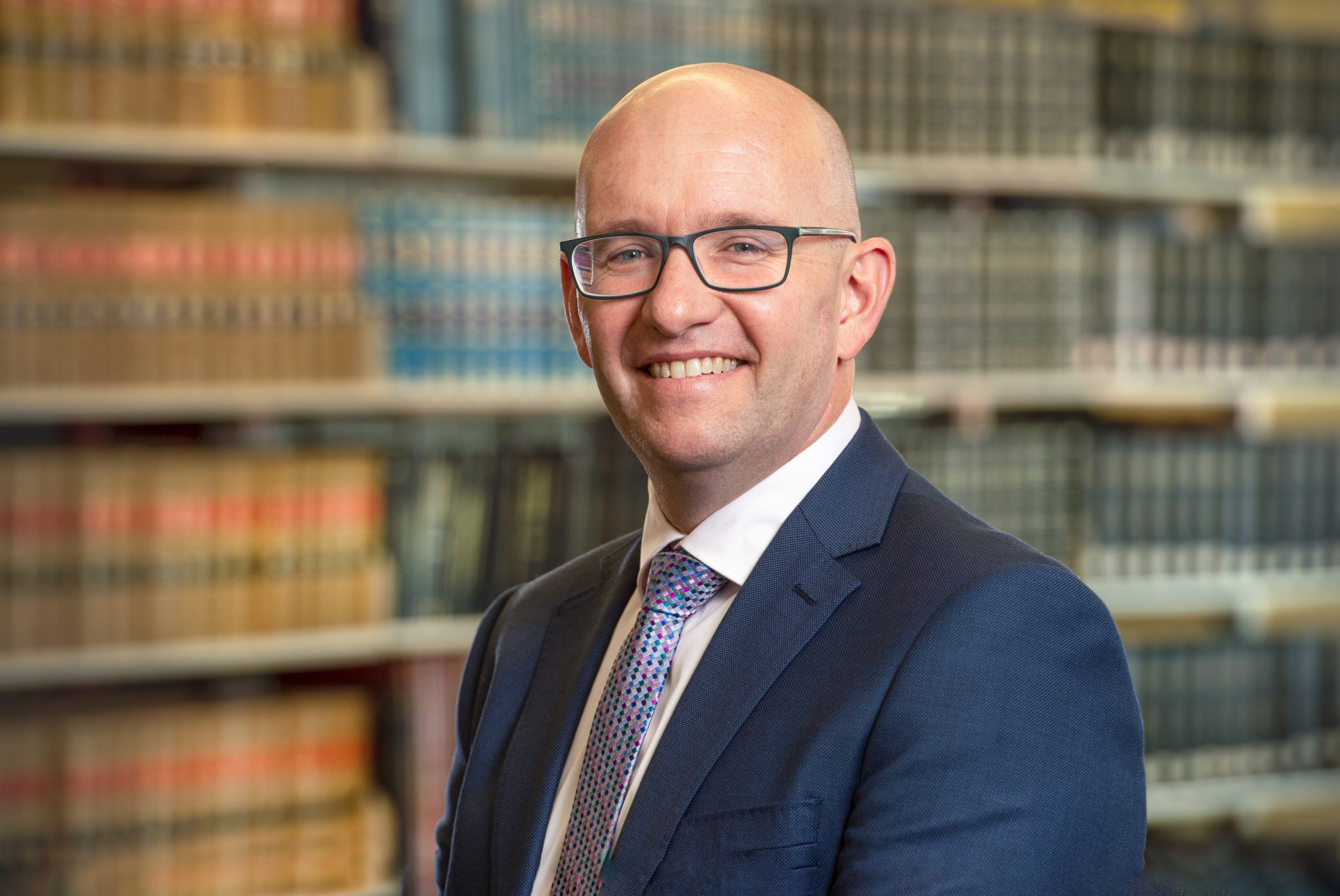
Professor of End-of-Life Law and Regulation
Distinguished Professor Ben White is Professor of End-of-Life Law and Regulation in the Australian Centre for Health Law Research at Queensland University of Technology, specialising in voluntary assisted dying and end-of-life decision-making. A Rhodes Scholar with a DPhil from Oxford, he previously worked at the Supreme Court of Queensland, Legal Aid Queensland, and served as Commissioner of the Queensland Law Reform Commission.
Ben has authored over 250 publications and edited leading texts including Health Law in Australia and the Research Handbook on Voluntary Assisted Dying Law, Regulation and Practice. His research has directly shaped voluntary assisted dying laws across Australia and informed clinical training for health professionals nationwide. He co-authors the End of Life Law in Australia website, making the law accessible to parents, families and clinicians, and is currently leading an Australian Research Council Future Fellowship developing better approaches to regulating voluntary assisted dying.
Summary
What you'll hear in this episode:
- The three legal tools everyone should have in place: advance care directives, enduring powers of attorney, and what happens if you have neither
- Why advance care directives so often fail between being written and being followed, and the points along that journey where things go wrong
- How family pressure at the bedside can override a person's documented wishes, and what actually helps clinicians hold the line
- The quote from a health practitioner that stuck with Ben: knowing the law means "it's not the person with the loudest voice in the room who makes the decision"
- How to choose and prepare a substitute decision-maker, including when appointing more than one person can create conflict rather than clarity
- Where to actually store your advance care directive so it's findable when it's needed, not tucked away in a filing cabinet
- Voluntary assisted dying laws across Australia, how they vary state to state, and where the Northern Territory's bill currently stands
- What conscientious objection means in practice for clinicians, and the story of a patient left with nowhere to turn
- Why a Commonwealth telehealth restriction is forcing dying patients to travel for assessments that could happen by phone or video
- What Australia can learn from Belgium and Canada about integrating voluntary assisted dying into end-of-life care
- Ben's three-item wish list for the future of end-of-life law in Australia
Transcript
Ben White: [00:00:00] there's a great quote that stays with me from, someone who was interviewed in, in some of the research that our, our team has done. this health practitioner said, "I now know because I've, I've done some training on, on the law. I now know that it's not the person with the loudest voice in the room who makes the decision." Ben White: in the Ben White: research that we've done, people who were living in, you know, in the middle of a capital city, but had to travel, for example, twenty minutes to go and see their specialist, that was excruciating. Ben White: They were ... Read More
Ben White: [00:00:00] there's a great quote that stays with me from, someone who was interviewed in, in some of the research that our, our team has done. this health practitioner said, "I now know because I've, I've done some training on, on the law. I now know that it's not the person with the loudest voice in the room who makes the decision."
Ben White: in the
Ben White: research that we've done, people who were living in, you know, in the middle of a capital city, but had to travel, for example, twenty minutes to go and see their specialist, that was excruciating.
Ben White: They were extremely unwell, and that journey required huge logistical other, and burdens and, and suffering. So that is how that has, has played out, and those are some of the harms that, that's causing.
Ben White: It was
Ben White: in the news every day, on TV every day. In Queensland, for example, when, when the laws passed, we did a study of a thousand Queensland adults, about seventeen months after the law had passed, we were very surprised to learn that only one third of those adults, we surveyed, it was a representative sample, [00:01:00] knew that voluntary assisted dying was legal.
Welcome to Don't Be Caught Dead, a podcast encouraging open conversations about dying and the death of a loved one. I'm your host, Catherine Ashton, founder of Critical Info, and I'm helping to bring your stories of death back to life. Because while you may not be ready to die, at least you can be prepared
Don't Be Caught Dead acknowledges the lands of the Kulin Nations and recognizes their connection to land, sea, and community. We pay our respects to their elders past, present, and emerging, and extend that respect to all Aboriginal and Torres Strait Islander and First Nation peoples around the globe
Catherine Ashton: Today I'm speaking with Professor Ben White. Ben is a professor at End of Life Law and Regulation in the Australian Centre of Health Law Research at Queensland University of Technology, specializing in voluntary assisted [00:02:00] dying and end-of-life decision-making. A Rhodes scholar with a PhD from Oxford, he previously worked at the Supreme Court of Queensland, Legal Aid Queensland, and served as commissioner of the Queensland Law Reform Commission.
Catherine Ashton: Ben has authored over 250 publications and edited leading texts including Health Law in Australia and the Research Handbook on Voluntary Assisted Dying Law, Regulation and Practice. His research has directly shaped voluntary assisted dying laws in Australia and informed clinical training for health professionals nationwide.
Catherine Ashton: He co-authors the End of Life Law in Australia website, making law accessible to patients, families, and clinicians, and is currently leading an Australian Research Council Future Fellowship, developing better approaches to regulating voluntary assisted dying. Thank you so much for being [00:03:00] with us today, Ben.
Ben White: Oh, thank you, Catherine. Looking forward to the discussion
Law Versus Clinical Reality
Catherine Ashton: Ben, you've actually spent, you know, quite a bit of your career working out where the gaps are between the laws and then what happens in practical medical decision-making.
Catherine Ashton: where are you seeing the widest gaps between those two things?
Ben White: Catherine, that, that I think is the sort of interesting or exciting part of all this, and the law on the books, it probably doesn't really matter what the law says. What actually matters is what happens in practice. So our research looking at, yeah, how law is operationalized, how it's known, whether it's followed, is, is the stuff that we found really, really interesting. there's different levels of compliance, I think, between different areas of end of life law. In some, like voluntary assisted dying, I, I think that compliance is very, very high, and doctors take that very, very seriously. in other areas, I, I think there remains a bit of a gap. probably the one where the, the biggest gap is in relation to advanced care [00:04:00] directives. these are documents, as you know, where people can complete their wishes, and sometimes, depending on the document, sometimes they may wish to make them legally binding. and when that's the case, the law in all jurisdictions, means that that is... those are documents which have to be followed. we've done a study which looked at whether or not doctors followed advanced care directives, and there was a significant gap there. and I do recognize the complexity of that. it's difficult sometimes to rely on these, these documents. Sometimes they're completed, earlier in time. they may not have contemplated the specific issue that has arisen. but for some people, it is really, really important to be able to make these decisions in advance, and those are the... that's probably the real sort of sharp or pointy end, where those issues can arise
Why Directives Get Ignored
Catherine Ashton: And has there been any themes that you've noticed in that research where those gaps with the advanced care directives where the wishes haven't been followed?
Ben White: One of the studies we did, we tried to [00:05:00] set up a scenario which had a great deal of clinical tension. So the, the, the correct answer in most of the jurisdictions that we looked at was to follow the advance care directive. But clinically, this would have created a great deal of discomfort. The person could have recovered, and it was a circumstance where the family was adding pressure because they wanted the, the person to be treated and not to be, not have retre- the treatment according to their advance care directive. I think that's when, you can really sort of see that, that sort of tension. And in fact, we tried to identify those different features that would determine whether or not, doctors would follow advance care directives because it's easy, isn't it? If it lines up, if the advance care directive suggests a decision which the doctor says, "That's a good idea," then of course that just happens. when it's not clinically indicated or when there's risk or worries about family, those are the circumstances when doctors are, were more likely to, to baulk at following the advance care directive and more likely generally, for example, to provide the treatment
Family Pressure At Bedside
Catherine Ashton: [00:06:00] And I'm not sure whether your research went into this, but how much of a role does the family at the bedside play in those scenarios?
Ben White: It, look, it, it can be very, very significant.the ideal scenario, of course, is if someone has got very specific wishes that they have, you know, carefully thought about the, the decisions they wanna make, they've documented them carefully in their advance care directive, and had discussions with their families and family members, including anyone who might be the, the relevant legal decision-maker, so everyone's on the same page.
Ben White: And so when this issue arises, there's no surprises, there's no questions about what mom, dad, or husband or wife w- would have wanted. Everyone knows and is on the same page. sometimes those discussions, in fact, often those discussions don't happen, and then you find yourself in, in a difficult situation where a decision needs to be made. sometimes an advance care directive's produced and the family might say, "I've never seen that before. I didn't know mom or [00:07:00] dad had, had one of those. this is en- entirely news to me." And you can understand in those settings why family members might be, concerned or, or, you know, sh- we shouldn't follow this. I guess that the complexity for, for doctors and, and health practitioners is that, in that room at, at that time if the person doesn't have capacity and can't speak for themselves, the only sort of person advocating is, is might be the family member who is saying, "Please do not follow that advance care directive."
Ben White: It does put, doctors in a, in a very difficult situation. I think one of the things that can really help with this, and there's a range of things, some of these are not legal, but actually knowing the law and knowing what advance care directives are, when they're legally binding, who has legal decision-making if the advance care directive isn't binding.
Ben White: I, I think, having doctors who know the law puts them in a better position to be able to navigate some of those discussions. indeed, some of the research that we've done in, in different settings, has found that, health [00:08:00] practitioners have described, increased knowledge of the law as, as empowering and, and help them facilitate or have those conversations.
Ben White: There's a, there's a great quote that stays with me from, someone who was interviewed in, in some of the research that our, our team has done. this health practitioner said, "I now know because I've, I've done some training on, on the law. I now know that it's not the person with the loudest voice in the room who makes the decision." I think the idea to know that actually, there's a process, there are decision-makers, there's documents, and each of these have different roles, I think can be a, an important empowering, experience or opportunity to help, sort of prompt or facilitate those sorts of discussions that need to happen.
Three Key Legal Tools
Catherine Ashton: How much do you think that there is confusion, like we've got different laws in each state and territory of Australia when it comes to these things? So would you be able to just give us a, broad overview of, you know, what is an advance care directive? Some people might even think of it, because it is a, relatively new term.
Catherine Ashton: I know [00:09:00] that, we used to have powers of attorney in relation to medical, and then financial. So if you could just give people an overview, Ben, that would be great
Ben White: Yeah, of course. Catherine, you're spot on. One of the challenges here is that there's different laws in each of the states and territories around the country. There are some similarities when it comes to advance care directives and substitute decision-making, so there is some consistency across the country.
Ben White: the laws are different. They use different terms. People move in and across state borders, so do health practitioners as well. So that is, undoubtedly, something that makes life very complex. probably there's, three main concepts I might talk about. One is advance care directives, and that's a document where you're able to, express what treatment you would like or treatment you'd like to refuse. and you may also wish to set out things like your goals of care or the values, things that are important to you. these documents are not just about, you know, I'm making X legal decision. They, they're actually a way to give, your family, treating [00:10:00] team some insight into who you are and what things matter to you. So they can have both a legal, legally binding component, but also a sort of guiding or directing, aspect as well. and they are documents that you complete when you have capacity, to operate at a time when that capacity, has been lost.
Catherine Ashton: And I think some people might, have the decisions about do not resuscitate intubation. they're the documents that, that cover those wishes, aren't they, Ben?
Ben White: That's correct, yeah. Decisions commonly made in advance care directives are, do I want to be resuscitated or not? Would I want to be, intubated? would I want to receive other life-sustaining treatment? That's often been a, a focus of, of those, those documents. I do think that modern trend towards, thinking about values, goals of care, I do think that's really important as well.
Ben White: a lot of the state-based forms not only have places where you can put the, the sort of the more legal, "I don't want X," or "I don't want Y," also those sort of [00:11:00] value-based, aspects as well. so the second concept is, enduring powers of attorney, and they're called a range of different, things depending on the state and territory that you live in. But in short, that's an opportunity for you to appoint someone to make decisions about your healthcare if you can't make them for yourself. So, that's a very important role, and it's one that, that you've got to find the right person or persons, to do that. And again, like with the advanced care directive, it's not something that you would sort of appoint and then put in a drawer and not have a conversation with them or not sort of work through how decisions should be made. That's really a process of deciding who would be... Who do you trust to make those decisions? Who would you like them to consult when making those decisions? what values, what goals of care, what things are important to you? so that's, I guess document number two. And for folks who don't have an advance care directive or haven't appointed someone, the various states and territories [00:12:00] have, a, I guess we'd call it a default substitute decision-maker.
Ben White: Someone who, if you haven't taken the step of appointing someone, who could make that decision on your behalf. And there's usually a list of, of, people in that, in the legislation, which is Parliament's best guess at if you hadn't picked someone, who do we think nine times out of ten you'd like to make that decision?
Ben White: So unsurprisingly, at the top of that list, is usually the person's spouse, provided the relationship is close and continuing. then there's usually a list that follows that includes, you know, family, particularly a family member who's caring for you, all the way down. so those are the, the sort of the three main concepts when we think about, um, sort of this area of end of life, uh, law and decision-making.
Catherine Ashton: In the example where, advanced care directives are a relatively new tool in, in the toolkit, if you had a, enduring power of attorney [00:13:00] and then completed an advanced care directive, does one cancel out the other?
Ben White: the answer to that, generally is, is no. in some jurisdictions, those documents are actually contained within the same, document. So, for example, it's possible in Queensland in an advanced health directive to also a-appoint an enduring power of attorney. And so if you do that, you might need to be conscious of what implications that has for previous appointments. I think as a general proposition, if you're completing, one is a document about making decisions, and another is a document about appointing people, they work well together. But there can be some complexity, depending on which state and territory you live in, to make sure that, that still reflects, what you would like
Catherine Ashton: Thanks for clarifying that, Ben.
Best Practice Planning
Catherine Ashton: And that is when we're talking about end of life planning. What have you seen sort of the best practice, in the research of ideally what we should all be [00:14:00] doing?
Ben White: I think, the idea of, advance care planning is everyone's business, this is not something that you wait until, the very end that you decide, "Actually, now I'll think about what sort of, decision I would like or not." one obvious reason for that is sometimes there's not an opportunity for that deliberation period as you approach the very end.
Ben White: Sometimes it might be, quite unexpected, and, and catastrophic. And so as a result, having not had any discussions or any thoughts even for people who've previously been well, that, that can be problematic. I think the idea of, of, being prepared,doing some planning regardless of stage of life, I think is really important. I think, advance care directives in terms of actually making treatment decisions, I think there's different views on that. I think sometimes, unless you have a particular condition or, or know what a particular trajectory is, that can be difficult to anticipate what you may want or not. But I would probably say that most people have a pretty clear sense of their values and their goals of care and what things would be important [00:15:00] to them, and how they would like people to make decisions.
Ben White: So I think care directive that captures those sorts of, aspects i- is, is really important and, and something that everyone can do. the other thing that I think is really important is, I think people should appoint someone to make the decision for them. There is that backup list that I mentioned before. but I think there's two problems with that. it is Parliament's best guess, and that won't always be precisely who you want to make that decision, and the, the, that list in the legislation may not reflect your family circumstances. It may not reflect who's best placed to make those decisions. So I, I think the idea of taking that in your own hands and saying, "This is the person or people who I'd like to make that decision," I think that's an important document to complete as well. And the other upside is if you're not relying on the, the sort of legislative hierarchy that the default substitute decision maker, if you've actually appointed someone, it's a great trigger to have those conversations, and it's a great prompt to say... I mean, it'd be [00:16:00] difficult to imagine, "Oh, can I appoint you to make decisions about my healthcare, including any significant health decisions?"
Ben White: And then sort of packing the, the form away and never having a conversation. It's a great opener to say, "Look, these are the things that are important to me," and, and explore that. So I don't take a, a view about, you know, there's only one right way to do advance care planning and, and everyone should do this and that.
Ben White: But I do think the idea of, articulating your goals and values and documenting and discussing with people you care about them and appointing someone or, or people to make that decision, I think that's, that's good practice across the board.
Choosing Decision Makers
Catherine Ashton: And is there a good number of the amount of people you should have as a substitute decision-maker or a power of attorney for you?
Ben White: That is a really good question, and the answer to that, I think, is, as diverse as, humanity.often people appoint their adult children, and I think that as a general [00:17:00] proposition makes a lot of sense. So, sorry, generally appoint their spouse and then their adult children as a, as a backup s- scenario. I think adult children can sometimes have, quite different views on what the right or wrong thing is, and they also have different relationships, with mom or, or dad. Some, some might be seeing them every day, providing care. others might live in another country and have that less contact and so less connected with where they're at.
Ben White: So I think one of the risks of, if you have, you know, four adult children, for example, and you appoint them all, that can potentially lead to some conflict and some decision-making difficulties if everyone's not on the same page. conversely, I think if you've got four and you appoint one, they might have legal power, but it's not just about legal power.
Ben White: You know, these decisions are a, sort of social exercise as well and a family exercise. that can have its own complexities. I guess what I would say on that front is, regardless of who you're appointing, it's worth thinking about who else will be in that [00:18:00] room, And might not be the actual room.
Ben White: It might be a virtual room if people are living overseas or in other places. Think about who else to be in that discussion, and then, make some decisions about who should be decision-makers. Is it all? Is it some? you could appoint, for example, one person who is the local person who's providing care but with a duty to consult the others. but whatever it is, I think careful thought needs to be given to family dynamics. And given the diversity of family dynamics and how these things can play out, particularly in very stressful situations, I don't know if have too much wisdom to offer on that other than to be thinking about the very specific dynamics of one's individual family and those decisions.
Wills Executors And Surprises
Catherine Ashton: I'm thinking that you also need to give consideration to how the roles transfer over time when we move from someone who's supporting you with decision-making before death and then supporting you [00:19:00] after death as a role as an executor in a will. How do the roles transfer over, and what have you seen that are the challenges and the good things in that, Ben?
Ben White: Yeah, so I, I must confess I've done much less work on, the other side of, o-of death. most of my research has been on, end of life decision-making, rather than the succession or wills side of things. that said, they are quite different roles obviously, aren't they? And, and the things that would make someone a, you know, the right person to make a decision about what sort of treatment would be needed or, or not is quite differently-- quite different from, who might be best placed to, you know, the assets of the estate and bring them together and, and carefully and diligently work through that process. one thing I think I should say is thatI do think it's important to have a, a will and to identify an executor. I think, disputes about who can undertake [00:20:00] that role if there isn't a will, I think can be harmful to families. And the other thing, again, not being an expert in this field, which I think might be useful, is, I think it can be valuable.
Ben White: We spoke about discussions about what sort of treatment people do or don't want. I think discussions about what, might happen after death and how different assets might be distributed and, and certain patterns, I think that can be important to discuss a-as well. I think when there's surprises about Person X getting Y, or if the shares aren't equal, if there's a reason for that, I think those sorts of discussions can be really important.
Ben White: And it might be as simple as, Person X, gets a reduced amount in the will because, during our lives, we helped set up their business and created, you know... So, so some of that money was... But if that's not known, then when, when it comes to that point, then complexities can arise.
Ben White: I think the idea, one, of having a will, two, making sure you appoint an executor, and three, then having some conversations so [00:21:00] there's no surprises after someone dies are, I, I think, important principles.
Catherine Ashton: And it really made me think of it when you were talking about the different qualities when we're looking at children, the different qualities that our children might have, that some might be more suited to the asset tracing and, that kind of auditing that's required after someone dies, and someone might have the skills that are more suited to the medical decision-making before someone dies.
Catherine Ashton: So I think that that's a really interesting thing that you pointed out to, to navigate in that family dynamic as well when thinking about those two documents and those two very different roles
Ben White: Yeah, I think it is worth thinking about, of course. it does also depend on the relevant children also seeing that in themselves. it might be complex if someone says, "I, I think I'd be as great a decision-maker as my sister or brother," and that's not recognized. So yeah, [00:22:00] again, I guess that points to the discussion about, what those roles should be
Catherine Ashton: And I like how you mentioned that when you were talking about the advanced care directive, that it may not be necessary for someone who may not have a condition that's diagnosed now. But again, it's that need to update these documents as our health changes and our circumstances change, so we make sure that those things are in place.
Catherine Ashton: When have you seen it, done not so well and where there could have been a document in place and, and could have caused, less harm than perhaps what you've seen?
Ben White: I think some of the disputes that we've seen play out in court or courts or tribunals, some of those are premised on different understandings of what the person would have wanted or what constituted good quality of life from that person's perspective. so I think, that, that's probably the situation where, everyone loses.
Ben White: So I think if you [00:23:00] engaging in co-court litigation and, you know, that very sort of difficult and sensitive and, and really personal time of life, if that then sort of plays out in, in the court settings, that's the time I think when everyone's lost. And I think if that happens, as sometimes it can, because there isn't clarity about what was wanted and people arguing, "Actually, this is what person X would have wanted or this," I think that's, that's one example, that we can see in the, in the, in the legal setting, where those, undesirable outcomes happen.
Ben White: They're very, very rare. I think something that clinicians generally do very well is, conversations, and over time and trying to sort of really get at the core what, someone would have wanted. there's one, palliative care colleague who I know has a conversation with family and says, "Well, think of your mother, for example.
Ben White: Think of your mother at, at age 40. if she was sitting in the chair here watching herself here, what, what would she want to say to you? what would she say that would, she would like?" So I do think there's ways for those [00:24:00] conversations, to unfold. But agreement or disagreement about whether treatment's worthwhile or whether it's non-beneficial, futile is sometimes another word that's used.
Ben White: I mean, those are, vexed, debates and, and ones which, sometimes can be difficult to resolve 'cause sometimes they're just a value judgment about what, what life is worth living.
Clinician Role And Settings
Catherine Ashton: Perhaps that's something that I'd like to shift our focus to now is that role of the clinician. And, that can be quite challenging at times, Because there's different scenarios where you're in the, the GP setting is very different to a doctor in ED
Ben White: A good end-of-life decision-making, and those conversations that go with it, is, is, such a valuable skill, and many clinicians do it very, very well. and it can make a huge difference to the person who's receiving treatment, and indeed, their, their family, of course, as well. sometimes the, the context can have a significant impact on that. you mentioned, for example, in the GP clinic, sometimes there's actually scope and time to sort of have some of [00:25:00] those more in-depth conversations. but actually equally, sometimes the pressures of, of, of billing, and if you're working in a GP clinic, you've got limited time, that that can actually be challenging as well. and the other setting you mentioned was the emergency department too. I mean, that-that's probably not a place which historically has been well, sort of set up for advanced care planning, end-of-life discussions to actually do some thinking. there have been some folks who've done some terrific work, in that setting. like there's places, for example, some EDs actually have now a designated room or area which is away from the noise, away from the, the beeps and the sounds, actually some of these conversations, can happen. I think clinicians, who are committed to really thinking carefully about, you know, how to promote good, high-quality discussions, I think they try and find ways to do that in whatever setting they might find themselves.
Ben White: But it's also fair to say that there, there are aspects, in the system, in the structure, and the way that healthcare is generally provided, which can, can [00:26:00] get in the way of that. Time, billing, lots of patients, all of those things can, can impede those good conversations. But I guess I, I've seen colleagues, who are really committed to this and, and, and I think do a terrific job at, at carving out that time and making that a priority.
Making Directives Work
Catherine Ashton: It's one thing to have the document as the advance care directive and your wishes written down, but where are the gaps? Where is the research showing that the gaps are in making that, those wishes turn into reality in practice?
Ben White: Yeah, I think if we sort of follow the trajectory of, of advance care directive from sort of, I guess, creating it through to enacting it, think there's a whole series of points where, things can either go right or, or go wrong. And I'd start right at the beginning. I think, there can be advance care directives which don't really reflect high-quality decision-making.
Ben White: It's not informed. It... There hasn't been, the opportunity to think through, what people might want. For, [00:27:00] for example, sometimes you see, a blanket refusal of antibiotics, but what happens if those antibiotics might be needed to relieve your pain? And, it's actually a, a, quite a pressing sort of pain and suffering issue as opposed to life-sustaining treatment.
Ben White: So I think making informed decisions in those documents I think is really important. think it's then important to have discussions with people who may be needed to enact them. I think we've spoken about how important it is to make sure that families are, are on the same page, they know what you want and know what that document says and why, why you want that.
Ben White: I think that's absolutely critical, and that might include members of your healthcare treating team as well. I think, when we think about the back end about, you know, should I rely on this advance care directive, if there's been a conversation with the treating clinician who has to decide, do I follow this advance care directive or not?
Ben White: And that's been preceded by a, a detailed conversation about why this [00:28:00] matters, and here's my goals, and here's why I'm... just gives that clinician confidence to know this is authentic and this is truly what they want. So I think making good decisions, making sure those discussions are had, then it's a matter of, of storing it, I guess, in a place
Ben White: effective, in terms of being retrieved at the time when it's needed. we've all heard stories of someone has died, and here's the will, and right beside it is the advance care directive specifying all the things they didn't want, which they got in the last week of their life. in a little, you know, tucked away in the box in the filing cabinet is not the place, uh, for an advance care directive.
Ben White: It needs to be with the substitute decision-makers. It needs to be on medical records. It needs to be with the relevant doctors. So- making it findable and locatable. it requires clinicians also to then actually do the act of looking in the medical record or doing the searching required to retrieve it. I think that can sometimes be a point at which it falls down. in conversations with [00:29:00] clinicians, you hear about, it was on the record, but we just didn't look at it or f-for whatever reason. So I think that can be a challenge. And the, the final step in the process, of course, assuming all of those things have worked, is that the clinician then has access to it and decides to act on it as a- as appropriate, assuming it is appropriate. a-and I think one of the core things there, which I think going back to the beginning of our discussion, was, A, knowing what the law is and knowing when these documents have to be followed and when they, they don't. because there are some circumstances, there are some exceptions where advance care directives don't have to be followed, and a good one is a change of circumstance. but the classic example that's sometimes given, because, because it's so clear is, and there's case law on this, a person who was a believer of the Jehovah's Witness faith completed a, an advance care directive refusing blood, then five years later renounced their faith, "I'm no longer a Jehovah's Witness," but did not, revoke or destroy the [00:30:00] advance care directive and that was found. But it was clear that that no longer should apply, circumstances have changed. So there are some circumstances where they don't need to be followed. so having a clinician who has that document in their hand or the document on the screen, knowing when it needs to be followed and when it doesn't, and then being willing to do that.
Ben White: some of those tension points are where there's a family saying, "Oh, no, don't, don't follow that," when it's asking for something that the doctor themselves might feel is not clinically indicated. and again, I think all those steps leading up to that can help with that confidence of that doctor.
Ben White: If they've had a conversation, "Yes, this is un-unusual, but I know this is really what the person wanted and, and, and here's why." So lots of points on that journey from thinking about what you want to documenting all the way through to it being acted upon where, things can either go well or not so well.
Training For Clinicians
Catherine Ashton: And two questions I have from that is firstly, is there training that's [00:31:00] provided to clinicians on this?
Ben White: That's a great question, Catherine.I'm glad you've asked it, and this wasn't in the script because it gives me a chance to, mention End of Life Law for Clinicians. I can talk about wider training as well, but this is, this is free training, which is online and funded by the Commonwealth Government. it's been in existence for, a decade now, and it provides a really short and focused, and free training on all the different aspects of, of end of life law, including advanced directives, including substitute decision-making, voluntary assisted dying. Anything you want to know about volunt- about, end of life law, End of Life Law for Clinicians has got a module which, which deals with that. there is, I think resources like that out there available. It's probably fair to say when we think about the, the journey of medical and health education, some of the older doctors probably... I mean, these laws weren't in force when, just tell you, like the advanced care directive, some of these are relatively newer, not [00:32:00] have been in force when those doctors initially qualified.
Ben White: But now there is, medical curriculum which deals with this, which I think is terrific. I think there's ongoing continuing professional development in, in different sort of settings as well. So I do think there is, resources and training available, for clinicians. Time is always the challenge.
Ben White: The folks are very, very busy, of course. but I do think for the reasons I mentioned before, I think what the law is can help facilitate conversations, it can be empowering in conversations, and it can also help make sure that, clinicians are making decisions that are, you know, it helps them manage risk to, to be able to make the right decisions, in, in those settings.
Ben White: So yes, there is a training. please forgive me for that plug there,It is a free resource that's funded by the Commonwealth. So I think it's one I would love for, interested clinicians to consider using.
Catherine Ashton: They're the sort of plugs that we like, Ben. So please plug away.
Ben White: Good. good. Very good
Storing And Finding Documents
Catherine Ashton: [00:33:00] And I was going to also, comment on the storing of the, advance care directives. where can people find them?
Finding ACP Documents
Catherine Ashton: Like when clinicians are looking for them, there's no unified system yet is there across Australia for that?
Ben White: Certainly not across Australia.some jurisdictions have taken a significant step forward to try and standardize that, and I think Queensland's done a, a good job at that. They have an office for advance care planning where people can submit, their, their documents which can be uploaded, and that will help facilitate clinicians to, to access that. in other settings, some of the sort of state health department, online medical, record programs have the ability to include, advance health directives and, and other, other documents as well. but there's certainly nothing at a, at a national level, and it does require at that, that state-by-state, state-by-state, territory-by-territory level, and that approach is, is not consistent
Catherine Ashton: [00:34:00] And so therefore it really does, again, the importance, of making sure that you share the documents with your people that you've nominated, and that they're accessible
Ben White: A-absolutely.
Sharing PDFs Fast
Ben White: I, I think the, best way to make sure your treating health practitioner, has the relevant document, I think is if it's the advanced directive or values or goals of care, whatever it might be, is if it is thrust in their hand by, one of the family. I think that's, that's the most effective, method of d- of delivering, a document like that to make sure it's in front of, a treating team. also good systems, you know, I mentioned some of those before where, where people can, but that I think is a very powerful way to ensure that, that a person's, voice is heard
Catherine Ashton: I actually keep my mom's documents on my phone in my files. I used to have them as photographs, but photographs can transfer, unpredictably when you're sharing them with [00:35:00] an organization, and they need to print them. So I've now kept them as PDFs, so they're really easy just to, to share and on demand when required.
Catherine Ashton: So there's a handy hint for people
Ben White: Indeed. Indeed. That's a good one
VAD Laws Overview
Catherine Ashton: And let's have a look at your other area that you're, very well-versed in, and that's voluntary assisted dying. It's been legal in Australia for quite some time. we've just recently had ACT come on board, and it's only Northern Territory where it hasn't been passed as legislation yet.
Catherine Ashton: How much do those laws vary state to state? And what are the laws, Ben?
Ben White: Yes, of course. it, it has been a quite a remarkable change, when, when you think about it. so Victoria was the first to pass this law in 2017, came into force in 2019, seven jurisdictions, Australian jurisdictions in total have, have followed in a relatively short period of [00:36:00] time. It is a... It's a, it's a very significant, and remarkable change over quite a short period of time. you're correct that the Northern Territory does not yet have a law, but it did last week introduce a bill into the parliament, and the media reports suggest that, there is sufficient political support for that bill to pass.
Ben White: We will wait to see what happens there, of course. but that would mean that the, that the country now would then have voluntary assisted dying laws.Australia's model in this field is a very narrow and conservative model of voluntary assisted dying when we look at the sort of situation internationally. it's limited to adults who have a terminal illness and are expected to die generally within specific time periods, six or 12 months, depending on where you live or what your illness might be. the ACT doesn't have a timeframe, but still requires people to be approaching the end of their life people have to be suffering, they have to be an adult, be making their own decisions, and have decision-making capacity. [00:37:00] so there's... That, that's the model in terms of eligibility, and there's a robust, process to a-assess it. three patient requests, and at least two health practitioner, two doctors, one can be a nurse practitioner in the ACT, and ongoing reporting to voluntary assisted dying review boards, which is the oversight mechanism to make sure the law is, is, is being followed. So that's the, the, the broad model across the country.
Key State Differences
Ben White: There is some variation, state by state, as, as you might expect when you have, like with advanced care directives and, and the other documents that we were talking about. you've got states making independent de-decisions about what their laws should be. but we... The reason why we have this sort of broad Australian model, which is very consistent, is Victoria went first, and the other jurisdictions largely that approach, but they did learn from the Victorian and other jurisdictions as time went on to try and find ways to improve things that, that weren't working. so for example, one of the differences is, which I alluded to before, is [00:38:00] the, is the timeframe to death. So it was in Victoria six months or twelve months if the illness was neurodegenerative. and that was just sort of picked up and copied by other states until we got to Queensland, where they opted for a twelve month, for all illnesses, and the rationale was, A, let's give some more... give people some more time to get through the process. and B, there wasn't really a justification for why six for some and twelve for other, others. and so that's where that's at in Victoria. sorry, the Northern Territory model, which is proposed, I, I think is looking at twelve months. the ACT is a little bit different there.
Ben White: It hasn't, it's chosen not to do a timeframe, but people still must be approached in the end of life. So it still is an end of life decision, but went down that path because, sometimes prognosis is difficult to know, particularly for illnesses which have acute events, a series of acute events, and you're not sure which acute event might be the terminal one. and the other thing was, [00:39:00] still the time taken to get through the voluntary assisted dying process. Very rigorous assessment process and can take some, quite some time.
Institutions Opting Out
Ben White: So that's area of difference, and, and one other I might mention which I think is significant is how, institutions who don't want to participate in voluntary assisted dying are regulated. the first three states to pass laws, Victoria, Western Australia, and Tasmania, they did not include any laws which dealt with that. In the last, four states, so Queensland, Tasmania, New South Wales, and the ACT, they all have provisions which regulate how institutions which don't want to provide voluntary assisted dying need to support patients or facilitate, them to still have access while not participating. So the rationale is that, and the, the law in that again differs by state, and even with- within states is very, very complex. But the underlying principle is let's have some rules and regulations so institutions know what their rights [00:40:00] and responsibilities are, people seeking voluntary assisted dying know the same, and that process can flow, and so we don't have... What we did see in Victoria was, for example, people in an institution who would not-- which would not provide voluntary assisted dying but were too sick to be moved, and so couldn't-- people couldn't come on site to assess, and so there was access issues, hence, the later jurisdictions have dealt with this by, legislation.
Ben White: So a, a very similar model nationally, but there are some of those points of, of difference along the way.
Catherine Ashton: And I'm assuming that it was due to religious affiliation that that would be a reason why an institution would not, have voluntary assisted dying
Ben White: Look, there's, two reasons. we did some research, to try and understand why this was the case. so reli- religious affiliation was, was one. the other was sometimes a philosophy of palliative care that, this should be separated from voluntary assisted dying. And so those were the, the two main reasons.
Ben White: Some of the, work I've [00:41:00] done, elsewhere, actually there was a, a third, and it was just kind of almost too hard. We don't want to... So they didn't actually set up policies and practice, it was just easier to say no. So those one and two were the, the most common reasons, but, that idea of it being too hard is, is something we've also seen in other parts of the world as well
Clinician Objections
Catherine Ashton: Has your research also covered, when there's that same, concern from a, a personal perspective when it's involving clinicians? How c- do they have the right to not treat someone who wants to go down the voluntary assisted dying pathway?
Ben White: All of the voluntary assisted dying laws, in Australia have specific and focused protection for conscientious objection. practitioner who doesn't want to be invol-involved in voluntary assisted dying has legal protection to be able to say, "No, that's something I, I don't want to be involved in." they need to respond is a little bit different state by state. in some jurisdictions, they are [00:42:00] required to provide the information or contact details of the voluntary assisted dying care navigator service. So that's a, a statewide or a state-funded, organization which helps patients, navigate, voluntary assisted dying.
Ben White: So it's, it's an entry point to the system. and in some states, doctors or health practitioners who are asked about voluntary assisted dying can say, "Look, I, I don't want to be involved in that. It's not for me, but h-here's, a number," or, "Here's some contact details for people who can help you." and I think that's actually really important that the law does do that, and that's generally how issue of conscientious objection is, is governed.
Ben White: It's usually you don't have to participate, but you c- you have to make sure that your... the patients you're caring for, don't miss out on an o-option or information that they would like. In some jurisdictions, those health practitioners are not required to do anything further, and, one story which stays with me in research that we did with, people who had sought voluntary assisted dying or their families, there was [00:43:00] one person who was a patient themselves, so it wasn't a family member.
Ben White: They described going to their GP, who they liked and respected and thought was a good GP, but they'd received a terminal diagnosis, and they were not going to live, for a particularly long period after this. they said to the GP, "I'd like to talk about voluntary assisted dying." And, the doctor said, I don't want to talk about it." And there was this really long pause where they both looked at each other, and nothing happened. And so the person I was interviewing sort of moved on. But they had no way to know how to access the system, who do I speak to next? so I do think that, that very basic requirement to at least, not requiring people to be involved, but connecting patients so they can take that step, it was very devastating for this person I was interviewing, and put them in a spot where they don't know how to navigate the health system.
Ben White: So I think that is really important that there is that, opportunity, that obligation, to share those details.
Catherine Ashton: [00:44:00] Because it is a legal pathway and it is an option that people have available to them
Ben White: Yes. A- absolutely. Absolutely
Telehealth Legal Barrier
Catherine Ashton: And Ben, I'm sure some people may have been aware of the conversation around, telehealth and voluntary assisted dying. Is that something that you can give some insight into?
Ben White: Yeah, it's one which I, I think has been, bouncing around for, for some time. It was, there was a private member's bill a couple of years ago to try and address this. It's been in the, the media and the news recently as well. the Commonwealth Criminal Code-- So as I mentioned before, most of the voluntary assisted dying laws, all of the voluntary assisted dying laws are state and territory level, sitting over the top is the, a Commonwealth Criminal Code, provision which deals with, providing instructions or promoting or inciting suicide, in inverted commas, over a carriage service or phone, video conference, email, fax, those sorts of things. It was [00:45:00] unclear whether or not the voluntary assisted dying laws would fall, within this because whether or not they constitute suicide or not, I think was, was debated. But the Federal Court, a couple of years ago confirmed that the, these laws would be captured. health departments were aware of this before then.
Ben White: That was sort of a, a test case if you like. But what had, what has happened and states have taken a different position on how this is managed in some states that n-no steps in the voluntary assisted dying process can be done as I mentioned, telehealth, phone, email, fax. other jurisdictions have taken a, a bit more of a nuanced approach and allowed some steps, but not others. But effectively what it means is that you've got people who have to, who are seeking voluntary assisted dying, having to travel to doctors to do a, a face-to-face assessment of, of their eligibility. that might not be as problematic for some, but for example, if you live in, remote Western Australia, that can be [00:46:00] hugely significant.
Ben White: And indeed, what happens there sometimes, and indeed in other places, is that the doctors actually have to travel, to the person because they're, they're too sick to be able to do that it's not just regional issue though. sometimes, in the research that we've done, people who were living in, you know, in the middle of a capital city, but had to travel, for example, twenty minutes to go and see their specialist, that was excruciating.
Ben White: They were extremely unwell, and that journey required huge logistical other, and burdens and, and suffering. So that is how that has, has played out, and those are some of the harms that, that's causing. I mean, I think the other bit that's p- sometimes not spoken about is if, for example, some states aren't allowed to use email or fax, that's often how prescriptions are shared or through some sort of e- electronic system.
Ben White: The idea in some states that you are hand-delivering prescriptions to different parts of the states or posting prescriptions, um, seems difficult to understand. [00:47:00] the fix for this is, is very straightforward. all that is needed is to say that this particular part of the Commonwealth Criminal Code is not intended to apply to state and territory voluntary assisted dying laws. and I think that's a logical thing to do because was back in two thousand and five when the, when the law was passed. these voluntary assisted dying laws were not in place and were not contemplated. So this was a law designed for another purpose, which has inadvertently captured the voluntary assisted dying laws, harm to patients, clinicians, and indeed just, a terrible waste of health system resources with, with people having to travel, in that way
Catherine Ashton: it really is, quite remarkable to think that I can receive a text message with my script on it, but that does not mean that it's accessible for someone else in that circumstance
Ben White: I mean, voluntary assisted dying is a lawful end of life choice.
Ben White: in Australia it's framed as part of our, our health system. If you look at the principles and all the [00:48:00] acts, they talk about it sits within healthcare. It's provided by doctors within a health system, and nurses and nurs- nurse practitioners in some jurisdictions. to, to, to carve out, that we can't use voluntary, sorry, we can't use telehealth in, in this one very, specific, field is, is very d- very difficult to understand
Access Workforce Awareness
Catherine Ashton: And what are some of the other things that your research has highlighted that has either surprised you or really keeps coming up time and time again as something that might be a misconception in this space?
Ben White: Yeah. Maybe I start with sort of a, a global sense of, of what the research and other evidence are showing about how voluntary assisted dying is, is working, and, and I think the short version is the system is, is working, safely, and, and remarkably well. These are significant changes, and they have come sort of swept across Australia across seven jurisdictions.
Ben White: As I said, these are very, very [00:49:00] significant systems which have been implemented.overall, the evidence is that, the systems are working safely, that only eligible people are, are receiving voluntary assisted dying, and that, it's increasingly being accepted within health systems by medical practitioners and the community. I, I think... Yeah, so I think that's, that's probably the starting point that there are some areas to, to work on. There's some, some issues and, and questions, but the starting point is that these systems are, are working well and safely. Probably the, the area where the most work is needed is, is on the point of, of access. I mentioned before that Australia has a very highly regulated voluntary assisted dying system, and that flows through to that, that very detailed assessment process. for example, I mean our, our legislation, if you look at each of the, the different laws in the states, they're generally over 100 pages long, which is quite different from anywhere else in the world 'cause it's so heavily regulated, and that, has caused some, some [00:50:00] issues for access. I think telehealth was, an unintended one, but that, that, that's one, I think, issue that's been there. another one which I think we probably didn't think enough about of, when introducing voluntary assisted dying was about workforce sustainability. Our clinicians who participate in this work describe this as, as really meaningful and important work that they, they, yeah, they, they find helping people with this very, very difficult choice and helping their families as very meaningful and significant work. But it's also demanding, as you might expect, and w- and that's not surprising. To provide voluntary assisted dying, you need to be trained, have certain qualifications, and there's not a, a huge pool of, of doctors, providing it or nurses or nurse practitioners where that, where that's permitted in some jurisdictions. so ensuring sustainability of that workforce I think is important. think there's some, of additional burdens or confounding factors that makes this work [00:51:00] additionally hard. I mean, I think the telehealth one is. I mean, finding practitioners who are willing to drive. There's a, just, one of our research, participants in Western Australia described driving with a navigator nineteen hundred kilometers over a weekend to go and see a patient, provide assisted dying and come back. So in terms of workforce sustainability, that's a really significant load to carry. So it- that's one aspect of voluntary assisted dying that can be challenging. I think the, the telehealth, as I mentioned, ma- makes that particularly difficult. I think, the remuneration that's, that's currently available, voluntary assisted dying in jurisdictions is, is not something which people do because it is something, revenue based.
Ben White: People are generally in most jurisdictions, doing some of this, out of their own time, above their usual workload. and there isn't currently, an MBS item to properly support this, so that's, that's another issue for workforce sustainability. And, and the f- the final point that I mentioned in [00:52:00] terms of what sort of surprised, I might mention is, knowledge a- and awareness. there was so much media and debate and discussion. It was in the news every day, on TV every day. In Queensland, for example, when, when the laws passed, we did a study of a thousand Queensland adults, about seventeen months after the law had passed, we were very surprised to learn that only one third of those adults, we surveyed, it was a representative sample, knew that voluntary assisted dying was legal. So that, that was, that was surprising given all the publicity that had happened. So that's another area where I think more work is needed. and one response to that is, well, look, we don't need to know what every option is, and that, that's what doctors are for to or nurses are for to, to make sure we're fully informed.
Ben White: But I do think voluntary assisted dying is a particular setting. one some health practitioners have said, "Look, I won't raise it because I object to it." In some jurisdictions, there's a prohibition on raising [00:53:00] it.
Ben White: knowing that this is a legal choice I think is really important, and we were surprised that, only a third of, of those we surveyed, knew
Can Doctors Raise VAD
Catherine Ashton: And that's a really good point, the prohibition of people being able to raise it who are in the medical profession. Can you talk about that?
Ben White: Yeah, of course. this started in, in Victoria. So Victoria was the f- the first law, and one of the, aspects of its law was that, practitioners weren't allowed to raise the option of voluntary assisted dying, with their patients. this a very unusual provision. I'm not aware of, of any other health choice where doctors are not able to, to raise with their patients who they think might be eligible for it, and require the patients to, to know it themselves and initiate that, that conversation.and this approach was followed in South Australia. some of the, the research and the evidence that was coming out about how this was problematic led [00:54:00] other jurisdictions like Western Australia and Queensland, soften that a little bit, that, that doctors and nurse practitioners, for example, can raise it if they also mention other end of life options, palliative care, other treatment options in the same conversation. and so that is changing over time. and I anticipate that over time I, I suspect other jurisdictions, will also, take the approach of, of not going down that, that path. But it is, a difficult one to understand, and, and one that I think continues to, to cause issues even in jurisdictions where you're legally able to raise it. Because of the way it's regulated, I think it still causes problems for health practitioners. as soon as you say, yes, you can raise something, but when you do it, you also have to talk about this, this, and this, I think that sends a message, I'm not sure you should raise this. This is a, this is a tricky one, and B, here's a bunch of legal duties which are sort of sitting on your shoulder, make sure you get it right, and I, I [00:55:00] think that can impede those sorts of discussions that should happen. Colleagues overseas when we talk about this, think this is absurd. they think, look, doctors make judgment calls all the time about what options to raise and, and which is app- you know, when voluntary assisted dying might be appropriate. so it, it is one which is, distinctive at least about, some Australian jurisdictions, although all regulate it in some way.
Ben White: Even if they don't prohibit it, they do sort of control or regulate the way in which it can be discussed.
Catherine Ashton: I still am quite confused by that one, Ben, given the fact that it is a legal right for us to know that that is an option, and yet it is something that's not openly discussed. It's hard enough to discuss death as it is, let alone, you know, putting extra layers on top of that
Ben White: Look, you're a-absolutely right. I, I think, I think death, dying is a sort of [00:56:00] taboo, sort of stigma topic. as soon as you create legal regulation, which says, you know, warning, either you can't raise it or if you do, you should be very, very careful about how you do this, I think that layers another... it's not only the actual legal prohibition on or legal regulation of it, I, I think it creates a, a further stigma to discussing this. there has been some, some good work. We did a, a, a sort of a joint exercise with Advance Care Planning Australia to sort of think about, how voluntary assisted dying might be grappled with in that advance care planning context. so I think there is some good work, and I think we are a-as a, as a sort of s- society, as a health system, moving forward to greater awareness of this.
Ben White: But I do think, one, we need to be able to raise this where it's a reasonable option to raise, and two, we do need to do some work to make sure that community awareness that voluntary assisted dying a legal option, and that people may wish to choose it. I think that's really important as well.
Lessons From Overseas
Catherine Ashton: And you mentioned just, earlier [00:57:00] on about what we're seeing overseas. What can we learn from some of those systems that we could perhaps adopt here in Australia?
Ben White: We've done a study, looking at, Canada, Belgium, and Australia, and all the, the differences of their regulation of, of voluntary assisted dying. and I think probably the first point to make from that work is that it's very powerful to see how significant local values and culture is in terms of, sort of guiding what, what the law is and, and how powerful it can be to sort of, sort of peer over the fence and look at how other jurisdictions are doing things to see your own system anew.
Ben White: I mentioned before we have legislation in the various jurisdictions which are, over 100 pages long. in Belgium it is 14 sections. The whole act is 14 sections. Very, very short. and so I guess initially you already think, well, that they do things quite differently. It's not that, assisted dying is not [00:58:00] regulated over there, it's just that that regulation often comes from other aspects.
Ben White: It's not just set out in the law, there's policy guidelines and other things like that. So I mean, lesson number one I think is to think not just about how law can help regulate voluntary assisted dying, also how the wider tool... what wider suite of regulatory tools can help as well, that guidelines, that policy, and other sort of settings can help shape what counts as, as good practice. And we spoke about the telehealth example before. I think that's a great example of where sort of a, a, a big stick, a blanket ban that comes from law is a highly ineffective way to regulate that issue. If we want to regulate how telehealth should be used in voluntary assisted dying, that should be in clinical guidelines.
Ben White: That's a, that's a perfect, illustration of how, thinking broadly about what's the best way to guide behavior, what's the best way to regulate things, I think that's... it's a good illustration of that. Perhaps the, the other big, sort of lesson for, [00:59:00] for us when thinking about what other jurisdictions do is, and both of those countries have longer experience of voluntary assisted dying, Belgium in particular But one of the, the really powerful things I think we see differently in our systems is, that assisted dying in Belgium, for example, is part of end of life care. integrated, it's part of the health service, it's connected with palliative care. It's not assisted dying and then palliative care over there. These are connected services. there is this idea of, of a more seamless approach that a patient is not handed from one to the other, but a patient is being treated, in both settings, in a single setting with, with both of those, those options which are available to them. that's one thing I would love to see more of, in, in Australia, and I think we are seeing this over time. I think when these laws first came in, quite controversial, you know, how is this gonna work? How will health systems adapt to cope? Well, you know, some years down the track, they [01:00:00] have. and you know, voluntary assisted dying in a number of health settings just sort of fits nicely into that wider suite of end of life care. care is available. There's great discussions with advanced care planning to make sure it's a seamless exercise. That's not universal, and we've got some work to do here, but that, that I think is one thing that we've seen, and learnt from how voluntary assisted dying is done in those other jurisdictions.
Future Wish List
Ben White: And looking forward, Ben, what are some of the other things that you'd like to see?
Ben White: Well, one,which I have,been looking forward to, and I think is hopefully close to fruition, is,the choice of voluntary assisted dying being available for all Australians. we have seen seven jurisdictions pass their laws, and it looks like the Northern Territory may follow as well.
Ben White: That's not a choice for everyone,and it's a relatively small number of, um, percentage of, of total deaths. But for people who want that choice, they report how important it is for them and, and for their families as well. So the opportunity for all [01:01:00] Australians, regardless of where they live, in the country, to have access to voluntary assisted dying, that's one. I think a second thing would be to, see that ongoing growth and engagement with the role of end of life law from, medicine and health. And I think things have, have moved on remarkably from when we first started working in, in this field. end of life law was something over in the corner that only one or two doctors knew something about, and it was kind of, you know, law just gets in the way. I think we've moved past that, and increasingly we are seeing that law can help frame discussions, help... law can help protect patient rights and create those opportunities. I mean, all of those things we spoke about at the beginning, advanced care directives, enduring powers of attorneys, substitute decision-makers, and indeed voluntary assisted dying, those are all things created by law, and provide choices and options for patients.
Ben White: So I think seeing law through that, that lens, and seeing law as an opportunity to, empower discussions and [01:02:00] facilitate and help, bring about the, the right outcomes, would love to see that, that trajectory, which I think is there, continue in the health and medical field. And in the community, I, I would love to see, people know what their choices are Thinking about being prepared in an informed way. and I think I mentioned before that only one-third of, of the Queensland adults who were surveyed in that study knew that voluntary assisted dying was, was an option. I would love to see everyone know that that is an option. I'd like everyone to know what palliative care is, and actually have a, a proper understanding, about the benefits of palliative care, that early engagement with palliative care can be beneficial in terms of quality of life. and likewise advanced care planning, that people know what these documents are and, and, and when, when they should fill them out, and how they can do that effectively. I think the idea of, an engaged, and death literate, from a sort of legal perspective, I know people look at this from different settings, but I would like, as a threshold issue, all of those [01:03:00] choices to be known, and that people can, know what they need to do if, if those are choices they would like to pursue.
Ben White: So, those are the three things on my wish list, Catherine. some of them I think are probably easier to achieve than others, and others are a longer, sort of slower burn if you like. but yes, those are my three.
Catherine Ashton: They're a good three. I like those top three, Ben.
Where To Learn More
Catherine Ashton: And for people who are wanting to learn more about their end of life choices, what's available to them, where do you recommend people go?
Ben White: Look, I think there's a whole bunch of terrific resources out there. and I guess the, I mean, if they're interested in end of life law, there is the website which you mentioned kindly in the introduction. that's a, it's a free to access website. It's a sort of a passion project from our, our research center.
Ben White: We wanted to make the law in all those different areas that we've spoken about today in all the states and territories, accessible to people. So we've done summaries across, advanced directives, substitute decision-makers, voluntary assisted [01:04:00] dying, capacity, consent, all those things. that's end of life law in Australia, and if you just plug that into Google, that will bring you up to the, to that Australian Centre for Health Law Research, website. so I think that's, that's probably my starting point in terms of end of life law in Australia. obviously if we're thinking about, things like advance care planning, there's Advance Care Planning Australia, that's an obvious place to, to, to go for that. for palliative care, Palliative Care Australia I think has got some terrific resources, and including picking up that point about what is palliative care and why engaging with palliative care early is, is so important. for voluntary assisted dying, the Dying with Dignity organizations, Go Gentle are obviously terrific sources of information as well. so that would be my, my sort of top list. I might mention there is one other little body of work which we are doing, and we're very grateful for funding from the Wicking Trust, to do this.
Ben White: my colleague Madeline Archer and I with some others are developing a website and associated [01:05:00] resources which aims to inform older Australians about their end of life choices. And it came from this idea that we see this siloing in the field that people interested in voluntary assisted dying might not know about palliative care, advance care planning, or people doing advance care planning might not know about the other two as well.
Ben White: So the goal was that people thinking about what does the end of life bring or even planning for that, that there isn't this siloing of choices. so that is a work in, in progress, Catherine, and, and maybe I will try and,wangle an invite to come back on your show to maybe talk about that when,when that website's,up and running.
Catherine Ashton: That would be a great conversation and a way to, continue to let people know about how they can learn more in this space, about what their rights are and, and what their options are.
Closing Thanks
Catherine Ashton: Ben, I can't thank you enough for sharing your wisdom with us today. I've really enjoyed the chat. Thank you.
Ben White: Thank you, Catherine. It's been, yeah, a lot of fun. Thank you for the chance to discuss things that I, yeah, I think are really, really important, and [01:06:00] thank you for the work that you do bringing it to people
Ben White: We hope you enjoyed today's episode of Don't Be Caught Dead, brought to you by Critical Info. If you liked the episode, learnt something new, or were touched by a story you heard, we'd love for you to let us know. Send us an email, even tell your friends. Subscribe so you don't miss out on new episodes. If you can spare a few moments, please rate and review us as it helps other people to find the show.
Are you dying to know more? Stay up to date with Don't Be Caught Dead by signing up to our newsletter and follow us on social media. Head to dontbecaughtdead.com for more information and loads of resources.
Read Less
Resources
Connect With Ben White
End of Life Law for Clinicians (free training)
Advance Care Planning Australia
Dying With Dignity Organisations by State
Dying With Dignity Western Australia
Northern Territory Voluntary Euthanasia Society
Connect with Critical Info
- Make Death Admin Easy with The Critical Info Platform
A simple system to sort your personal paperwork for when your information becomes critical.
- My Loved One Has Died, What Do I Do Now?
Our guide, ‘My Loved One Has Died, What Do I Do Now?’ provides practical steps for the hours and days after a loved one's death. Purchase it here.
- Support Services
If you're feeling overwhelmed by grief, find support through our resources and bereavement services here.
- Support the 'Don’t Be Caught Dead' podcast with a one-off or regular donation to help Critical Info, a certified social enterprise, keep creating free, high-impact conversations about death, grief and planning—every contribution fuels our mission to reduce the burden on families and build a more death-literate, compassionate community. Donate now.


Share