


Home-Based Death Care, Family-Led Vigils and the Truth About Child Loss with Bonita Ralph



Listen now
About this episode
What if the last thing you'd ever want for someone you love is a viewing at a funeral home?
In this episode, I sit down with Bonita Ralph, a death educator, family support practitioner and former Holistic Funeral Director whose work spans home-based death care, infant and child loss, and paediatric palliative care. Bonita's journey began with a simple but profound question on a drive home from holiday: “What if I died? What would happen?” That moment sent her down a rabbit hole into community-led death care, eventually leading her to specialise in extended family-led vigils and the care of babies and children who have died.
Bonita shares what she has learned from working with bereaved parents, siblings and grandparents, including the “concentric circles of support” model for knowing who to lean on, and who not to burden, in grief. We talk candidly about invisible infant loss, the myths that still shape what people believe is or isn't possible in after-death care, and why she pushes back when funeral providers say something “can't be done.” Bonita also explains what home-based death care actually looks like, what a shrouded witness cremation involves, and why she believes death education belongs in schools.
We also explore her work in paediatric palliative care, where she says the first word that comes to mind is joy, and how holding both heartbreak and joy at once has shaped the way she supports families from diagnosis through to bereavement.
Remember; You may not be ready to die, but at least you can be prepared.
Take care,
Catherine
Show notes
Guest Bio
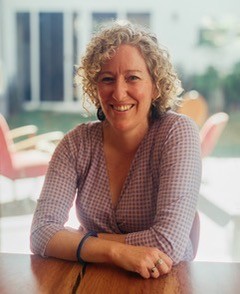
Death Educator, Family Support Practitioner & Advocate for Community-Led Death Care
Bonita Ralph is a death educator, speaker, workshop facilitator and family support practitioner who is passionate about helping people build confidence, knowledge and connection around death, dying and grief.
With more than 25 years' experience in youth and family support, community development and end-of-life care, Bonita brings both professional expertise and lived experience to her work. Her journey into death education began with a simple but profound question: "If I could birth at home, could I die at home?" That curiosity led her to explore community-centred death care, eventually becoming a Holistic Funeral Director and specialising in home-based death care, infant and child loss, and extended family-led vigils.
For six years, Bonita worked with an independent funeral company pioneering practices around shrouded burial, cremation and home-based after-death care. She led the funeral care for babies, children and young people. Today, she supports families as a Family Support Practitioner in a paediatric palliative care hospice, walking alongside them from diagnosis, treatment, through to end-of-life & after-death care, grief and bereavement.
The seed for Death Education was planted in 2018 when a grieving young person asked her a simple question: "Why don't we have death education at school?" That question inspired Bonita to create Death Education, a platform dedicated to helping people engage more openly and confidently with death through conversation, learning and community connection.
Bonita believes death is the most natural and ‘human' part of life and that through education, curiosity and compassionate conversation, we can create healthier relationships with dying, death and grief.
Summary
What you'll hear in this episode:
- The car ride question that changed Bonita’s life: "What if I died? What would happen?"
- Why Bonita calls herself a CODA (Child of Deaf Adults) and how that shaped her advocacy work
- What gets missed in early child and infant loss, and why it’s still often an "invisible" grief
- The concentric circles of support model, and why you shouldn't ask the inner circle for support
- What home-based death care actually involves, and how long a body can stay at home
- Family-led vigils, and why "being with" matters more than "looking at"
- What a shrouded witness cremation is, and why families are often never offered it
- Why paediatric palliative care is about so much more than oncology
- How Bonita supports siblings, grandparents and the whole family, not just the person who is dying
- Preparing teenagers for the funeral of a friend, and the blog post that's helped families around the world
Transcript
[00:00:00] Joy in Pediatric Care Bonita Ralph: Pediatric palliative care is a beautiful example of living with life-limiting illness because by nature, we want children to have joy. Bonita Ralph: I think we're much better at giving kids joy , and responding to kids' abilities, not disabilities, you know. So just looking at them and going, "Ooh, what can you do? What do you want to do? What makes you smile? What makes your eyes light up?" Bonita Ralph: I remember looking at it and at that little Bonita Ralph: one and thinking, "Oh, that's somebody's whole child." And it was so simpl ... Read More
[00:00:00]
Joy in Pediatric Care
Bonita Ralph: Pediatric palliative care is a beautiful example of living with life-limiting illness because by nature, we want children to have joy.
Bonita Ralph: I think we're much better at giving kids joy , and responding to kids' abilities, not disabilities, you know. So just looking at them and going, "Ooh, what can you do? What do you want to do? What makes you smile? What makes your eyes light up?"
Bonita Ralph: I remember looking at it and at that little
Bonita Ralph: one and thinking, "Oh, that's somebody's whole child." And it was so simple.
Bonita Ralph: Well, I say death is, is sad, but it's not bad 'cause death just happens. We can't stop that. But, , but how we turn up to it and how we support each other in it is actually how, how we can manage it and how we can be together in it.
Speaker 4: Welcome to Don't Be Caught Dead, a podcast encouraging open conversations about dying and the death of a loved one. I'm your [00:01:00] host, Kathryn Ashton, founder of Critical Info, and I'm helping to bring your stories of death back to life. Because while you may not be ready to die, at least you can be prepared
Speaker 4: Don't Be Caught Dead acknowledges the lands of the Kulin Nations and recognizes their connection to land, sea, and community. We pay our respects to their elders past, present, , and extend that respect to all Aboriginal and Torres Strait Islander and First Nation peoples around the globe Today I'm speaking with Bonita Ralph . Bonita is a death educator, speaker, workshop facilitator, and family support practitioner who is passionate about helping people build confidence, knowledge, and connection around death, dying, and grief. more than 25 years experience in youth and family support, community development, and end of life care, Bonita brings both professional expertise and lived experience to her [00:02:00] work. Her journey into death education began with a simple but profound question, "If I could birth at home, could I die at home?" That curiosity led her to explore community-centered death care, eventually becoming a holistic funeral director and specializing in home-based death care, infant and child loss, and extended family led vigils. six years, Bonita worked with an independent funeral company pioneering practices around shroud burial, and home-based after-death care. She led the funeral care for babies, children, and young people. Today, she supports families as a family support practitioner in a pediatric palliative care hospice, working alongside them from diagnosis, treatment, through to end of life and after-death care, grief, and bereavement. The seed for death education was [00:03:00] planted in 2018 when a grieving young person asked her a simple question, "Why don't we have death education at school?" good question, I have to say.
Bonita Ralph: Yeah
Catherine Ashton: That question inspired Bonita to create death education, a platform dedicated to helping people engage more openly and confidently with death through conversation, learning, and community connection. Bonita believes death is the most natural and human part of life, and that through education, curiosity, and compassionate conversation, we can create healthier relationships with dying, death, and grief. Thank you so much for joining us, Bonita
Bonita Ralph: You're very welcome. It's a long, long sentences, isn't it? Yeah
Early Career Path
Catherine Ashton: Well, you've, you've had a pretty amazing career to date
Bonita Ralph: Yeah, it's been very surprising. You know, no one sets out and thinks, "Oh, what will I be doing [00:04:00] in 25 years or more time in my working life?" And, um, yeah, I, I could never have predicted that in a million years.
Catherine Ashton: what did you predict 25 years ago that you'd be doing? What did you think?
Bonita Ralph: I think I knew when I, you know, finished school and went to uni, um, I studied to be a youth worker, and I think I knew... I used to always say, "I wanna work with people, but I don't wanna work with old people. I wanna work with young, you know, young people, and I don't wanna work with child- like, little children.
Bonita Ralph: I wanna work with teenagers." And, and that's sort of true. I don't think that's so true now, but, you know, I'm pretty c- I'm okay with the whole life spectrum now. And in fact, I think aged care has a lot of, uh, amazing, uh, capacity too, so, um, in terms of a work for, work for me. But, yeah, I think I just thought I would be...
Bonita Ralph: I don't know. I think you can't really look that far ahead sometimes and just, uh, you know, go into, youth work and, and see what happens. Yeah. But yeah, how, how I came [00:05:00] to be here is, yeah, quite m- is quite a mystery really. Yeah
Catherine Ashton: Had you had a home birth or were you, were you, is
Bonita Ralph: Mm.
Catherine Ashton: it?
Home Birth to Death Care
Bonita Ralph: Yeah, so in terms of where I'm at now, um, yeah, I think I, um, you know, I was working and doing a lot of traveling as well, so I spent a lot of time, um, through my 20s traveling and working. Uh, and then, you know, on one of our big travel trips, we had a surprise and was like, "Oh, we're having a baby. We better go back to Australia and sort of grow up and do some serious things."
Bonita Ralph: and I had my first child in a hospital, which was fine. It was a bit tricky, but it was okay. Uh, and then, for my second and third babies, I had at home. So I think I was introduced to a birth doula and, , and a whole other world, , of being. And I think, you know, I like to say I'm, I'm the woman who, chose to have babies at home, not because I'm a hippie or not because I, you know, am a hardcore home birth movement person, uh, but just because I think it felt really sensible [00:06:00] and really possible, and it felt like a, a right to be able to do that.
Bonita Ralph: Like, I felt like I should be, , supported to make that choice. , I know it's not, what most people would do, and that's fine. But, but it was a choice, and I think, , yeah, I think that just became really clear to me. And so in that process, after I'd had my children and my youngest was maybe 12 months old or something, I d- I literally remember, and I can still remember it to this day, just the feeling of we were away, , in Merimbula, and we were driving home from that holiday, and the three kids were in their car seats in the back.
Bonita Ralph: My husband was driving, and I just sort of turned around and I looked at them, and I thought, " What if I died?" I, I was just like, "What would happen?" And I thought, it just was so clear to me. I just thought, I have no idea. I actually have no idea that if I died or someone in my life died, like someone that I love, I actually wouldn't have a clue how to care for them or what to do, what, [00:07:00] what, what happens in that space.
Bonita Ralph: , And other than the mainstream funeral industry, of course, which is sort of I had some exposure to that. , But I felt really strongly about the need to be at home for death or something. I just had this sort of profound feeling. , And then I just sort of equated in my brain, well, if there's birth doulas, why are there not death doulas or end of life doulas?
Bonita Ralph: And then I just went down , the rabbit hole. And that was... That would've been in 2014 or something. Yeah. So,
Down the Rabbit Hole
Catherine Ashton: And tell me, what did the rabbit hole look like for you? What did you
Bonita Ralph: Well, I think at the time there was a hu- I think that was the sort of, I wouldn't say the beginning, but for me it was the beginning, and I think the social change around death and dying and death doulas and, you know, people finding out about that. So I joined that train, I suppose. I suppose I just started to do workshops and read copious, copious amounts of stuff, whatever I could get my hands on.
Bonita Ralph: And I just started [00:08:00] actively, , trying to find people like me really, and just trying to find community and, um, people who wanted to know more about this too. , And then one day I ended up working in the funeral sector, so, um, and that was I think in twenty sixteen, so a couple of years later. So, , yeah.
Bonita Ralph: Yeah, it was really, , it just sort of all fell into place and I didn't know. I just thought, "Oh, maybe I'll just be really good answering the phones," you know? I've got some, family skills behind me. I never thought I would necessarily be a funeral director. I didn't know actually. I just didn't really think about it too much.
Bonita Ralph: I just kept going and just kept doing something that was really interesting and that I loved, um, and just learnt along the way. Yeah. Learn-- I mean, that's how you do in, in this work, is you just learn by doing. . And then I just found myself working in a pediatric space and I haven't really stopped since.
Bonita Ralph: So it's been about 10 years. Yeah. Yeah
First Pediatric Loss
Catherine Ashton: you remember that first time where you worked with a family in, in the pediatric [00:09:00] space?
Bonita Ralph: That's a good question. I remember the first baby that I saw. Yeah, I do remember that was a little teeny tiny 16-week gestation baby actually. Yeah, something that most people wouldn't think. , And, and I just remember thinking... I think when I saw that baby, like I said, was only 16 weeks, so actually not a registerable death, 'cause you ha- babies born over 20 weeks are registerable, , and get a death certificate and all of that, but under 20 weeks they didn't.
Bonita Ralph: , And, and I remember looking at it and at that little one and thinking, "Oh, that's somebody's whole child." And it was so simple. It was not, it wasn't a fetus. It wasn't anything like that. It was actually someone's entire future. Their entire life i- was in that child. And so that, that, that just never leaves me.
Bonita Ralph: That just is just the fact really. I can't... It's just, it, for me, it is as [00:10:00] simple as that. It's just, yeah. I don't know
Catherine Ashton: that you experienced in, in, in that moment and working with that family then enabled you to, to meet with the next family?
Bonita Ralph: --
CODA and Advocacy Roots
Bonita Ralph: I'll go back a step 'cause I think this is, , actually an important part of the story for me, is that... And this is something I've only really given words to. I, I've always known it, but I haven't really spoken about it or given words to in the last, probably in the last, I don't even know, five, five years or what- I don't know, whatever, in recent times, in, in relative to my life, is that I am also a CODA, so I'm a child of deaf adults.
Bonita Ralph: So that means that I have been a carer, an interpreter, and an advocate my entire... For as long as I can remember. Like, a-as a s- very small child, as soon as I could speak, , my siblings and I would be interpreting for our [00:11:00] parents. , We would be accompanying them to all adult business, so all medical appointments,
Bonita Ralph: what I know by, by living that life is that people are not necessarily given information equally, , or access to services or, ... And when you don't have, English as a first language or a spoken language, , a lot of things are missed. , And so opportunities are also missed. , And why that's relevant is because in the death and dying space for me, and particularly around child death, that there is, there is a lot of stuff that is missed, and a lot of families aren't given access to what is possible for them in their grief.
Bonita Ralph: , So I feel that that underpins... I, I'm now very clear that that underpins how I support families and that's, um, how I was able to and still am able to walk alongside families and [00:12:00] why I'm committed to this work,, is because they dese- when we know that child loss and, and losing a child and, , is one of the most profound griefs that a person, a human being can have, , that, that they deserve everything that they can have.
Bonita Ralph: Like, that is a bare minimum, really. And so that advocacy part for me and that social justice part, the right to be how they need to be with that child, , whether they're a teeny, tiny little baby, or whether they're a 35-year-old adult, but they've still got a parent, you know? And, , to have access to that, um, information, to be able to care for them however they need.
Bonita Ralph: Because I... It also relates to we don't know what we need until we're in the moment. We, we don't, we can't... I think when unexpected,, death or the death of a child happens, we can't... There's only so much planning that can happen. I don't think you can imagine it. I mean, I've seen [00:13:00] that all the time.
Catherine Ashton: What was it for you when you had that moment five years ago where you realized, was it an aha moment that you realized that your advocacy work that you had and your upbringing with your parents and having to always interpret them, for them, , with health professionals and, and, and very adult moments.
Bonita Ralph: 嗯。
Catherine Ashton: What was it when you had that aha moment? 'Cause a lot of people don't actually have that, that moment when they realize that a lot of their formative years has sort of led to where they are now
Bonita Ralph: I wouldn't call it an aha moment. I think I've known it my whole life. I think I knew it even when I was, say, before, when I chose to be a youth worker. I knew that... but I suppose I just didn't name it. I just didn't actually... S- I didn't, I probably didn't celebrate it.
Bonita Ralph: I probably just, it, I think it probably sat in the, , in the burden basket. And it still does. Like, there's no doubt about it, you know? , But it also has given me a whole lot of skills and a lot of capacity, so I'm grateful for that too.
Bonita Ralph: [00:14:00] I think as you get older, you just look back at things and they, you know, y- you can't-- it sort of starts to fit in the picture, in the spectrum of life, and you're like, "Oh, that's right. Of course." You know? And maybe-- and also I've probably had it reflected to me too by my own community and saying things, and I think, "Oh.
Bonita Ralph: Oh, okay. Right. Oh yeah, that is unusual." You know, like we-- I have jokes, you know, we joke all the time about, , someone said something about, " Oh, I remember reading books or something when I was a kid." And I was like, "Oh yeah, my parents never read to me." Like, I don't know what that's like. You know, maybe they s- I don't think they signed books to me though either, but you know, like just little random things in life that, that I, I just can't relate to.
.
Invisible Infant Grief
Catherine Ashton: And when you first started in the, the work as a f- and, and you thought you were gonna answer phones then ended up becoming a funeral director,
Bonita Ralph: Hmm
Catherine Ashton: tell me what were the things that you found that were missing when it comes to, you know, early child loss, , pediatric, you know, sort of
Bonita Ralph: Mm.
Catherine Ashton: it, and youth?[00:15:00]
Catherine Ashton: What were the things that you found that were missing?
Bonita Ralph: Oh, I think the biggest thing which I can see has changed a, a lot in the last 10 years as well, in a positive way, really is just acknowledging, particularly around infant loss, um, that, , tended ... It used to be, and it still is to a point, um, it still very much is like an invisible loss. , and people, , sort of think, , that just because that baby was, , you know, stillborn or maybe didn't get th- to meet all the family or for all the sorts of reasons, uh, they can be forgotten as part of the family.
Bonita Ralph: And some families are incredible and really intuitively able to just integrate this little person that is part of their family and give them what I say, like, we've all got leaves on our tree, right? Like, we've all our family make up a tree and everyone's got a leaf, and some families can hold that leaf on that tree much easier than others.
Bonita Ralph: And then there are a whole lot of [00:16:00] families and communities, and when I say families, I don't mean biological either, I just mean the world that people live in, , that some communities and some families just can't do that. They just don't know how. It feels ... They, they don't have grief language. They don't know how to sit in discomfort.
Bonita Ralph: And that's ... You know, if I go back into history, that, that ... For me, I feel like that's very much impacted by our funeral industry, the impact that that has had on grief and bereavement, and, our desensitization of death, , and, lack of knowledge around death. You know, like I said, my original question was always what do I, what would I do?
Bonita Ralph: If someone ... Like, if my, my husband died, I wouldn't ... What would I do? I, I wouldn't want ... the last thing I would want is to go into a giant funeral business and have a viewing in a coffin. Like, that would ... I know that would break my soul. And, I can give words to that now, but at, b- back then I, I wouldn't have really had the words, but I would've had the feeling, um, [00:17:00] that I wouldn't want that.
Bonita Ralph: Yeah, so, so I think, yeah, child and infant loss is, , just an incredibly difficult place for community to sit in. They they don't want to make sense of it. They don't l- It's hard to accept. It's hard to know how to talk about it. , And what that does is it leaves bereaved parents and bereaved family members and siblings sort of swimming in a foreign place.
Bonita Ralph: And it doesn't ... We all know that when we have trauma or when we have a awful thing in life, we need to, we wanna share it, we want to, um, be, we want to be witnessed in that. We want to, we want it acknowledged. , I think often it, it doesn't get acknowledged or, um, supported as much as it could or it should.
Bonita Ralph: Yeah
Supporting Bereaved Families
Catherine Ashton: And what is it that we can do to people who have actually lost a [00:18:00] child?
Bonita Ralph: Yeah, it's a great question, and it's not a simple answer . I think because nothing should be done that's not meaningful and, and authentic. So I think that's about bereaved parents, um, having the support that they need in the context of their actual life. , And, you know, bereaved siblings and bereaved grandparents and aunts and uncles and cousins, like, this is the thing, it's
Bonita Ralph: People think about the parents, but the ripple effects are enormous. So there's a lot of stuff that you can think about around, um, you know, one of the big things in the big campaign is around saying their name, for example. You know? Giving them, like I said, a leaf on the tree, like holding that space for them, remembering their existence, particularly for babies who haven't had a lot of physical time in a family.
Bonita Ralph: So there's a lot of different [00:19:00] ways. I suppose there's always anniversaries, birthdays, but also just acknowledging that the person that you are with, for example, if they're a bereaved parent, they can be, they can be sort of doing normal, everyday, joyful, ordinary things and then not be okay.
Bonita Ralph: And it's got nothing to do with you or I or... It's actually just about how they live in their grief and, um, that those gri- those waves of grief or whatever you wanna call them, um, come when they come, and they're not... And I think if people could become more comfortable at just holding that space for, for that to just be and not need to fix everything,
Bonita Ralph: yeah. I don't know. I think it's a really complicated answer because I think it really depends on the family and what they actually need in those moments, and all the d- family dynamics that exist.
Catherine Ashton: And what is interesting there is that how you mentioned it needs to be authentic as well
Bonita Ralph: Oh, absolutely. Yep. Yeah. And [00:20:00] that's why I think we can, you can say, do, do, you know, I, I'm not into checklists, I'm not into like formulas or these are the five things you should do when someone dies. I, I just think actually what you need to do in the moment is be real, be authentic, uh, and just show up and be present and, a- and, and just be, you know, it's just that thing of holding your own and then being able to hold, hold with somebody else in that as well.
Bonita Ralph: Yeah. Yeah
Circles of Support
Catherine Ashton: Can you explain that a little bit more? Because I think when someone says holding your own and holding it for someone else, sometimes if you haven't had that experience, can be hard to understand what that means
Bonita Ralph: , I was just saying this to a family yesterday about, um, the best way I can describe it is the concentric circles of support. So I don't know if you know that graphic. You probably, you [00:21:00] would,
Catherine Ashton: yep.
Bonita Ralph: think that is sort of the-
Catherine Ashton: think of a, think of a bullseye and then there's circles
Bonita Ralph: Yeah, like there's the person in the middle, which is either the dying person or maybe the parents and a sibling or something like that.
Bonita Ralph: Um, and then around everybody has a circle, like everybody belongs somewhere on that map for that family. And the idea that, that you, you support when you, when you're on those rings, uh, and those circles that you provide support in, but you don't receive support from the inner circle. You only receive res-support from the outer circles.
Bonita Ralph: So for example, just say, we'll just pretend that there is a husband and wife, and one partner dies, and so the partner, the person that's died is in the middle, and the other partner is on the first ring, and maybe their children, and then there's the best friends, and then there's a brother, sister, I don't know, whatever.
Bonita Ralph: That the, that the best friends on the next circle provide support to the [00:22:00] grieving widow and their children. Um, but those best friends dump out to their friends, not the other way. So don't, you know, because the burden, you know, I have parents say this all the time. Every time they say to somebody, " My child died," or, or that they're dying, and now it's coming, the time.
Bonita Ralph: They have to break that news to people, and it breaks them, and then they have to carry that grief. So they have to... You know, that is really hard. So if we can have an understanding in community and practice this and have this knowledge that, yes, I don't actually know what I'm doing, but I'm gonna show up, and I know that I'm not going to put my grief onto those bereaved parents.
Bonita Ralph: I'm gonna actually go find my other friend and say to them, "Oh my God, I'm devastated," and, and, or, "I need support," or whatever it is. Um, and that you, you present-- you, you connect with that family in their grief. and you can acknowledge their grief, uh, and support them in their grief [00:23:00] and say, "This is awful, and I'm so sorry," and whatever words are authentic in that moment.
Bonita Ralph: Um, but that you, you're not, you're not sort of burdening those inner people because they've got enough to carry. Yeah
Catherine Ashton: I love how you've described that. Uh,
Bonita Ralph: Does that
Catherine Ashton: interesting... Oh, yeah, it's amazing because what, uh, is also really interesting as you're explaining that, I'm seeing you on camera explain to me that you're saying that you give your support forward, and you're leaning forward into
Bonita Ralph: Mm-hmm.
Catherine Ashton: circle of, of the people that you're wanting to support. But then you actually turn round, and you actually look to the circle behind you
Bonita Ralph: Definitely
Catherine Ashton: that you need. You don't actually ask the inner circle to provide the support for you, and I've-- I love that because you can see that is a really... You can f- actually see yourself where you sit on that circle,
Bonita Ralph: Hmm
Catherine Ashton: of circles, and where you should be directing [00:24:00] the support that you need.
Bonita Ralph: Mm-hmm.
Catherine Ashton: and I love the fact that you're talking about also, you know, the word fix, that we d- we don't have to fix
Bonita Ralph: Oh, yeah. And I think, hey, Google grief theory. but you can Google grief theory, and, and if someone dies in your community, then just refresh on that. It's not hard. I think sometimes a good bit of framework is helpful, you know?
Bonita Ralph: And, and, um, I mean, if you're in the gri- if it's your immediate grief, then no, don't go, go on, don't go on Google. Of course not. But, you know, but I think if you're in the outer circles and you're not quite sure where you fit, um... And I think the other thing with the circles is being really honest with yourself about where you fit on the circles too.
Bonita Ralph: Because, you know, I think a lot of people will, um, throw themselves in at the time of crisis and then disappear when it becomes ordinary. You know, grief and death and dying is very, um, oh, what's the word? Very, [00:25:00] um, alluring. It's exciting. It's a little bit, .. it really can tap into the ego,
Bonita Ralph: And I, and I really feel it's important to check, to check in yourself, or have some good networks around you that you can check each other and sort of say, "Oh, where's this motivation coming from?" Or, "Where's that, um, the hook?" I like to use the word a hook. I think we can be hooked into lots of different things.
Bonita Ralph: , And to be really honest about your role in that. Yeah. . I think having worked in this in a professional capacity for, for a long time, , sometimes we need to step back and not be, um, every... You know, not think that we can show up and be everything to a family member or, um, to clients that we're working with or whatever, and that, that their capacity, um, and, and giving them, empowering them to step into their own life is much more important.
Death Education in Schools
Catherine Ashton: You've, you've recalled the story in the bio, [00:26:00] question that the, the young person asked about
Bonita Ralph: Hmm.
Catherine Ashton: in schools
Bonita Ralph: That's a funny story actually, 'cause that was, um- Uh, this is something I've, over the last number of years, have realized as well. This is life, you know, this is the mystery part where you're like, "Oh, it's weird, isn't it?" But it's amazing that when I did my first ... I went away for a weekend, this is back in 2015, I think.
Bonita Ralph: I went away and did a, , doula weekend workshop. And it was driving home from that workshop that I got a phone call. I spoke to my sister, and her very good friend had been diagnosed with cancer. , And, and the prognosis was awful. , And so that was happening. I was driving home and I had all this knowledge, and then I received this news and I thought, "Oh."
Bonita Ralph: Like, and she's only in her early 40s, and I was just like, just devastated because she, you know ... I've known her for a really long time as well. My sis- you know, like, just everything. She's got young children. It just, the [00:27:00] whole thing was just shit really, and it was just sad and devastating and, you know, one of those classic stories of no symptoms, all good, fine, one day not quite right, uh, and now I'm dying.
Bonita Ralph: Like, crazy. Um, and then fast-forward to me, I ... And in, whilst she was doing, you know, her treatment and living her life, um, I was also working, started working in the funeral industry. And the first big funeral I ever did was hers. So that, you know, I ... Yeah, that was the first time I'd ever l- sort of stepped up and done, directed a whole funeral, and it was a huge funeral.
Bonita Ralph: And it was just an incredible honor. , And that was why, , and, and it was her son who said to me at the letterbox, just really ordinarily, and not, um, just in a real ... And I think this is what I love [00:28:00] about children and young people, they're factual, and they just show up, and they say what they mean. And they don't
Bonita Ralph: You know, people, people talk about trauma and children and death and, and I think, I, I just can't buy into the trauma part of it being, death being traumatic all the time. I mean, the context of, of how and why someone dies, yes, absolutely is traumatic. , But I can't, I, I'm, I can't always buy into that. Um, and so that example of, you know, walking out to the letterbox with him, he may not even remember it.
Bonita Ralph: , He just said, I, he just said it so matter-of-factly. He just said, "Why don't we have death education in schools?" Like, he was just disappointed. He was just like, "That's rubbish." Like, "Here I am, a young person, my mum's died." And I, I, I was like, "Yeah, you're right."
Bonita Ralph: And I felt the same when I had my epiphany years earlier about what happens when we die. If I have my babies at home- [00:29:00] Or I might wanna die at home, uh, or I might wanna care for somebody that I love at home. - Where am I getting that from? Like, who's telling me that information? And, um, yeah, it just, it's just not there.
Bonita Ralph: It's not in my community that I grew up in anyway. So, um, and I can see that, yeah, it's changing all the time. There's more and more awareness, which is amazing. But, um, but young people and children deserve honesty. They need-- They deserve facts. They deserve the truth of what's happening. Um, and they can make choice.
Bonita Ralph: That's something I know, I know for sure, that kids can make a choice if they're given the right information in, in the right way, um, in the right amount of time. Yeah. Yep. And sometimes not making a choice is the choice, too. So it's not clear. It's a lot of gray. So much gray.
Home Vigils Done Well
Catherine Ashton: Do you have an example of when that's [00:30:00] been done well?
Bonita Ralph: I think the best examples, and there's, and I've got several of them really, is when Somebody dies, uh, and I think because I've been lucky enough to have done a lot of home-based death care and a lot of home-based vigil time, um, so that means, you know, the person has either died at home, and then they're cared for for a few days at home, or they've died in hospital or something, and then we bring them home for a few days.
Bonita Ralph: , Where I've seen that is when there's a multi-generational approach to it. That's, that's amazing. , When, say, an elder in the family dies, uh, and then all the generations gather, including the baby, you know, including the toddlers. , And, and they just live it. They just live it. They, they see the dead bodies there.
Bonita Ralph: They see the love. They [00:31:00] feel the love. They're not feeling the fear. When a family is empowered and supported to do that type of after-death care, they-- there's so much love. Uh, I can honestly say it's never not been like that. You know, even in pediatric hospice, when we do after-death care, there's in-incredible amount of love.
Bonita Ralph: and yes, sometimes it's tricky. Sometimes dead bodies do weird things, and, and that's okay. We'll deal with that, and we know our... And we try and keep our sensible boundaries. Um, we don't... If things-- If somebody needs more mortuary care, then they need more mortuary care. We don't pretend, you know, that all home-based care is simple and amazing.
Bonita Ralph: We just... The dead person speaks as well. They, they show us what they're-- where they're at in their, in their end of life. Um, and so we communicate that. We say, "Honestly, this is what I'm seeing. Um, this is what I think. I think we-- maybe we should do this now," or maybe, you know, "This is [00:32:00] enough time now." And people respect that.
Bonita Ralph: And I think children, I think going back to children in those spaces, when the adults around them are modeling, uh, and, and are feeling supported, then, then the children feel supported because they're always looking to their adults for all the unspoken stuff. There's not a lot of words in that space, but the children are always tuning into the energy, to the sadness, um, and to what to do.
Bonita Ralph: And the other thing that I know too is once a family knows that, they can never un-know it. They will never un-know good after-death care and well-supported end of life and after-death care. Yeah. They can really, know what's possible and choose what's possible according to every death, 'cause every death is unique, so they, they can make an in-- a better informed choice, , and just build upon that rather than starting from scratch every time.
Home Based Death Care 101
Catherine Ashton: [00:33:00] And when you look back at that car ride back from Merimbula, what do you know now, uh, that allows you to have made more informed choices? What are the things that you've, you've discovered that you didn't even know existed?
Bonita Ralph: Oh, home-based death care. Um, um, the law. Yeah, the law. What the law says, um, that the funeral industry is a commercial enterprise. It's a business. There is a lot of beautiful, kind, and very considerate people working in that, but ultimately its value is in commercial enterprise, and business, and profit.
Bonita Ralph: Which again, I don't begrudge. I, I think that's okay. Um, but at the end of the day, what I do know is that consumers need to have more... If they want things to change, they need to be informed, and they need to be proactive. So when you're [00:34:00] engaging funeral services, you're a consumer of a product. It's sort of a basic form.
Bonita Ralph: It's, um... But you deserve to know what is true and what is possible, so then you can make an informed choice, and I totally believe that that is a huge part of our, um, issues around death literacy and death education.
Catherine Ashton: And for
Bonita Ralph: The-
Catherine Ashton: who is unfamiliar with what home-based death care is, could you give us a, a one-on-one on that?
Bonita Ralph: Yeah. Well, um, first things first is it depends how the person died, and where they've died, and all of that. I think if someone is receiving palliative care h- at home, then it's a simple transition, um, because they're already at home. And I think the other thing about home-based death care too is that, or after-death care, is that it can be hours or days.
Bonita Ralph: It doesn't have [00:35:00] to be... Like, sometimes just knowing that you can, say the person dies at 10 o'clock at night, just knowing that no- nothing's gonna happen until 10 o'clock the next morning. So it doesn't... You know, like, just even that alone is something. Um, or you might undertake, you know, might engage somebody to bring you some cooling equipment to put the, you know, to keep the body cool, and have them for several days.
Bonita Ralph: And in Victoria, there's no time l- limit on that, for example, so, you know, maybe your body, the person can stay for a week at home. Um, and then be encoffined at home, and then be taken for, you know, their funeral or burial or cremation, and therefore they never see a funeral home mortuary, for example. Um, y- yeah, so it's having...
Catherine Ashton: So it had
Bonita Ralph: Yeah, and then I think if somebody dies unexpectedly, um, and very suddenly in an accident or something like that, um, that just because they've been to the coroner's, or just because that's happened, and [00:36:00] clearly depending on how their body is, there's no doubt about that. Um, but if their body is okay, that they can actually then take that person home because, you know, that, that aspect where, um, someone leaves in the one day and never comes back.
Bonita Ralph: Like, to bring people home a- and just reconcile that coming and going, um, can be incredibly powerful. Yeah. And to engage in home-based death care, like I said, it can be using ice packs, it can be using specialized cooling equipment. Um, you might employ someone to help you physically do that. You might,, ask the funeral director to support you in that.
Bonita Ralph: You might already know, you might already have people, um, that in your family or community network that have some experience, and you can ask them for help, you know, to do that. Um, so it's... [00:37:00] Yeah, I think, I think like everything, it's good to know about this before you need it, though. Yeah, I think that's, that's really important to know what's possible.
Bonita Ralph: Yeah, because I think to learn those skills or to make those decisions in the moment, if you've never done it before, you've got no idea, um, that is, can be tricky. Not impossible, but, but tricky. Yeah. Yep
Family Led Vigils
Catherine Ashton: You use the, the term, , family-led vigils.
Bonita Ralph: Mm-hmm.
Catherine Ashton: you talk a little bit about that as well?
Bonita Ralph: Yeah, that's my favorite sort of part of this work, is where-- Because I really, really struggle, and I have... When my own, , grandparents died, for example, , I really struggle with just walking into a funeral home for half an hour or an hour booking and seeing a person lying in a coffin. I just don't... That has never made sense to me.
Bonita Ralph: It's very-- it feels very voyeuristic. It doesn't feel human. Uh, it feels very [00:38:00] display. , And I also appreciate that that's okay too. Like, if that's, if that meets your internal need at that time, and you think, "Oh, I just wanted to see them," and they're in their coffin, wonderful. Uh, there's no judgment on that.
Bonita Ralph: I just know for myself, if that's all I was ever offered, then that to me is not a, that's not good enough. So extended vigil time for me is to be with, not to look at. So... And if you need to be with your person at home or, or in a different location, then that's what you should be able to access really and the time.
Bonita Ralph: I mean, and this is speaking to each death is unique. Uh, each person's connection to that person is, is individual, so, so they need an individual response to that. So, you know, for bereaved parents, they might need many, many days to be with their child to, to just sit with them and to just [00:39:00] have time to be together.
Bonita Ralph: and maybe with a, a s- a, an elderly person, maybe just having an hour at the funeral home is okay. Or, you know, that's just all different contexts. But I think we're not really set up, um, in our funeral services to have that extended time, and that's where I think home-based death care can fill that gap for people.
Bonita Ralph: It takes it out of the business and into home.
Death Care Myths
Catherine Ashton: And when you work with death education, what is the 'Cause you wear, wear numerous hats so that I'm putting on the death education hat now.
Bonita Ralph: Yeah. Yeah
Catherine Ashton: when you speak to people, what are the things that are people most surprised about to learn?
Bonita Ralph: That there's not a lot of rules. And that there's a lot of myths and a lot of, um, [00:40:00] uh... W- I, I know this from my death cafes as well, um, and just in conversation, people will often make statements like, , even in palliative care. I'll, I'll give you an example of a story.
Bonita Ralph: There was a woman in her early 90s who came along to a death cafe, and she, her husband had died within the 12 months prior, so in, in months prior to that. And we were just talking about like, uh, people were asking questions or we were just having a conversation about after-death care and just being with people after they've died.
Bonita Ralph: And she started, uh, she was sitting close to me, and I looked and I thought, oh, and she was starting to cry. And I sort of said, "Oh," you know, I was like, "Oh, that's, you know... Do you wanna tell me about your husband or what you did?" And she just looked at me and she said, "I didn't know I could do that." And I was like, "What do you mean?"
Bonita Ralph: And she sort of said, "Oh, uh, I, I just thought I was getting in the nurse's way." And so I said, "How long did..." They were, they were married for 60 years or something, and I said, "How long [00:41:00] did you stay with your husband after she died?" She said, "Maybe five minutes." And I was like... And she was devastated. She's just like, "I just didn't know."
Bonita Ralph: And I said, "How do you..." So I sort of, I used it as a sort of therapeutic support to say, "Well, how do you think you got to that? Like, how do you, why do you think that happened?" And she said, "Well, I think I didn't wanna be a bother to the nurses. I think nobody asked me do I wanna stay. Nobody said, 'You don't need to leave.'"
Bonita Ralph: So when you sort of... It's sort of like that thing, if you don't, if you... It's what's not said. Yeah. And then the assumptions come in, and then she clearly got up from the bed and went, "I better go now." Because I can imagine also a person of that generation is trying to be compliant and kind to the staff because they work so hard, and she's really grateful for their support of her beautiful husband.
Bonita Ralph: You know? So it's sort of... And that's what I... I think that is sort of a good example of what I often will talk about or will have in conversation about [00:42:00] when the information that's not shared and the assumptions that are made in end of life and after-death care. Yeah, particularly in after-death care.
Bonita Ralph: And one of the things, one another example will be, um, a funeral director said to me not long ago... Oh, I said something about the person might want a shrouded, uh, cremation, a shrouded witness cremation or something like that. And the funeral director said, "Oh, mm, I'm not sure we can do that." And I was like, "Well, no, you can.
Bonita Ralph: It's legal. Done it many times. It's not unusual." And she said, "Well, hang on." Okay, so she spoke to her husband and she said, "My husband's been doing this for 25 years. He's never done a shrouded cremation." And that's how she presented it to me. Like, "That's a fact. That's not something that we do." And I challenged her and said, "No, but that's actually on you.
Bonita Ralph: That's not the family's problem. You need to change your practice because the family are requesting a [00:43:00] shrouded cremation." So you make that you're a service provider, how about you make that happen? How about you invest in some professional development and understanding around what is possible? It's 2026, guys.
Bonita Ralph: Like, come on. You know? So people say, "Oh, people don't want it." And I'm like, "But you know, they're not being offered it." That's why. So that's, that's the bit where it's all the unsaid things and the un-offered things that change deaf care. And that, I find that very frustrating. That t- that speaks to my social justice aspect, where that to me is unacceptable.
Shrouded Cremation Explained
Catherine Ashton: Just for someone who is unfamiliar with what,, shrouded witness cremation is, could you just let people know what that's about?
Bonita Ralph: Yeah, so a shrouded cremation, , is essentially where the body is wrapped in cloth. , Can be a bedsheet, can be a doona cover, can be anything you want it to be, um, [00:44:00] and is placed in a shroud bearer. So the shroud bearer is important because it's a solid timber base, which is a, you know, a very practical OH&S thing.
Bonita Ralph: because when a body, uh, or a coffin goes into a cremator, it's done so on rollers, and usually through an automatic, , system. , And so then the-- that is propelled into the cremator, so that's why the body needs to be on a solid surface. So that's sort of not negotiable. , And that's simply all it is, actually.
Bonita Ralph: So no, yeah, it's really just not a body that's not in a coffin, but in a s- resting in a timber base, um, that is then cremated. Yep
Catherine Ashton: And it can be witnessed?
Bonita Ralph: Uh, it can be, yes. Um, it is a little bit trickier, and I think there's a lot of, . there's a blog post on my website about it, , around what a witness cremation looks like and how they're done. , And a shrouded cremation does add a little bit of extra, , sort of preparation really because there's not a buffer [00:45:00] between the coffin and the body.
Bonita Ralph: So there could be, the cloth can catch on, you know, can catch, There can be some flame on the cloth, which might be confronting for people. But at the same time, it is a very quick process. I think unless you've seen it, it, it's incredibly fast. Uh, so there's not a lot of time between the, the coffin or the , person going into the cremator and the door closing.
Bonita Ralph: So and that's a good thing, you know, that because, you know, that's a safety thing and a sensible thing to have. . So it's just a little bit of, I think, a bit of psychological preparation and a bit of difference. Yeah. But in saying that, I mean, culturally, lots of cultures will witness cremations.
Bonita Ralph: So that's again, a result of our conditioning in this, in this community and society we live in. If I grew up in a different culture, that would be completely fine to me, and I would not have a reaction to it, including small children. So it, it's all context and culture and co- yeah, from where we grow up and what messages we're [00:46:00] told.
Bonita Ralph: That informs everything. Yeah. .
Witness Cremation Rights
Bonita Ralph: The other part to witness cremations, which I like to fly a flag for, , which is my social justice aspect, is that I've noticed over the years, a lot of bereaved parents are not offered that option. Uh, or in the case of traumatic death, um, because...
Bonita Ralph: And I, you know, I've had funeral directors say, "Oh, I wouldn't. No, that would be too traumatic. Oh, no, no, no, that would be rid- like, oh, you'd never do that." And I think, well, hang on, that's not your choice. That is simply not your choice to make. It's on the list of services that are possible in, uh, in after-death care.
Bonita Ralph: It is n- it is never the funeral director's judgment on that. It is purely their role is to provide the information and for families to choose, to gather the right information and then choose what is right for them. Yeah. And I always would gently, through good communication and through [00:47:00] language, say to a family, "These are your options."
Bonita Ralph: Of course, they might seem too, like, not okay, and, and so therefore just ignore it. You don't need to worry about that. If that, if you're, if you have a reaction to the thought of having a witness cremation, it's not for you. And most people don't choose them, so that's okay. But-
Catherine Ashton: I'm sorry
Bonita Ralph: More and more people are. I mean, the cemeteries are building fancy little rooms adjacent to the crematoriums for this purpose.
Bonita Ralph: So they wouldn't be doing that if more people weren't choosing it. , So that says something. Mm.
Joy in Pediatric Care
Catherine Ashton: And your work in palliative care and specifically pediatric palliative care, what has that shown you about life and human relationships and
Bonita Ralph: My first word is joy. Yeah, [00:48:00] I think a lot of people, you know, people will say often to my colleagues and people, um, that work in pediatric palliative care, "Oh, that must be so hard, and that must be really sad, and the worst sort of thing ever," or whatever. But that is not the case, actually. I think it's
Bonita Ralph: It is incredibly sad, it is devastating, and some days are awful. Um, but there is an incredible amount of joy and an incredible amount of love just being in that space. Like when I was working as a funeral director, , and even started doing this work, I never got attached to how people were dying or why they died.
Bonita Ralph: , People die for all sorts of reasons: tragic, unexpected, expected, whatever, and children die, too. But it's, it's not, um, it's not a choice. It's not something anybody ever wants, but it happens all the time. Um, not [00:49:00] statistically all the time, but it does happen, and so I don't want to
Bonita Ralph: deny families the reality of their lives. , I don't... I, I feel like that's not very helpful. Um, and working in pediatric palliative care is not for everyone, and that's okay, too. Um, mu- as much as I could never be a podiatrist. Like, working with feet would be disgusting. Like I could never do that job,
Bonita Ralph: And I think acknowledging I can't change what's happened, I can't... I don't have any control over why that child is born that way or diagnosed with some illness or whatever, but what I can do is I can show up, and I can help. I can be helpful. I can be kind. I can provide information, and I can be an advocate.
Bonita Ralph: And I can listen, and I, and provide some therapeutic support. I can do that. , And yeah, and underneath all of that is simply love. Like, it's simply, , there's a lot of love. Yeah, [00:50:00] and it's really beautiful. Yeah, and it's heartbreaking and bittersweet all at the same time.
How Pediatric Care Differs
Catherine Ashton: What have you found in your experience to be unique to pediatric palliative care as opposed to palliative care services that come in for someone who's older?
Bonita Ralph: Yeah. I think straight up the biggest difference is, and this is a really good myth buster, is that palliative care in pediatrics is from, for a long time not, it's not like adult palliative care at all. , It's much more holistic. , For example, where I work, we will support a family from diagnosis through to, , bereavement, which means that, a child might be diagnosed with a life-limiting condition, which really means that it's likely that they will die before they turn 18.
Bonita Ralph: Uh, not that they're actually dying in that moment, and that's the big difference between pediatrics and adult palliative care. So, um, yeah. So we can support them, [00:51:00] um, through the medical journey. Not pediatric palliative care is not just oncology. That's the other thing. Like, people think, "Oh, it's just kids with cancer," and you think...
Bonita Ralph: It's actually mostly, , children with really complex, , diagnosis. So, um, genetic, um, a whole bunch of conditions with a whole lot of acronyms and a whole lot of what I call alphabet, 'cause I'm like, "Oh, that, there's so many, I can't even sometimes get my head around." And a lot of Googling. Like, what does that mean, and what's this mean?
Bonita Ralph: And, and a lot of rare conditions that, that, you know, there might be three kids in the world with this. You know? And there's one kid in Australia with this condition, or whatever. So, um, and they live their lives. So they might be with our service, for example, for 15 years. So, you know, or they might graduate.
Bonita Ralph: They might turn 18 and move into adult care. So that, that really happens in pediatric palliative care, and sometimes it's, it's absolutely a roller coaster. Some children are very fragile and vulnerable, so they have a roller coaster, and that's really difficult for families. [00:52:00] Um, and it's unpredictable.
Bonita Ralph: There's a whole lot of stuff around that. So, um, but that is the key difference in between pali- palliative care in general and pediatric palliative care. It's much, um, we're in it sort of for the longer haul, so to speak. And particularly where I work, uh, we provide ongoing bereavement support, which is really, um, really sort of kind, I think.
Bonita Ralph: It doesn't, they're not sort of just left to their own devices, basically. They're not, um, they can still access support.
Access Across Australia
Catherine Ashton: And with access, with support, uh, is pediatric palliative care, you know, quite niche? Like, given like I'm thinking of rural communities. How, how is accessible are the services?
Bonita Ralph: Yeah, look, so there's only three pediatric palliative care hospices in Australia. There's another one coming on in Perth soon. And there's another one that's, that will come on [00:53:00] eventually in, uh, Western Sydney. .. The one I work at in, in Melbourne is a statewide service. So yeah, but there's no doubt that for, particularly for states like WA and for, um, Queensland, and really all of us, we, we live in a, a, you know, our land is huge.
Bonita Ralph: And yeah, it's, it's challenging to do that. And I think that's where collaborating with c- local community palliative care teams and upskilling them, , and supporting them in, , in the care of children, like who are at home, for example. , And particularly when they are at end of life, um, we would, you know, there's always collaboration with the community palliative care teams on the ground.
Bonita Ralph: And a lot of the reality is a lot of families have to travel for, for care. Yeah. So, so quite a few Tasmanian families need to travel to Melbourne for care. Particularly when there's really complex, um, diagnoses. So, um, yeah, that's, that is a reality that families [00:54:00] face. Yeah. And it's incredibly challenging.
Bonita Ralph: Yeah. Yeah
Catherine Ashton: And just hearing you say that the longevity of someone because you are actually supporting them living with life-limiting conditions, but these conditions can go on for so many years
Bonita Ralph: Yeah, absolutely. And I think with modern technology as well, you know, some conditions were once life-threatening and now they're not. So,
Catherine Ashton: Yeah
Bonita Ralph: know, and sometimes advancements in just medication or treatment or a combination of very unique things for that child really work. And so it's, it's... it is quite, um, mysterious.
Bonita Ralph: It's quite, um, this parents and community are often just sitting in that unknown space, which is an incredible toll. That's really difficult. And I think that, and like, I... Yeah, I think it's... Pediatric palliative care is a beautiful example of living with life-limiting illness because by nature, we want [00:55:00] children to have joy.
Bonita Ralph: I think we're much better at giving kids joy and, and, and responding to kids' abilities, not disabilities, you know. So just looking at them and going, "Ooh, what can you do? What do you want to do? What makes you smile? What makes your eyes light up?" Or whatever. There's so many communication devices and, um, ways of communicating and being with and, and beautiful sensory things and, and we really invest in that.
Bonita Ralph: Unfortunately, we don't really do that in adult palliative care. Like, it's pretty medical-based and, and when we... there's a lot more capacity. You know, I know that's changing all the time, and people are advocating in that space, and it's wonderful. Like people will come to the hospice w- for respite care where I work and, um, and that's their holiday.
Bonita Ralph: Like, the kids come and say, "Oh, yeah, Mom," and you know, they're like, oh, you know, this... they're having a little holiday break. So it's... Just even the language, it's not, um... Yes, the carers need support and they do need a break, um, but for the child, it's, it... we, you know, we really try to make it joyful. We [00:56:00] put a lot of energy into that.
Bonita Ralph: Yeah. Yeah.
Holistic Family Support
Bonita Ralph: And the siblings, I always want to... Sorry, I...
Catherine Ashton: Yeah
Bonita Ralph: to add into there the siblings as well. You know, we do sibling support, which is unique as well. Like, in palliative care, it's usually the person that's dying and maybe their partner, and that's it. , But we do look at the whole family, and we support grandparents, and we support, siblings.
Bonita Ralph: We have sibling programs. We've got dedicated therapeutic supports for them, so because we recognize, yeah, the bigger picture. .
Catherine Ashton: It's so funny 'cause that's something exactly that I was gonna ask about, is that
Bonita Ralph: Oh.
Catherine Ashton: approach
Bonita Ralph: Yeah, yeah, yeah,
Catherine Ashton: that, that,
Bonita Ralph: yeah,
Catherine Ashton: touches on. So,
Bonita Ralph: yeah
Catherine Ashton: at not only the person and their medical, uh, aspect, but also you were talking about sensory there, you were talking
Bonita Ralph: Mm-hmm.
Catherine Ashton: the whole family as, as part of that support approach that you take.
Catherine Ashton: What are the
Bonita Ralph: Yeah
Catherine Ashton: of things that you look at when you refer to, holistic, you know, pediatric palliative care?
Bonita Ralph: I think the whole [00:57:00] part of what makes someone's life really. What, who they are, like what the family dynamics are, what, what stories they come with. I think the other part to all of this is, and the same in adult palliative care, when there's a diagnosis or, um, something happens, uh, and someone becomes vulnerable, um, that life doesn't stop.
Bonita Ralph: Uh, other things in life still happen alongside that. So you can't ignore those facts, you know? There's still poverty, there's still homelessness, there's still family violence, there's still, um, other illnesses. Sometimes there's multiple children with the same condition. Sometimes, , there's just a whole lot of stuff.
Bonita Ralph: Like, life still goes on around, you know, this one really difficult part. So to be holistic, I think, is to recognize that and support that. Um, and you know, some advocacy, but keeping... You know, [00:58:00] it's tricky. It's a really tricky part. Yeah. And I think, I suppose for the child themselves is, you know, looking at spiritual care, physical care, emotional, um, psychological, you know, all the aspects.
Helping Teens at Funerals
Catherine Ashton: And Bonita, you mentioned your blog earlier, that you're quite active with your writing. Uh,
Bonita Ralph: Not as active as I should be.
Catherine Ashton: Well,
Bonita Ralph: It's all in here.
Catherine Ashton: it's because you wear many, many
Bonita Ralph: I know, I know.
Catherine Ashton: Would you mind just talking about the, the one, blog that we were talking about earlier before we
Bonita Ralph: Mm-hmm.
Catherine Ashton: recording? Because I think that that is, really helpful for our audience to be aware of, of what you've written about
Bonita Ralph: Hmm. Yeah, I did a, I did a blog post on supporting young people to attend the funeral of a peer. , It's something that, , I suppose I learnt about when I was as, working as a funeral director. But really was highlighted to me, [00:59:00] uh, last year when in my community a young person died,, unexpectedly. , Which meant that I was the parent taking my children to a funeral, uh, for a peer.
Bonita Ralph: And so to see it from the funeral side, but to see it as a parent and the devastation and, the emotional turmoil that everybody faces at that time. , And just how communication's really important. And so I think, like I was saying before about home-based death care, when the adults in the space can communicate what's going to happen and what to expect, and people have the right information, we can pass that down to young people so that they are emotionally but sensorily prepared, , and can make a choice about how much they wanna participate.
Bonita Ralph: Do they wanna go at all? Do they, um, h- how do they wanna be in that space? What's it going to look like? And I think in the blog it, it really... One of the examples that came that [01:00:00] we utilized was a, uh, an email and text message that went out to everybody who was going to the funeral about what was actually gonna happen at the funeral.
Bonita Ralph: So really like a step-by-step, the person was gonna be in this type of coffin. , They, the venue is like this. Because people were asking questions like, "Oh, I've never been to a non-church funeral before." Or like, "I'm, you know, an orthodox background. What's it, what happens?" You know? Is there gonna be a priest?
Bonita Ralph: Is there not? Is the coffin gonna be there? Are they getting buried or cremated? Uh, is the coffin gonna be open?, Is... What do I wear? Like I know, but teenagers are like, "What do I wear? Do I have to go and buy a suit?" Like, do I ... You know, just really, what do I bring? Do I have to bring something? Should I bring flowers?
Bonita Ralph: Should I... You know, all of these questions which are incredibly valid. , But I think if community can come together and, and say, "Oh, you know, the loss of a child or a young person is [01:01:00] incredibly devastating on so many levels." And again, if we have education and we have information, we can actually settle our nervous systems and, and arrive into those spaces still heartbroken.
Bonita Ralph: You know, death is, well, I say death is, is sad, but it's not bad 'cause death just happens. We can't stop that. But, um, but how we turn up to it and how we support each other in it is actually how, how we can manage it and how we can be together in it. Um, yeah, and it-- yeah, I found it personally very helpful.
Bonita Ralph: And I've had a lot of amazing feedback. Yeah. Yep. Yeah. I even had someone from Canada reach out to use it for a, a natural disaster that happened, you know? I was like, "Oh, yeah, of course." You know, so
Catherine Ashton: not surprised. It's, it's very,
Bonita Ralph: yeah.
Catherine Ashton: and,
Bonita Ralph: Mm.
Catherine Ashton: , I recall one of [01:02:00] my funerals that I went to, I was in my teenage years of friends that had died in a house fire, and you have all of those questions running through your head like
Bonita Ralph: Yeah
Catherine Ashton: because you don't know. Like,
Bonita Ralph: No
Catherine Ashton: haven't been, or if it has been, it's been in the confines of your family unit generally or your relations.
Catherine Ashton: It hasn't
Bonita Ralph: Yeah.
Catherine Ashton: who...
Bonita Ralph: Yeah
Catherine Ashton: I think it's extremely, um, extremely beneficial to have
Bonita Ralph: Hmm.
Catherine Ashton: out there to be shared in the community.
Bonita Ralph: Yeah
Catherine Ashton: you went down that rabbit hole all those years ago, Bonita
Bonita Ralph: Thank you. Yeah, it's been a, it's been a , and I just feel like, I'm still in it. I don't- I'm not sick of it yet. I'm not... I feel really, , honored and proud to be in this work. , I'm also mindful of cumulative nature of this work. I'm not pretending that, um, it doesn't have an impact. It does at different times.
Bonita Ralph: Um, and I think that whilst I still can do it, I will. [01:03:00] Yeah. Yep. Yep.
Changing Death Care
Bonita Ralph: And I'm always inspired by the changing landscape. It's incredible. Yeah. It's changing all the time. Yeah
Catherine Ashton: What has been the one thing that you've been very pleased to see in your period of time working in this space that has been an improvement that you're like, "Thank goodness"?
Bonita Ralph: The willingness, I think the willingness that people know now that things are not set in stone anymore, you know? And death care is one of those things. Yeah. We're not... It's 2026. I mean, we, almost anything is possible, you know? And we, and that's inspiring, and actually has really an opportunity to speak to what people need, um, and to support themselves and to get to [01:04:00] be in death spaces.
Bonita Ralph: Yeah. So I think the inspiration, just to know that, um, that you can, yeah, do your best to have a go at what you need.
Where to Learn More
Catherine Ashton: If people wanted to start their exploration down the rabbit hole, where would you
Bonita Ralph: Mm-hmm.
Catherine Ashton: them to, uh, to start looking?
Bonita Ralph: Question. Um
Bonita Ralph: It depends on the rabbit hole. I think, I think platform, I think a lot of platforms like yours, I think, um, you know, the Natural Death Advocacy Network, Australian Home Funeral Alliance. Um, but in internationally there's lots of those organizations, community-led organization, the Natural Death Care Center, , Zenith Virago's work.
Bonita Ralph: yeah, anything like that, that's sort of sound in practice and is sort of a bit more community, like there's a [01:05:00] collective behind it. Death Literacy Institute. Um, they'd be... I mean, they're probably my go-tos, my, yeah, main ones. Um, and I direct people there all the time. Because it, sometimes it just has enough information for people to go, "Oh, okay.
Bonita Ralph: Right. What is it that I want?" . Social media's great. Yeah, social media's great in that way. . I think something that's collective is really helpful. Yep.
Catherine Ashton: We'll include those, uh, those links in the show notes too for people that, uh, are happy to go down a rabbit hole and, and
Bonita Ralph: Yeah. Yeah, yeah.
Final Thanks
Catherine Ashton: Thanks so much for
Bonita Ralph: Yeah.
Catherine Ashton: us today, Bonita
Bonita Ralph: Thank you. Thanks
Speaker 2: We hope you enjoyed today's episode of Don't Be Caught Dead, brought to you by Critical Info. If you liked the episode, learnt something new, or were touched by a story you heard, we'd love for you to let us know. Send us an email, even tell your friends. Subscribe so you don't miss out on new episodes. If you can spare a few moments, [01:06:00] please rate and review us as it helps other people to find the show.
Speaker 2: Are you dying to know more? Stay up to date with Don't Be Caught Dead by signing up to our newsletter and follow us on social media. Head to dontbecaughtdead.com for more information and loads of resources.
Read Less
Resources
Connect with Bonita Ralph
Website: https://www.deatheducation.com.au/
Bonita’s blog: https://www.deatheducation.com.au/blog-1-1
Instagram: https://www.instagram.com/deatheducation/
Resources Mentioned in This Episode
Natural Death Advocacy Network: https://ndan.com.au/
Australian Home Funeral Alliance: https://www.ahfa.org.au/
Death Literacy Institute: https://www.deathliteracy.institute/
Connect with Critical Info
- Make Death Admin Easy with The Critical Info Platform
A simple system to sort your personal paperwork for when your information becomes critical.
- My Loved One Has Died, What Do I Do Now?
Our guide, ‘My Loved One Has Died, What Do I Do Now?’ provides practical steps for the hours and days after a loved one's death. Purchase it here.
- Support Services
If you're feeling overwhelmed by grief, find support through our resources and bereavement services here.
- Support the 'Don’t Be Caught Dead' podcast with a one-off or regular donation to help Critical Info, a certified social enterprise, keep creating free, high-impact conversations about death, grief and planning—every contribution fuels our mission to reduce the burden on families and build a more death-literate, compassionate community. Donate now.


Share