



Behind the Lens of Australia’s Most Powerful End-of-Life Portraits with Julian Kingma



Listen now
About this episode
In this episode, I’m joined by photographer and visual storyteller Julian Kingma, whose work has captured some of Australia’s most intimate and human stories across decades of journalism, portraiture, publishing, and documentary photography. But it was his deeply personal project The Power of Choice that drew me to his work. Through portraits and conversations with people navigating voluntary assisted dying, Julian documented not just death, but dignity, vulnerability, humanity, and the emotional complexity of choice.
What struck me most throughout this conversation was the care Julian brings into every room he enters. Before the camera comes out, there is listening. There is trust. There is presence. He shares how this project transformed him personally and professionally, challenging the way he approached storytelling and deepening his understanding of grief, fear, compassion, and human connection.
We also talk about the changing media landscape, the ethics of documenting vulnerable moments, and what it means to witness someone’s final chapter with honesty and humanity. This episode is thoughtful, emotional, and incredibly important.
Remember; You may not be ready to die, but at least you can be prepared.
Take care,
Catherine
Show notes
Guest Bio
Photographer
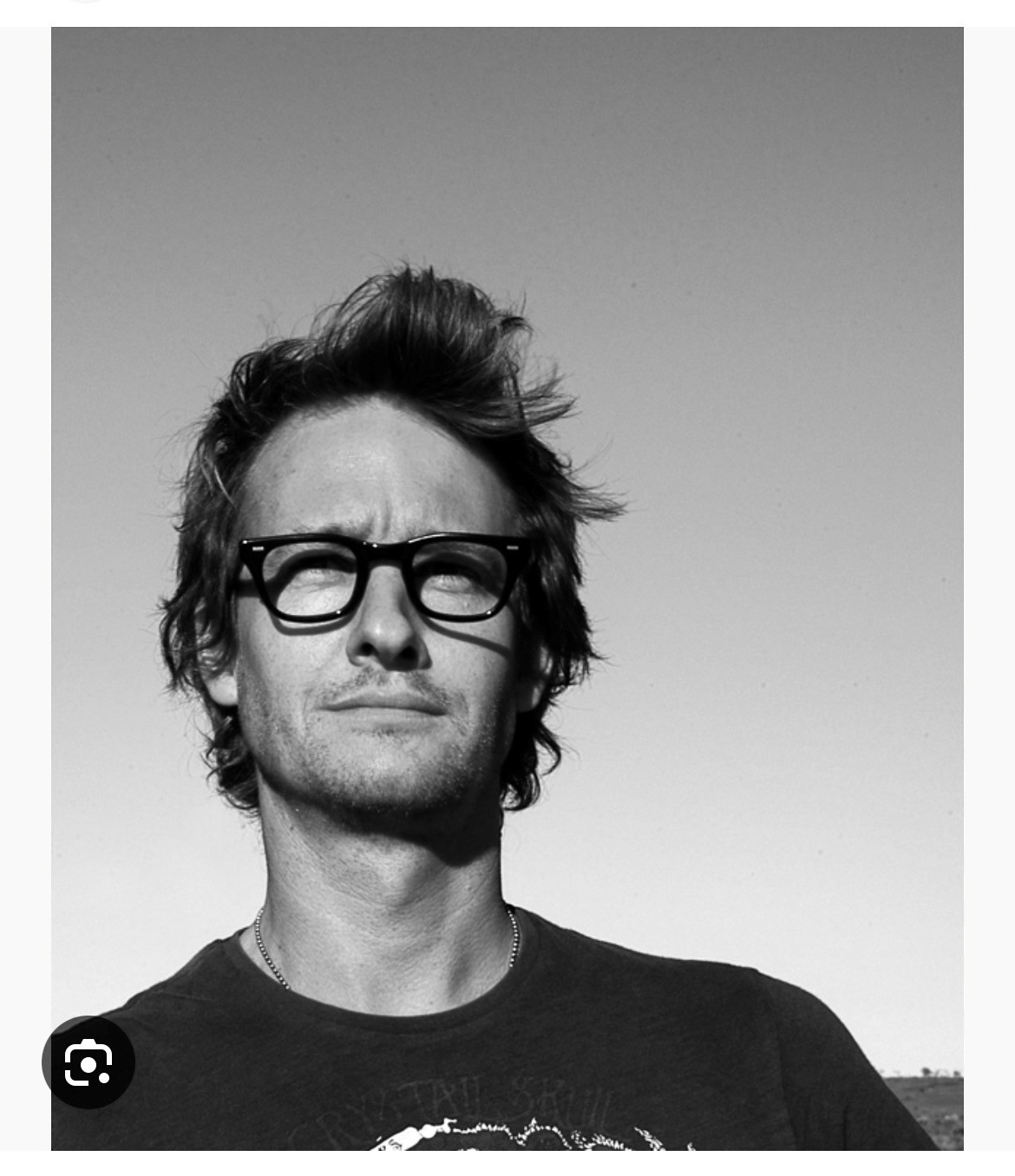
Julian started his photography career at The Herald newspaper in 1988 as a cadet, eventually becoming the Head Features Photographer for The Sunday Age for 10 years. Since going freelance he has worked for various national and international publications including Gourmet Traveller, Conde Nast Traveller, Harpers Bazaar, Rolling Stone and the best of the country’s weekend magazines such as The Australian Magazine and The Goodweekend.
Julian has also forged ongoing working relationships with The Australian Ballet, the Sydney Symphony Orchestra and Penguin books. He has a working association with publisher Hardie Grant who produced the book IGNI, a collaboration between Julian and chef/restaurateur Aaron Turner, which received international acclaim. They recently published their follow up book, The Hot Chicken Project.
Julian has been awarded Quill Awards for Best Portrait and Best Picture Story in addition to Australian Nikon Photographer of the Year. His work is regularly exhibited at the National Portrait Gallery in Canberra where his work has been steadily acquired for their permanent collection .
Since picking up a book about Arnold Newman when he was 15, Julian, a long time drawer, discovered his true love. Working for the most part alone, just himself and his subject, he has never wanted to do anything else.
He is at his happiest bobbing around on his surfboard in the early hours at Bells Beach, Victoria, near his home on the Surf Coast.
Summary
What you’ll hear in this episode:
- How Julian’s childhood love of illustration led him into photography and storytelling
- The emotional impact of documenting voluntary assisted dying over two and a half years
- Why trust, conversation, and human connection matter more than the camera itself
- The complexities, misconceptions, and realities surrounding VAD
- What Julian learned about dignity, empathy, grief, and choice through this work
Transcript
[00:00:00] I found myself crying. I had all these emotions about all these poor people that were being vulnerable and talking about, you know, I just want to be able to die and I've been given a terminal diagnosis, but I'm not allowed to do this. Catherine: Welcome to Don't Be Caught Dead, a podcast encouraging open conversations about dying and the death of a loved one. I'm your host, Catherine Ashton, founder of Critical Info, and I'm helping to bring your stories of death back to life because while you may not be ready to die, at least you can be prepared. Don't be caught dead. Ackno ... Read More
[00:00:00]
I found myself crying. I had all these emotions about all these poor people that were being vulnerable and talking about, you know, I just want to be able to die and I've been given a terminal diagnosis, but I'm not allowed to do this.
Catherine: Welcome to Don't Be Caught Dead, a podcast encouraging open conversations about dying and the death of a loved one. I'm your host, Catherine Ashton, founder of Critical Info, and I'm helping to bring your stories of death back to life because while you may not be ready to die, at least you can be prepared.
Don't be caught dead. Acknowledges the lands of the Kulin nations and recognizes their connection to land, sea, and community. We pay our respects to their elders past, present, and emerging, and extend that respect to all Aboriginal [00:01:00] and Torres Strait Islander and First Nation peoples around the globe.
Catherine: Today I'm speaking with Julian Kingma.
Julian started his photography career at The Herald newspaper in 1988 as a cadet, and eventually became the head features photographer for The Sunday Age for 10 years. Since going freelance, he has worked for various national and international publications, including Gourmet Traveler, Condé Nast Traveler, Harper's Bazaar, Rolling Stone, and the best of the country's weekend magazines, including The Australian Magazine and The Age's Good Weekend.
Julian has also forged ongoing working relationships with the Australian Ballet, the Sydney Symph- Orchestra, and Penguin Books. He has a working association with publisher Hardy Grant, who produces the book igni. collaboration between [00:02:00] Julian and the chef restaurateur Aaron Turner, which received international acclaim.
They recently published their follow-up book, The Hot Chicken Project. Oh, well, that's interesting. Julian has been awarded Quill Awards for Best Portrait and Best Picture Story, in addition to Australian Nikon Photographer of the Year. His work is regularly exhibited at the National Portrait Gallery in Canberra, where his work has been steadily acquired for their permanent collection.
Since picking up a book about Arnold Newman when he was 15, Julian, a long time drawer, discovered his true love. Working, for the most part, alone, just himself and his subject. He has never wanted to do anything else. Julian is at his happiest-
bobbing around on his surfboard in the early hours at Bells Beach, Victoria, near his home on the Surf Coast. Thank you so much for being with us, Julian.
Julian: Thanks for having me. [00:03:00] That's that's a lengthy description, but yeah, fair to say I didn't write... I got someone to write that for me.
Catherine: And, and I have to say it doesn't...
We were just talking previously, it doesn't even include your Walkley Award as well.
Julian: Oh yeah, thanks for that. No, it doesn't. It will one day. I'll pop it in there if I, if I'm feeling narcissistic.
Catherine: Oh. Now, and I have to ask, The Hot Chicken Project.
Julian: Yes.
Catherine: Well, what- Yeah ...
Julian: what is it? All right. So it, We did Igni with, which you said, with Aaron Turner, who's a friend of mine who's a chef.
Catherine: Yep.
Julian: And basically it was it was a commission to photograph a book that followed a restaurant from opening from the get-go until opening, and then to opening night, sort of like, We spent a year shooting it.
Catherine: Wow.
Julian: And so that was a book that I shot all in [00:04:00] analog and all in black and white, and it became a really successful book in the eyes of, you know, that sort of foodie book. You'd have to have a look at it to understand that it's not your run-of-the-mill food book. It's more documentarian. It's more about him, struggles becoming a chef, you know, how hard it is.
So de-glamorizing what... You know, when you're going to Big W and you see these shiny kind of books, this thing is like a black depressing object, which you kind of go, "I would never become a chef after reading this book." But it had the opposite effect. Everyone got inspired by it and yeah, and the Americans loved it, so they picked it up and then The Hot Chicken book is a side project that was about Aaron when his kinda life fell apart.
He went to Nashville and lived there- And [00:05:00] sort of got in touch with the sort of like the you know, Black America where they made hot chicken. Like, it was their thing. It was- Mm ... it's, it's well documented. So he wanted to sort of make that and do that and make that his thing. He was sort of having a bit of a midlife crisis.
And then he came back to Melbourne and he had this idea, "I think I wanna do this book about the origins of hot chicken." And I went, "God, that's a hard sell." And so we went to Hardy Grant, and then so we- they liked the idea, so we went to Nashville and we s- went and did a couple of trips. And so again, documented that sort of you know, the people.
And it, it kinda went broader than just the chi- It was more about telling a story about, you know, Black Americans and the origins of hot chicken. Because we kind of commandeered that, but no one [00:06:00] knew that it was such a important part to their culture, and the way it was done and the specifics. It all kinda sounds very boring, but pictorially it was like he and I looked at each other and went, " this is gonna be a really great story and it's gonna be a really great opportunity for photos."
So we um, Hardy Grant backed it and said, "Go and do it." I got back and went, "I don't think I've got enough," so went back again and shot more people. And then, yeah, so that was The Hot Chicken Project in um, more words than expected.
Catherine: And tell me, it, it doesn't surprise me that something as simple and everyday that we take for granted as hot chicken- Yeah
Is something that is embedded into a culture. Yeah. And it has become, you know, something synonymous with, you know, three particular letters [00:07:00] in here in Australia, but you know, it has essence so much deeper. And I'm assuming more around the South of America Southern states. Y-
Julian: Yes, definitely.
We sort of earmarked Nashville because basically that's where Aaron had lived for those couple of years, so he knew it intrinsically. But what we did was base there and then sort of, you know, did little side quests to areas. Some places we'd prearranged, some places we went ad hoc and just- You know, I would see something or I would see someone or I would see someone cooking just like a family, like out on the porch, and I went, "All right, we've gotta stop here and, and we're gonna, we've gotta photograph this family because this is why we're here."
So it was, while I was led visually and [00:08:00] also led by Aaron's knowledge of where to go to find those visual sort of, you know, things. So... And plus we're really good collaborators. we sort of have this really good connection where we can kinda go and look at each other and go, "Yeah, w- we're gonna...
Yeah, let's stop. Let's do this." So he's a, he's a, he's a big advocate for, not letting people get away with stealing ideas and, you know, making them our own. KFC being the enemy.
Catherine: Tell me, Julian, what was it when you were young- Mm ... and, and you saw, you know, that work by Arnold Newman-
Julian: Mm ...
Catherine: what was it that attracted to, it to you?
Julian: Originally I wanted to be an illustrator, so that was alwa- as a kid I wanted to do kids books. That was my [00:09:00] dream. As a little kid, I was always drawing, drawing, drawing and, and making visuals and telling stories. But, you know, pen and ink, generally speaking pen and ink, and I thought, "Oh, I, I wanna make kids books.
I wanna write stories. I wanna tell stories with pictures." And I got to this point where got so bored with it. became laborious and I'd lost kind of that love of drawing. It, it was really odd, and I not many people have this, and I still... It still gives me goosebumps a little bit because that book was so important to where I am now.
I just saw this photography book. I was doing photography anyway as sort of like a side glance, and loving that alchemy and that sort of, I was still making visual images, but that book- And I loved [00:10:00] people, and I loved drawing portraits and telling stories. And he was sort of well known as being a trailblazer for environmental portraiture.
So unbeknownst to me, I didn't know who he was, I just picked it up, and I started looking through it, and, you know, he was sort of like at his peak in like the '40s, '50s, '60s, and he was doing people like Picasso and Jackson Pollock and all these people that were no one then, but making these incredible environmental portraits.
And I went, "I think I wanna do this. I think I really wanna do this." it sounds like a lie, I, I quit drawing on literally that day, and took that book home, and then basically went into the dark room. And, you know, I was bullied as a kid, so... 'Cause, you know, I was the creative one in [00:11:00] a, pretty horrible school.
So the bullies pushed me into the dark room. The dark room encouraged me to start creating, and then I just fell in love with that whole concept of taking a picture, processing it, and then watching it come up, rather than me, you know, kind of laboriously drawing and getting really bored. I was, like, fascinated by the whole thing, and I still am.
Like, I'm still fascinated by... I, I'm not, I'm not mathematical, and I'm not a chemist, and I don't know any of that, but that magic of the silver and the print still makes me excited. Whereas drawing was starting to go, "Oh, no." and I was lazy too. I was getting really lazy with my drawing. And photography was, like, quick, as in I could take it, [00:12:00] and then I could have a look at it and go, "Don't like it.
Gonna do it again," or, "Love it." So it was part laziness, part curiosity.
Catherine: It's so funny, 'cause hearing you speak, it, it's also an era where literally taking a photo, you had to develop it yourself.
Julian: That's it. That's it. And I think that had it been... This is retrospectively, of course 'cause I'm 58 now, so... Well, turning 58.
But when, at the time I didn't know any different, because digital didn't exist. All I knew is that I loved I loved the surprise. So- I put the film in, I'd wind it on, I'd shoot it, and unlike now when, you know, people check the back of and they know. There- there's no surprise. There's no excitement. Like, but for me it was like, ooh, I kind of like that panic.
an anxious person, but I sort of, I realize that I thrive on [00:13:00] that kind of what, what's coming? What's, what's gonna happen? You know, what... is this gonna be good or? And then, you know, there is a lot of disappointment of course because I shot a lot of shit. But then, you know, out of that, out of those 36 frames, you know, you might just go, "Holy shit, I think I, I think I love this." And, and so yeah, I would just... I was honing my skills and then I just skipped classes and skipped more classes, and I became a mole and just lived in the dark, and just developed and shot, you know, voraciously. And yeah, and I still haven't lost that sort of wanderlust of, you know, finding things and connection with, and particularly people, obviously.
I'm not a landscape photographer. I can do it, but I don't like inanimate objects. I like that connection, and I [00:14:00] worked out that photography was not as lonely as, you know, just drawing and being in my own head. I had to sort of connect with people, and I liked that backward and forwarding, liked that dance.
And I was kind of leading the dance, but I enjoyed that part of it, was what I went... Not only do I get to speak to people and listen to their stories, that would inform how I would photograph them just by listening to the way they talk, and even gestures. And I realized that the drawing and the photography weren't that far apart.
Catherine: Mm.
Julian: It was what I wanted to do with my drawing. I couldn't do what I really wanted to do, and that was to be less anal retentive and be a lot looser, and photography [00:15:00] sort of gave me that. I don't know, it sort of, something clicked. And I still to this day don't really know exactly until when I... It's kind of like therapy talking to you about it.
But I don't know what the real reason, but I do know that it was about human beings. And because I was a bit of a loner, I think that I liked that bit, that connection So yeah, that's, that's kind of a long-winded way of how photography sort of took over my brain.
Catherine: And when did you discover that, you know, you mentioned that landscape- Mm-hmm
wasn't something for you. it sounds like that there was a, a, a process that you did go through even though you said that there wasn't a particular time, but you knew that you liked that storytelling element. Mm-hmm. Mm. When did... 'Cause you've, you've still covered such a broad range- Yeah
especially with the- Yeah ... the publications you've, you've worked with. [00:16:00] Absolutely. So when did you, you really kind of... Was it a particular incident or a particular story that you realized?
Julian: yeah. Yes. Yes, I do know the answer to that. I think that when I first started as a cadet, which is, you know, no longer a...
And for those who don't know what a cadetship was or i- well, it doesn't exist anymore. I guess the best description is an internship. Do you know what I mean? But at the time I saw this tiny little ad for cadet photographer, Herald Newspaper, and I threw together a, you know, a really bad portfolio when I think about how bad it was.
And I got that job as a cadet, so it's kind of like a traineeship, which basically meant I spent more time in the darkroom printing other people's stuff and getting very depressed and despondent by [00:17:00] that. But at the same time, I'm very dogmatic about when I wanna do something. So in amongst doing that, I was also watching what other photographers were doing, and it was such a broad variety of things coming my way because I was printing other people's pictures that I realized what I did and didn't wanna do. Mm. So I'd be excitedly printing a portrait and then someone would do, like, a landscape shot that had to be shot for the newspaper or whatever it was, and I said I'd do it, but I kind of went, "Mm, yeah, all right."
So I, I love people in landscape, And then when I was on the newspaper you had to do varying degrees of things, whether it be crime scenes. I did a lot of, you know- horrible door knocking and a lot of horrible jobs. Going to the races,, car crashes, things that- [00:18:00] Mm ... war, you know, type things.
And I just went, "I, I know that I don't wanna do any of that. I know that I do..." And I used to look at the old inserts in the overseas magazines like Independent, The Guardian, when they were, you know. And we used to get them, and I used to open them and go, "I wanna tell stories like this."
And I used to look at these photographers and go, "Oh, I wanna do long form stories and I wanna photograph people and different things." So that, that's what I wanna do. So that's kind of where I put all my eggs in that basket when I was considering how I would pop out the other end. So yeah, I just, kept hassling people and photographers a bit.
"How'd you do this? How'd you do that? How'd you do that?" And then luckily I had a really nice photo editor who sent me out on assignments. He goes, "Why don't you go and try it?" And you know, it just happened that I was turning in good work, so I was lucky enough to get [00:19:00] pulled out of the dark room early of my three years and thrown out into the, you know, the big world.
And I still had to do all those things, but I was doing it, you know, and I was making pictures and I... And, and that was enough for me just to make pictures. I'd get to the other bit later when I, you know, gained a bit more confidence. And then eventually I started to you know, say, "Can I do this one? But can I do it like this?"
And you know, it was a slow, slow thing and then, and then I got a little bit more assertive and then, you know, my images, I think, got stronger. And so yeah. It just it came from newspapers and it came from generally having 10 to 15 minutes to do something and get it right, and I liked that. I like being cornered.
I hate having too much time on my hands, hence drawing was too long. Photography made [00:20:00] me think quickly, dig in really quick to an emotional response and then act quickly. And for some reason I found that very addictive. If you give me too much time even now, I don't want it. If someone says, "You've got an hour," I'll go, "I'll, I'll, I'll knock this over in 20 minutes.
But, but can I talk to you for half an hour first?" Because the conversation, to me, is as important as when it comes to taking the picture, if that makes any sense
Catherine: Yeah, it does. And, and when did you realize that?
Julian: Slowly but surely when I worked out that ... I mean, there was times when my hand was forced and I just literally had 15 minutes and it was like, "No, we don't have time to do that, you just have to do that." But then I would get little glimpses and little bits of time where I would, you know, um ...... I think it was a confidence thing.
when my bylines started to come up a little bit more, I [00:21:00] thought, "Oh, maybe I can, maybe I can just sort of go in there and, you know, say, 'I've got 10 minutes just to talk about what we might do.'" You know? Or what my ideas are, or maybe you can tell me what you want to do, or ... And then I think that just sort of grew and grew and grew.
And-
Catherine: And your byline, Julian, that's the, the little byline- Yeah ... that comes up in the newspaper? Oh, yeah.
Julian: Featured by Julian Kingma. Yeah, yeah. Yeah. So I think that sort of legitimized in my head that I was a, you know, a legitimate photographer. So I sort of took the reins a little bit nervously and would ask people, you know, is there something specific that they would like to do or not do?
Or do they have a line in the sand where, you know ... Or are you happy for me to just run this photo and just trust me? So it depends on the person, 'cause some people are, you know, all for it. You [00:22:00] know? Creative people love People who are a little bit gun-shy or camera shy, that takes a lot more work.
But that's okay. I, I, I like that bit of changing people's minds and getting them, getting them on board and going, "Look, trust me. I, I think it'll be okay, you know? I, I'll try not to make you look bad, I promise." But, but, but what I did want is it to be interesting. It had to be interesting.
Like, I wasn't i- I was not up for just ... I really beat myself up about, you know, making sure that it was an individual looking shot, and I, you know, tried not to repeat myself, I guess. 'Cause people are different.
Catherine: And in hindsight, Julian, do you think you can pinpoint the moment where you could actually start dictating what photos or what projects you wanted to work on?
Julian: Yeah, I think that, [00:23:00] that really came about ... I left The Herald. I took a redundancy when it all merged with The Herald Sun, and that sort of goes back to what I didn't want to do, you know? not to shit on The Herald Sun, but The Sun, The Herald, like, I liked- The broadsheet, I liked the stories. You know, it wasn't, you know...
Herald Sun, as it's known now, or The Sun then, was just a bit I don't know. It, it was a bit, it was kind of naff. And, and I didn't, and I knew that I didn't wanna do that.
Catherine: Yeah, was there one moment where in hindsight you think that that was the moment where I didn't, I didn't have to do the jobs- Oh, yeah
I didn't wanna do? Yeah. I could choose
Julian: the
Catherine: work.
Julian: Yeah. When I left The Herald, and I had a break, and, and my wife and I went off backpacking and took a redundancy, which seemed like a lot of money at the time, but it, it wasn't. And then I was invited back to The Sunday Age as a freelancer. [00:24:00] Same photo editor, he got me on three days a week on The Sunday Age, and then I just kind of, you know, budged my way in and just kept hoping for a full-time gig, and just kept doing what I was doing.
And then eventually I got a full-time job with The Herald Sun. With The Herald Sun. Oh, my God. The Sunday Age. And I still look at those da- It was 10 years. I still look, I still draw on that time. I still look at that time as being so important to what I do now, because they gave me what not many people get, and that was carte blanche to sort of go and do these stories that you do.
They said, "You do them well. We wanna offer you more of [00:25:00] those." So slowly but surely, I garnered, you know, more confidence in them and in myself. And so The Sunday Age was a real turning point in really refining that, and that's when I went, "Okay, I'm gonna take this really seriously." It's not like I didn't, but I just...
I knew that it was important to me and important to the person in front of me that I did this properly. So that 10 years was really, really important even now to what I do now. And that, and I left... I've been freelance for over 20 years now, and I still, I still draw on The Sunday Age days. It still sits there.
I still, you know, lean into that and grab bits of it because, yes, I've done all that commercial [00:26:00] work, and yes, it's got my handwriting on it, but it was kind of collaborative. There was art directors, editors, and that's fine. Like, it's good. Like, that- that's, you know, that- that was good work, and it's still good work, and it's
I still enjoy it. But The Sunday Age is one of those things that will never, ever happen again. It just wo- it will never ... That will never happen again, that I know. So I had to sort of find my own way again and then reinvent how that looked. So Then The Sunday Age kind of collapsed, and then again, I took off and went freelance, and then went into magazines, and then same thing, same approach.
And I'm kind of now straddling a bit of a strange space where magazines are now shrinking, and everything's shrinking, and now I'm in this sort of area [00:27:00] where I'm sort of, like, thinking about books and thinking about how else I can do this and becoming more true to my own, like, really true to my own work.
And that's difficult because we need to work still to keep the lights on. So I can't indulge in that, but I am interested in it. so I'm kind of ... I'm in a strange space, and particularly after this last book that's just come out, like, it's an even stranger space because that was such a long, long project, Power of Choice.
And during that two and a half years of doing that, I- I've watched the media landscape change so dramatically, just even in that time, even in two and a half years. It's changed again, and it's kind of frightening, a little bit. I'm a, I- I am neurotic by [00:28:00] nature.
Catherine: What what scares you about it most?
Julian: I think
there's the practicalities of it, and that is earning an earned living. So there's that because, you know, for as much as you know, I was lucky enough to have ... You know, I've been at this for so long- That now what scares me is that there's less and less opportunities to do interesting work. There's less money.
There's less people taking risks. There's more people, there's AI. You know, there's a lot things that can be done very quickly, but not very well. Mm. So what scares me is I guess that sort of, people losing that emotional intelligence in work. And money. Yeah. Yeah.
Catherine: And-
Julian: Because we've gotta work, and I'm, you know, commercial work, [00:29:00] you know, I, I still...
Like, I just shot three book covers for Penguin and Simon & Schuster, and, and I still, like, that's great. I loved, I love doing it. Like, I s- like, there's still that going on, but it's just, it's just shrinking and it's sad because there was so many magazines and so many opportunities to turn my hand to different things, but now it's just getting smaller.
So I'm kinda going, "Wow, that's kinda really sad to watch it happen." You know, to watch... It's a bit like a stone mason, you know, watching his rocks become made by a machine. You know, I, I still wanna be able to tell stories, but how do I do that? You know, how, how am I gonna... I hate the word pivot, by the way, but how do I redirect my skills into something that, where I can still have my DNA [00:30:00] on it, but I'm still contributing to telling stories?
So that scares me because the vehicles are becoming diminished.
Catherine: And can you tell us a little bit about, you know, the project that you've just finished that did take two and a half years- Mm ... uh, the Power of Choice. Talk us through that, and, and people who will be unfamiliar with your, your work that book and that exhibition.
Julian: So The Power of Choice is basically about voluntary assisted dying, for those who don't know. So VAD for for, you know, acronyms. But um, was during COVID and I was, you know, hamstrung, stuck at home- And I had a lot of thinking time, and I, I really wanted to do something important visually, photographically, and I didn't know what that looked like.
I had no clue. All I knew is that I wanted to do [00:31:00] something, and I wasn't even thinking book at that point. I was just thinking, "I wanna do a project. I don't know what it is." And again, I just happened to photograph a cover story for The Weekend Australian of a guy who was given the first legal papers to access VAD.
And he was gonna-- He had bowel cancer. He was given the go-ahead. He could euthanize. And as... I'm, I'm from-- of Dutch heritage, and that's been going on in, you know, in Holland for, for as long... And I've always had these jobs, as in, in the past, like back to Nitschke days when he was doing his thing. And then when I did this job, I got really fascinated by it.
And I [00:32:00] spoke-- When I was speaking to the journalist, I said, "This is totally fascinating. And this guy, I'm so glad that he got to do this." And she said, "Well, if you're interested, you should reach out to Go Gentle," which is Andrew Denton's not-for-profit organization, which for those who don't know, he created that.
And he had a podcast called Better Off Dead, and it predates legalization within Victoria at that point because we were the first. And she said, "You should listen to it." So I listened to Better Off Dead, and I think it's like a 12-parter and, you know, Andrew is an incredible interviewer, as you know.
And I just found myself driving to sort of... I, I'd put it on in the car when I'd go for drives, and I found myself [00:33:00] angry. I found myself crying. I had all these emotions about all these poor people that were being vulnerable and talking about, you know, "I just, I just wanna be able to die, and I've been given a terminal diagnosis, but I'm not allowed to do this," you know?
So in my head, I'm going visual part in my head and the anger made me think , this needs to somehow be brought to life, and I didn't know how that was gonna be. But I thought, "Maybe this is it. Maybe this is what I do. Maybe I try." Like, it just felt impossible at the time.
Like, how... Who's gonna, who's gonna let me do that? So I contacted Andrew, and they said, "Look, send a proposal" And they sort of were very, a little bit dismissive, because I know [00:34:00] they always had people contacting them. So I bashed out a, you know, a thing, and sent my work off. And thankfully, and within 24 hours I got a phone call.
And one of the board members, and Andrew had spoken to her and read it, said, "We love this idea, and we wanna do it. And we will back you, and we will give you all the contacts. We will fund you." And then I did a Zoom with Andrew, it was me that was being self-doubting how this was gonna work, and he said, "No, no, no.
This is gonna work, and I'm gonna make it work, and I'm gonna make it work for you." So thank God for Go Gentle, 'cause they're an incredible organization, because [00:35:00] they gave me all the information, and then I just started emailing people thinking they'll just tell me to bugger off, and I was inundated.
Inundated to a point where I started to panic. So many people responded to my email, and I just went, "Okay, looks like we're on. I'm, I'm just gonna start. I'm just gonna start at the start, and I'm gonna do what I do, and I'm gonna pick one person off the list who sounded interesting," and, and rang them.
And then one begot the next, and the next, and the next. And then Go Gentle gave me other people to contact, physicians, family members, people who'd reached out to them who'd heard about what I was doing. And then all of a sudden it sort of, you know- [00:36:00] Amalgamated and, and it just kind of took off quicker than I could keep up with it.
So I just had to go, "All right, , this is happening." And so they put me on like a... Almost like a pilot. They said, "All right, photograph three people, and if we like it, then we- we're all, we're, we're, we're ahead." And I went and photographed three people, and they went, "We're on." And so yeah. thank God, because I couldn't afford to be sent around the country to photograph all these people that contacted me from every single state, you know, saying, "I know some person. I'm that person. My father's this person, he wants to talk to you. My mom wants to talk to you. My daughter wants to talk to you."
And I would sit there responding to everybody saying, "Just give me a minute, give me a minute. I'm- I've got so many people, but I do- I, I, I will get back to you." [00:37:00] And I would always get back to these people. And so surely, slowly but surely, you know, I just, yeah, started making portraits of all these people and physicians.
And to Go Gentle's credit, they sort of curated it in such a way that it wasn't... Because my biggest fear was that it was gonna become ghoulish. And I felt like the one thing I didn't want to do was take advantage of people in their most vulnerable state, because I take that very seriously with everything.
And I think, who in their right mind lets a stranger into their house with a camera when they're being given six to 12 months to live? Like, I, I still question it. Like, what kind of a person does that? And, you know, that's gonna stick with me forever because I've met [00:38:00] the most incredible people to this day.
I don't think anything will top those conversations that I had with these people. Above and beyond the book, you know, these people are the people I miss. These people's conversations are what I miss. You know, it's one thing to take their picture, but to sit there and, you know, hit record on my phone and listen to their stories before I even pick up a camera was what I needed And I'm, that, that's what I needed and, and it just sort of, kind of...
It didn't fall in my lap. That's sounding like I didn't do any work. But I think that, you know, a bit like Arnold Newman, I, you know, there was a moment where I sort of, my in- I'm very instinctual when it comes to that stuff. I'm not saying it's a skill, but I just, when I get a feeling for something, I think, potentially it might be, you know, the right thing and I have to go with my gut.
My [00:39:00] brain get, always gets in the way. I've m- but if I trust, if I trust my emotions, I'm generally okay.
Catherine: And tell me, Julian, what kind of person did let you in in those last three to six months of their life?
Julian: That's a really good question. I wanna say courageous people, for starters. But I think people who were strong enough to put their own needs aside, which is crazy when you think about it because, you know, they wanted to tell their story to save one other person's pain. And I went, you know, "Oh my goodness."
You know. it gave me faith. You know, in a, in this day and age where we're all battered by, you know, bad things happening, it made me realize what I've always realized, that, and that generally people are [00:40:00] good. And I still believe that. You know, there's a lot of news of bad things going on, but those people, those people that let me in for those, those selfless people, you know, there's more of those people than we think.
And so, you know, that was really moving to... I, I never inserted myself, by the way. I was always, I would never say, "Can I do this?" I would ne- I would, I wouldn't even bring it up. I was always asked. Some people I knocked back, some people I didn't for various reasons. If I had a, if I felt like it was for the right reason, I said yes.
If I felt a tinge of family tension or, you know, someone was uncomfortable and I could really pick [00:41:00] it, I just went no to that. But the ones that said yes- And their outer and inner circle were all for it, then I was into. Like, I, I went, "Yep, I, I will do that on the condition that everybody is happy that I be there."
Because you know, this is extreme emotional, you know, upheaval. And, you know, so when it came to those people, and with everyone in the book, not just the people who let me do that, I, I made sure that I made multiple visits because I didn't wanna just fly in, fly out and look like I didn't give a shit, because I did.
And what I did work out was how lonely they were, and how they just, sometimes they just wanted company. [00:42:00] And that was really heartening to do that and also be able to photograph them. So, you know, it wasn't a stretch to find that emotion because I just let them lead the way. I just handed it over to them and said, " what do you want me to do?
What don't you want me to do?" You know, "Is there a no-go zone?" And I think 99.9 of every single person that I photographed, and not everyone made it to the book obviously, was an open book, and honest. I don't, I haven't, thank God, I haven't had one bad email. I haven't had anyone say, "What you did was awful."
Because that was my biggest fear. My biggest fear was that I was like an ambulance chaser, and it's so far from who I am as a person. But I did, I, I was fearful [00:43:00] that that was gonna happen, and it didn't. And I'm so, so grateful that it didn't.
Catherine: It sounds like from what you've described, your career uh, and certainly what you're just talking about then in relation to your approach with ethical storytelling- Yeah
it's been consistent throughout. Mm. But what has been different for you with this project?
Julian: I think it's made me less selfish. It's made me, even though I am, you know, an empath to the, you know, to the point of the ridiculous, It doesn't make me perfect. I still, as a photographer, before... How it changed me, this is the best way to describe it.
When I went into this project, before I'd even photographed anyone, I'd already conjured up how I was gonna photograph these people. I'd already drawn [00:44:00] it in my head, and that was a really big lesson in me inserting myself, even though I didn't say it out loud. I went, "I'm gonna do this, and this is gonna look great."
And then you walk in, and you forget that you've got someone can't move, in unbearable pain, in existential pain, all the suffering that you can imagine. And I had to go and take a massive step back and go, "Jules, this is not about you. You have to make sure that you put them first." And so all my ideas, all my little scribbles that I'd, you know, I'm gonna do this with this person, blah, blah, blah, all out the window.
I could shoot that book 10 times over and still not scratch the surface. That's the weird thing [00:45:00] about it, because there's so many people, there's so many millions of people out there who are going through this that it's just not possible. So, yeah, I was sort of judicious about how and what I did, and I made sure that the first thing I did every single time was not walk in with the camera.
I would leave the camera in the car. I would walk into the space and sit down and talk to them first, because there's nothing like a bit of equipment to look like, you know, oh, you're just here to do a job. So I had to make sure that trust was paramount, and that they knew that I was there with good intentions.
And I, of course, I need, I, I needed to be able to photograph them. I mean, that, that was part of the [00:46:00] gig. Like, they, they knew they had to be photographed. But I also realized that there was limitations, physical ones, mental ones. I had my own, because, you know, I would go, "Oh, shit I don't even know if I can do that.
I don't even know if I can handle to do that that way." Or even ask them, because- You know, I don't want to put them in such a position where they feel like they should because I'm a photographer. I had to make that point really clear. So now when I go on a shoot what's happened now is that book's just made me even more aware of my surroundings and the people, and the fact, the old cliché, you don't know what's going on with that person's life.
So if I come across someone who's a bit prickly, instead of me going, "What have I done?" I go, "Well, something [00:47:00] might be going on that you don't know about, so I need to reconsider that when I'm photographing them." So it taught me to sort of read the room even more so than I try to. So I got better at it, and so I apply that to life.
Catherine: It sounds like that you certainly built a lot of trust during that period of time. Mm-hmm. And that certainly comes out in the photos, that you were- Thanks. That's good to hear ... privileged. Yeah, you were, you were very privileged to document moments that were very vulnerable. Mm. And you were there, in one instance I believe, where someone had- Mm-hmm
taken the medication and, and died. Yep. Not many people ever get to experience that- No ... let alone document it, Julian. Exactly.
Julian: Which is something that surprised me, and I know you and I talked [00:48:00] about this the other day, but you know, it's it's not a matter of being desensitized. It just didn't occur to me.
I just sort of thought, "Well, this is something," but then I went, "Oh my God, even all the people at Go Gentle haven't experienced what I've experienced." And they've been running this thing for, geez, I should know how long. But and no one has seen what I've seen. They saw it through my eyes, and physicians have obviously carers, doctors, friends, families.
But the outside world, not so much. You know, so yeah, I was in a space that was, you know, a tricky one. But I don't regret it. I don't regret being in that space. It hasn't, affected me adversely. It's only made [00:49:00] me, More appreciative of people and what they might be going through. And I'm not just talking about illness, I'm talking about all sorts of things, whether it be mental health or just having a shitty time with things.
So, um, always been a patient person, but I think it's made me even more patient and more sort of resilient to you know, someone... I might... You know, it happens to me all the time. Like, I'll walk into s- you know, someone's house and they'll say, "You've got 10 minutes," you know, and be really spiky. And I'll just go, "That's fine.
I can work in 10 minutes." And then by the time I've sort of brought the temperature down in the room and they realize, and I've realized that they're just on high alert because they don't like being photographed, and I don't blame them, 'cause neither do I. So it's my job to [00:50:00] make sure that they know that I'm not there just to ma- you know.
That I do care about how they feel. So that's just amplified that and helped me even more so when I walk into a room and... Yeah, that book's taught me a lot.
Catherine: The exhibition where I, I first met you last year when the, the book was released I had the opportunity to, to attend that in Melbourne, and there was one particular portrait that you took of Liberty Pack.
Julian: Yeah.
Catherine: And, you know, it, it clearly shows what you were referring to before, about how you talk to people- Mm ... and see their mannerisms. Mm. Mm. And, and the way she is posed in that photo she has just such the beautiful, you know, wisdom of age on her face- Thank you ... so blind and [00:51:00] relaxed. It is one of the beautiful pho- most beautiful photos I've ever seen, ever.
Julian: Oh, thank you. And do you know that I th- I think Liberty's still alive. I think Liberty... Well, I know for... Every single person in that book has since died or passed. I was at the Powerhouse and some- And I did say I, I need to check with Claire Fellingham. I'd spoken to Perth, 'cause I've, I've gotta go over to Perth.
But I, I think she's still alive. And I just it, it's just... And I, I asked Claire, her- Her physician or when come, when it comes time or if it doesn't come time she might die naturally of course. I said to Claire, I said, "How the hell is Liberty Paack still alive?" and she said, "You know what, Jules?
It's because, because of Barry, her husband." you know, they, she was a yoga teacher. They used to do ballroom dancing together. Now [00:52:00] she hasn't been outside in six years. And I thought that was a, I didn't think that was true. And then I said to Liberty, I said, "Is it, is it true you haven't been outside for six years?"
And she goes, "No, I haven't, I haven't left this chair." And I thought to myself, "How on earth can that be?" And it's Barry. You know? because she's got no core strength because of her motor neuron she can't walk, so Barry has to pick her up, sling her over his shoulder to take her to the to- to the toilet.
And I realized that, they just don't wanna lose each other, and that's fair enough. You know, she, she did say, "If I get to the point where I'm in unbearable pain and I can't handle it anymore, I will do this." I have no problem talking about it. I think I visited her at [00:53:00] least four times in Perth just to get a gauge on what was going on with Liberty Paack and just to go and say hi and check in and go and sit with Claire when Claire went and visited her.
And yeah, like you said, she's so elegant. You know, she, you know, she's so delicate, but she's like a broken bird.
Catherine: Yeah. And, and what I think I love about it and what I was drawn to with her portrait is because it really does highlight the title of the book as well. Yes.
Julian: It does.
Catherine: So The Power of Choice, how did you choose that title?
Julian: I didn't. I didn't. I'd like to say I did, but actually there was a lot of titles going around, you know. Some- Yeah, I'm
Catherine: sure there was. Yeah.
Julian: Well, that's not being fair on me. I think it was a... I think we sort of [00:54:00] all threw, you know, we all threw things around. But I think- I think it was Andrew who originally sort of cobbled that whole beautiful, you know, title together.
Because that is exactly what it is. It is the power of choice and some people don't realize, for a bit uninitiated, because even doctors don't, there's still doctors that don't understand how VAD works. But I think everyone assumes that you get the black box delivered by the pharmacist, and there it is in your house.
Not everybody it, you know. Some people die naturally, some people choose not to. And that's the choice part, and [00:55:00] that's the powerful part. And what's been really great about the power of choice, and choice being, to me, a very important word is that it used to be a, even when I started, it was a real us and them between palliative and you know, VAD.
It was kind of like, "No, it's, we can do this," and VAD, you know, it was kind of like this thing. now that gap's closing, thankfully, because it shouldn't matter how that person dies as long as it's on their terms and they're happy and they're not in pain. The only thing that bothers me about things like that is that if you miss that window and you're incapacitated, then you're in a bit of trouble.
So that's the only speed hump that I can see. I mean, there's many, but it's the big one. It's the big one where people hang on too long and then [00:56:00] they lose capacity. Mm. So as long as people... I don't you know, I still say to people, I say, "If people die without pain and without suffering and naturally, well, that's kind of the business that we should be in."
And VAD is one of many options. It's a good one. It's a good one because from great authority, I can tell you right now that it's so peaceful, so painless, quick And to me it's humane because, you know, the people that did stand in the way and get in the way and still do, and you know, we all know the Catholic Church have a lot to answer for when it comes to this kind of thing.
And you know, who is it that... Why is it anyone's business? It's the, it's the one bit that I still [00:57:00] can't understand why people would not say, you know, make all, you know... We're all told we can make all our own choices, but then when it comes to something like this, it's taboo. And no, you don't have a right over your own death.
And I go, "Well, that was what made me do the project." I went, "No, I'm gonna prove that you should have power over your own death, and how that comes about is entirely up to you." And so that's what I discovered, and some people did die naturally. And thank God no one, no one suffered, on my watch anyway. There was a few people that sort of held out a bit, you know, longer and changed their mind, but I always checked in.
And my first question to whether it be a loved one or a partner or anyone or the, or a physician was, "Please tell me that they died without pain." That was my biggest concern. [00:58:00] And the answer was always yes, thank God. But that's not to say that other people haven't. But in that two and a half years, no one, no one you know...
Some people took it, some people didn't. Some people changed their mind. But the resounding thing was that it reduced anxiety within the person, you know. So that's pretty powerful in itself because everyone would say, without doubt, every single person said, "Jules, it's not that I want to just take myself out.
It's just that I know that my anxiety levels now are reduced to such a degree that I know that I've got an option, and that I don't have to be in pain anymore. I don't need to be a burden. I don't need to be this or that. I don't need to be taken to the toilet, lose my dignity." You know, [00:59:00] can't blame them.
Like, it's not something I'd want for myself, so yeah.
Catherine: When you look at those photographs that you took, Jules-
What is it that you hope people see?
Julian: That's a really good question which I haven't been asked. I'm gonna take a beat on that. Um, What do I hope?
Someone asked me a, a sort of a similar question about the book, and I just said, "I hope that it's a roadmap for people to realize that it's not, you know, suicide." 'Cause that gets thrown around a lot, or it's not that their hand was forced. I, I want people to realize that there's a lot of moving parts and a lot of people who care for these people.
It's not just this person is given this thing and they're sent on their way. It's done with such, you know, tight guardrails and, and, you [01:00:00] know, there's so much consequence that comes with it. I want people to realize that it's not a terrible thing, that it's not something that you know, that people do you know, make a rash decision.
it's well thought out, and I hope people look at it and realize that there are options for people. Or if you were on the fence about it, or that it would change someone's mind, or it would make someone speak up, And the other thing too is that the thing that I didn't realize is that the great thing that this book has been is like a, and I hate the word to use it, as a tool, but there's so many GPs and doctors that still don't understand how this works.
So I, you know, we're trying to get this under the nose of every single doctor, carer, family member who's going through [01:01:00] this you know, and read it, and realize that it's not this thing that they imagine. Because I had my own imagination about what it was too, and I was completely, you know, even though, it, before I did it, I was always pro you know, voluntary assisted dying. I was, there was, I was in never in any doubt. But there are people in doubt because- They don't have the knowledge, or they don't understand how it works, or how it is tightly monitored, and people do look after these people.
They... It's not done without any recall. You know, they don't... You know, you've got the navigators who the conduit to all these amazing things, and even the navigators themselves have a huge role in, a bit like what I was saying, they just sit with these people and they explain [01:02:00] it and, you know, so that no one's in any doubt.
So the book, I hope, covers enough, or the gambit is big enough for people to at least understand that how VAD works and how it's shouldn't be a taboo subject, and it also opens up the talk about dying within families where... 'Cause it is a scary conversation because you know, it's a, it's not easy to talk about.
I, I, I still, you know, I'm still neurotic about, I still fear for, you know, my own health and ask me when it's time how or what I'll do. I, I don't really have the answer until it's, you know, thrust upon me. So I think the book covers a good amount of diversity to show people who did, people who didn't, how it's handled, and hopefully people [01:03:00] read it and realize that there's goodwill.
It's not done to just, you know, yeah, without thought. it's very, very well thought out and I hope, what I do hope is that I do justice to the, these people. You know, that was probably my biggest fear, and so what I want people to see is that I did a good job and that I did it in a humane way.
You know, VAD is humane, but did I, succeed in showing that? You know, because there are people dying, let's be honest, but it's complex. Death is complex.
Catherine: And I think that the one that I refer to that really highlights for me when I've read through it is Nigel's story.
Julian: Mm. Yeah, of course.
Catherine: And, and just the, the family and the gathering and [01:04:00] the amount of layers that there must have been around that, and it, it makes you realize just- How complex this is Yeah And it's viewing it in a human, human way- Yeah
not in, in a statistic.
Julian: No.
Catherine: And your stories really tell that. So thank you. Oh, Jules.
Julian: I'm glad that you saw it that way because when Nigel asked me, like it kind of... he sort of blindsided me a little bit, 'cause I wasn't ready. The one thing I did know though, because I've always said this, and I've said it a million times, and I probably, and I do repeat myself because some people haven't heard this story, of course.
But I knew the minute I walked in to that household that Cath and Nigel, I was gonna, I was gonna love those two. I knew immediately. And that wasn't even me thinking [01:05:00] about him dying. I just knew I was gonna love them, because they were such great, funny, beautiful humans that was contagious.
Like, I just wanted to hang out with them. So, you know, we did a lot of, you know, a lot of talking. Again, I had no camera. I was actually kind of disinterested at that point. I just wanted to just hang out with Cath and Nigel and talk about... Because they were so open, and they s- you know, they were so adamant that I be there.
And as in just, as in be in their presence. And then Nigel just said, you know, "When it comes time, would you be here?" And without a beat I just said, "Absolutely." I said, "But with the condition that everyone else is [01:06:00] okay with it." Cath I knew, because she jumped straight in and said, "Oh, Jules, you're coming, and we want you there.
We want you there." Because if this saves one person's life or changes one person's opinion, then that's who we're about. And their whole community within that area in Brisbane, all the people within their street were that, of that same ilk. They were all, you know, very open. it's always overused, but salt of the earth.
Open, funny, You know, we cried, we laughed, we talked about it, and I just knew that I was in safe hands. So my condition was Cath first Nigel, obviously, 'cause he asked me, so clearly he was okay with it. But I sort of looked at Cath, and she just didn't even... She, she just went, "Yeah, you're coming."
And I just [01:07:00] kind of went, "Shit. Okay. Guess I'm coming." So, um, I would not have changed, oh, even in retrospect, it was, Yeah, I miss him.
I, I, I'm, you know, I, I s- I always say to Cath, it's such a strange thing. I say, "I, I wish Nigel could see this. You know, I really wish he could see what, what he gave selflessly." And I was cry- like, it's ridiculous, 'cause I, like I was cr- I pulled up three houses early and made sure that I had a big cry, because I didn't wanna bring that to the household.
And I just, I thought I'd got it all out. And then I turn up, and that photo in the book where Cath and Nigel are out the front, for those who haven't seen the book he's having his, you [01:08:00] know, millionth cigarette, fair enough. And I just burst into tears. And I took that picture, and I burst into tears, and he got straight up and was consoling me.
And I thought, "What kind of a guy, on the day that he's about to, you know, say goodbye to everybody, you know, console this bloody photographer who couldn't, couldn't keep their shit together?" And I just was so apologetic. And I just said, "Oh, Nigel, I just, I, I'd swore I wasn't gonna do this, you know? I just, I just don't, you know, I, I'm not ready."
And he goes, "Jules," he goes, "I, I'm ready. I'm, I- I'm ready. I, I chose this. You know, I chose this, and I chose you, so it's fine." I said, "No, it's not [01:09:00] fine. It's not fine at all." Anyway, so it was, you know, as Cath and I still speak, and, you know, we still talk, and we still go, you know, Nigel would be hanging shit on us still, and, you know.
But it was, yeah, it was interesting to watch because, Even though all those people were there to support him when it came to the time, the actual time, it was only, I think, four of us in there that, you know. And, and fair enough. People just, they just couldn't, they couldn't do it. And I don't blame them.
It's a lot. It's a lot to, you know, it's a lot to watch. It's a lot to experience. And then I've gotta do the physical act of taking pictures. Now, that still kind of rankles me. [01:10:00] What I really want is to have my cake and eat it too. I'd rather have not taken pictures and just watched it. But, you know, that wouldn't have served the book very well. You know, people do need to realize that that picture story was important because it sort of took you through, you know, everything, the emotions.
And the story's there too to read, so you know, people can also read the story so it's contextualized and not just some photographer turning up, So, yeah.
Catherine: Jules, I can't thank you enough for sharing your story with us today. And I have to say, I'm so pleased that you got bored with illustration.
Julian: Me too. My family, 'cause well my wife's an illustrator. my son's a really good illustrator. My other son is an incredible illustrator [01:11:00] and musician. Annoyingly, he's good at everything. they all are. And they all say, "What? Jules, come on. Pick up a pencil." And I'm going, "It's never gonna happen.
Never gonna happen."
Catherine: And the world is a richer place for it. Thank
Julian: you. Thank you.
Catherine: Jules, I understand that you have some exhibitions coming up.
Yes.
Julian: I do. Tell me
Catherine: about them.
Julian: So there will be an exhibition coming up in June Parliament House. Opening night June 3rd. Think I got that right.
Catherine: Yes, you have.
Julian: I have? Good.
Catherine: And that'll be in Sydney?
Julian: That will be in Sydney at Parliament House. And then it's open to the public, but that's opening night.
And then sort of semi-concurrently at the Holmes a Court Gallery in Perth there'll be [01:12:00] a really big exhibition on the 13th. Did I get that right? Yeah. 13th to
Catherine: the 11- 13th of June to the 11th of July. Ah,
Julian: look at you.
Catherine: Yeah, there we go. Um- So what we'll do is we'll inc- include all of those dates and those links in the show notes so people can go along, and also link to your website where they can buy the book as well.
Julian: Yes, and also to Go Gentle I think the best thing to do is to link Go Gentle and New South Publishing. Yeah, great. Because they're- Fantastic ... they're the two that are really sort of, you know,
Catherine: Great. No, we'll, we'll definitely put those links on the show notes so people can get their copies.
Julian: Yeah. Amazing.
Catherine: Thanks so much for your time today, Julian.
Julian: No, you're welcome. And thanks for having me. That was a really good chat.
Catherine: We hope you enjoyed today's episode of Don't Be Caught Dead, brought to you by Critical Info. [01:13:00] If you liked the episode, learn something new, or were touched by a story you heard, we'd love for you to let us know. Send us an email, even tell your friends, subscribe so you don't miss out on new episodes. If you can spare a few moments.
Please rate and review us as it helps other people to find the show. Are you dying to know more? Stay up to date with. Don't be caught dead by signing up to our newsletter and follow us on social media Head to Don't Be Caught dead.com for more information and loads of resources.
Read Less
Resources
Connect With Julian Kingma
Website: Julian Kingma Photography https://www.juliankingma.com/
Book: The Power of Choice https://www.gogentleaustralia.org.au/powerofchoice
Go Gentle Australia https://www.gogentleaustralia.org.au/
New South Publishing https://newsouthbooks.com.au/
June 13 to July 11 The Power Of Choice Exhibition https://www.holmesacourtgallery.com.au/exhibition/the-power-of-choice/
June 3 Opening Night Parliament of New South Wales Exhibition https://www.parliament.nsw.gov.au/visit/events/Pages/julian-kingma-the-power-of-choice.aspx
- Make Death Admin Easy with The Critical Info Platform
A simple system to sort your personal paperwork for when your information becomes critical.
- My Loved One Has Died, What Do I Do Now?
Our guide, ‘My Loved One Has Died, What Do I Do Now?’ provides practical steps for the hours and days after a loved one's death. Purchase it here.
- Support Services
If you're feeling overwhelmed by grief, find support through our resources and bereavement services here.
- Support the 'Don’t Be Caught Dead' podcast with a one-off or regular donation to help Critical Info, a certified social enterprise, keep creating free, high-impact conversations about death, grief and planning—every contribution fuels our mission to reduce the burden on families and build a more death-literate, compassionate community. Donate now.


Share