



Two Transplants, Three Birthdays & A Life Worth Living with Andrew Chapman



Listen now
About this episode
What would you do if you were given a second chance at life? And then a third?
For documentary photographer Andrew Chapman, surviving two life-saving transplants has given him a perspective few people ever experience. Rather than turning away from mortality, Andrew has spent decades documenting it, capturing the realities of organ donation, transplantation, and the everyday lives of Australians with honesty, compassion, and extraordinary insight.
Andrew is one of Australia’s most respected documentary photographers, known for spending more than five decades capturing the people, places, and moments that shape Australian life. From politicians and shearers to transplant recipients and operating theatres, his work is driven by a deep curiosity about people and an unwavering commitment to documenting the truth as he sees it.
In this episode, I speak with Andrew about his extraordinary journey through not one but two life-saving transplants, including receiving a liver transplant that saved his life and, years later, a kidney donated by his daughter. We explore how facing death reshaped his perspective, the emotional complexities of accepting a loved one’s organ donation, and why he remains endlessly curious about what comes next.
Andrew also shares the powerful story behind his organ donation photography projects, including documenting both the withdrawal of life support and the life-changing gift of transplantation. His images have not only captured deeply human moments but have directly influenced decisions that helped save lives through organ donation.
This conversation is about storytelling, gratitude, curiosity, legacy, and the remarkable impact one life can have on many others.
Remember; You may not be ready to die, but at least you can be prepared.
Take care,
Catherine
Show notes
Guest Bio
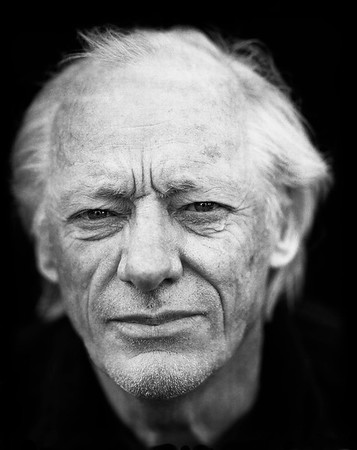
Photographer
Andrew Chapman is one of Australia’s most respected documentary photographers, with a career spanning more than five decades capturing the country’s social and political landscape. His lens has moved seamlessly from Prime Ministers to heroin dealers, from celebrities to shearers—offering an unfiltered and deeply human record of Australian life.
With a particular passion for rural communities, the Australian bush, and everyday people, Andrew’s work reflects a lifelong commitment to authenticity. He doesn’t stage or manipulate his images—what you see is what was there. As he puts it, he’s never been interested in simply creating “pretty pictures,” but in leaving behind a visual record people can rely on.
His work has been widely exhibited, and he is the author of nine books, including Political Vision, The Farm, and The Shearers, along with more recent titles like Fill The Frame, Working Dogs, and Woolsheds Volumes 1 and 2.
Through his photography, Andrew has not only documented Australia—he’s helped define how we see it.
Profile photo provided by Tobias Titz
Summary
What you’ll hear in this episode:
- How Andrew’s diagnosis with haemochromatosis led to liver failure and a life-saving transplant
- The emotional reality of facing death and receiving a second chance at life
- What it was like to document organ donation and transplantation from behind the camera
- Why truth, authenticity, and observation have guided Andrew’s photography career
- The lasting impact of organ donation and the unique experience of receiving a kidney from his daughter
Transcript
[00:00:00] Andrew: I'm standing where her head is, looking down into a human heart beating in a body. And it was just... I... You wanna know why I like being a photographer, why I wanna see the next thing? That's one of those moments. That's one of those moments when you go, "Holy crap, looking at a human heart beating in a body." Now, Catherine: Welcome to Don't Be Caught Dead, a podcast encouraging open conversations about dying and the death of a loved one. I'm your host, Catherine Ashton, founder of Critical Info, and I'm helping to bring your stories of death back to life bec ... Read More
[00:00:00]
Andrew: I'm standing where her head is, looking down into a human heart beating in a body. And it was just... I... You wanna know why I like being a photographer, why I wanna see the next thing? That's one of those moments. That's one of those moments when you go, "Holy crap, looking at a human heart beating in a body." Now,
Catherine: Welcome to Don't Be Caught Dead, a podcast encouraging open conversations about dying and the death of a loved one. I'm your host, Catherine Ashton, founder of Critical Info, and I'm helping to bring your stories of death back to life because while you may not be ready to die, at least you can be prepared.
Don't be caught dead. Acknowledges the lands of the Kulin nations and recognizes their connection to land, sea, and community. We pay our respects to their elders past, present, and [00:01:00] emerging, and extend that respect to all Aboriginal and Torres Strait Islander and First Nation peoples around the globe.
Catherine: Today I'm speaking with Andrew Chapman. Andrew is one of Australia's most respected documentary photographers with a career spanning more than five decades capturing the country's social and political landscape.
His lens has moved seamlessly from prime ministers to heroin dealers, from celebrities to shearers, offering an unfiltered and deeply human record of Australian life. With a particular passion for rural communities, the Australian bush, and everyday people, Andrew's work reflects a lifelong commitment to authenticity.
He doesn't stage or manipulate his images. What you see is what you get and what's there. As he puts it, he's never been interested in simply creating pretty pictures, but in leaving behind a visual [00:02:00] record people can rely on.
Andrew's work has been widely exhibited, and he is an author of nine books, including " Political Vision," "The Farm," "The Shearers," along with more recent titles like "Fill the Frame," " Working Dogs," and "Woolsheds" volumes one and two.
Through his photography, Andrew has not only documented Australia, he has helped define how we see it. Thank you so much for being with us today, Andrew.
Andrew: That's a pleasure, Catherine
Catherine: Now tell me, I met you at the Giving Life exhibition that was I think in 2024, was it? 2025.
Andrew: It was over a number of years where it was, That's the liver transplant exhibition. Yeah, that was at at Magnet Galleries. I've had it at a few different places, so that's why I'm sounding a little bit vague on that. it's been held at, over a number of years at different places. And it was probably up at [00:03:00] Magnet that you met me there.
I know we met at the kidney exhibition later on as well. Yeah, that's probably where we met, sorry.
Catherine: no, no. That's, that's fine. And, and tell me a little bit, how did you go from something like wool sheds and politicians and heroin dealers to the two exhibitions we just mentioned then?
Andrew: Okay, so I'm fairly turbocharged as a person. I've got a lot of energy and I'd always been documenting things around me. I was starting to run out of steam around about 2000. I was in... You know, if I'm in the, the wool sheds, in the yards with the sheep and the fences are fairly low, and I'm a big bloke, I can usually straddle them and get over.
All of a sudden I'm finding it's a little bit tiring jumping over and moving around and doing things. And I s- I saw a doctor looked at me and said, "Oh, I think you're a bit depressed." I said, "I don't [00:04:00] think I'm depressed. I'm not a depressive person." And eventually I had a second opinion.
They did uh, blood tests and I had high sugars, high irons, and the doctor said to me, "I think you've got a condition called hemochromatosis," which scared the shit out of me, that name. It was a long name.
Took a while to practice to say it and, and to spell it. Uh, Anyway, that said, I did have it and it brought on diabetes and I had an iron reference range of 4,200, which is extremely high. Generally people are around about the 35 to 100
mark And if you're getting over 100, you're, you're starting to go high on iron. I was at 4,200, so I was heavily saturated. When you have hemochromatosis, you get ... Basically, you've inherited it. I, I can't tell you the technical genetic term, but basically you need both parents with the, the gene for you to have [00:05:00] an active gene. My parents had seven children. Four of us had hemochromatosis. So my oldest brother, Chris he had it passed away from complications with it. And I've got a, a younger sister who has it and my younger brother who also has passed away, but he had other complicating life factors that, that contributed to that really. so yeah, we sort of draw the short straw genetically. It's a funny thing, hemochromatosis. If you know you've got it, the easiest way to get rid of it is to just give blood. It's called venesection, and if you go to the blood bank and they take it out from an early age and they manage it you'll never have a problem with it. But if you don't know you've got it, that's when the problem comes in, and I didn't know I had it. I hadn't been a, a blood donor. I tried to be one earlier on, and there was ... I had a cold at the time, and I never [00:06:00] went back, you know? Stupid me. Anyway I should have been more public-spirited, I think, in the first place. , That said you know, it left me fairly tired, incredibly tired, incredibly slow, and I went to the blood bank every week for two or three years, and they basically vac- got the red cells, took out the red cells, and got me down to zero, and it's been building just back up again. Funnily lately, I've been anemic, which is kind of really a little bit weird, but I'm
on iron tablets. Um,
Catherine: That is ironic, isn't it?
Andrew: It's very ironic.
Catherine: yeah.
Andrew: So yeah, it, it look ... Yeah, anyway, look, basically it attacked my body. It attacked particularly my joints and my liver. Liver is the first thing it usually attacks because it's a great repository for iron. So [00:07:00] it attacks the liver and know, you get cirrhosis from it basically, and then y- you're on your way to getting liver cancer and all sorts of other troubles.
Cirrhosis is like, it's like putting a membrane over a filter. It's scar tissue on the edge of the, the liver, and that scar tissue is stopping the blood flowing through. So it's putting back pressure, and that's likely to cause small varices in the body to pop. So you can get st- you know, stomach, and esophageal varices popping, things like that, and internal bleeds.
So it's fairly important that you, you treat it as soon as possible. Look, I just kept going and I didn't realize until I was very sick that I was sick. So around about April, my brother had ... We all got tested and the you know, it was identified that two [00:08:00] brothers and a sister had it. My brother, who had also had a high iron level of 2,900 he gradually got sicker and sicker and passed away in, in, in 2010 from it. He just went yellow and, you know, slow decline, hospital, palliative care. It wasn't a great death, you know? But that was a big shock in the family. He's the first sibling to, to die. And then so, you know, that's around about April. I, I haven't got the exact date, but by December, I'm not feeling great and I'm looking yellow. And, you know, I'd been getting basic
treatment, but nothing particular. And I went and saw the doctor. He said, "I think your liver's packing it in," which was a huge shock to me at the time. And, you know, I've always been a person, glass half full person, you know? It's like, "Ah, it's not my time yet. It's not my time to die," you know?
And I c- you know, I can remember going down [00:09:00] to the Alfred Hospital and John Coleman down there was looking after me and thinking, you know, "It's, it's not my time. It's not my time." But, you know, it should've been my time, you know? my liver was w- had just run out of puff, you know? And I spent a couple of months, I was over Christmas, you know? You try and get anything done over Christmas, you know? The specialists are all away. I was getting itchy. I was, I'd gone bronze. My skin had just turned bronze. I was itchy, so I'm sort of- Constantly doing this. I'm constantly rubbing myself all that. You can't scratch yourself 'cause you'd be bleeding pretty quick, so you've gotta learn to rub yourself. You know, I was doing things like having really hot baths, and it just wouldn't cure the itch, you know? It, it was the most uncomfortable feeling, and they kept on giving me a product called Lactulose, and it was Do you [00:10:00] remember Clag? Did you ever use
Clag at school? It's like drinking Clag.
You go, "Oh." It was
just the most horrible stuff. Anyway, you know, I went along with all this and I was just basically heading along to die. I had to go home for Christmas, come back, and then they sort of said to me, "Would you be up for a transplant?" I said, "Sure, yeah, yeah, absolutely." And they'd done some pre-testing.
Luckily, I'd given up smoking years and years ago, and I'd been a swimmer, so I could swim. My lung capacity was good, so I passed the lung test and things like that. And then they sent me over to the uh, Austin Hospital. I, I can remember it was a, a sunny day like today, like in summer. So this is early Janu- early mid-January, I guess. And I can remember driving up Punt Road from the hospital up ... They went all the way up to the Eastern Freeway and then out to out there, and I can just remember and just thinking [00:11:00] something's, at least something's happening, you know? So they put me, put me in the ward up, up, I think it was, is it level eight or level seven up on the Austin Hospital?
And, and there's all these other people really sick, and we, we just, you know, I just kept on going. Nothing, nothing happened. And then one day they came in and what, what, let's get this right. Josie always says my memory's a bit faulty on this, so if, if this is my memory, okay? I gotta preface it by saying that. Anyway, one day they had a look at me and, they said well, wasn't feeling good. They looked at my throat and I was bleeding through the th- throat, and they can't do a transplant if, if there's a varice in my throat had popped. They can't do a transplant if you're bleeding. So they put me into an induced coma and, and fixed that, and I was basically in a coma for five days. And I had about two days left in the tank when liver [00:12:00] became available. I know it was a, a male round about my age. I have no idea who he is. It was a male, I know that, but, I have no idea about that. That gets into another question of writing letters to families, which I can talk about later.
But yeah, I, got this transplant and I spent over 30 days in intensive care with two people looking after me 24/7. And gradually came out of that and the long trip to recovery, and back to being a bother to everybody again.
Catherine: It's interesting that you say that about your memory, Andrew, is because as you said, you had two days left to, to live before the liver transplant you know, became an option for you. and you were, you know, in a, in a coma during that period. So I have heard about that, the fact that the person who is the one who is unwell, their perception of time and space and [00:13:00] chronological events is very different to those who are actually watching from the sidelines.
What do you kind of remember about that time? Did you remember that you were dying?
Andrew: Oh, yeah. Well, I knew leading up to that being put under that, that I was, I was done because they, you know, the... I was getting sicker, there was no liver available. You can't just, you know, conjure up a liver. And, you know, I was... Yeah anyone who came to visit me, Catherine the first 30 seconds would be me bawling my eyes out, and then, "Oh, hello, Catherine, how are you?" You know? And it was a very... 'Cause, you know, I kinda figured I was seeing everybody for the last time when they came in. And I'll tell you this, after I had the transplant and I knew I was gonna live, every time those same people came in, I burst out crying for 30 seconds and said hello too. You know? It was sort of, I was so relieved that I was able to see them again. [00:14:00] And, you know, I've done a lot of crying since then, you know? That's for sure.
Catherine: I'd be interested to know, Andrew very few people actually have a near-death experience like that once, let alone twice. But when you look back on that, that time, what is it that you are relieved and grateful for that you managed to have that transplant?
Andrew: say to people, "I always wanna know what's gonna happen next." And You know, uh, I don't want to die. I don't want to ever die, you know? I wanna watch my grandkids grow up and to be become old women, you know? I don't want to ever go, you know? I kinda like it out on Earth, you know? I'm not You know, I'm always kind of a bit curious when people commit suicide and that, and just go, "Hmm." You know? I, 'cause I, I, I just wanna keep living. I, I love, I love [00:15:00] life. It, you know? I do all sorts of things that I want to do. I'm a photographer. It gives me that curiosity factor about being a a documentary photographer. I can say, " Oh, I want to see how sheep are, are shorn." So they're, "Oh, come down to the shearing shed, have a look inside."
Or, "I want to be a sports photographer," and if you're any good, "Oh, come and sit at the front row on the grass at the MCG and take the photos." Or, you know, politically, you know, "Come and photograph the President of the United States." I mean, you can go where ... or, or, or be a war photographer or a fashion photographer.
You know, it, it's a first-class ticket to observe life, being a photographer, and I kind of really like that. I'm interested in things too. I'm interested in politics, I'm interested in the way the world is going. I'm interested in, in, in issues of truth. I'm not religious. I'm just interested in life. Does that kind of explain it?
Catherine: Yeah. And, and what sort of interest in truth is for you? What, what sort of [00:16:00] things do you seek the truth about?
Andrew: Well, grew up reading 1984 by, by George Orwell, and Brave New World by Aldous Huxley, who was Orwell's lecturer I found out just recently, at Cambridge. Anyway, and you know, I, I'm always very suspicious about societies where the government controls the people and, you know, a- and that kind of, Well, I guess Orwell was often writing about communist Russia really with Animal Farm he certainly was. But dictatorships that, you know, they'd just come through the Second World War, and fascist dictatorships, and this, this control of the people, and I don't like the idea of control of the people. And I don't like advertising. I don't like advertising manipulating people. And that's how I grew up. As a 15-year-old I formed those ideas, and as a a photojournalist I was going to tell the truth and show it how it was, which was very naive at the [00:17:00] time. But anyway, that's, that's 15. You're a different person at 15 than you are at 72, that's for sure. you know, we were talking a second ago about, politics and, and my interest in seeing what happens next, you know? You, you know that saying, you tell a lie and you tell it often enough it becomes the truth?
Catherine: Mm.
Andrew: That's happening in this day and age so, so effectively.
I won't, you know, I don't know what political persuasions your listeners are, so I won't go and name anyone, but I think we all know who I'm talking about. And, you know, it's just following that Joseph Goebbels thing of, you know, keep feeding people crap and they'll absorb it and believe it's true. I mean, you know, you've gotta, you've gotta think for yourself. You've gotta think for yourself, and if people aren't thinking for themselves and making informed decisions, I think the world's in a really difficult place because of that.
Catherine: And what was it when you were 15 that made you have this conviction?
When-
Andrew: [00:18:00] like, as I said, I, you know, I th- talking to friends, those two books in particular, I wasn't, I wasn't a great book reader. I, I'm still not a great ... I'm, I'm a great reader of all sorts of things you know, particularly news and that, but I wasn't a great book reader, you know? But I must have talked to a lot of friends.
I guess the anti-war movement the counterculture of the late '60s, early '70s would've had a, a huge influence on that. You know, we, we, we really felt that we were gonna change the world and make it into a better place. You know, that's, that's what the, the late '60s and '70s was about, was trying to make the world a better place.
You know, to stop things like Vietnam happening where, you know, I mean, the projection was that, oh, it's, it's ... They used to call it the domino theory, and that the communists were gonna come down country by country and invade Australia. Well, you know, no they weren't. I mean, God, if they got, got, got to North Queensland, I think [00:19:00] It just wasn't gonna happen. And, you know, all these governments, they try to put these doctrines your head, you know? And, and, you know, what's going on in, in Iran at the moment and the Gulf of Hormuz and, and, you know, the amount of disinformation every side is feeding into it you know. What's the s- the, the saying that in war the first casualty is the truth. Well, none of us have got a clue what's going on there and which way it's gonna go. And, you know, it's ultimately about another story. It's really all about oil. It's about who's gonna control the oil and who's gonna control the world economy.
They don't care if Americans die or Iranians die or Iraqis or S- Saudi Ara- they don't care who dies. The only they care about is the oil. Sorry, I've gone way off topic there, but, but,
but, but th- those, those are the things that have always interested me, you know?
Catherine: [00:20:00] And with the work that you've done you've-- Like, I know you very well from the wool sheds series that you did and that behind the scenes, you know, and those beautiful wool sheds. Where did that come from? cause they're, they're all over the country.
Andrew: came from an old girlfriend actually, old girlfriend at art school. Yeah a- and this is back in 1976. She came from a small sheep property in Central Victoria, and we went up there and I went to my first wool shed, 1976. And I'm guessing it was a soldier settler shed. It was that fairly basic square tin shed that, that so many were built after the f- the Second World War. and, it was four, I think four stands, three or four stands, and dark and dingy, and little shafts of light coming in. Those beautiful old oil... The, the wood, the lanolin gets into all the timbers as the [00:21:00] sheep move around or are dragged across the floor that... And there was action, there were old crusty looking people, blokes with weathered looking faces and, and yeah, I just took photos.
And you know, '76, I wasn't a great photographer. I, I knew a little bit about it, but yeah, I got a couple of shots. You know, it was probably more by accident than design. But I got a couple of good shots. I thought, "Oh, that's pretty good." And then, then I kind of just got going with it and went back and did some more sheds and a lot of... You know, I gradually learned a little bit about the country way of life, I guess. Country people, you know, country people are the best people, you know? They're honest, they'll do anything for you. If you're driving around and you want to, you know... I, my first book was a book called The Shearers, which came out in, in 2005, and that was basically started with that 1976 shed I was told you about. Another couple of other big sheds and I I took the images to a, a publisher and a- and [00:22:00] the editor there she said to me, she, "Oh, these are beautiful photos." She said, "The only problem is they're all in Victoria." She said, "You're gonna do a book, it's gotta have a national appeal." Well, there's, there's the first lesson for me. So I had to start traveling a little bit further afield, didn't I? So I went to South Australia, went up the back of the Flinders Ranges and yeah, I went into New South Wales, particularly around the Hay area, and met some wonderful people and it's just a different place and a different life, you know, to what we know in the city, you know? it's a harsh environment at, up at Hay and, and, you know. When the sun's out and it's 40 degrees every day and you're on a treeless plain, you know, and the wind starts blowing, you kinda know all about it. And you know, I, I just got to love that. I, I got to love that you know, everyone knows about the, the r- the inner part of Australia, but this is what I call the inner circle. Which is around Australia, which isn't the desert, but it's, [00:23:00] it's dry rural areas, you know? It's not highly productive, the green areas which are like the Yarra Valley or the Hunter Valley in New South Wales or whatever, or out near Toowoomba, etcetera, etcetera. You know, this is, this is when you go a little bit further away from the Great Divide a- and it just dries out very rapidly, and when it decides to turn wicked, it turns really wicked out there. It can be really good, of course. And yeah, I, I, these people are, you know, they're, they're kinda like the fringe dwellers. They're, they're hanging on a- and, you know, some years are good for them, some years are terrible for them. They don't have great services, you know? They don't have the hospital, you know.
You need to go to the hospital at Hay, well, you drive a couple hours to Griffith or down to Albury Base Hospital, or if it's serious, you probably gotta drive to Melbourne or Canberra. and if something serious happens and you have an accident, you get cut badly in a shearing shed or something like that, you [00:24:00] know, it can be a life and death moment.
Catherine: When you were talking about the shearing sheds then and described the light coming through, that's something that is very unique that you experience in a wool shed, isn't it?
Andrew: It is. It is. A- a- and, and people get very romantic about it, too, and when I did my first book, The Shearers I used to get people who'd read the book and, and, and they'd write to me and they'd say, " I can almost smell the wool" It's very, very evocative, the imagery in terms of a lot of people's, Because so many people in the population come from farming families, and they've been, you know, As I say, they're, you know... Well, we're talking about women in particular. You know, dad was a farmer or was driving stock and going out there, or was a wool classer or worked in the wool stores or whatever. Australia ran on the sheep's back up until about [00:25:00] 1960. Before the great mineral boom came in, sheep, and post gold, sheep was the biggest thing we had going for us. And, you know, in early '50s wool was a, pound, a pound of, pound weight and, you know, people made a lot of money in the early '50s, and then it gradually died off and, you know, by the '80s everybody was struggling and, even to this day it...
There's been a couple of good years, but it, it's generally struggle town.
Catherine: actually got married at a, a sheep farm. I think you've, you've documented this one. The, the Mooramong Homestead out at Skipton.
Andrew: Ah, I, yes, I've taken a photo of it. I haven't yeah, I haven't been in... I think that's one I haven't been inside though, have I? I think, I think it's An outside shot.
Skipton's a big wool area though. Yeah.
Catherine: Yeah, and that was that was quite a large property and, and they had soldier settlement huts on there. But yeah, their shearing shed is still active today, I believe as [00:26:00] well.
Andrew: Yeah. Well, a lot of them just, just keep going, you know? And a friend of mine, Chris McClellan, calls them the cathedrals of the bush, and they are because they were like the most important thing on a farm. You know, after the house, you know, it, it was the, the center of productivity on the farm.
It's where you bring the sheep in, take the wool off, and you cart it out and wait for the check. the, uh, you know, 1800s particularly, they really built big ones. You know? I think the money was there. They had a lot of investment from big English companies some, some local ones.
You know, had their own money of course. But you know, they built these massive sheds, massive sheds and, you know, the, the big ones in outback New South Wales, the biggest ones would take 100, 101 shearers, blade shearers. Can you imagine 101- People shearing sheep. A-and they, you know, you've got the roustabouts and e- every, you know, the people bailing and everything else.
I mean, there was a whole village would turn up to your [00:27:00] farm, and you had to have the huts and that. If you go out to a shed like Toggenmain on the is it the Newell Highway there? Just between Hay and Easter Hay anyway, I'll put it that way. Uh, that's just been opened for the public.
That, that was running, I think, 70 blades at one stage. But when I was there, when I did the last shearing year, on machines they were down to 29. But I've been in some of those big sheds where, you know, they were designed for 50 people, and they've got four stands running now. And four shearers do the work mechanically, and the numbers have come down and it's, it's kind of they're rattling around this gigantic big old shed with just a handful of people. You know, there were no women in the sheds when I was starting to do it. And of course, you know, you wouldn't survive without women in the sheds. And there were women shearing. so that's all, that's all changed over the last 50 years or so. They hated New Zealanders. There was a classic [00:28:00] strike in the '80s about, it was called the wide comb dispute. And the sh- the New Zealand shearers were using wider combs and, and the Austral- the union didn't like that and thought that, you know, they set out to ban them to basically try and stop the New Zealanders coming in. Well, you know, the, the strike ended... It, it got pretty rough, but the place is full of New Zeal- we couldn't survive without the New Zealand shearers these days, you
Catherine: And was that because they were paid on the number of sheep that they would
shee- like shaunt, shear, shaw? What is
Andrew: yeah.
Shorn. The, the, The nu- number of shorn sheep, um, shorn, the shorn, the sheep. The, the number of sheep that they shorn.
Catherine: Yeah. Okay. So hence why the wider comb was an advantage.
Andrew: Yeah.
Catherine: Yeah. Okay. Oh.
Andrew: you know, most of the Australian shearers started using the wide cutters too, and they all use them these days. Everyone uses wide cutters these days. and, and, you know, they [00:29:00] were, they used to heat them up and I think stretch the outer combs a bit and I'm, I'm not 100% technical on how, you know.
But, you know, basically if, if the union caught you using wide combs, you're in big trouble as a, a Australian shearer. But eventually everyone just started using it, and I think- From what I know, and I'm not an expert on the history, but I think that, the union basically gave up on it, 'cause everyone realized how good the Wide Combes were and wanted to cut with them, and that was it.
Catherine: And what, what has been your favorite topic to document?
Andrew: Hmm. That's really difficult. I mean, the shear- I mean, I think photographing the shearing's always been, a big thing for me. I've really enjoyed that. But, you know, politically too, you know, I use the same technique, you know. Basically, I'm kinda like the fly on the wall. I'm just an observer. I try to get things as they happen. I try not to manipulate too [00:30:00] much and just document it as it happens. So I leave... You know, truth is very important these days, you know? We're living in a post-truth world, you know? And to me, trying to record things as truthfully as possible so people can look back and go, "Yeah, that's the way it is." And, you know, funnily enough, with the Shearer's book people would read it and say, you know, shear- people in the wool industry, shearers are, are reading, saying, "Mate, you've, that's, that's just how it is. Gee, you've caught that well." That's, that's a great compliment to me, Catherine, you know? That's what I set out to do, to, to capture things as it is, you know? To have, have that working documentary. I'm, I'm looking across the computer here to try and work out where my Shearer's book is. I've got Woolsheds.
Can't see my Sh- ah, there it is.
I know it's basically a, a, a podcast, so people probably can't see, see what I'm going to show you. But I'm just putting some pages of the book up here so you can have a look.[00:31:00]
Catherine: These are great, and this is something that we can include in the show notes so people who are listening the audio version can, can have a look at these photos. But if anyone's ever seen a wool classing table before, they're generally very large and wood and slatted, and they're amazing to feel because the lanolin, as Andrew was explaining previously, has all gone into the wood.
So it's the most beautiful patina and, and feel to it when you actually touch it. And yeah, just phenomenal.
Andrew: Well, y- can I keep going with that just for a minute?
Because there, there's a theme that runs through just about all my work. You talked about the patina, and the patina, I've got a term which I call the mark of time, and I like photographing Things that represent the mark of time. Now, that may be an old shearing shed, but it may be a human face as well. And I think that older people are much more interesting photographically than younger [00:32:00] people generally. I mean, you know, the world's got this obsession with beauty and youth and all that sort of thing, but, you know, ol- things are much more interesting, I think, whether they be a piece of machinery or a person. You know, they've actually, they've all been through a whole lot of life experience, you know? Environmental, sun, wind, rain. Emotional, if it's a human. You know? Bit of toil if it's a, an animal. And you know, you see all that out there, and that's kind of like a, a dominating theme in a lot of my photography. I'm going to as- unashamedly say, if anybody wants to look at my website, it's andrewchapmanphotography.com. No .au, just andrewchapmanphotography.com. Go to the photos, look at the galleries and you can see the things that I've photographed. th- it'll keep you there for hours. But you'll see, if you look at wool and the, the shearing stuff, you'll see a lot [00:33:00] of those black and whites, plus some of the wool shed photos. But if you look at my portraits, you'll see the same sort of theme in a sense. There's a, a correlation there I think in a lot of the, particularly a lot of the older people that I've photographed. And yeah, sorry, I've just gone off on a little meander there, Catherine.
Catherine: No, you're, you're welcome to do that, Andrew. And tell me, the documentary process of you recording everything as it happens was very much part of the Giving Life exhibition that we saw. Talk us through how you can... That's a very sensitive space when people are going and being operated on. Can you, can you talk us through how that came about?
Andrew: Okay. So my wife Josie, she says to me, " You should do something voluntary, you know? A- and, you know, something to give back, and don't make it photography. Everything you want to do is photography." So she said, "Just do something else." So I said, "Okay, [00:34:00] fine." So I ring up Donate Life, having a talk and said I'd like to be a volunteer, do some things.
And they say, "What what do you do?" I say, "Oh, I've been a photographer, documentary photographer." And a, a guy there who was there at the time, Adam Duke, says to me, " Oh, got a project that we want to document the, the journey of a liver tran- of, of a transplant. Would you be interested in doing it?" And it was kinda like exactly what I do, exactly what I love doing. So I said, "Of course I'll do it." So that's how that came about. You know, as an independent photographer, you had to get into an operating theater and get permission from hospitals, patients, et cetera. There'd just be an avalanche of paperwork and delay. And because it was coming from Donate Life and they ha- did all the checking the boxes and stuff. And I got in firstly, the first project I did was at the Eye and Ear Hospital, a corneal [00:35:00] transplant. Photographed that. And then I can't remember the sequence now. I think I f- photographed the withdrawal of life second, and then I did a transplant third. So, I kinda got my, got my foot in the door with the, the corneal work. I had, I had worked in... had been in a hospital before. Actually, it's a very funny... It's not a funny story, it's one of those weird stories. I was photographing for Time Magazine back in the early '90s and, It was at the time of the AIDS epidemic and everything, and a lot of people from Asia were coming down for open heart surgery in Melbourne because we had a guaranteed blood supply. so I was asked to photograph open heart surgery, which
Catherine: wow.
Andrew: yeah, so I went in and went to the Austin Hospital and there I am photographing. I'm standing... The, the, the patient, she [00:36:00] was lying like that, breastplate's open, clamped open, and there's a heart. And I'm standing where her head is, looking down into a human heart beating in a body. And it was just... I... You wanna know why I like being a photographer, why I wanna see the next thing? That's one of those moments. That's one of those moments when you go, "Holy crap, looking at a human heart beating in a body." Now, if you're a heart surgeon, you go, "Oh, yeah, so what?" But if you're anyone else, it's a pretty extraordinary privilege to be given. so anyway, this, this job's chuffing along and everything's going well.
I'm getting some good shots and stuff. And a couple of surgeons come in from the next operating theater at the Austin there, and they were introduced to us and blah, blah. I said "Oh, we're doing a liver transplant. Do you wanna have a look?" I said, "Sure, sure." So back in those days, just bowled in, and there's this guy lying on the operating table with this absolute crater. [00:37:00] The liver's just been taken out. It's taken them seven hours to take the liver out, and everybody's just taking a break. it's incredibly intensive work. You, you've got no idea how intensive it is for the surgeons. And he's just lying there, so I took some photos of a couple of surgeons and stuff, and I got to meet the team who were gonna save my life 16 years later.
I mean, i- isn't that amazing? Yeah, no idea. Well, of course not. some of those very people would be operating on me.
Catherine: Was it the same, some of the same people that operated on you 16 years later?
Andrew: yeah, yeah. I'm not saying all of them, th- but there would've been a couple, and I know one, one in particular. Yeah, so,
Catherine: Wow.
Andrew: How's that? a documentary on my, my transplant called Yellow, which was made by a documentary maker called Chris Franklin, and we're both Bob Dylan fans.
And I, I slipped a, I slipped a, I slipped a Bob Dylan line into it, and I said, " It was a simple twist of [00:38:00] fate." But it was, it was a simple twist of fate that I would meet the people 16 years earlier, some of the people, and, and in, and, and way in the earlier days of the process, who were gonna save my life. How about that, you know?
Catherine: that's unbelievable. And I'm just looking at some of the photos that you took with the Daisy Chain exhibition, and just really simple images, but just so powerful with, you know, the surgeons and how they actually operate. It is-- It really does look at it from a very different perspective.
Andrew: Yeah. Well, you know, I'm just photographing it how I see it, and I'll, I'll grab one here now. Hang on. I mean, after a while people forget you're there, you know? And, and you just go about your... Sorry, I'm just trying to keep the reflections [00:39:00] out. But,
you know, you just go about your, you go about your business. And, and, you know, everyone knows you're there for the first 10 minutes, and then they just... You know, they're, they're busy
saving a life.
They've been... They've got a job to do. Nobody's, nobody's really watching me, and I can just get on and go... You know, I'm just standing there, and I'm... You know, my head's going at 100 miles an hour. when I did the first- liver transplant was for me, I think it was 14 hours altogether from watching young Nick King and he, he's okay, I'm allowed to use his name. Nicholas King, you know, waiting to be told he was gonna have, get this transplant. And often at the, the 11th hour they just have to cancel, it doesn't work and he goes home.
But luckily it went through and everything w- through to him sitting up in hospital the next morning having a bite to eat. You know? How lucky am I? But, you know, there's so much pressure when you're photographing that because you've got this golden [00:40:00] opportunity, you don't wanna fail. You don't want something to go wrong, so you do everything you can in your power not to, let it go wrong. And I was so hyped up. I can remember coming home from that. It's probably about 2:00 or 3:00 in the morning, and I couldn't sleep. I just couldn't sleep. I was just so wired from this.
And, and, you know, I'd seen... I knew I had the shots. I knew I'd got the shots. it was just so, such a buzz for a photographer. You know, I've, I've... There's been a couple of times like that. Like, I, I got in the back of a car with a couple of heroin dealers back in the late '90s using film, which was a lot harder 'cause d- you, you, you had no instant recall whether you got it or not.
And, and these guys were dealing. They were, they were dealing heroin to people on the street, and there was an epidemic in Melbourne and w- we're doing a story for Time Magazine. Anyway, I got in the back of these two guys and, and they were, they were selling and then [00:41:00] injecting, and they were injecting up into their necks. And I got this shot. I just... Sometimes a photograph comes to you, Catherine. Sometimes you just, in the right place at the right time, and the photo presents itself, and all you've basically gotta do is, is click the shutter. Now, I'm, I'm probably oversimplifying that a hell of a lot, but
Catherine: I would say you are.
Andrew: sometimes it lands in your lap, and this was one of these days and I got this shot. And it never got used unfortunately. It was pretty graphic. But you know, those are the moments. You know, I can remember going back to the dark room in those days, which was in my friend's studio in Fitzroy, and processing the roll of film and holding the, taking it out of the developing tank and holding it up to the light.
I... Photographers can read negatives, you know, pretty easily, you know? There, there's a sheet of negatives there,
you know. You can see. You know, we, we know how to look at them, and we can basically [00:42:00] see- We kind of reverse it in our brain. We know when a shot's there. And I can remember holding these negatives up and doing this little jig in, in the darkroom because I got it.
And, when you get those moments when you're, you're doing jobs, it's, it's, it's just great. And, and, you know, the, the, the liver transplant on Nick, there were so many great moments there. And I mean, I didn't have to get it within a few minutes. So I had, I
had 11 hours to, to really tune it and to work out if I'd made mistakes. So I, I gotta say at that time, that was fairly lucky. But then of course the, the other part of the journey is the withdrawal of life support from a person. And I had to photograph that. And I've so- I sort of said in the, the documentary that Chris Franklin made, which you can actually get via the website if you go to videos, you can have a look at the documentary there.
But you know, you're in ICU and they're withdrawing life support [00:43:00] from somebody, and everybody's got a job to do, and you're just standing there taking photos. And you go, "Oh, you know, what a- what am I doing here? Why am I here?" And then you've got to tell yourself you're here because you're actually telling a story. You're telling a story and you hope it's gonna make a difference in terms of, people, living, other people like yourself receiving a transplant and living. The person you're photographing, they, they're gonna die, that there's no... Oh, well, they might live or they'll come, they'll jump up all of a sudden and come back.
They're not coming back. They've gone and they're not coming back. And you try and photograph it as best as you can. I mean, obviously I had permission. I had permission from the person's parents who were elderly you know, that it was okay. The family had okayed it. I could have photographed the subject's [00:44:00] face if I'd wanted to, and I did, but y- I didn't want to use them. I, I actually managed to do it so if you have a look at those pho- Have you seen those photos? I'm not sure if you have or not. But if you have a look at that Giving Life exhibition and, and the photos, I photographed the staff holding the, the the patient's hand and, and stroking their head and, and caring right through to the end. And, and it was quite moving to watch that.
Catherine: You made not to show the person's face
Andrew: well, you know I, I, actually I'd be very interested to go back and look at the whole shoot again and see what's there. But it it kind of wasn't necessary to tell the story. You could see... I mean, when we had the exhibition, so many people came in and they looked at particularly a couple of [00:45:00] photos I used where, where the, the, there's a doctor and nurse in one and another one of a young nurse, holding hands and stuff.
And people were just tears rolling down their face. I mean, I think I conveyed what was going on pretty accurately without necessarily, You know, it's, it's still, it still sort of, uh, tangles me up a bit. I don't, I'm not, I'm not... I don't have any regrets about doing it. Absolutely no regrets because I can tell you now we ran that exhibition and it ran, aside from the time you saw it, it ran all over the place.
It ran in country Victoria, it ran over at Flinders Medical Center and in in An- in Adelaide. And I got a letter from a lady and, and anonymous that her husband had had an aneurysm and had been medevaced down to Flinders from Darwin, and I think he'd been in ICU for about 28 days. But, [00:46:00] but I think they initially hoped to bring him back, but it, it gradually became apparent that he wasn't coming back and he was gonna be brain dead. And the woman and her son were walking past my exhibition near the ICU unit every day, and
there were the photos, the whole sequence of photos, but particularly the one of young Nick King sitting up having his first meal after the post-transplant.
Catherine: close to the door.
Andrew: And
that
mother and son made the decision
Catherine: that we
Andrew: for him to become a do a a- an organ donor, And as a result of that, there were five life-saving transplants
Catherine: And, uh,
Andrew: after he passed away. Now, I, know... I, never thought I'd ever hear that, but I know as a fact that my photography was responsible
for a decision that has allowed five people [00:47:00] to, to, to have a life today that maybe wouldn't have. Some of those wouldn't have made it through because there's a shortage of organs, of course.
So- I
don't have regrets about about, about what I did. I think that's, you know may- and, and, and for all I know, maybe it's influenced other people to register to become organ donors. and
they've also gone on to save people and I just haven't heard about it. But to actually get that letter, That was, that was you know, a really big thrill for me. That's why you do it.
Catherine: it- And there is something very powerful about the way in which you capture the story and how you document it, that I'm not surprised that that is the case.
Andrew: Well, I'm just doing what I know
how to do, you know I'm a one-trick... well I'm not a one-trick pony. I, I'm a good... I'm, I'm, I'm not the world's greatest photographer. I'm a good photographer, though. I you know, I kinda know I know that, It, you [00:48:00] know, and, you know, I probably grow pretty good veggies as well, but that's that's kinda me.
That's, that's, you know, there's nothing too deep going on there. I, I'm good at observing what
I see and taking photos of it, and it's, it's what I'm passionate about. You know,
got the passion when I was about 15, 16. 72 in June, and
Catherine: And I
Andrew: I still live for photography, you know? It still drives me.
Catherine: been
Andrew: Drives me nuts.
Catherine: of that. I think it was one of the best things we could have done. And given that you were given a second chance at life, what keeps you still curious?
Andrew: What keeps me curious? I think everything keeps me curious. I'm just... Yeah, I'm in- I'm interested in all sorts of things. I, I'm interested in new technologies. I'm interested in AI, for example, you know? whatever's going on. And I'm always interested in that little two steps [00:49:00] forward, one step back dance that technology and, and innovation, being social media or AI at the moment is the current question.
Oh, it's gonna ruin us. Well, you know, it's gonna take over the world. Well, you know, and maybe it will, you can't stop progress. It's just, it, it's, it's just going. I mean, for all the, the negatives of AI, I think medically we're about to hit an absolute acceleration in terms of cures and/or, or, aids to curing diseases.
I think that the sky's gonna fall in, honestly. You know, there's just this plethora of change about to descend on us. It's, it's, it's like the Industrial Revolution in, in 1800 it's going to come, and it's gonna come really quickly. I, I saw a thing the other day where they had a, a, a particular It's, it's not a why thing, but children who are born deaf, I think they changed a couple of [00:50:00] cells, maybe using CRISPR. I can't remember how they did it. But These particular children who are born profoundly deaf can now hear, and that's because of things that they're working out with, you know, the, the Human Genome Project.
I mean, we all forget about the Human Genome Project. It was such a, a big thing in 2000. But all those things are spinning down the line at us at the moment. There's better survival rates of some cancers. Unfortunately, it's not quick enough for a lot of people. But, you know what I think's gonna happen with organ transplants? I think they're gonna grow this. They're just gonna grow You, you'll, you'll ... You know, if I have a liver failure in s- 40 years' time, they'll just grow another liver out of my own genetic material, plonk it back in. You won't need rejection drugs. I hope there's not any medical scientists laughing at me saying that.
But yeah, I know, I know there's, I know there's a research uh, program to 3D print, um, kidneys [00:51:00] at the moment. and they will 3D print tissue. They maybe already are, I don't know. all that is coming so fast. And, and, you know, like I said, I wanna be alive to see the next thing.
But, one thing I know is if, if, if they solve one problem for you, it just opens up another one, you know? So, yeah, I went from ... You know, I had my lu- my kidney was fine before, before I got sick, but all that lactulose and all that looking after me in, in, in the Alfred Hospital in the early days put my kidney to sleep, and it never woke up again properly. and you know, I came out of, I came out of the transplant on dialysis, and I had a virus in my ... CMV virus, which is a relatively common virus, but, but when you're immunocompromised, it's kind of dangerous. And the pos- it was inside my eyes, and there was a possibility I might go blind. So I survived my liver transplant, and I come out going, "Oh, so I might be on dialysis for the rest of my life, and I might be going blind." [00:52:00] That's the cost of staying alive. And at, for quite a while there, it was quite a threat, you know? But you know, I managed to, uh, get my- kidney working to, to about 22% and had a lot of antiviral treatment on the eyes, and gradually that, the CMV took a year or two, but basically they got rid of the virus out of the eyes. And I had quite a lot of eye surgery too. so I survived, 10 years post-transplant. 10... Hang on, I've got to get my, my, my facts right here. Yeah, 10, just over 10, yeah, 10 years I survived my kidneys. I, I went to 22%, and the doctor said, "Oh, you'll be back in a year's time. You'll need dialysis in a year." Well, I survived 10 years, and around about f- so from 2011 to about 2017, I survived at around about low 20s, doing most [00:53:00] things. That was fine. And then got a virus, and that knocked my kidneys around pretty badly. They jumped down to 17%, so that was a shock. And I, you know, I got uh, uh, yeah, anyway. Th- th- lots of other things went wrong. So then once it hit 17, it just slowly kept drifting down, drifting down, drifting down. And I thought, "Well, it is what it is. I'm gonna end up back on dialysis." And then I faced another really interesting dilemma, a difficult dilemma for a father. My, my kids offered me a kidney, all of them.
The, the three of them were quite happy to do this. But only my oldest daughter, Sarah, was really in a position age-wise, fa- relationship family-wise, to be able to do it. And so I could do a, you know, a, a, [00:54:00] what you call a paired kidney exchange with her. And the test, you know, we did the test and that.
And I, I, I hadn't wanted to do it all, the whole family going up, 'cause I kind of thought, I thought, "You know, I've had my luck," and you, you don't take organs from your kids. there's a whole lot of really interesting questions you've got to face. And still, you know, to be honest, you know, still I feel a little bit uneven, you know, uneven about it.
It's, it's actually my fifth anniversary in two days' time. And that, and I'm going into town, take my daughter out for dinner. and she, she's as, as happy as a pig in shit about it, you know? But it's always the factor, you know, what if something had gone wrong, that sort of thing. And, You know, are you a selfish bastard, basically? And you know, there, there's probably a little bit of that there, but I'm not gonna deny that. But you know, I've talked to surgeons about it. I've said, "What [00:55:00] do you think?" And, and you know, I... The way I looked at it is it's, it's such a common operation and it's got such a high success rate, it was just gonna go okay as it did.
As it did, I, I might add. Now, if it hadn't, well, that's, that's the question, isn't it, you know? Anyway, everything's hunky-dory and everybody's really happy with what's happened in- including the donor. and that's, that's, that's a lovely thing. But I was down to 8% kidney f- uh, 8% kidney function just before I had that operation. I was still, funnily enough, you know, you think you're in a pretty weakened state at 8%, but I was still able to swim a kilometer straight through in the pool on 8% kidney function. So some things I was able to do pretty well. Yeah, so I photographed an exhibition in, in, in the [00:56:00] month before my transplant.
I, I had a friend come along. Josie Josie was horrified I wanted to go and photograph an exhibition, but good friend of mine, Noel Butcher, came along and, basically carried the bag. And mate, he had, he knew exactly my medical condition if something happened. Anyway, I photographed the exhibition.
I couldn't go to the opening. I was in hospital. But we did a whole lot of historic wool sheds down around the Ararat district. And then slightly before that, the first time there was a hiccup and we couldn't do it, I, I can't r- remember what got in the way, but it was very upsetting for Sarah 'cause she was geared right up.
Me, I was used to hospital, I was used to the process, but for Sarah it was such a big thing, you know? First time. And yeah. Anyway, there was a hold up. But the second time went pretty smoothly. Everything went fine. You know, they'd all said to her, "You will feel it more than your dad. You will feel- [00:57:00] You won't recover as fast.
And sh- serious gym junkie, you know, " Oh, I'll be all right, blah, blah, blah, blah." You know, what would you know? Anyway, she, it, didn't recover as fast as me. So, so yeah, they, they brought her... Eventually they brought her from, they put her in the private section of the hospital because she was a, a altruistic donor. And she, you know, she didn't need to. They, they put her in the, the, the private part of the hospital, so she wasn't kind of in the ward near me. So they wheeled her up a few days later and she came to see me, but she was very sore for a few days. And then, you know, bit by bit we all got better. You know, week by week and, you know, the body can survive on one kidney quite, quite easily. I've got a number of friends who were born with one kidney and it's slightly larger, I think, from memory. But yeah, um, and here we all are. Five, five years later I'm uh, still bugging [00:58:00] people.
Catherine: And tell me, Andrew, as you, you've, uh, sort of alluded to in uh, throughout the, the interview is that you don't normally get to know anything of someone who donates an organ to you. Like you only know with your liver that it was a male. Um, And so to actually have your own daughter donate and be aware of that, and as you said, there's many, know, questions you asked yourself at that time.
But given you know, five years down the track or two days off your five-year anniversary how has it, how has it impacted or what has-- or has it impacted your relationship with your daughter?
Andrew: No, she still gets grumpy with me. Tells, tells me to stop bugging her. But look, it's just, it has closed it, that's for sure, a- and, and that. But, you know, we've just carried on the way we've always been. We've always been close, so, as [00:59:00] I am to the other two children as well. It, it, but it's, it's just carried on. And like I say, we try to celebrate it every, every year.
and kids think I'm very greedy because I have three birthdays a year. I have my birth- my, my birthday, and then I have my, my liver birthday in early February, and now I'm going for the third one, my, my kidney birthday in um, in May. So, you know, God help me if I have another one.
Catherine: It's a very
extreme way to actually make sure most of the uh, months of the year are celebrating you.
Andrew: it's an interesting thing, you know. You go, "Well, how lucky can you get?" And, you know, yeah, I've been really lucky. Having said that, I would be interested in an islet cell transplant for my pancreas, being a ty- a diabetic Type 1. Now, that's a cell transplant, so it doesn't r- I don't think it involves anyone dying.
But that would be kind of interesting if I, if, if I could get the trifecta and cure my diabetes. But there's [01:00:00] still a little bit of work. I think diabetes will be o- actually on the run in 20, 30 years' time. I think, I don't think I'm going to see it, but, you know, like I said, this medical revolution that's coming, I, I think things like diabetes, that's, that's gonna be massive. If, if diabetes... Luckily, those companies like Novo Nordisk are making a hell of a lot of money out of weight reduction these days, because they might lose all their money from, from people who need insulin. That would be, that would be a stunning thing for, for life expectancy for, for, um, because diabetes has such a health consequence for so many people.
Catherine: It does.
Andrew: anyway, if, if, if I could get a, a, you know, if, if, if I could get a, a stem cell, a pancreatic stem cell transplant, I wouldn't say I wouldn't look into it.
Catherine: And when it comes
Andrew: Gr- I'm very greedy. I, I appreciate that people listening are gonna think, "He's a greedy bastard," you know? [01:01:00] And I, I just wa- you know, I ju- like I say, I just want to see what happens next.
Catherine: And, and what is that? What is on, on your cards for, for-- what, what are you planning to happen next? Is there any exhibitions in the, in the pipeline, Andrew?
Andrew: I'm working on a historic exhibition which is coming out on the 3rd of September. It's going to be called The Green Bus, and it's at the Melbourne Town Hall at their, their small gallery on Swanston Street, for anyone who's in Melbourne or who wants to come from interstate or overseas. Come and have a look. you're welcome. Um, That's starting on September the 3rd, and it's running through, I think, till about February with the City of Melbourne. So I've been working on that. I've been working on an idea of doing a book on the s- my '70s and ' 80s photographs. Which I think a lot of them are pretty average, but everyone I show them to love them, so, you know, maybe I, maybe it's just me.
I've got a camera just offside here, and I've been... you know, all [01:02:00] these negative sheets I was just showing you I'm basically going through them all and high, high resolutions, copying them and then seeing what, what's decent there. I'm getting my archive in order for when I pass away. I didn't spend all this time taking photos and putting them, putting them away for, to just die and, and have them thrown out in the tip. I've, I've put... The City of Melbourne have just taken quite a lot of images. The National Library in Canberra have quite a few, and the State Library in, Victoria also have quite a few of my images. I want to get a lot of that work into collections because, you know, that's what I did it for, to, to leave a visual trace for when my grandkids or their, their friends and, you know, want to know what life was like. You know, c- can imagine in, in, in 50 years' time, and they're, growing livers from stem cells and, [01:03:00] you know, you need a new liver or a new nose or a new ass or whatever, and they just go and grow it and put it on you, right? And, and someone turns these, turns to kids and says, "Oh, you know what?
They, they used to take organs from dead people." And the kid's gonna go, "Oh, yuck. What? They took... You know? Because it's gonna seem that foreign in 50 or 100 years' time, that idea that I think medicine will just be a totally different place.
Does that sound far-fetched?
Catherine: No, no, it, it doesn't, especially how quickly things are advancing. Uh, And I can't thank you enough for actually collating your archive now and being so generous with, with, you know, passing that on for future generations because uh, yeah, the moments in time that you have captured are really a true testament of who we are.
Andrew: Well [01:04:00] yeah, I mean, I'm, I'm, I'm very aware of it because I've had a number of friends die recently. Michael Silver before him, Jamie Massia Skip Watkins, a Canadian-Australian photographer over in, in the West. And what happens to the archive is, is the golden thing, you know? I mean, with Jamie we got together and we, did- A, a, book on his work, his life's work.
Luckily I've been involved with a couple of publishers and we were able to do that. And it was only a small book, but we were able to do a book of it to celebrate his life's work and to leave something there. Skip's work over in the West is just sitting in a garage. I can't get... I'm not healthy enough to get over there and, and go through it.
And, and it'd take you two years for someone to go through that archive, Catherine. Michael's family are probably putting his together. But so many photographers die and the families don't know what to do with it.
And If it's not cataloged and it doesn't [01:05:00] have a file information attached to
the, the visual file
in, in the term what they call IPTC or, or, or, you know, basically a data attachment.
If it, hasn't been... Y- you need to know there's your photograph. you need to know who, what, why, when, where. You, that information makes the photograph valuable, and so many photographers don't have that information on
their images. They know it in their head. If you ask them when they're alive, they'll tell you. Once they die, poof, it's gone. So that's what, what's... That's, that's the value of having everything data-based, you know?
Catherine: And I can't thank you enough because it can't be an easy task to be doing, Andrew.
Andrew: Hmm. Well, it's fairly relentless, Catherine. you know, I'm trying to do long-form projects and one of the, my problems is I can't walk very well. I can walk, you [01:06:00] know. I can walk a couple hundred meters so I don't, you know, that's not a problem. But serious walking I can't do anymore. I can swim. I can swim 2K straight through without stopping. You know? But takes me about 52 minutes bang. as I did this morning, I can cycle. I cycled 8K, 8, 9K this morning, no problems. Walking, I can't walk, you know? Go figure that out. So what I'm trying to do, I'm all about long-form projects. So the shearing the sheep was all about h- a long-form project. Transplants has been a long-form project. I'm hoping to be able to do a heart-lung transplant this year, and that's something that I've just been trying to get my health back together so I can do that. I had, I had s- radiation on my head last year k- for a month. And you know, I keep getting these skin things that just erupt everywhere and that's, that's from the [01:07:00] anti-rejection drugs.
So anyway, I'm in a hurry, I'm in a hurry to do a heart-lung transplant, and I'd also like to do a pancreatic stem cell transplant. Photograph it, that is. I mean, I did say I'd love to have one, but I'd love to photograph it because I think to have that long-form capturing of organ donation would be really good.
would be really good to do. couple years ago, a, a, a young lady I know had a five, five organ multi-transplant, which I was due to photograph, and after waiting four or five years, COVID knocked me out of being able to photograph it. It was a huge disappointment. She had the transplant and she's doing really well. So that's been-- She'd probably be a really good interview subject actually, because
absolutely long form story of how long it took her to, to get that transplant, and in and and off the transplant list and things like that. So I wanna finish you know, I wanna finish that. I've [01:08:00] finished most of the other long form things that I've got up.
You'll see if you look at my photo galleries, there's a long bit on power stations. I probably won't do much in the way of books and things anymore. It's just my leg mobility is my issue. I, I've been doing a lot of portraits. where I don't have to walk.
Or even if-- Yeah, I can drive to someone's place, get the camera out, put the tripod in and work out where I'm gonna take it.
So it's not that I'm not photographing, I'm just not you know... If you go and have a look, I've got a-- I bought a drone as well, 'cause I can put the drone up in the sky and take
it to where I want to photograph. I, I mean, I don't go-- I don't send it kilometers away. Generally, I just use it to go up a bit higher. And if you, if you have a look at my photographs page, if you go right down to the bottom, you'll see 2025 and 2026. You'll see what I'm currently photographing. So it's not that I'm not taking photos. I am. I'm getting very good photographs. But I've just got to approach it differently as I, as I head [01:09:00] into my you know, older years.
But I'm still interested... Yeah, I'm just still interested in being a photographer.
Catherine: Yeah. Yeah, and I think it's amazing that you know, that you've just had the foresight to, to really do that archiving as well. You know, like I-- when I was at the gardens, there was a, man who and he'd done all of this photographing of all of these Brachyscome seeds and all of these different things that, you know, for macro photography and, and he was, you know, he was diagnosed with a life-limiting illness, and I went out and I kind of did a exhibition for him just at Cranbourne.
And it was just so sad because know, it wasn't documented, it didn't have the data, as you were saying, so it was limited with what you could take on from the, an archival perspective because he wanted the gardens to actually take it all. And so the work of actually having all of that data, having it all [01:10:00] there, you know, ' cause
otherwise it does just stay in someone's head, you know?
And you can't transfer that once, you know, once they're gone or once there's decline, you know, in someone's health. So yeah, it's just such a valuable thing to do is actually have all of that important, you know, information together with the collection. I know with my-- I've got a pottery collection I carry.
I collect Gus and Betty McLaren pottery from the 19 sort of 50s, and I was fortunate that I actually met Betty in the last sort of 15 years of her life. And so I have the stories, I have the information, I have all of her right with the pieces that I've got because it's all that provenance which is so important.
Andrew: That's right. Yeah, it's providence. Um,
Catherine: I, um,
I can't thank you enough for your time today uh, for sharing your stories and your insight to what it is like to have been a organ recipient not once but twice.
Andrew: [01:11:00] Well,
that's a pleasure. And look, I'm gonna unashamedly just put in a little plug for Donate Life for anybody out there who, who feels,
Catherine: that people
Andrew: Who isn't an organ donor and doesn't have a moral objection to it to register with uh, donatelife.gov.au. and I think from the homepage they can register to become an organ donor. And, you know,
Catherine: okay
Andrew: or one day
you will need an organ.
Catherine: yeah."
Andrew: what are you waiting for? Get on out there
Catherine: I think that's absolutely perfect. And I would also say that that website is, is good for those of us who once upon a time thought it was just part of our driver's license. That has all changed and all through Donate Life, so you can even check to see what your status is currently. And then if you're not, you can go through the very simple and [01:12:00] quick donation registration process.
Thank you so much for your time today, Andrew.
Andrew: Hey, that's been a pleasure, Catherine. Thank you very much.
Catherine: We hope you enjoyed today's episode of Don't Be Caught Dead, brought to you by Critical Info. If you liked the episode, learn something new, or were touched by a story you heard, we'd love for you to let us know. Send us an email, even tell your friends, subscribe so you don't miss out on new episodes. If you can spare a few moments.
Please rate and review us as it helps other people to find the show. Are you dying to know more? Stay up to date with. Don't be caught dead by signing up to our newsletter and follow us on social media Head to Don't Be Caught dead.com for more information and loads of resources.
Read Less
Resources
Connect With Andrew Chapman
Website: https://andrewchapmanphotography.com/
- Make Death Admin Easy with The Critical Info Platform
A simple system to sort your personal paperwork for when your information becomes critical.
- My Loved One Has Died, What Do I Do Now?
Our guide, ‘My Loved One Has Died, What Do I Do Now?’ provides practical steps for the hours and days after a loved one's death. Purchase it here.
- Support Services
If you're feeling overwhelmed by grief, find support through our resources and bereavement services here.
- Support the 'Don’t Be Caught Dead' podcast with a one-off or regular donation to help Critical Info, a certified social enterprise, keep creating free, high-impact conversations about death, grief and planning—every contribution fuels our mission to reduce the burden on families and build a more death-literate, compassionate community. Donate now.


Share